10 outstanding VTOL fighter aircraft and key technical lessons learned.
An analysis of 10 VTOL programs: from the £192 million project, ejector-augmenter and wing lift fan to the 1976–1991 service prototype, the first VTOL in 1969 and the stealth STOVL now in use by many countries.
The following list of 10 vertical take-off and landing (VTOL) aircraft programs shows that only a few entered service, while the rest remained at the testing stage due to technical hurdles: low thrust-to-weight ratio, hot air intake, noise, complex controls, or the risk of lift engine failure. Two important milestones include the first VTOL prototype entering service in 1969 and the supersonic stealth fighter STOVL, currently used by many countries.
Overview
VTOL/STOVL aims for vertical take-off and landing (VTOL) or short runway capabilities, requiring a lift-generating solution independent of the wing at low speeds, while maintaining cruising performance and reliability. Source data suggests several different approaches: dedicated lift engines, rotary thrust-directing nozzles, wing-mounted lift fans, or ejector-augmenter systems.
Technical analysis by program
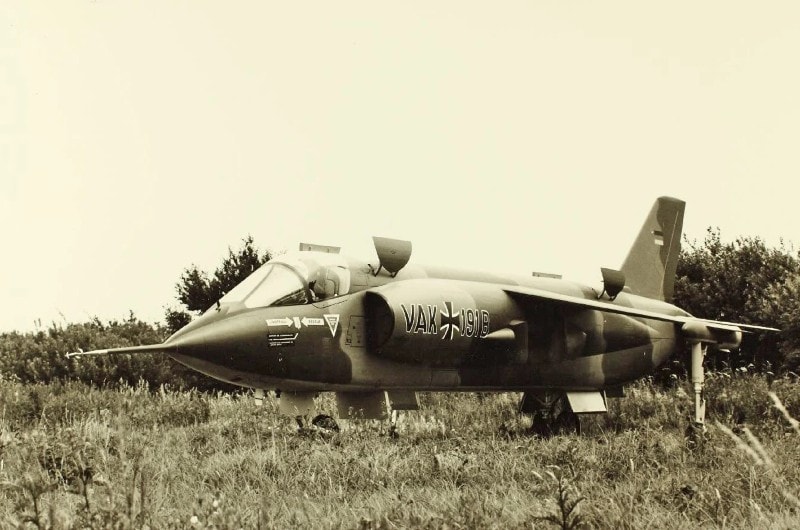
- The £192 million project:It used an RB.193 engine and two lift engines. Its streamlined design with a high body-to-weight ratio resulted in a low thrust-to-weight ratio, and the small wings reduced maneuverability. Development ceased in 1972.
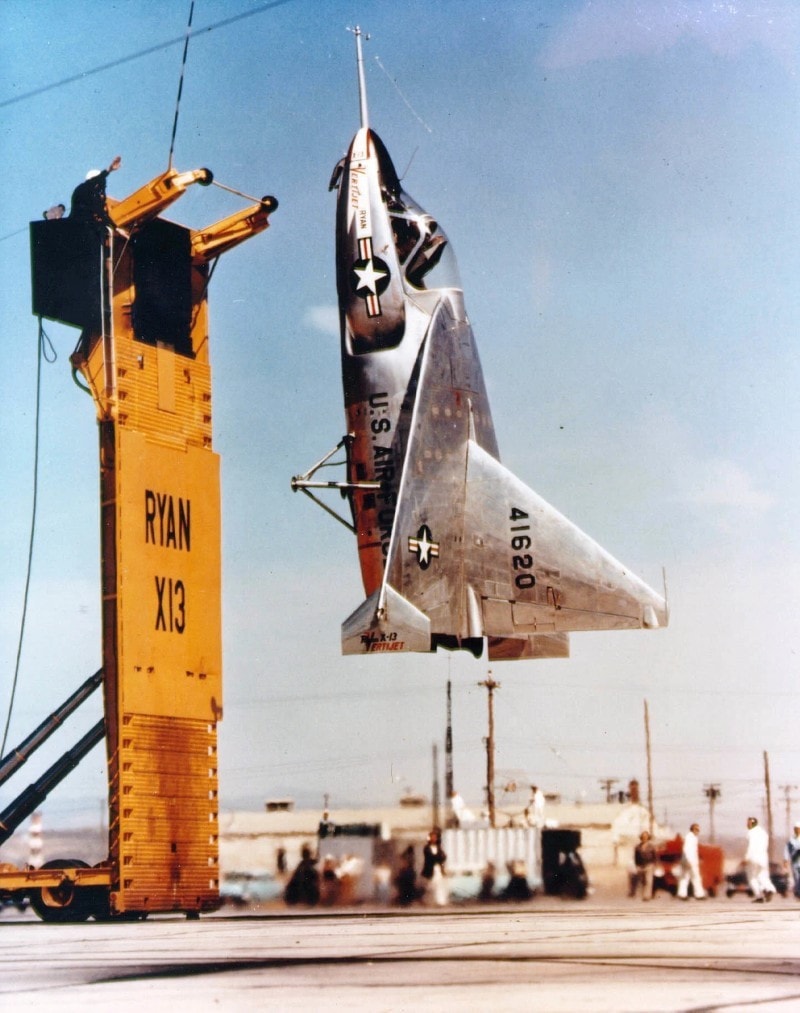
- Experimental aircraft with a "tail-seated" design:Equipped with Rolls-Royce Avon engines. It once flew over the Potomac River and landed at the Pentagon; the military concluded this capability was unnecessary, so the project was halted.
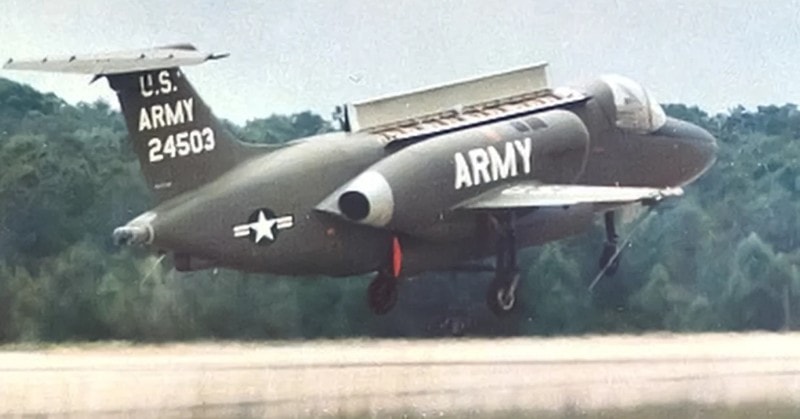
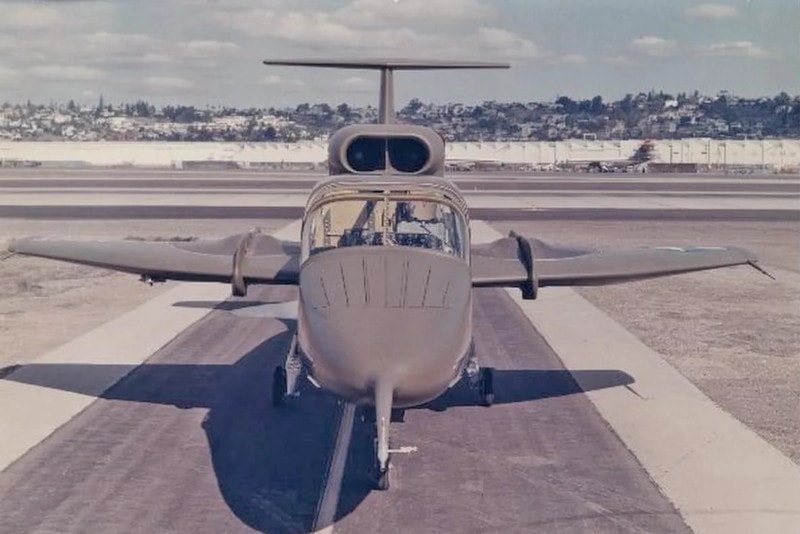
- Target reconnaissance design for the U.S. Army:Maximum speed 833 km/h. Ejector-augmenter lift system for low thrust; both prototypes crashed, killing one pilot. The project failed.
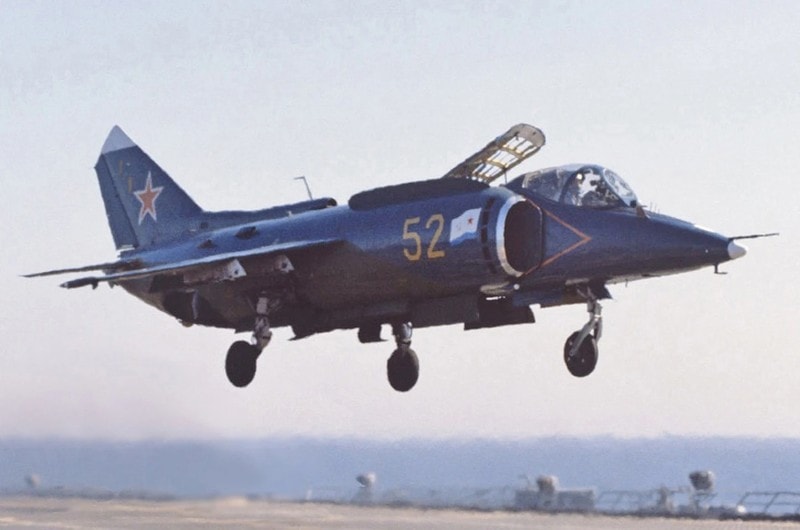
- Soviet VTOL fighter jets:Served from 1976–1991 and saw combat in Afghanistan. Equipped with two lift engines and one cruise engine; approximately 200 units produced. Had a weak range and payload capacity, and was prone to instability if the lift engine failed.
- In-wing lift fan solution:It generated three times the thrust of a conventional jet nozzle. However, it was difficult to control, had poor acceleration, and once even sucked a dummy into the fan. Numerous fatal accidents led to the project being canceled.
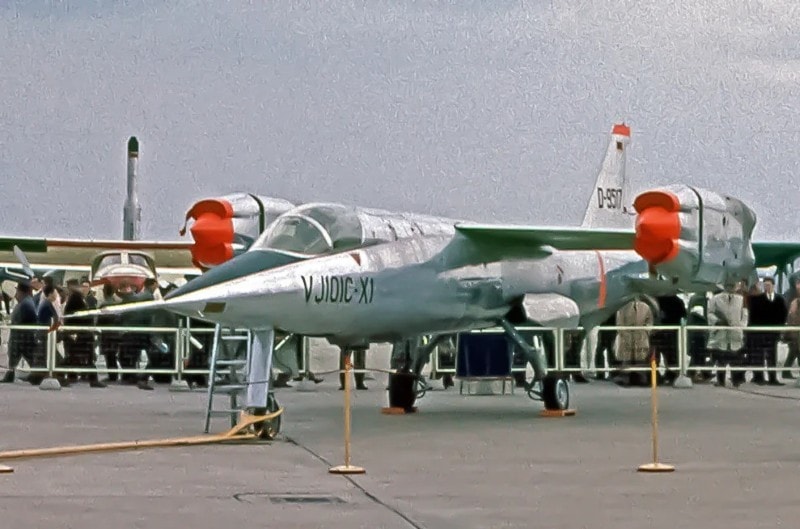
- With a 6-motor configuration, it reaches Mach 1.14 (1,408 km/h):The complex control system, with engines at the nose and wingtips, encountered problems with hot air intake and ground erosion when using afterburner, and was not put into production.
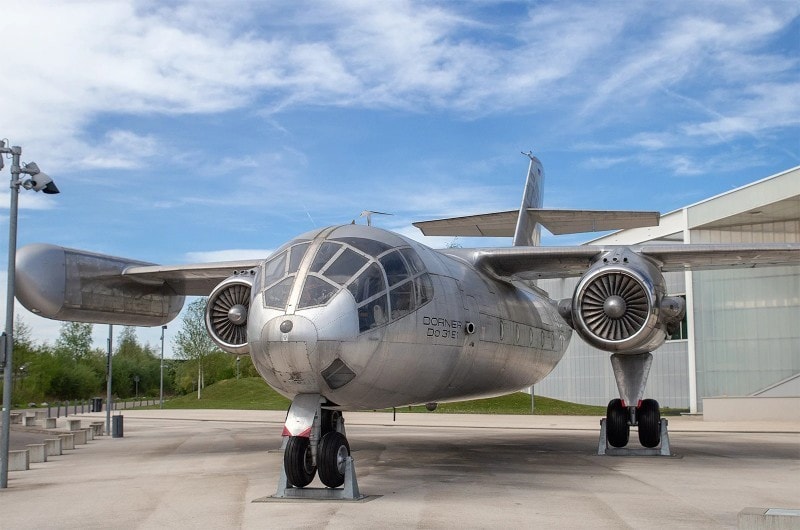
- The only VTOL transport aircraft ever to fly:It was used to support forward operations but was replaced by the cheaper and more effective Fiat G.222 (now C-27 Spartan). This is because the G.31 was considered a solution to a flawed initial requirement.
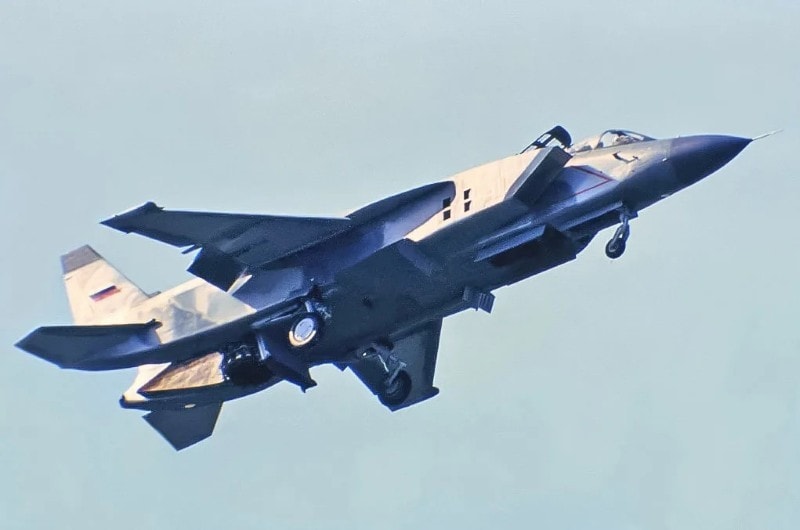
- The model reached Mach 1.4 (~1,715 km/h):Equipped with advanced 3D rotating nozzles, but it produced significant noise and sucked in hot air when flying vertically. The project was discontinued in 1991; it served as the basis for the later Yak-43 and Yak-201.
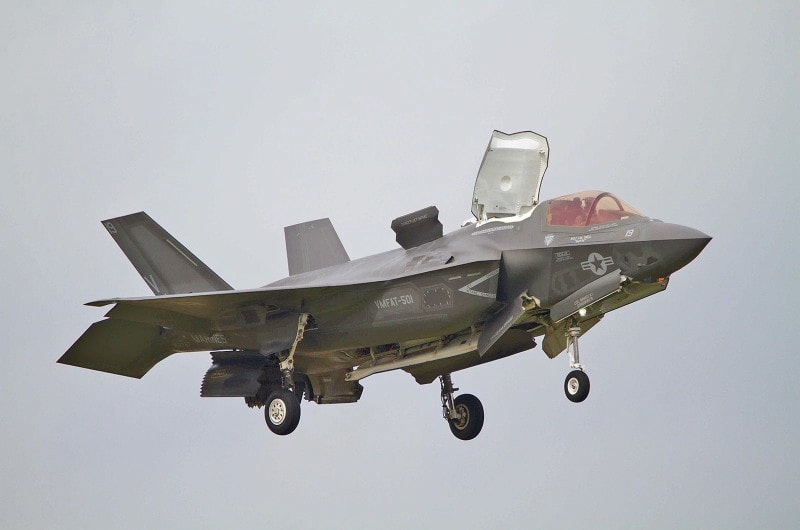
- The STOVL supersonic stealth fighter enters service:Uses an ILFPS system with a lift fan and rotating nozzles. Shorter range than the F-35A due to smaller fuel capacity. Used by the US, UK, Italy, Japan, Singapore, and South Korea.
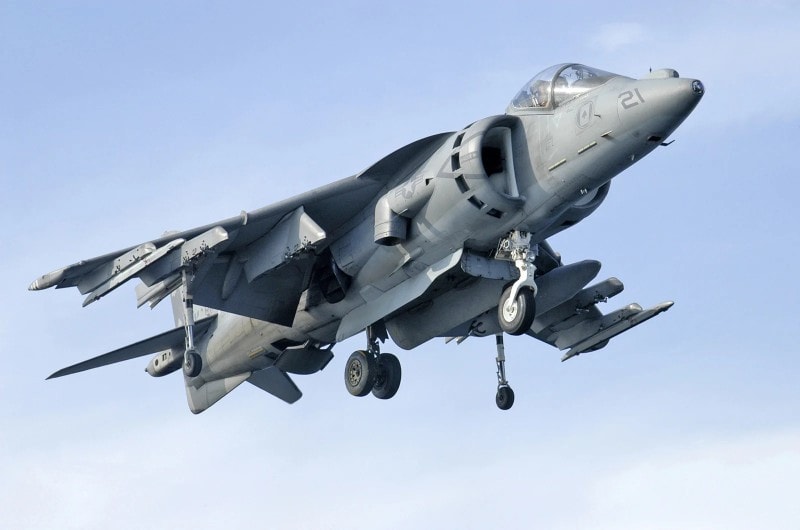
- The first VTOL model entered service (1969):Using four thrust-directing nozzles, no lift engine was needed. Served in the UK, US, and India; the Sea Harrier version operated until 2016. Laying the groundwork for the Harrier II.
Summary of key data
| Sample | Main VTOL solution | Speed/Chapter | Status notes |
|---|---|---|---|
| 1 | RB.193 + 2 lifting motors | — | Stopped in 1972 |
| 2 | "Rear seat", Rolls-Royce Avon | — | Stop after testing |
| 3 | Ejector-augmenter | 833 km/h | Two prototypes fell. |
| 4 | 2 lifting motors + 1 travel motor | — | Serviced from 1976–1991, approximately 200 units. |
| 5 | Lifting fan in the blade | — | The project was canceled. |
| 6 | Six engines arranged | Mach 1.14 (1,408 km/h) | Not for production |
| 7 | VTOL transport | — | Replaced by Fiat G.222 |
| 8 | 3D Rotating Nozzle | Mach 1.4 (~1,715 km/h) | Stopped in 1991 |
| 9 | ILFPS: lift fan + rotating nozzle | — | Currently being used in many countries. |
| 10 | 4 thrust-directing nozzles | — | Joined the army in 1969 |
Tactics and technical lessons
- Solutiondirectional nozzleThis allows for early commissioning without the need for an auxiliary lifting engine, reducing the risk of failure in case of auxiliary engine failure.
- Design for uselifting motorThis reduces flight range and payload capacity; the risk of instability due to lift engine failure has been noted during operation.
- Ejector-augmenterAnd some fan/suction duct configurations are specially designed for low thrust or difficult control, leading to accidents during testing.
- Hot gas ingestionandhigh noiseThis is an inherent challenge in VTOL configurations, especially during afterburners or prolonged vertical flight.
- Some projects are targetingtarget reconnaissanceandFrontline combat supportHowever, their overall effectiveness led to them being discontinued or replaced by cheaper and more efficient platforms.
Image