

Ukraine's Octopus and the challenge to Russian air defenses.
The Octopus interceptor UAV, developed by Ukraine, is designed to hunt Shahed-136 aircraft; Russia claims it can shoot them down, but uses expensive anti-aircraft missiles that are considered ineffective.
The Octopus interceptor drone is opening up a new class of warfare in the skies over Ukraine: using drones to hunt drones. While Russia claims it can shoot them down using various methods, the use of high-value anti-aircraft missiles to counter small, mobile, and inexpensive targets is considered technically and economically inefficient. The UAV-versus-UAV approach is seen as more suitable for the current battlefield realities.
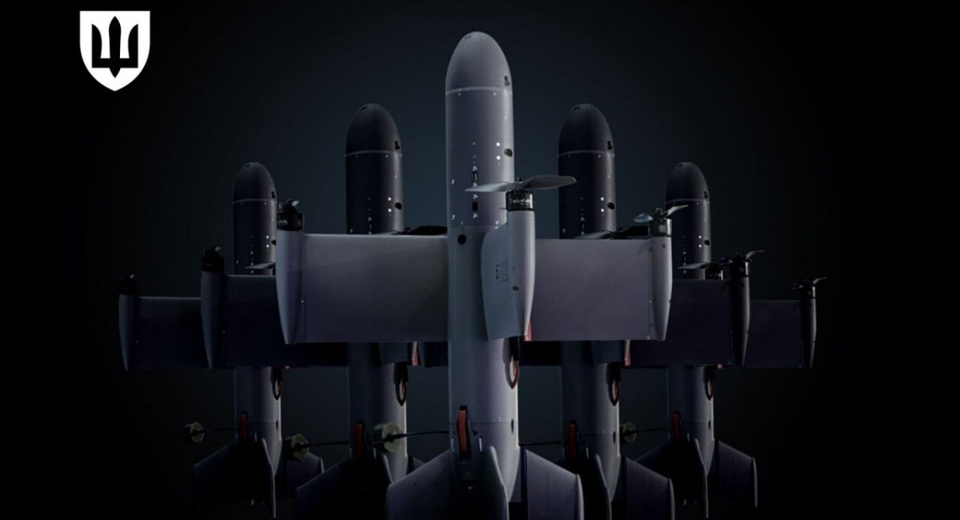
Overview and specifications have been confirmed.
According to published data, Octopus is an interceptor UAV developed by the Ukrainian Armed Forces in collaboration with British scientists and technicians as part of the Octopus Project, launched in 2024. Its design objective is to counter the Shahed-136 (also known as Geran-2) suicide drone – a low-cost, slow-flying weapon that often attacks Ukrainian infrastructure at night.
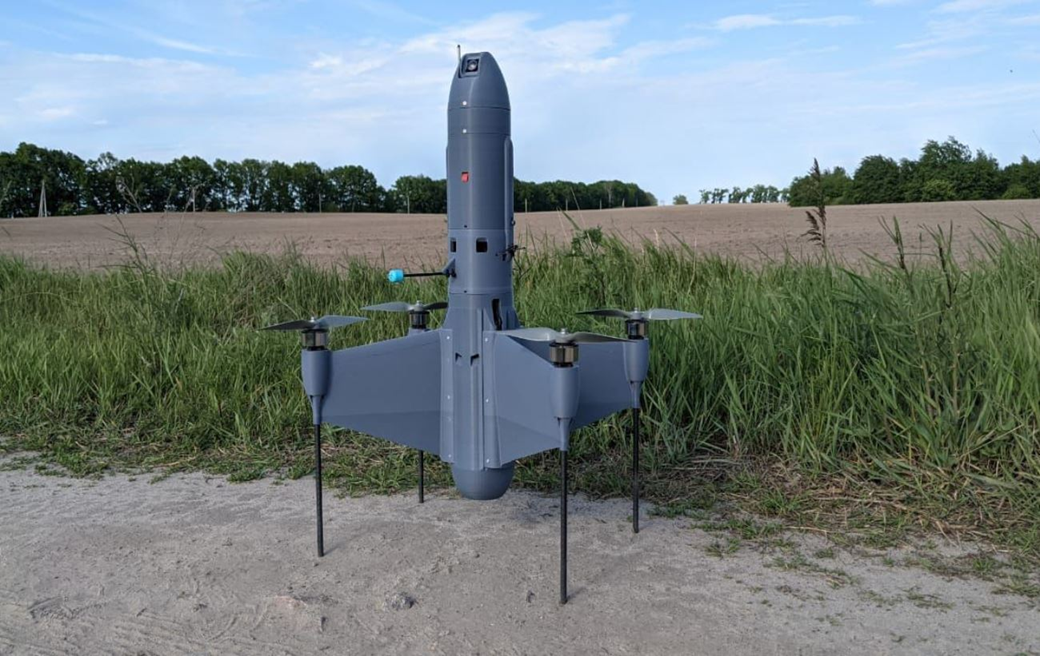
Octopus has a cylindrical body, four tail rotors, and a nose-mounted sensor; it uses image recognition for final-stage guidance to increase the probability of a hit. The system is optimized for operation at low altitudes, in electronic jamming conditions, and at night – environments where traditional radar struggles. Each unit costs only a few thousand dollars, equivalent to about 10% of the price of a Shahed, saving expensive anti-aircraft missiles for more significant threats.
Ukraine claims that Octopus has repeatedly shot down Russian drones. In November 2025, the country began mass production at three factories, with 11 others in preparation, aiming for 1,000 units per day. The UK signed a licensing agreement for production, expecting 2,000 units per month to support Ukraine.
Is Russian air defense a direct competitor?
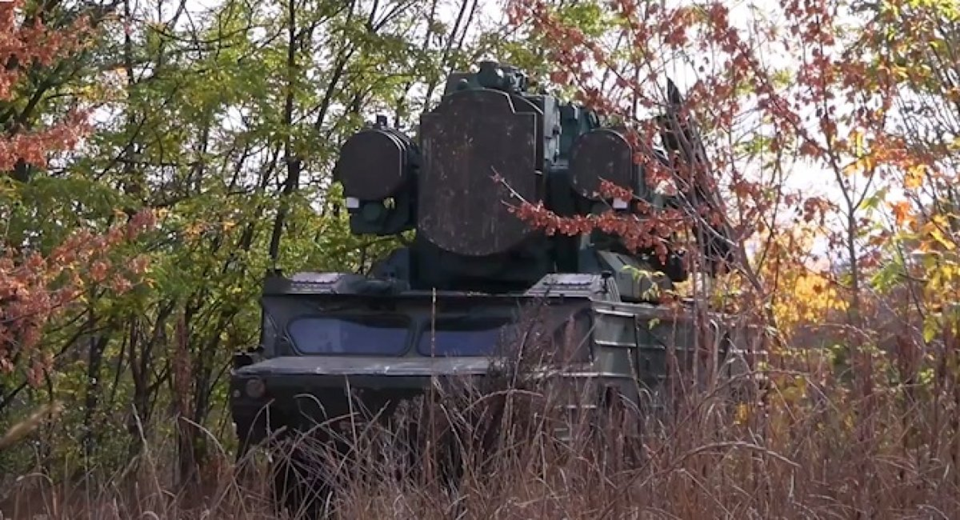
Russian media quoted retired Colonel Anatolii Matviichuk as saying that Russian forces could use their interceptor UAVs, or air defense systems such as Verba, Strela, and Pantsir, to shoot down the Octopus, and asserted that Russia "has everything it needs" to shoot down the new UAV.
However, intercepting UAVs like Octopus with existing ground-based air defense systems is not always feasible. Octopus was designed to counter long-range attack UAVs with stable trajectories; therefore, many missions may take place in areas outside the effective range of some Russian air defense systems and UAVs, especially when protecting targets deep within Ukrainian territory.
From an economic and technical standpoint, using expensive anti-aircraft missiles to shoot down small targets is an inefficient option in the context of the high density of inexpensive UAVs. In fact, Russia has used older 9M33 missiles instead of the 9M33M3 on the Osa-AKM system, demonstrating the increasing pressure on anti-aircraft missile consumption. At the same time, the small size, high maneuverability, and low radar signature of interceptor UAVs make them difficult targets for systems optimized for targets with larger radar cross-sections.
UAV vs. UAV: A Cost-Effective Choice
A more practical approach is to use UAVs to counter UAVs. Reports indicate that Russia has recently used UAVs to pursue and shoot down long-range Ukrainian drones such as the FP-1, Liutii, and E-300. This approach aligns with global trends: reducing interception costs and easing the burden on traditional air defense networks to prioritize larger and more expensive targets.
Integrating combat operations and effective conditions
The effectiveness of Octopus depends on the number of drones deployed, the training capabilities of the crews, the quality of integration with surveillance radars, and the stability of the component supply chain from Ukraine and Western partners. When deployed in clusters and linked to a suitable operational management system, the new interceptor drones can maximize their potential.
The context of escalating air combat operations.
Many areas in southern and western Russia have activated UAV alerts. On the morning of December 9th, four airports in Vladikavkaz, Grozny, Magas, and several nearby locations temporarily suspended operations for safety reasons. Rosaviatsia stated that the flight restrictions directly affected flight schedules.
Russian cities have repeatedly reported drone attacks; Moscow claims they were carried out by Ukraine, targeting oil and gas facilities and areas under Russian control, with the goal of disrupting fuel supplies and energy export revenues. Ukraine also uses drones and long-range missiles for military purposes; Ukraine claims that in a recent attack, Russia used 653 drones and 51 missiles.
Short comparison table Octopus – Shahed-136
| Criteria | Octopus | Shahed-136 |
|---|---|---|
| Role | Anti-UAV interceptor (anti-UAV) | Suicide drone attacks on infrastructure. |
| Final stage navigation system | Image recognition | Not mentioned in the source. |
| Relative cost | A few thousand USD, about 10% of Shahed's price. | Cheap |
| Operating environment | Low altitude, at night, under electronic interference. | They fly slowly and usually attack at night. |