

YS-1 stealth UAV, ALPAY mine-clearing drone, and S6 maritime drone.
China unveils YS-1 stealth UAV (550–1,000 km/h, RCS 0.01 m²); Türkiye launches ALPAY to open a 10×100 m corridor; US-South Korea cooperate to develop S6 underwater drone.
The article highlights three notable developments: China announced the YS-1 high-speed stealth UAV with an RCS of 0.01 m² and a cruising speed of 550–1,000 km/h; Türkiye introduced the ALPAY mine-clearing module to open a 10 m × 100 m corridor using C4 explosive cord; and Hanwha partnered with Vatn Systems to develop the low-cost Skelmir S6 underwater drone fleet for the US Navy.
China unveils the YS-1 high-speed stealth UAV.
According to China3Army, Shenyang Aircraft Corporation has just introduced the YS-1 (Yangxian-1) – a high-speed stealth UAV aimed at reconnaissance, precision attack, electronic warfare, and radar deception missions. This model is positioned for operation in densely defended airspace.
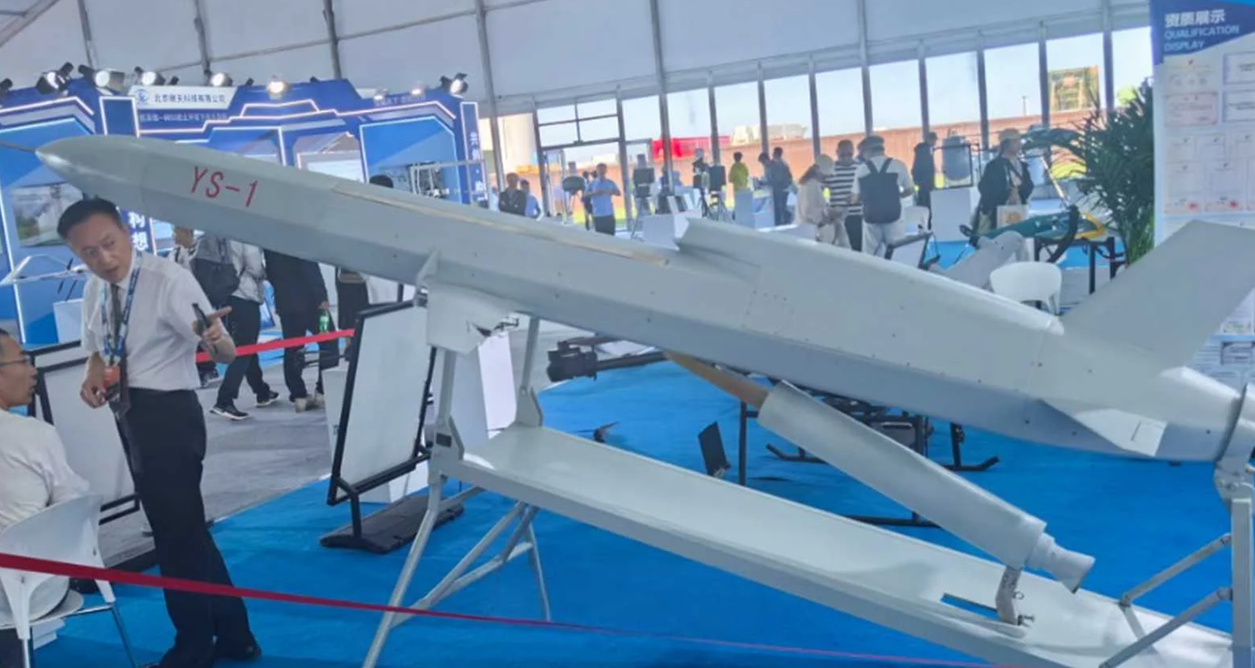
The published specifications
| Parameter | YS-1 |
|---|---|
| Length | approximately 4.5 meters |
| Wingspan | 2 meters |
| Maximum takeoff weight | approximately 260 kg |
| Flying ceiling | 5,000 – 10,000 meters |
| Cruise speed | 550 – 1,000 km/h (depending on altitude) |
| Operating range | 500 km |
| Flight time | about 1 hour |
| Load | approximately 30 kg |
| Radar cross-section (RCS) | 0.01 m² |
Deployment and tasks
- Deployment:Launched from a rail-based ground-based launch platform or catapult, no runway required; a parachute recovery module is optional.
- Guide:It integrates Beidou, GPS, and inertial navigation; programs 3D trajectories with up to 255 points, and automatically adjusts altitude, speed, and evasive maneuvers when approaching a target.
- Load equipment:Narrow aperture radar, electro-optical sensors, jamming devices or decoys; suitable for small explosive warheads in a limited precision strike role.
The appearance of the YS-1 demonstrates the expansion of China's UAV supply chain, connecting everything from the airframe and engine to sensors and weapons, thus shortening the time it takes to assemble the product. The YS-1 adds a class of tactical UAVs, supporting a diverse network of unmanned combat aircraft in terms of quantity and type.
Türkiye introduces the ALPAY mine clearance system.
MKE announced ALPAY – a rocket-propelled explosive wire module designed to create breakthroughs through densely mined areas. In the context of recent conflicts that have revived "mine warfare," this domestically produced solution is considered strategically significant by Ankara.
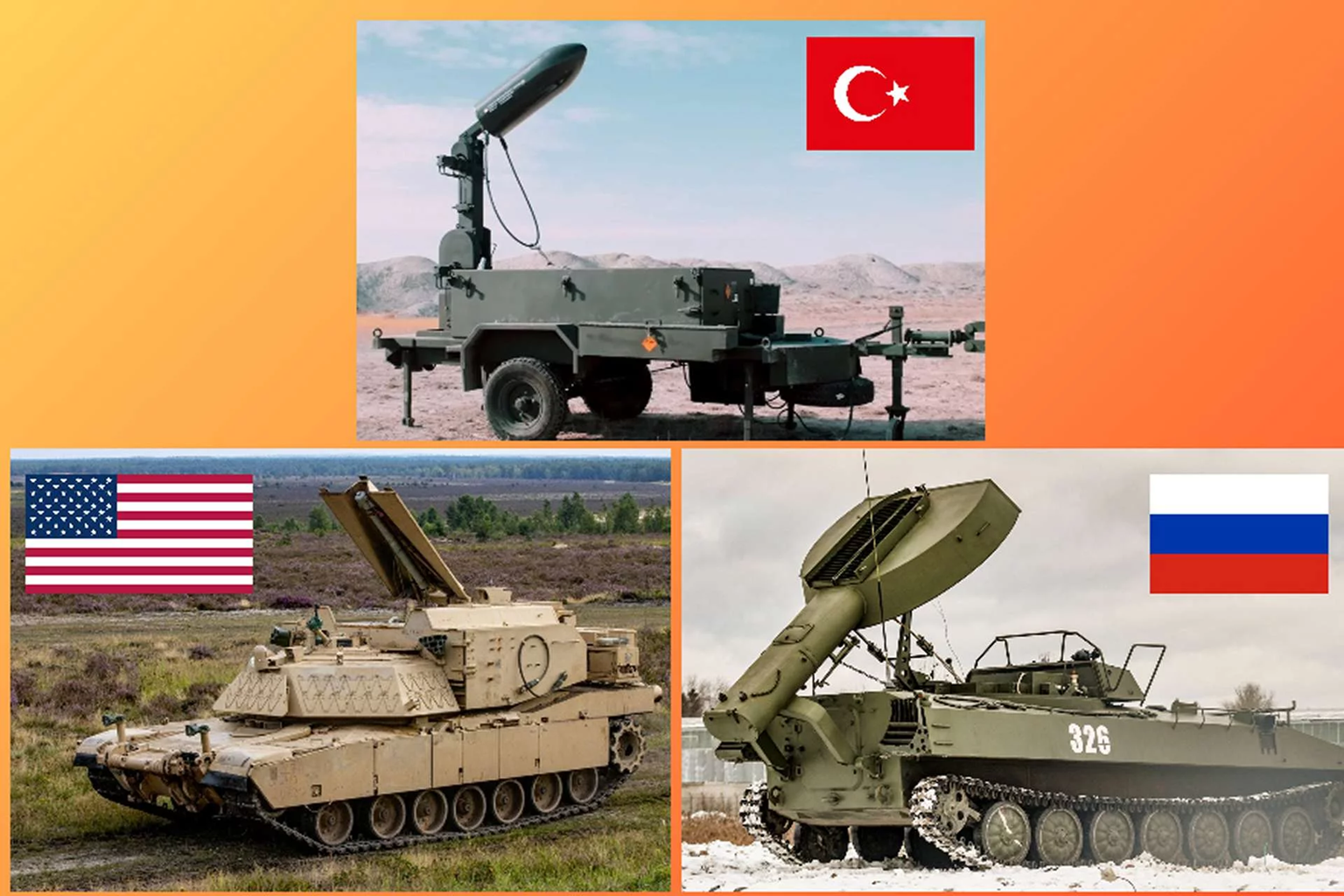
Technical configuration and deployment
- Fuse:400 kg of C4; open corridor 10 m × 100 m; declared decontamination rate of 99%.
- Launch the detonator:Using a missile, the range is approximately 200 meters in front of the launch pad.
- System architecture:The module is trailer-mounted and towed by an armored vehicle, tank, or military truck; two soldiers deploy and prepare in approximately 15 minutes; it operates in all weather conditions.
ALPAY has been used in several Turkish combat zones, countering both anti-tank and anti-personnel mines. Because it doesn't rely on expensive specialized chassis, the system can be quickly integrated onto a variety of vehicles and offered to international partners, including those in mine-contaminated areas like Ukraine or peacekeeping missions.
Compared to major US and Russian platforms, ALPAY is positioned in the "middle ground": comparable breakthrough efficiency, but with lower costs and logistical requirements.
US and South Korea develop low-cost underwater drone fleet.
Hanwha has signed an agreement with Vatn Systems to develop low-cost autonomous underwater drones for the US Navy. According to Reuters, this is part of a strategy to rapidly increase the number of unmanned underwater vehicles amid China's naval expansion in the Indo-Pacific.
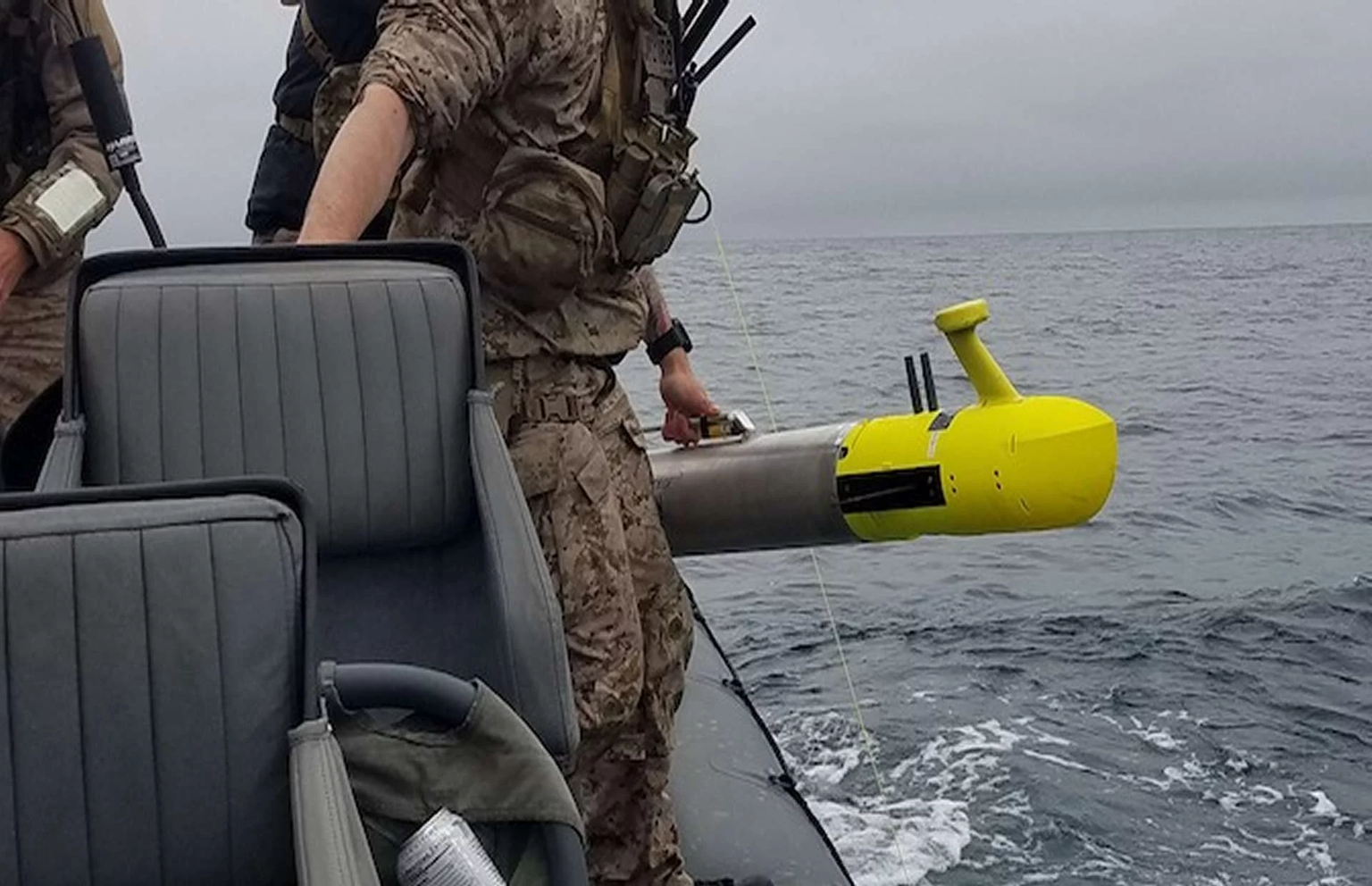
The Skelmir S6 platform and swarm tactics.
- Skelmir S6:Small module, weighing 22–25 kg; 15 cm in diameter; carrying 4.5–9 kg of payload; maximum speed 20 knots (37 km/h); diving depth 100 m.
- Control – coordination:The software allows a person to track hundreds of devices via the Android TAC interface; launched from submarines, surface vessels, small boats, the coast, or aircraft.
- Load – task:explosive devices, sensors, jamming equipment, or cyber warfare modules.
- Expense:At approximately $75,000 per unit, they are intended for large-scale deployment to overwhelm surveillance systems, blockade narrow routes, conduct underwater ambushes, or track submarines using consumable sensors.
Production and scaling up
Hanwha participated in Vatn's $60 million funding round, leveraging its expertise in submarines, mine-clearing equipment, and unmanned maritime platforms. With its US facility (Philly Shipyard), Hanwha plays a role in expanding the production capacity of the Skelmir S6 for the fleet.
Technical perspective
- Dense airspace:The YS-1 combines high cruising speed with an RCS of 0.01 m² and multi-layer guidance, making it suitable for short-range penetration missions, radar deception, and electronic warfare support.
- Minefield breakthrough:ALPAY offers a modular configuration, reducing ownership and logistics costs while still achieving a 10 × 100 m corridor specification.
- Quantity and cost:The Skelmir S6 focuses on high deployment density and centralized control, making it suitable for a low-cost underwater "swarm" model.