

The unwritten law of pickleball: court culture over scores.
Besides the constantly updated official rules, pickleball also operates on unwritten rules of conduct. One Reddit thread that attracted over 300 comments, according to The Dink, shows that even seasoned players are surprised by this.
Pickleball may seem "easy to play," but it's also the sport most prone to controversy when it comes to its gray areas: spin serves, deliberately hitting the ball over the opponent's head, serves aimed at players near the net, or situations around the no-volley zone. The official rules are constantly being updated, leaving many players feeling like they're always missing a "handbook."
But what truly shapes the experience on the court—and keeps doubles matches from turning into a brawl—lies in a system of “unwritten rules”: norms of conduct that the community follows almost naturally. On Reddit, a thread about “pickleball unwritten rules” posted a few weeks ago attracted over 300 comments, according to The Dink. Notably, many veteran players admitted they only realized these rules after being reminded of them on the court.
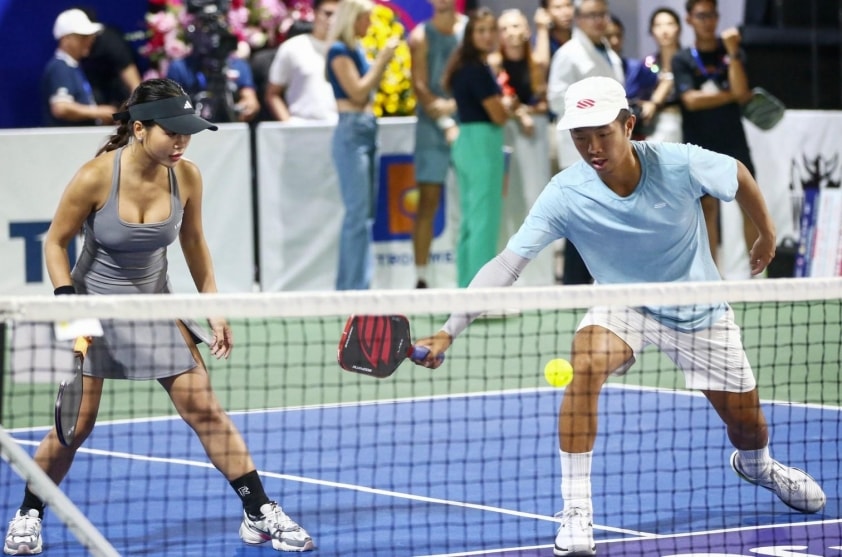
Unwritten rule number one: Don't teach someone until they ask.
The most frequently cited rule is "tactical" in a social sense: don't give advice unless asked. The account Emergency_Station_15 quotes a coach as saying, "Don't teach someone on the court if they don't ask for it."
It may sound like a small thing, but this is the difference between a friendly, collaborative match and a frustrating "scoring" session. Pickleball prioritizes a relaxed atmosphere; ill-timed feedback can disrupt your opponent's rhythm (or even your partner's), leading to a defensive mindset and turning subsequent rallies into tense confrontations rather than actual competition.
Greeting rituals and how to "regulate" the game when there's a skill disparity.
User Voidwalker13 highlighted the habit of asking each other's names before a match—a detail that creates a sense of closeness rarely seen in other combat sports. In pickleball, where the number of matches in a single session can be high and opponents change constantly, greetings and calling each other by name help to "cool down" the competition, reducing the risk of conflict in sensitive situations.
In matches with significant skill differences, there's a consensus that more shots should be directed towards the stronger player to maintain balance. This kind of "adjustment" isn't explicitly stated in the rules, but it improves the quality of the game: rallies last longer, the weaker player isn't constantly exploited, and the stronger player still has to solve the problem of handling the ball under pressure instead of just "harvesting" points.
Avoid hitting people directly, especially the elderly.
Other opinions emphasize limiting direct shots to opponents, especially older opponents. Pickleball remains a game of technique, positioning, and cunning, but the community values the line between "aggressive play" and "disrespectful play."
The overarching message in the commentary is: winning a point isn't as important as maintaining the atmosphere true to the spirit of the sport.
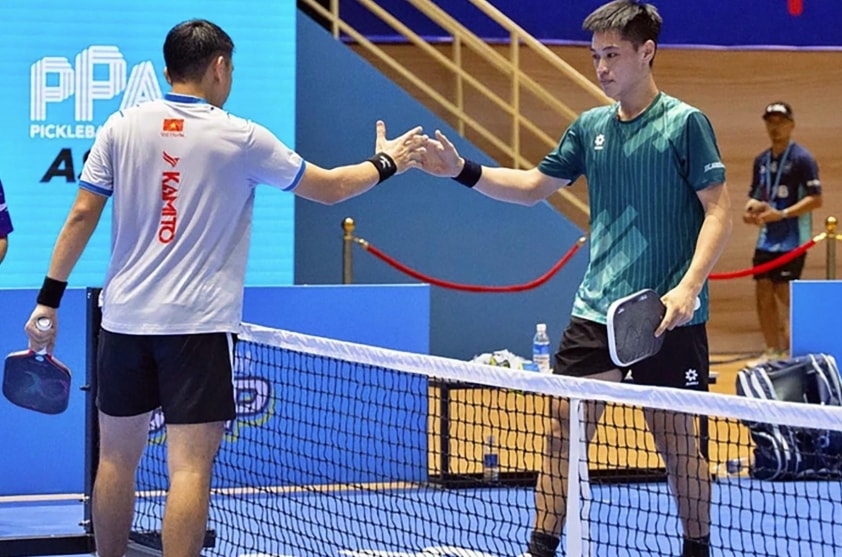
Handling scores and disputes: prioritize the pace of the game.
The spirit of fairness in pickleball is also reflected in how scores are handled. "Everyone gets the score wrong," wrote user 90day111, advising that you should wait until the play is finished before correcting the score, instead of arguing midway through.
This is a "tempo principle": stopping the game at the right time to maintain accuracy, but without disrupting the game with arguments. In doubles matches, just one ill-timed interruption can disrupt the feel of the ball for all four players, especially when the match is decided by short runs of points and shots near the net.
Other rules: don't celebrate mistakes, don't serve when your opponent isn't ready.
In addition to the highlights mentioned above, the pickleball community also implicitly agrees on many other standards, revolving around a common value: respecting opponents and protecting the shared experience.
- Don't celebrate when your opponent makes a mistake.
- Do not serve until the receiver is ready.
- Avoid serving too powerfully to "show off" to new players.
- The winner gets priority in placing their racket on the shelf first.
- If you can't clearly see whether the ball is going in or out, make a decision that benefits the opponent.
Why are "unwritten rules" important in pickleball?
While official rules can be updated over time, "unwritten rules" act as the glue of the community: they reduce controversy, maintain the pace of the game, and create a friendly enough environment so that newcomers don't leave the field after a few stressful experiences.
With pickleball, the score is still the destination. But how you get there—from your pre-match greeting, your target selection in an uneven match, to yielding advantage when uncertain—is what determines whether you get invited to play again.
| Unwritten law | Purpose |
|---|---|
| Do not offer feedback without being asked. | Maintain a relaxed atmosphere and avoid unnecessary stress. |
| Wait for the play to finish before adjusting the score. | Maintain the rhythm of the game, reduce mid-match arguments. |
| If it's uncertain whether the ball is out or in play, the ruling favors the opponent. | Promoting fairness and reducing conflict. |
| Do not celebrate your opponent's mistakes. | Maintain respect and uphold the spirit of community. |