

Nghe An focuses on developing a safe food chain.
Ensuring food safety is one of the top priorities for Nghe An province. As a specialized management agency, the Nghe An Sub-Department of Quality, Processing and Market Development has actively implemented comprehensive solutions, focusing on building and developing safe food supply chains.
Improving quality from the production and processing stages.
In recent years, Nghe An's agricultural sector has maintained a key role in socio-economic development, with the area and production of many key crops such as rice, corn, tea, oranges, and vegetables remaining basically stable. However, traditional production methods are still prevalent, with small-scale and fragmented operations resulting in low added value and difficulty competing in the market.
Building safe food supply chains for agricultural, forestry, and aquatic products is extremely important in protecting consumer health and contributing to raising awareness of food safety among organizations and individuals involved in production and business. At the same time, it helps management agencies identify key stages in monitoring, inspection, and enforcement activities to improve efficiency and strengthen coordination in food safety management. The monitored model ensures that production, processing, and business establishments participating in the chain can provide consumers with safe products.
To build a successful safe food chain, the Sub-Department of Quality, Processing and Market Development identifies the initial production stage as one of the most important. "Food safety management must be implemented throughout the entire food production and business process based on risk analysis. Therefore, building and developing safe food chains 'from farm to table' is a groundbreaking and sustainable solution to effectively manage food safety quality while meeting consumer needs," shared Mr. Nguyen Van Ha, Head of the Sub-Department.
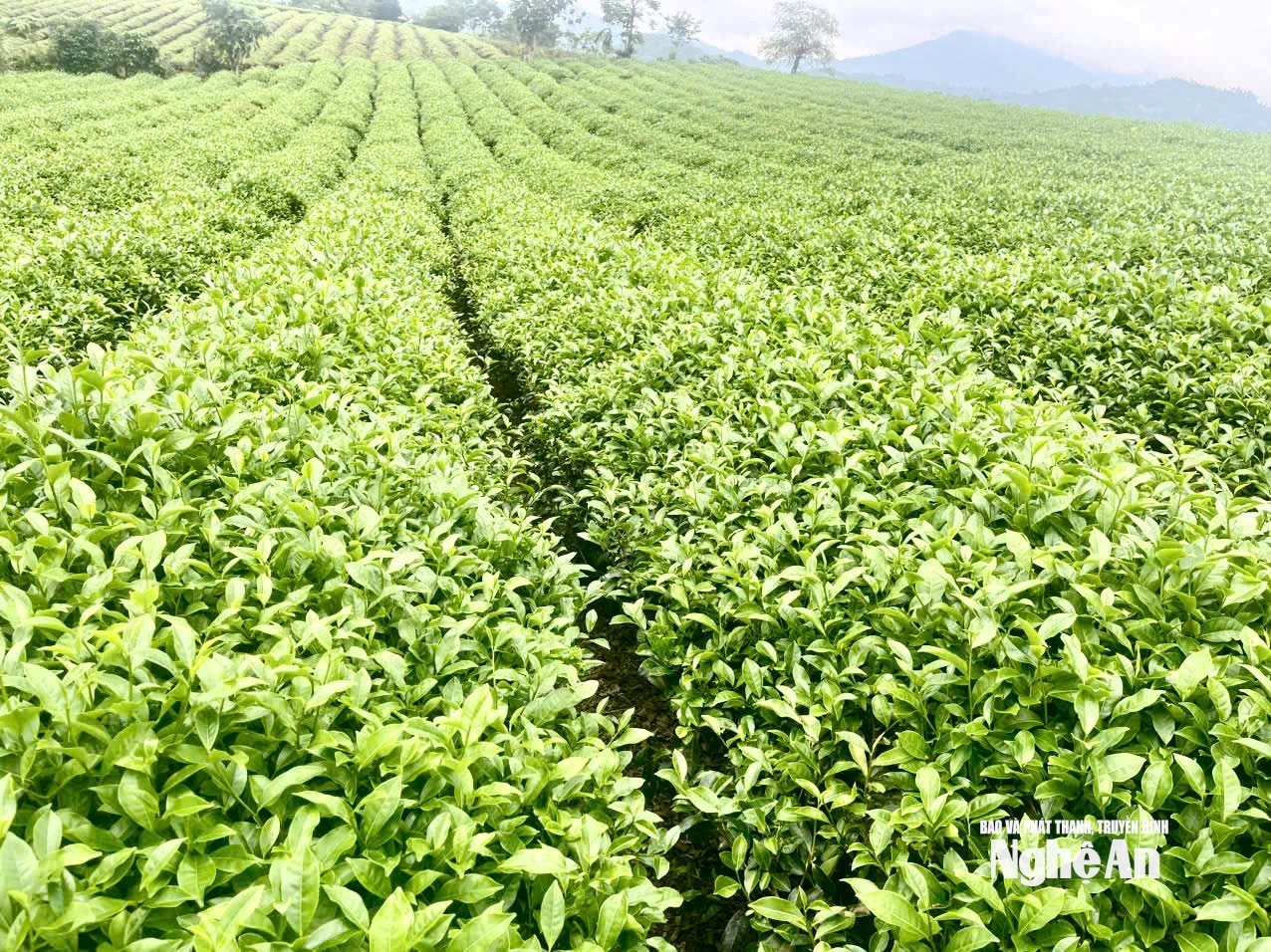
Given the current production practices, the application of Good Agricultural Practices (VietGAP) is considered essential to improve product quality. VietGAP not only helps farmers change their farming practices towards a more scientific approach, better controlling the use of fertilizers and pesticides, but also reduces environmental pollution and limits pest outbreaks.
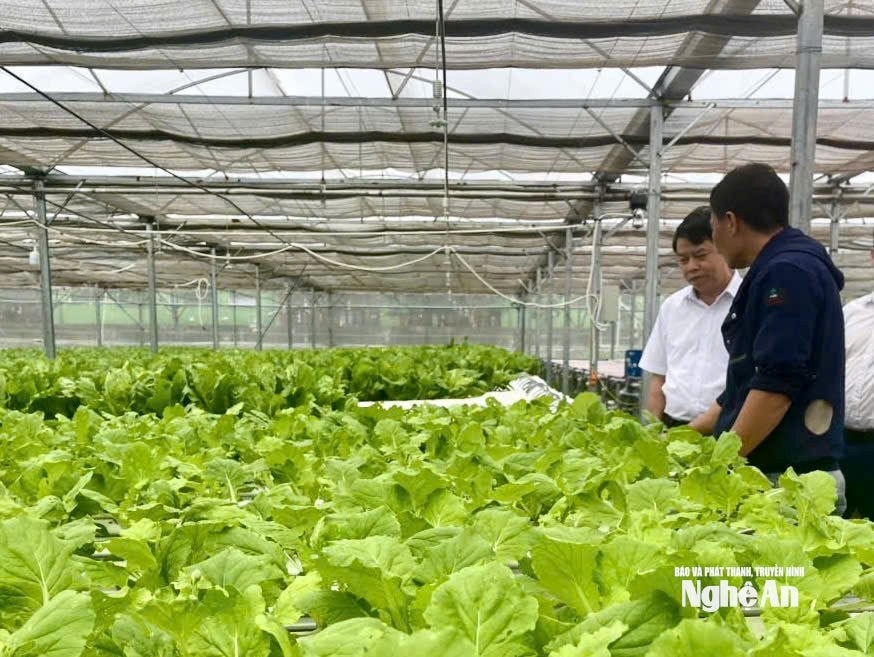
More importantly, VietGAP-certified products enhance reputation and create advantages when accessing modern distribution systems and export markets. In fact, vegetable, fruit, tea, and orange production models according to VietGAP standards have yielded outstanding economic results, increasing income by 1.2-1.5 times compared to conventional production. It can be affirmed that VietGAP is both a solution to improve the quality of agricultural products and a driving force to promote agricultural restructuring towards modernization, sustainability, and the building of local brands.
Since the beginning of the year, the Sub-Department has focused on building models to ensure food safety, such as a model of growing 7.9 hectares of tea according to VietGAP standards in Con Cuong commune (supported for the construction of 6.2 hectares in 2024); 50 hectares of VietGAP pineapples in Quynh Thang commune; 5 hectares of VietGAP rice in Anh Son Dong commune; and 2,500 m2 of VietGAP vegetables and fruits in Thuan Trung commune. During the year, the unit also built three models for preliminary processing and processing of agricultural, forestry, and aquatic products according to HACCP standards, including a vegetable and fruit processing model in Truong Vinh ward, a rice processing model in Yen Thanh commune, and a seafood processing model in Quynh Mai ward. These are key products, suitable to the natural conditions and agricultural development orientation of the province.
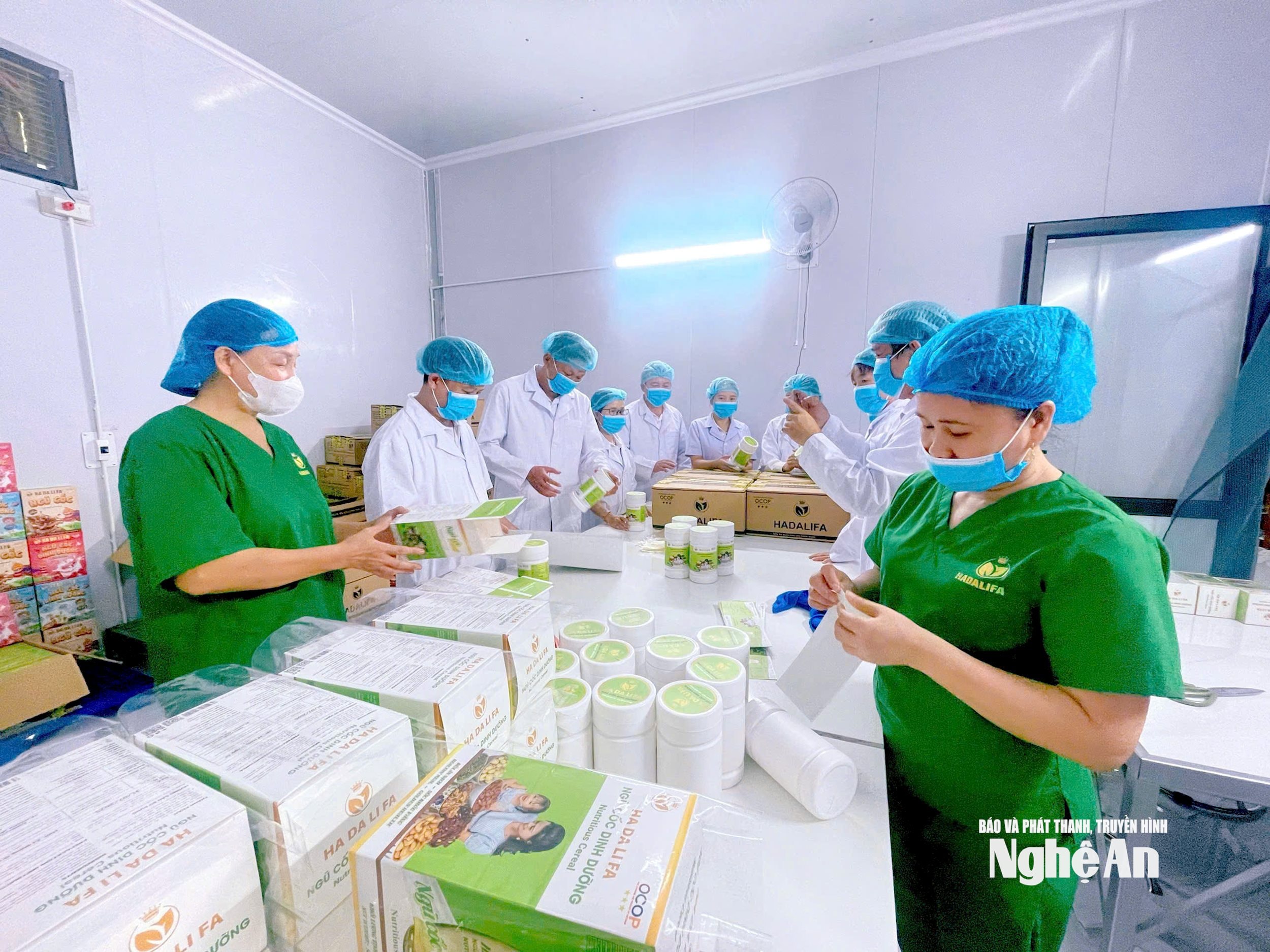
The transfer of meat processing and meat product technology at Mamifarm Co., Ltd. (Phuc Loc commune) is a model implemented by the Sub-Department of Quality, Processing and Market Development over the past year. This aims to overcome the limitations of most meat processing facilities, which, despite high market demand, remain small and medium-sized, lacking advanced technologies, and producing products with limited variety, shelf life, and competitiveness compared to larger brands.
Mr. Nguyen Thai Tuan, Head of the Professional Department of the Sub-Department of Quality, Processing and Market Development, stated: Mamifarm Co., Ltd. lacks modern processing technology; most stages are manual, and the process is not standardized, making it difficult to expand its scale; its products lack professional packaging and branding, have not registered trademarks, and do not have a systematic marketing strategy; it mainly sells locally and has not penetrated major distribution channels such as supermarkets and organic food stores, and faces difficulties in implementing quality declaration and product testing procedures.
To help the company overcome these problems, the Sub-Department conducted training on technology transfer regarding meat processing procedures according to GMP, HACCP principles, food safety risk prevention, and supported the development and monitoring of the process in practice; assisted in designing labels and printing product stamps, and building local specialty brands… To date, the company's products are available in Nghe An, Ha Tinh, Thanh Hoa, and Hanoi, participating in trade fairs throughout the year, and signing contracts with 5 supermarkets and 12 convenience stores.
After receiving support, we have now standardized our production process according to GMP and HACCP standards. Product shelf life has increased by an average of 20-30%, product quality is consistent, and sensory defects have been reduced.
Tran Thi Thu Hang, Director of Mamifarm Co., Ltd.
Enhance the application of advanced production processes.
Over the past period, the Sub-Department of Quality, Processing and Market Development has focused on supporting cooperatives, farms and businesses in the province to apply advanced production processes such as HACCP/ISO, helping large-scale processing facilities achieve these standards to control safety hazards during processing and preservation.
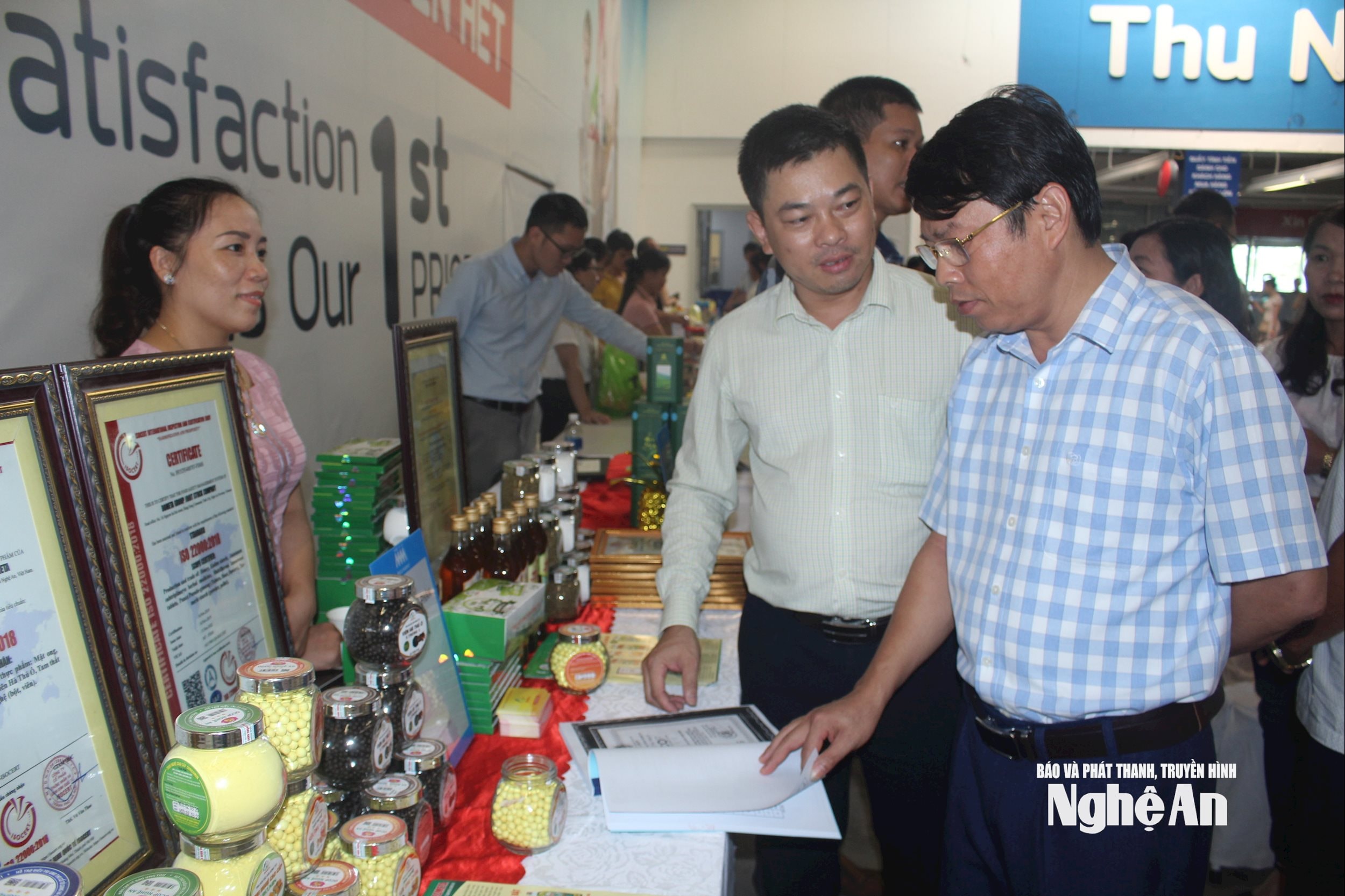
The Sub-Department has focused on supporting businesses and production and processing facilities in agriculture, forestry, and fisheries by providing hundreds of thousands of labels, packaging boxes, and bags for products, as well as thousands of vacuum-sealed bags; developing software for traceability; and designing and providing hundreds of QR codes to production facilities to enhance management, traceability, value enhancement, and product promotion. Many agricultural products from Nghe An, such as Vinh oranges and OCOP products, have received support in brand development to increase their competitiveness.
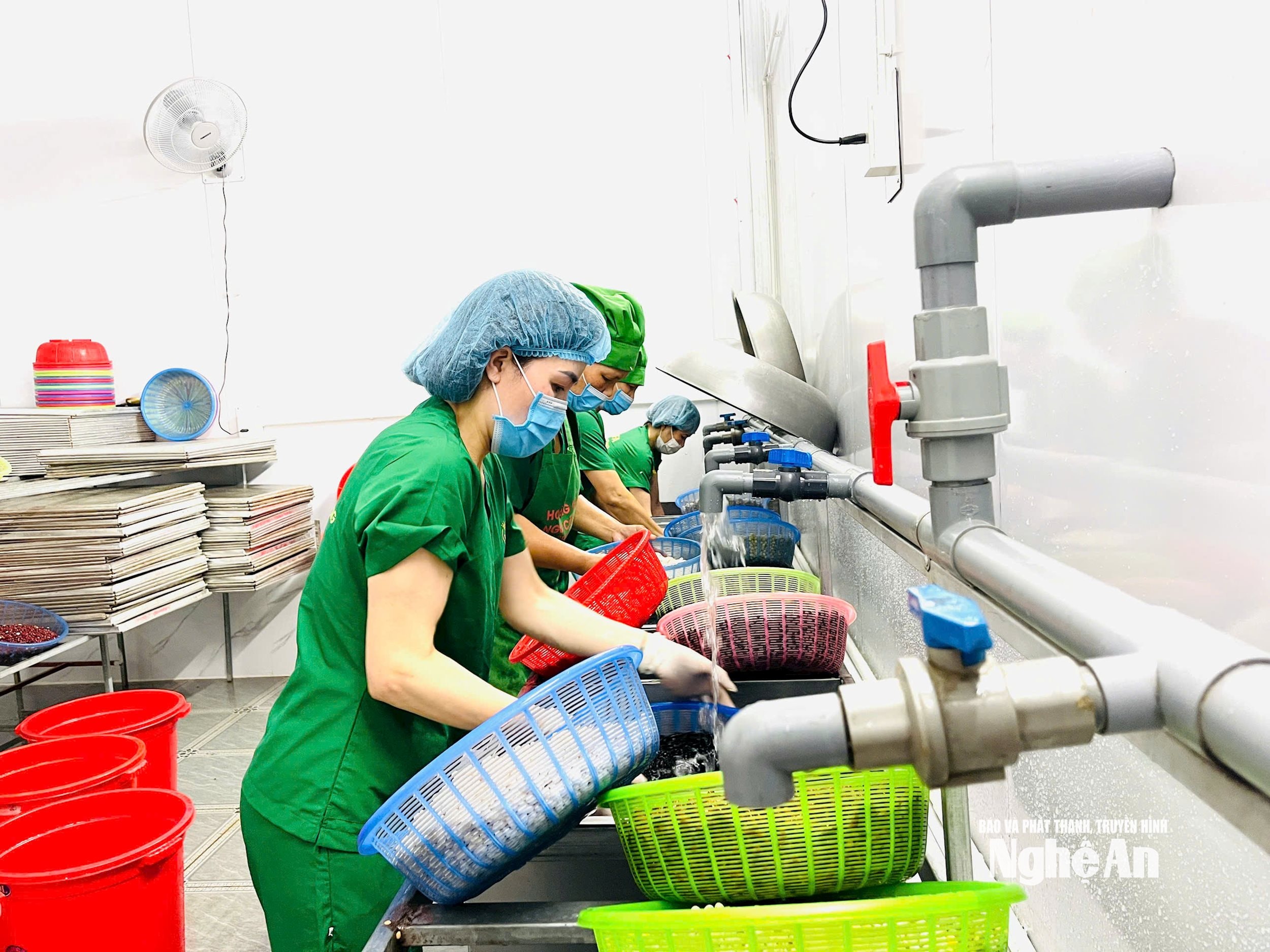
Photo: Thai Tuan
According to Mr. Nguyen Van Ha, Head of the Sub-Department, this will be a focus for the unit, especially given the stringent regulations on food safety and hygiene, technical barriers, and the influx of agricultural products from other countries into Vietnam as the country integrates more deeply into the global economy. Furthermore, as consumers shift from purchasing products at traditional markets to buying controlled products at supermarkets, the issues of brand building, labeling, and product origin also need to be given serious attention.

Photo: Thai Tuan
"In the coming time, the Sub-Department of Quality, Processing and Market Development will continue to support agricultural, forestry and aquatic product processing facilities in improving product quality, controlling food safety, investing in labels and packaging, promoting products, and transforming the current small-scale traditional production methods into a linked model, creating a value chain for goods," Mr. Nguyen Van Ha said.
Traditional, small-scale, household-based production will be replaced by integrated production chains to facilitate control, create transparency, and enhance product value. This is the inevitable trend we are moving towards.
Mr. Nguyen Van Ha - Head of the Quality, Processing and Market Development Sub-Department of Nghe An Province