

Nvidia may cut GPU production by 40% due to the DRAM crisis.
The DRAM crisis is projected to cause Nvidia to cut its gaming graphics card production by up to 40% in the first half of 2026, potentially triggering a new GPU shortage.
Nvidia is reportedly preparing for a production cut of up to 40% in GeForce RTX gaming graphics cards during the first half of 2026. This move stems from the ongoing DRAM crisis, which threatens to cause a new GPU shortage in the global market.
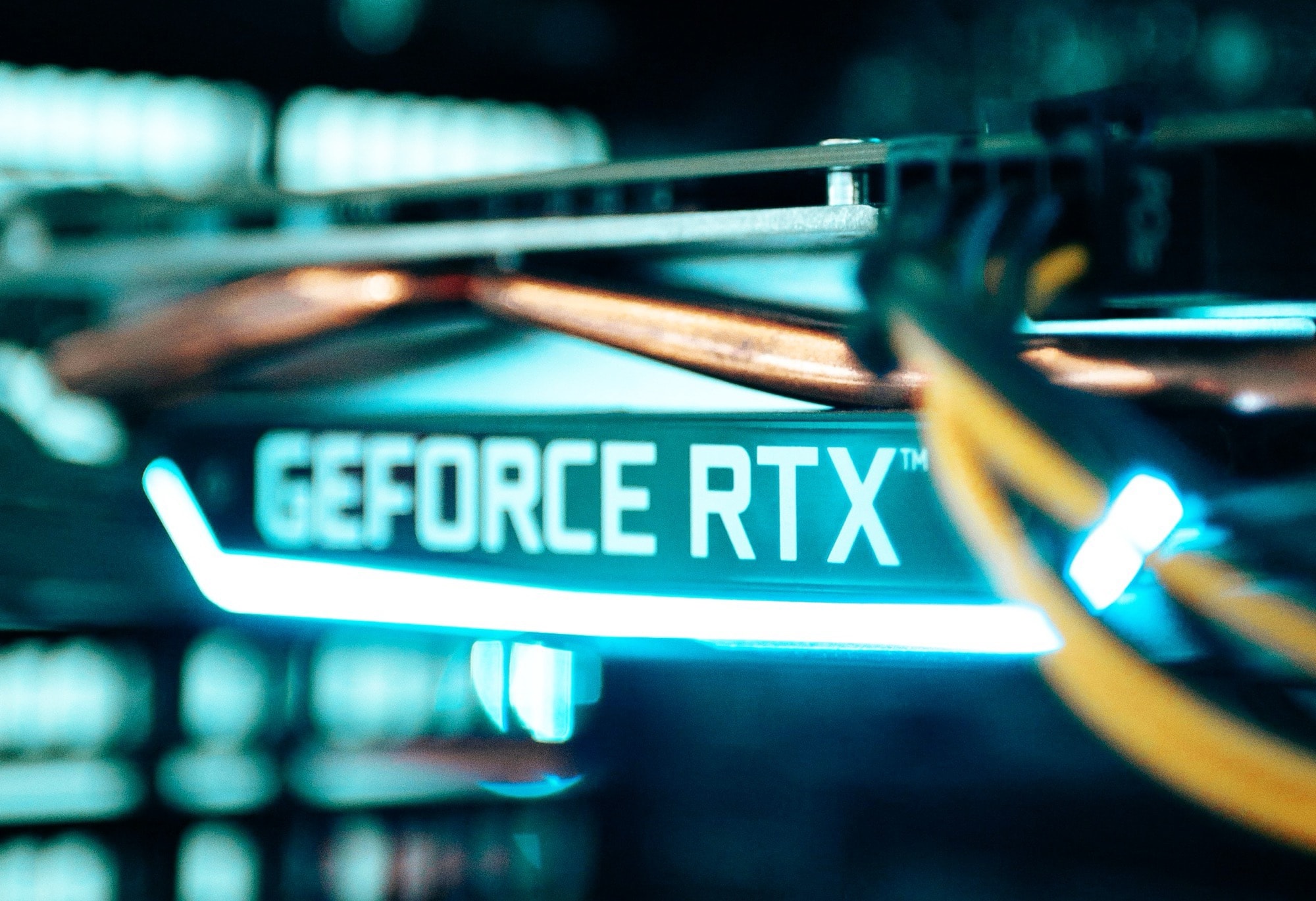
The DRAM crisis and its ripple effects.
According to reports, the dynamic random-access memory (DRAM) supply crisis is the main reason behind Nvidia's decision. Modern graphics cards, especially high-end products, require a large amount of high-speed VRAM to handle complex graphics tasks. When DRAM supply is tight, production costs increase and securing enough components for the assembly line becomes difficult.
This situation has begun to affect the company's latest products. The GeForce RTX 5000 Super graphics card line and laptop GPUs are believed to be among the first victims of the crisis, facing challenges in securing the necessary DRAM supply.
Size of cuts and forecast for the market
A 40% reduction in production is a significant figure, highlighting the severity of the problem Nvidia is facing. This plan is expected to be implemented in the first six months of 2026. If this scenario unfolds, consumers, particularly gamers and content creators, could face shortages and price increases similar to previous GPU crises.
A supply disruption from one of the world's largest GPU manufacturers will undoubtedly create a significant gap in the market. This will not only affect retail prices but also impact original equipment manufacturers (OEMs), who rely on a stable supply from Nvidia to produce gaming PCs and professional workstations.