

PicPak: Color E-ink display, 400 days without charging.
PicPak is a smart display using color E-ink technology, impressive with its record-breaking battery life of 400 days. The device can display images, news, and personal information.
A new smart display called PicPak has just been introduced, boasting the ability to operate continuously for 400 days on a single charge. This product uses color E-ink panel technology, aiming to display static information such as images, news, and schedules without consuming much energy.
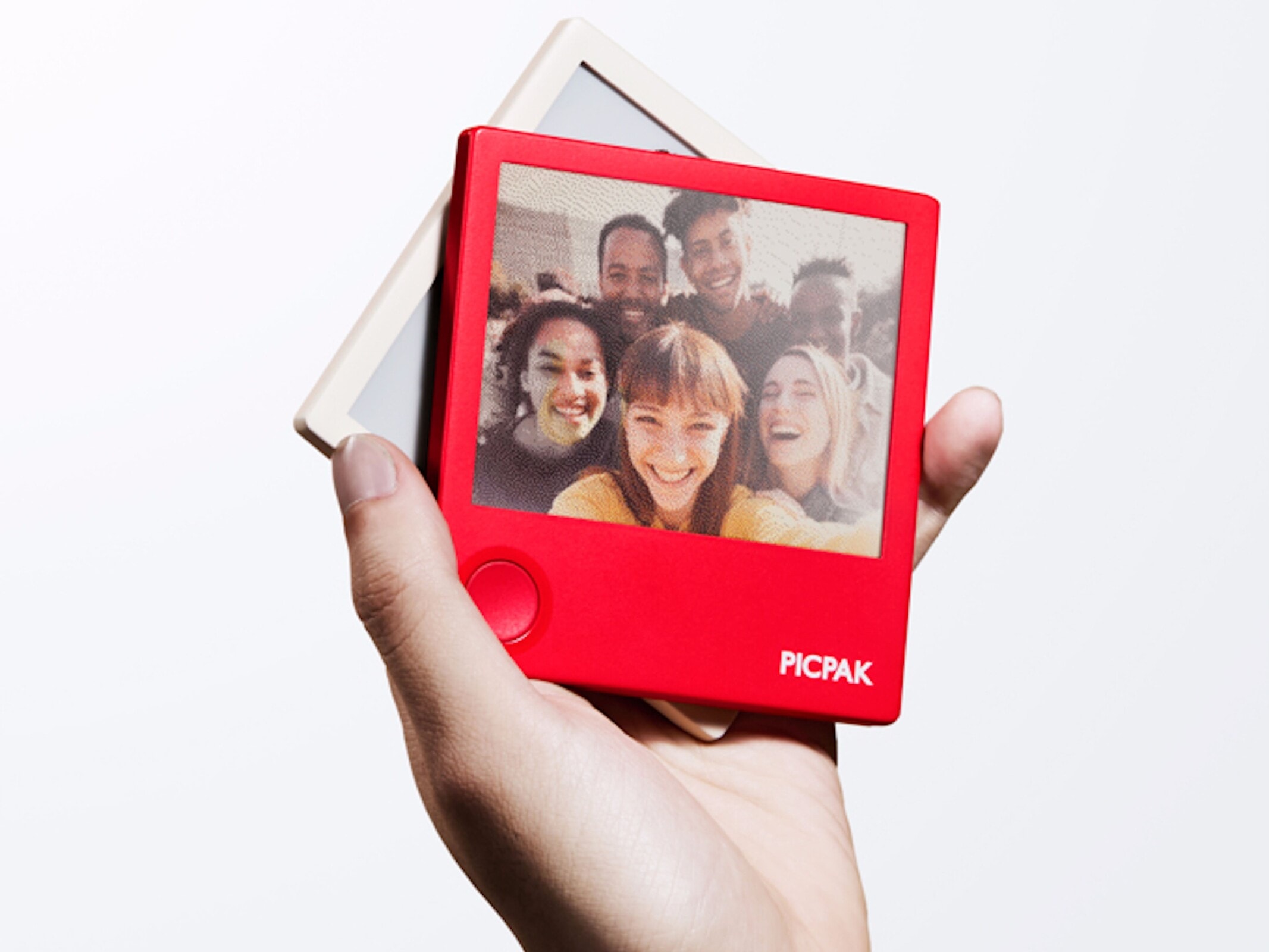
Key highlight: Battery life of over a year.
PicPak's outstanding advantage is its impressive battery life, lasting up to 400 days. This is thanks to the properties of E-ink technology. Unlike LCD or OLED screens, which must continuously illuminate to display images, E-ink screens only consume energy when the content changes. Once an image is displayed, it can maintain that state without needing to use power.
This technology makes PicPak an ideal device for applications that don't require frequent interaction, such as an always-on digital photo frame, a family bulletin board, or a calendar and weather display in an office.
Color E-ink technology and its practical applications.
PicPak uses an E-ink panel capable of displaying color, allowing for more vivid reproduction of images and graphic information compared to traditional monochrome E-ink screens. Although the color range and vibrancy cannot compare to LCD screens, the advantage of E-ink is that it provides a reading experience similar to reading on paper, without causing eye strain and displaying clearly in bright light.
As a result, PicPak can be used for many different purposes:
- Digital photo frame:Automatically change family photos or artwork.
- Personal bulletin board:Display news, weather forecasts, appointments, or to-do lists.
- Information display device:Suitable for public spaces or shops to display announcements, menus, or product information.
According to the manufacturer, PicPak is currently being offered at a promotional price during its launch phase, giving users the opportunity to experience this energy-efficient display technology early.