

Thinking from the perspective of "street races"
Young people need space to express themselves, but not by challenging the law and endangering lives. Social media can be a tool for creativity and connection, but it can also become a distorted mirror if there is a lack of guidance.
Phuoc AnhDecember 22, 2025
---------------o0o---------------
A Facebook user shared:“This is a picture from 2 AM on Sunday night on the street in front of my house. It was bustling with people watching races, accidents, and TikTok live streams. After going to the market to buy supplies, it took me 15 minutes to get over my fear before I dared cross the street and get home. I'm not generalizing; every young person has their mischievous moments, but my time was very different. Perhaps it was partly because we weren't yet influenced by social media, social groups, or the 'eyes watching'... Now, most cafes are short of staff, especially for the morning shift, because the young people are busy sleeping during the day and working at night.”
The post received over 1,000 likes, with many comments agreeing and sharing personal observations and experiences about this troubling issue on the streets: “At 1 AM, I still see these people live-streaming TikToks on the street,” “Every night I see them live-streaming chasing each other,” “I wake up every night because of these people; the noise from their motorbikes keeps startling me while I sleep…”
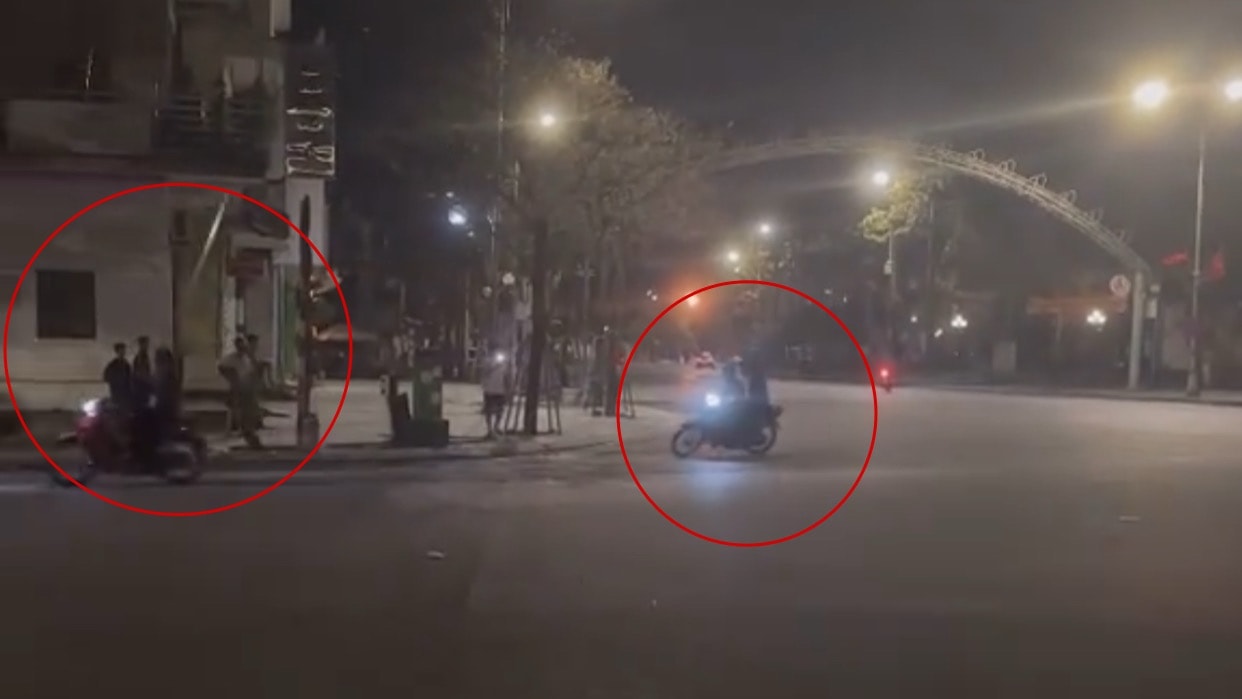
Indeed, behind the "noise" and "liveliness" displayed on phone screens lies the very real anxiety of those living around us. Teenagers, in their "teenage years," form groups to perform stunts and chase each other through the streets at midnight seeking momentary excitement, and conveniently having "content" to post on social media to show off. Even more terrifying is that even if an accident occurs, their fellow racers will film it up close to attract viewers.
The terrifying thing isn't just the roaring engines tearing through the night or the heart-stopping stunts, but the feeling that all boundaries are blurring: the line between fun and recklessness, between self-expression and disregard for life, between personal freedom and community safety.
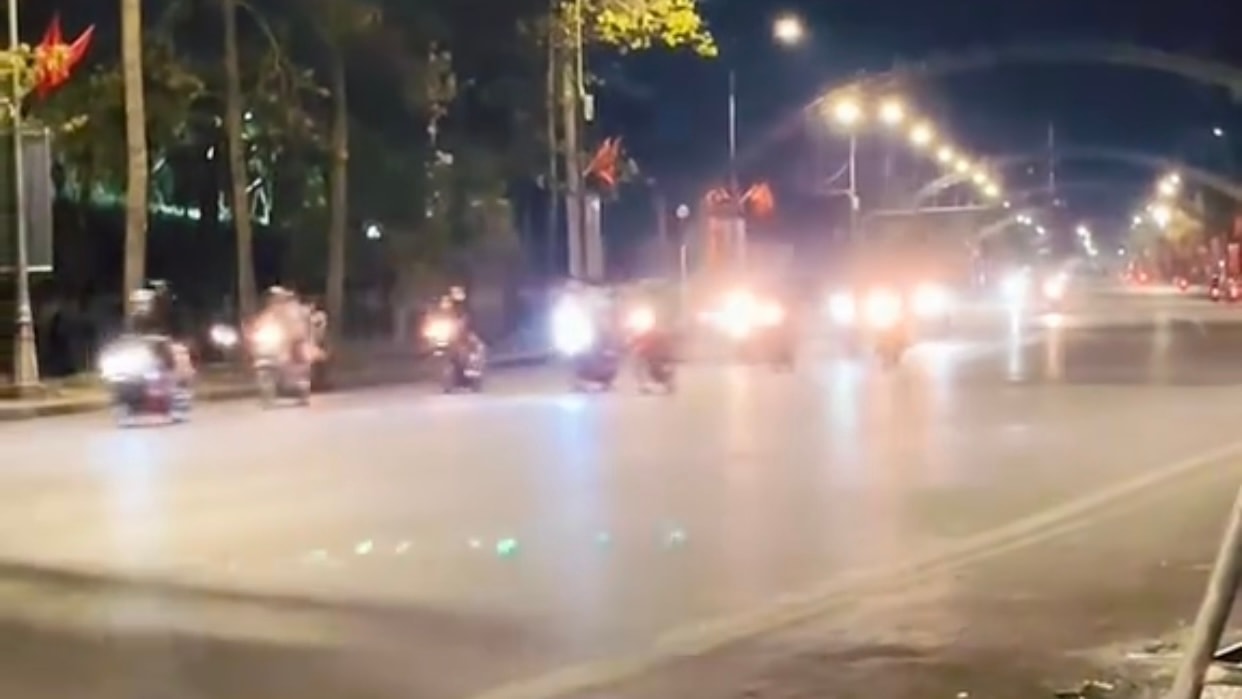
Of course, it's impossible and shouldn't be the case that all teenagers are the same. Youth is inherently associated with energy, impulsiveness, and the need for self-affirmation. Every generation has been mischievous, tried to break the rules, and crossed boundaries at times. But in the past, reckless acts usually ended within a small group, and the shame and hesitation about the consequences were enough to deter people. Today, however, social media seems to have opened up a "giant stage" where every action can be "broadcast," encouraged, and celebrated with likes, shares, star ratings, and provocative comments...
Under the flickering livestream lights, the rapidly increasing comments, and the ever-growing viewership... all of this creates a new kind of intoxicating effect. It leads many impulsive teenagers to believe that the more reckless they are, the "cooler" they become, and the more shocking they are, the more attention they will receive. In this visible and invisible race, risk is no longer a warning to retreat, but rather a spice that makes the "content" even more appealing. Accidents, if fortunately not fatal, are sometimes just considered a "content mishap"; but if tragedy occurs, it easily becomes a story, a triumph, a milestone in the lives of these racers.
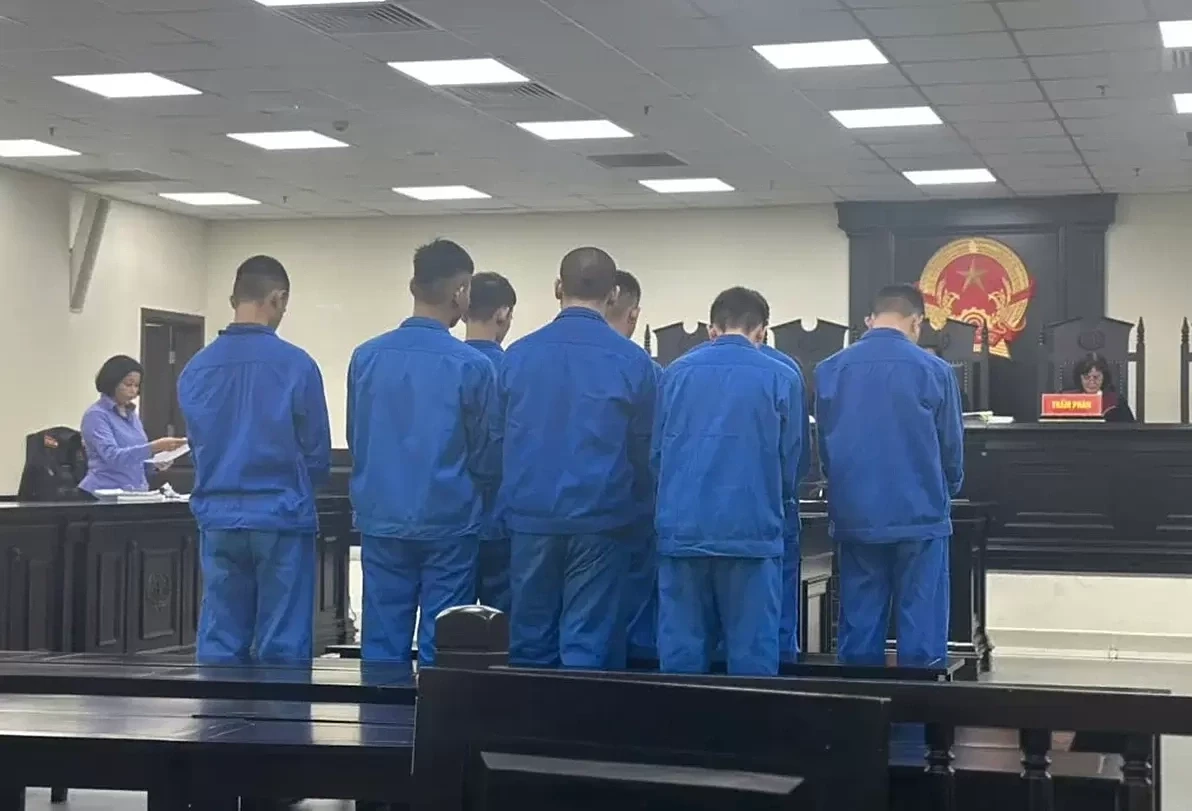
A few days ago, the press reported that the Hanoi People's Court held an appeal hearing to consider the appeals for reduced sentences from a group of teenagers aged 15-21, all residing in Thach That (formerly), who committed 12 assaults and license plate thefts. The representative of the Procuracy requested the panel of judges to reject all appeals, as the defendants failed to present any new mitigating circumstances. The Procuracy assessed that at the appeal hearing, the defendants remained cheerful and playful, failing to demonstrate sincerity or remorse, and therefore there was no basis for reducing their sentences.
That's right, people often say that youth is impulsive and prone to mistakes, but impulsiveness is different from carelessness, and thoughtlessness is different from contempt. When someone has committed 12 assaults and stolen license plates, yet can still stand before the court with a flippant attitude, it's no longer just a momentary lapse. It's a sign of a huge void—a void of remorse, of a sense of right and wrong, and, more profoundly, of dignity and morality.
This isn't just anyone's responsibility. Where were the families when their children sped recklessly through the streets at midnight, wielding machetes to threaten innocent people? To what extent have schools equipped these children with life skills and digital skills? What message is society sending when offensive and dangerous content easily spreads and is favored by algorithms? And how have each viewer inadvertently contributed by stopping to watch, comment, and share, even if only out of curiosity?
A healthy society cannot be built on the encouragement of recklessness and irresponsibility. Young people need space to express themselves, but not by challenging the law and endangering lives. Social media can be a creative and connecting tool, but it can also become a distorted mirror if not properly guided. It's time to restore the tranquility of the night, the safety of the streets, and to instill in young people values strong enough not to seek validation through dangerous pursuits.