

Bank of Japan raises interest rates to 30-year high, global markets worry.
The Bank of Japan (BOJ) raised interest rates to 0.75%, the highest level since 1995, ending an era of ultra-loose monetary policy and potentially triggering large-scale capital flows globally.
BOJ ends era of ultra-low interest rates
On December 19, the Bank of Japan (BOJ) decided to raise its short-term policy interest rate by 0.25 percentage points to 0.75%. This is the highest interest rate in Japan since 1995, marking a significant turning point in abandoning the ultra-loose monetary policy that had been maintained for many years.
In a statement following the meeting, BOJ Governor Kazuo Ueda said the era of ultra-low interest rates is coming to an end and affirmed that he will "continue to raise policy interest rates and adjust the level of monetary easing" if the economic outlook allows. This move was seen by analysts as more "hawkish" than expected, signaling a major shift that could have implications beyond Japan's borders.
Risk of a reversal in global capital flows.
The BOJ's decision is particularly significant given Japan's role as the world's largest creditor, with a net international investment position of approximately $3.66 trillion as of September 2025. For decades, investors have taken advantage of Japan's extremely low interest rates to borrow yen and invest in higher-yielding assets overseas, a strategy known as the "carry trade".
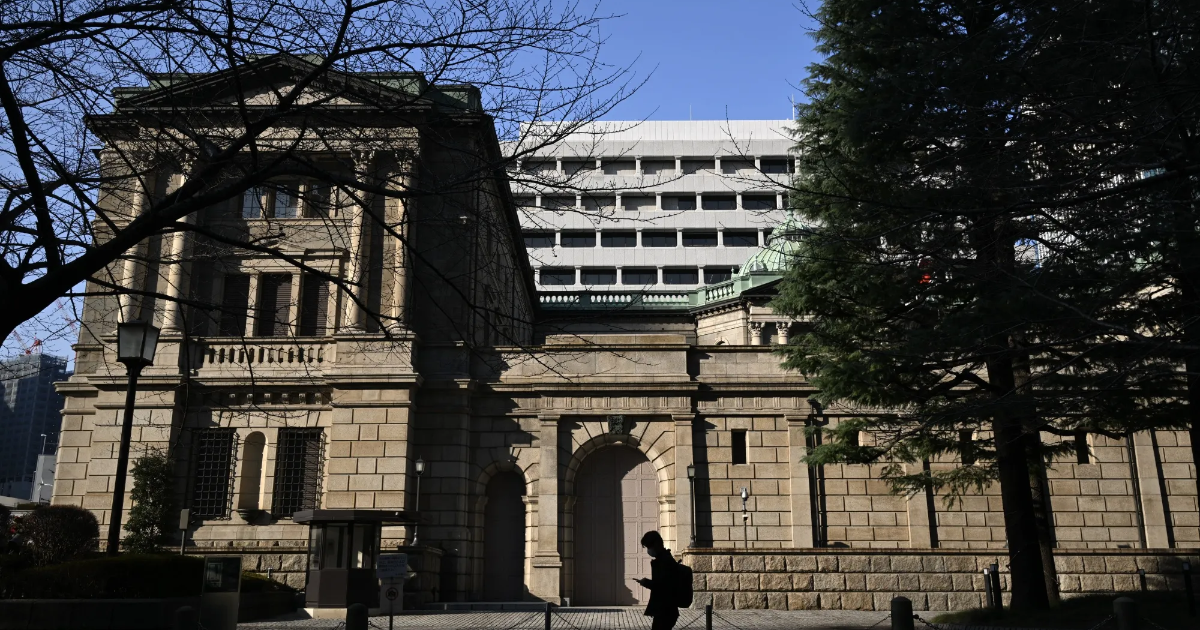
As interest rates in Japan rise, the advantage of this strategy diminishes. Japanese institutional investors, such as pension funds and insurance companies, may reduce their purchases of foreign bonds and redirect capital back to the domestic market. This "repatriation" of capital could reduce liquidity in the global bond market.
Bond market reaction
The market has reacted significantly to this possibility. The yield spread between 10-year US Treasury bonds and 10-year Japanese Treasury bonds has narrowed to 2.12 percentage points, the lowest level since March 2022.
In Europe, the yield on 30-year German government bonds surged to 3.51% in trading on December 19, its highest level since July 2011. This development in Europe's largest economy is seen as a warning sign of impending volatility.
Opinions from experts
International financial analysts have offered insightful assessments of the BOJ's move. Dariusz Kowalczyk, an analyst at BBVA bank, commented that the BOJ has taken a tough stance with a clear commitment to policy normalization.
Meanwhile, Bart Wakabayashi, head of the State Street branch of investment bank in Tokyo, called the interest rate hike a "historic" move. Akira Otani, chief economist at Goldman Sachs in Japan, warned that this is not the end and the BOJ will continue its gradual interest rate hike trend.
With these changes, the BOJ is no longer seen as a central bank that consistently pursues a dovish policy. For global investors, the message has become clear: policy decisions in Japan are becoming increasingly important and need to be closely monitored.