

Russia develops S-500 weapons targeting Starlink satellite network.
The wide-area weapon uses hundreds of thousands of high-density spherical particles to attack Starlink, combined with the low-orbit interception capabilities of the S-500 Prometheus.
Russia is developing a wide-area weapon system targeting Starlink satellites, capable of bombarding orbit with hundreds of thousands of high-density spherical particles. Simultaneously, the first S-500 Prometheus air defense missile system has been announced for deployment, capable of striking targets in low orbit, raising concerns about space safety and the potential for satellite debris dispersal.
Overview of the Starlink attack plan
According to published assessments, the destructive weapon that Russia is developing is aimed at Elon Musk's Starlink satellite network. This is a low-orbit satellite system that supports communications for Ukraine on the battlefield, thus becoming a crucial element in the West's military and information capabilities.
Some Western intelligence agencies believe that the goal of a potential space attack capability from Moscow is to limit Western dominance in space, particularly to weaken the Starlink network supporting the Ukrainian Defense Forces. Russian officials have previously warned on several occasions that commercial satellites serving Ukrainian military purposes could become legitimate targets.
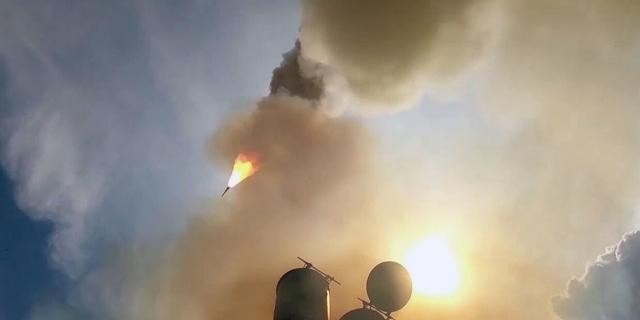
The structure and risks of large-scale weapons.
According to the description, this destructive weapon is called a wide-area weapon because it uses hundreds of thousands of high-density spherical particles to bombard Starlink satellites. The mechanism of operation is described as creating a dense region of space filled with projectile-like particles, capable of disabling multiple satellites simultaneously.
Assessments warn that this widespread mechanism also poses a potential risk of serious damage to other orbital systems besides Starlink. Starlink satellites are believed to operate at an altitude of approximately 550 km above the Earth. Meanwhile, China's Tiangong Space Station and the International Space Station (ISS) operate in lower orbits, so both are at risk of being indirectly affected if a large amount of debris and metallic particles are dispersed in the relevant area.
Experts quoted believe that, following such an attack, the ejected particles and satellite debris would gradually fall to Earth, potentially damaging many other orbital systems along the way. The risk comes not only from a direct collision with the attacked target, but also from a chain of secondary collisions with satellites and orbital stations operating near the area.
The role of the S-500 Prometheus system
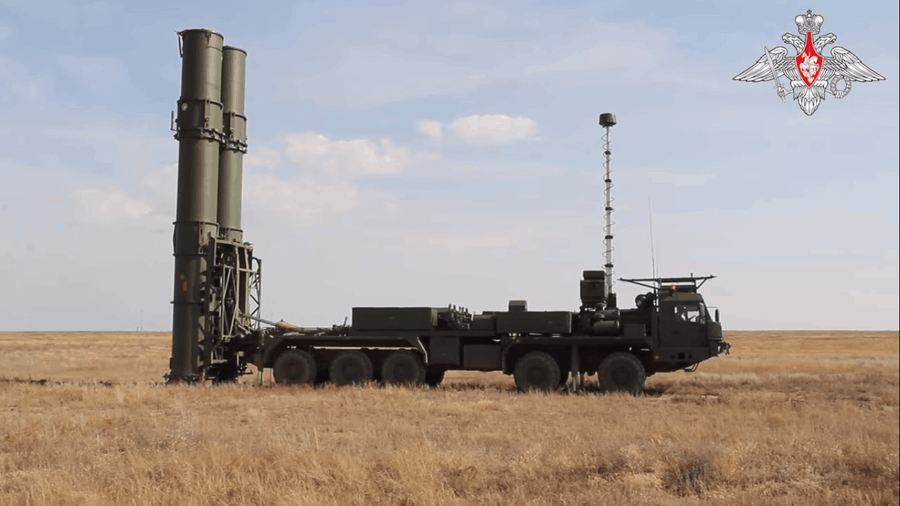
In this context, the S-500 air defense missile system is cited as a specialized means that could be used to destroy the Starlink satellite network. The S-500 is Russia's new generation air defense system, designed to intercept high-altitude targets, including targets in low orbit, according to Russian claims.
Recently, Russia announced the deployment of its first regiment of S-500 Prometheus air defense missile systems, said to be capable of striking targets in low orbit. This has drawn attention to the possibility that the S-500 could serve as a launch platform for the aforementioned wide-area weapon system, should the program be realized.
According to published information, the new weapon under development differs from the 2021 test, when Russia used a missile to destroy a defunct Cold War-era satellite. While the 2021 test involved a single target, the current wide-area weapon is believed to target multiple Starlink satellites simultaneously, with the potential damage estimated to be enormous.
Assessments and concerns from the West
Some Western intelligence agencies believe that any development in Russia's satellite attack capabilities must be considered within the context of competing for dominance in space. According to them, targeting Starlink would mean attacking a critical communications infrastructure supporting Ukraine, thereby undermining its ability to coordinate and command on the battlefield.
On the Russian side, officials have repeatedly and publicly warned that commercial satellites serving the Ukrainian Defense Forces could become legitimate targets. This statement is seen as the political and legal basis that Moscow could invoke in the event of deploying military measures targeting satellite infrastructure.
Major General Christopher Horner, commander of the Canadian Armed Forces Space Command, stated that similar developments by Russia cannot be ruled out. He made this assessment in the context of previous US statements about researching nuclear weapons described as indiscriminate, space-based.
The above information shows that the trend of competition and militarization in space is becoming more complex, with parallel risks to strategic security and orbital safety. Beyond the deterrent effect between major powers, the emergence of more widespread anti-satellite weapons could significantly increase the amount of space debris, directly affecting all nations that rely on low-orbit satellite infrastructure.