

Russia is accumulating 2,000 Shahed UAVs, waiting for freezing temperatures to strike.
Russia is believed to have amassed around 2,000 Shahed attack UAVs and may be waiting for a period of temperatures around -5°C to launch saturation strikes against Ukrainian infrastructure and air defenses.
According to Defense Express, Russia has amassed a large stockpile of approximately 2,000 Shahed suicide attack drones, but is not in a hurry to deploy them. The timing of their deployment is believed to be closely tied to natural conditions, particularly periods of stable weather with prolonged freezing temperatures of around -5°C. This approach suggests Russia is seeking to combine its numerical advantage with exploiting the harsh winter environment, given the continuous upgrades to the Shahed UAVs in terms of navigation technology, sensors, and firepower.
The Shahed UAV depot houses 2,000 UAVs and features a "weather window" at -5°C.
Defense Express argues that the accumulation of thousands of UAVs is not simply an increase in the number of weapons, but reflects a shift to a new phase of the conflict. Instead of scattered attacks, the large stockpile allows Russia to proactively choose the timing for large-scale strike operations, taking advantage of favorable weather conditions.
According to international military observers, the timing of the next major offensives will most likely coincide with a sharp drop in temperature in Ukraine, around -5°C. At that time, the prolonged freezing winter conditions would directly support the effectiveness of the offensive, especially for energy and military infrastructure targets that are sensitive to temperature changes.
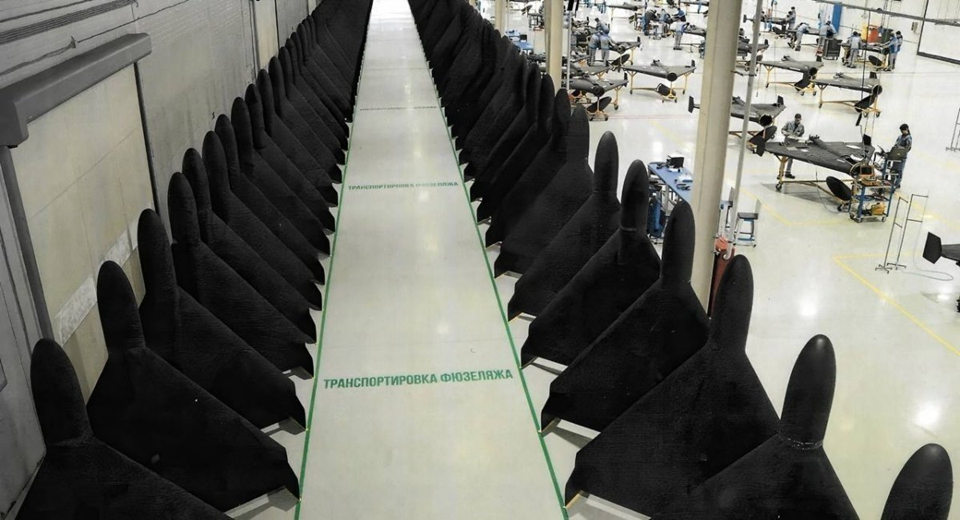
Tactics of saturation and continuous pressure on Ukrainian air defenses.
The current accumulated number of UAVs is assessed to be sufficient for Russia to maintain a high intensity of attack for an extended period. Scenarios suggest the possibility of three to four consecutive strikes, forming targeted waves of attacks rather than a single blow. The focus here is not simply on inflicting maximum damage in a single strike, but on maintaining continuous pressure on Ukraine's air defense system.
With this method of attack, Ukrainian air defenses are forced to operate at high intensity for extended periods, thus rapidly depleting their already limited interception resources. Short interruptions between attacks are understood as tactical adjustments, helping to assess results, identify new targets, and optimize fire coordination in subsequent attacks.
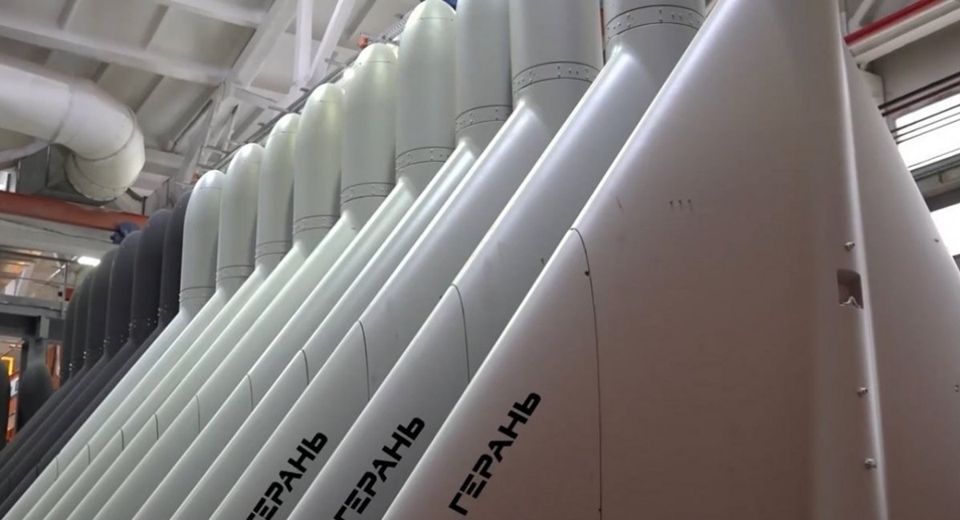
Winter weather is considered a factor that further amplifies the effectiveness of this strategy. When temperatures remain below freezing, many engineering systems and building materials become less stable, making infrastructure more vulnerable to physical impacts. At the same time, frigid conditions significantly slow down repair work, as repair crews are limited in terms of outdoor working time and safety requirements.
In this context, even limited initial damage can trigger a prolonged chain reaction. The cumulative impact of multiple attacks occurring in quick succession throughout the winter risks exceeding the damage of individual incidents, especially when targeting power grids and critical infrastructure.
The technological transformation of the Shahed UAV series.
Simple structure, low cost
Playing a central role in Russia's attack UAV strategy is the Shahed family, most notably the Shahed-136/Geran-2 and Shahed-238 variants. Although originally from Iran, these UAVs have been significantly improved by Russia to suit the dense electronic warfare environment in Eastern Europe.
The Shahed-136 has a relatively simple appearance with a delta-shaped integrated wing and body design, using many inexpensive composite materials such as plastic, foam, and plywood. The propeller engine is located at the rear, producing a distinctive and easily recognizable sound. This minimalist structure and inexpensive materials help reduce production costs to only about $20,000-$50,000 per unit, resulting in superior economic efficiency compared to traditional cruise missiles.
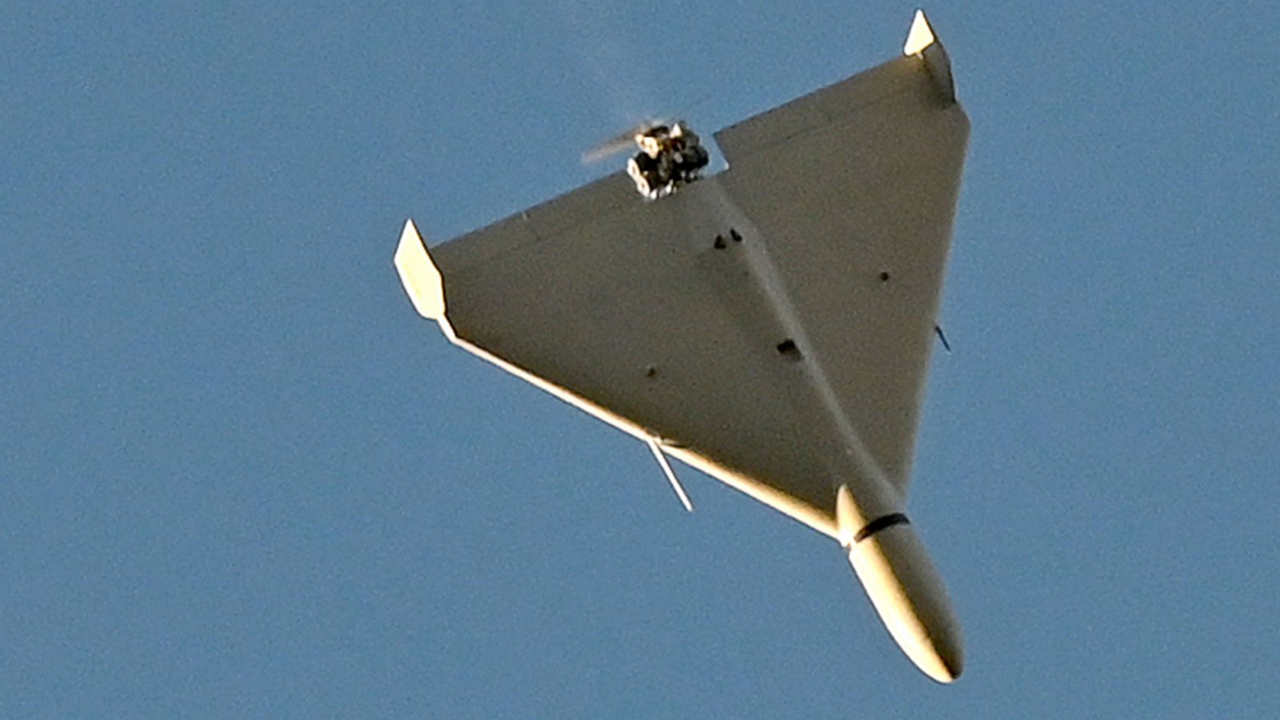
Improved navigation and reduced vulnerability to jamming.
The key to the Shahed lies not in its shape but in its continuously upgraded navigation and control system. Initially, this UAV primarily used inertial navigation combined with civilian GPS signals to attack fixed targets at long range. To counter the risk of jamming, Russian engineers integrated the GLONASS navigation system along with active anti-jamming antennas (CRPA), enabling the UAV to maintain stable flight paths and accuracy even in environments with strong electronic warfare.
In newer variants, particularly the Shahed-238, the use of jet engines combined with a carbon-based radar-absorbing coating and dark paint significantly reduces radar signatures. This is especially effective in nighttime raids, where detection and interception by conventional surveillance radars becomes more difficult.
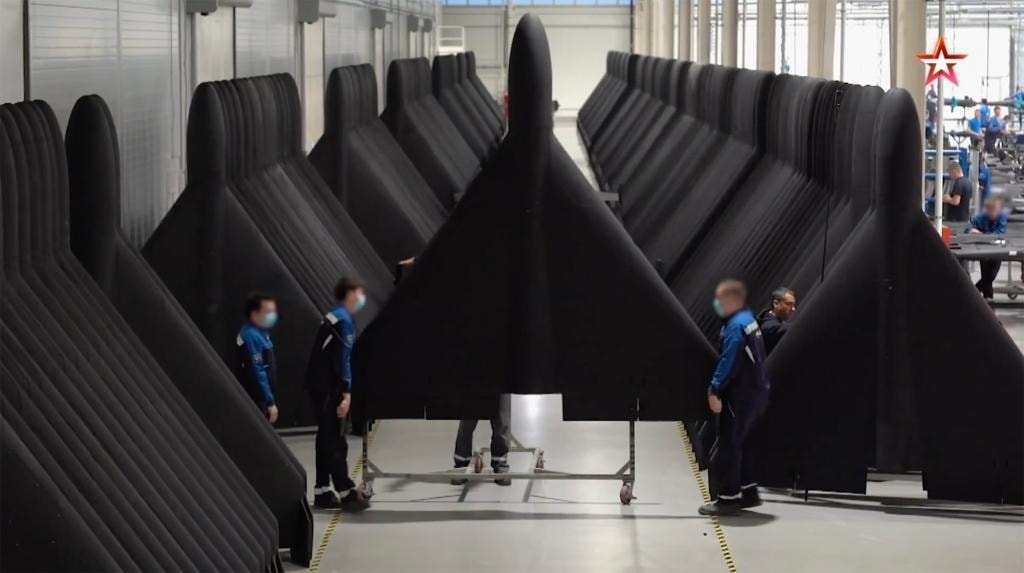
Artificial intelligence, new sensors, and the role of ISRs.
Another notable advancement of the Shahed UAV series is the application of artificial intelligence and machine vision technology. According to technical analyses, some variants have been equipped with the ability to automatically identify targets based on geometric characteristics and thermal signals. This reduces the UAV's reliance on remote control or continuous satellite connectivity, allowing it to independently assess situations and select targets in complex combat environments, rather than simply flying along pre-programmed coordinates.
Experts also note indications that some versions of the Shahed may be integrated with thermal imaging cameras and satellite communication systems, allowing for real-time transmission of data or images to a command center. If deployed on a large scale, this capability would expand the Shahed's role from a purely offensive weapon to a reconnaissance platform – gathering tactical information, providing target data during approach, thereby increasing pressure on the defending side.
Dual 100kg warheads and the risk of swarm attacks.
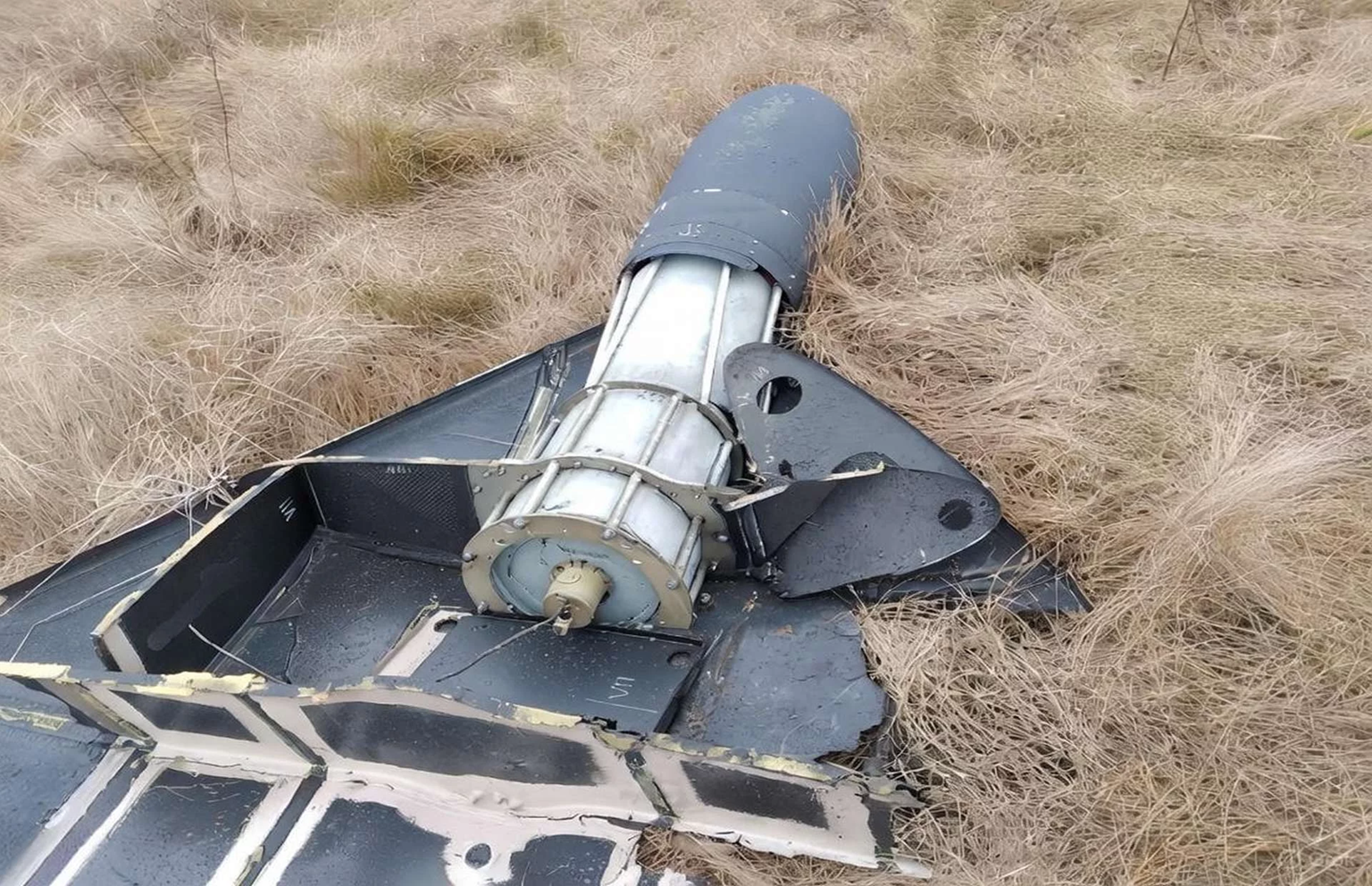
Besides sensor and guidance upgrades, Russia is believed to have put into practical use an improved version of the Shahed-136 with a twin warhead weighing approximately 100kg in total. According to analyses published by Ukraine on December 14, this configuration has passed testing and has appeared in regular attacks.
Ukrainian radio technology expert Serhiy Beskrestnov (alias Flash) stated that analysis of recovered debris revealed the new Geran-2 variant carries two 50kg incendiary warheads arranged in series within the UAV's body. This arrangement significantly increases its destructive power compared to previous versions, particularly against infrastructure or fixed structures.
| Variant | Engine | Key features (according to source) |
|---|---|---|
| Shahed-136 / Geran-2 basic | Rear propeller | Delta wing design, inexpensive materials, estimated cost of $20,000 - $50,000 per unit. |
| Shahed-238 | Reaction | The radar-absorbing paint contains carbon, resulting in a dark color that makes it harder to detect at night. |
| Geran-2 twin warhead | Rear propeller | Two 50kg incendiary warheads are arranged in series, increasing the total destructive power to approximately 100kg. |
Improvements in cognitive capabilities, firepower, and connectivity are paving the way for the deployment of coordinated UAV swarms. In these scenarios, multiple UAVs can share data, assign targets, and adjust flight paths to reduce the risk of interception. If applied on a large scale, this swarm combat model, with its large numbers and unpredictable behavior, would pose a significant challenge to traditional air defense systems, which are primarily designed to counter single targets and relatively stable trajectories.
Ukraine's response: UAV interception and electronic warfare.
Despite Russia's accelerated upgrades and accumulation of UAVs, the technological balance on the battlefield is not entirely one-sided. Under pressure from Shahed drone strikes, Ukraine is accelerating its adaptation process in the increasingly fierce UAV race. A key focus is the development of specialized interceptor UAVs.
According to published information, Ukraine has invested heavily in platforms such as the Sting FPV and AQ-400, optimally designed for the task of pursuing, rapidly approaching, and destroying enemy UAVs. Compared to traditional air defense missiles, these interceptor UAVs are significantly less expensive, allowing for larger deployments to counter saturation attacks.
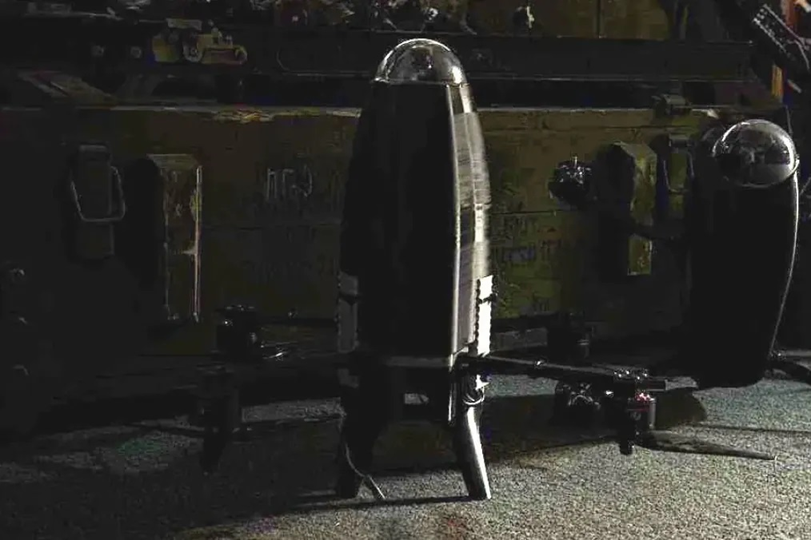
In addition, Ukraine is also enhancing its electronic warfare capabilities to jam the guidance and communication channels of Russian UAVs, thereby reducing their accuracy and coordination effectiveness. The combination of inexpensive interceptor UAVs and electronic countermeasures reflects a flexible approach, leveraging technology to compensate for resource limitations.
These developments indicate that the conflict is entering a phase where advantage is no longer determined solely by the number of weapons, but increasingly depends on the speed of adaptation and technological innovation of each side. In this context, Russia's accumulation of approximately 2,000 Shahed UAVs and its anticipation of favorable conditions for launching saturation attacks, as well as Ukraine's defensive efforts, will likely continue to shape the air combat landscape in the coming winter.