

Volkswagen postpones the Trinity mega-project, prioritizing the electric Golf.
Amid a slowing market, Volkswagen is reportedly delaying the Trinity electric vehicle project until 2032 and focusing on the Golf EV, which is expected to launch sooner.
Electric vehicle roadmap restructuring strategy
Global automakers are having to readjust their strategies amid slower-than-expected growth in the electric vehicle market. Volkswagen is a prime example, considering postponing its flagship electric vehicle project, "Project Trinity," in favor of a fully electric Golf model.
According to the German newspaper Handelsblatt, Volkswagen is rearranging its product launch schedule. Instead of introducing the Trinity electric sedan in 2026 as planned, the company may postpone its launch to 2032. This move aims to prioritize models with a faster return on investment.
The decision to delay Trinity is believed to be part of Volkswagen Group CEO Oliver Blume's investment reallocation strategy. The main goal is to extend the lifespan of existing electric vehicle platforms to optimize costs. Specifically, the MEB platform will be upgraded to MEB+ in 2026, while the PPE platform, currently used for the electric Porsche Macan and Audi Q6 E-tron, will continue to receive software improvements over the next 36 months with support from Rivian.
According to the new plan, the all-electric Golf (ID. Golf) could become the first vehicle to use Volkswagen's new SSP platform in 2026. The schedules for several other models have also been adjusted, including the successor to the ID.4, which is now moved from 2028 to 2030, and an electric crossover from 2029 to 2031.
Project Trinity, announced in early 2021 under former CEO Herbert Diess, is expected to be the flagship successor to the ID line. This model is envisioned to be the first to utilize the SSP platform, supporting faster charging and integrating Level 4 autonomous driving capabilities.
The complex landscape of the electric vehicle market.
Volkswagen's move reflects a complex overall picture of the electric vehicle market, where manufacturers face numerous challenges ranging from policy to consumer sentiment.
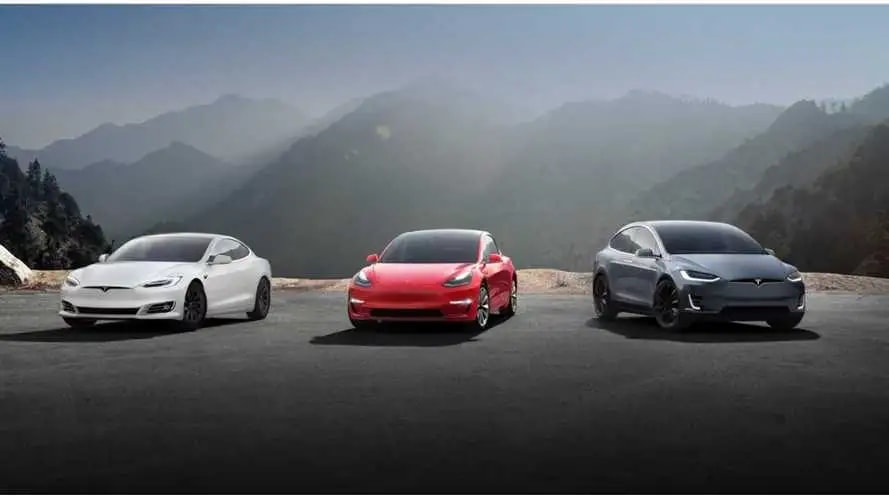
Meanwhile, Tesla has shown a different approach to government subsidies. Despite CEO Elon Musk's public calls for the abolition of tax credits for electric vehicles, the company has actively lobbied to benefit from these policies. In the second quarter of 2024 alone, the sale of regulatory credits boosted Tesla's net profit by an additional $890 million.
Tesla also flexibly adjusts its products to suit incentive programs in each country. For example, the company once sold a version of the Model 3 in Canada with a range of only 151 km to qualify for subsidies, or a two-seater Model Y configuration in France to meet corporate tax requirements.
Battery safety challenges in South Korea
In South Korea, concerns about the safety of electric vehicle batteries are growing following a fire in a Mercedes-Benz EQE that damaged 140 other vehicles in an underground parking garage. Under public pressure, the South Korean government has urged automakers to be more transparent about their battery suppliers.
In response, Mercedes-Benz announced it uses batteries from LG Energy Solution, CATL, SK, and Farasis Energy. BMW confirmed its battery sources are Samsung SDI and CATL, while Hyundai, Kia, and Genesis use batteries from LGES, SK, and CATL. Although there is no evidence of a direct link between battery manufacturers and the risk of fire, this move is seen as an attempt to reassure consumers.
Mercedes-Benz has also established a $3.3 million (approximately 82.5 billion VND) support fund for the victims while the investigation continues. Analysts believe that consumer sentiment towards electric vehicles in South Korea may continue to be affected until the safety issues are thoroughly resolved.