
The US is increasing its supply of missiles and asymmetric drones to Taiwan.
The US is stepping up its supply of missiles, drones, and mobile rocket artillery to Taiwan, focusing on asymmetric warfare and enhancing its strait defense capabilities.
The U.S. is accelerating the delivery of strategic weapons systems to Taiwan, focusing on missiles, drones, and equipment for asymmetric warfare. Alongside current deliveries, Washington has launched a weapons sales package worth over $11 billion, aimed at bolstering Taipei's long-term defense capabilities amid ongoing tensions in the Taiwan Strait.
Accelerate arms deliveries to Taiwan.
According to Business Insider, the US has recently delivered and is preparing to deliver a range of asymmetric weapons to Taiwan. These systems include mobile anti-aircraft missiles, anti-ship missiles, reconnaissance and attack drones, and related command and control systems.
These systems are designed to counter larger military forces, emphasizing mobility, dispersion, and the ability to inflict significant damage at a lower cost than traditional weapon platforms.
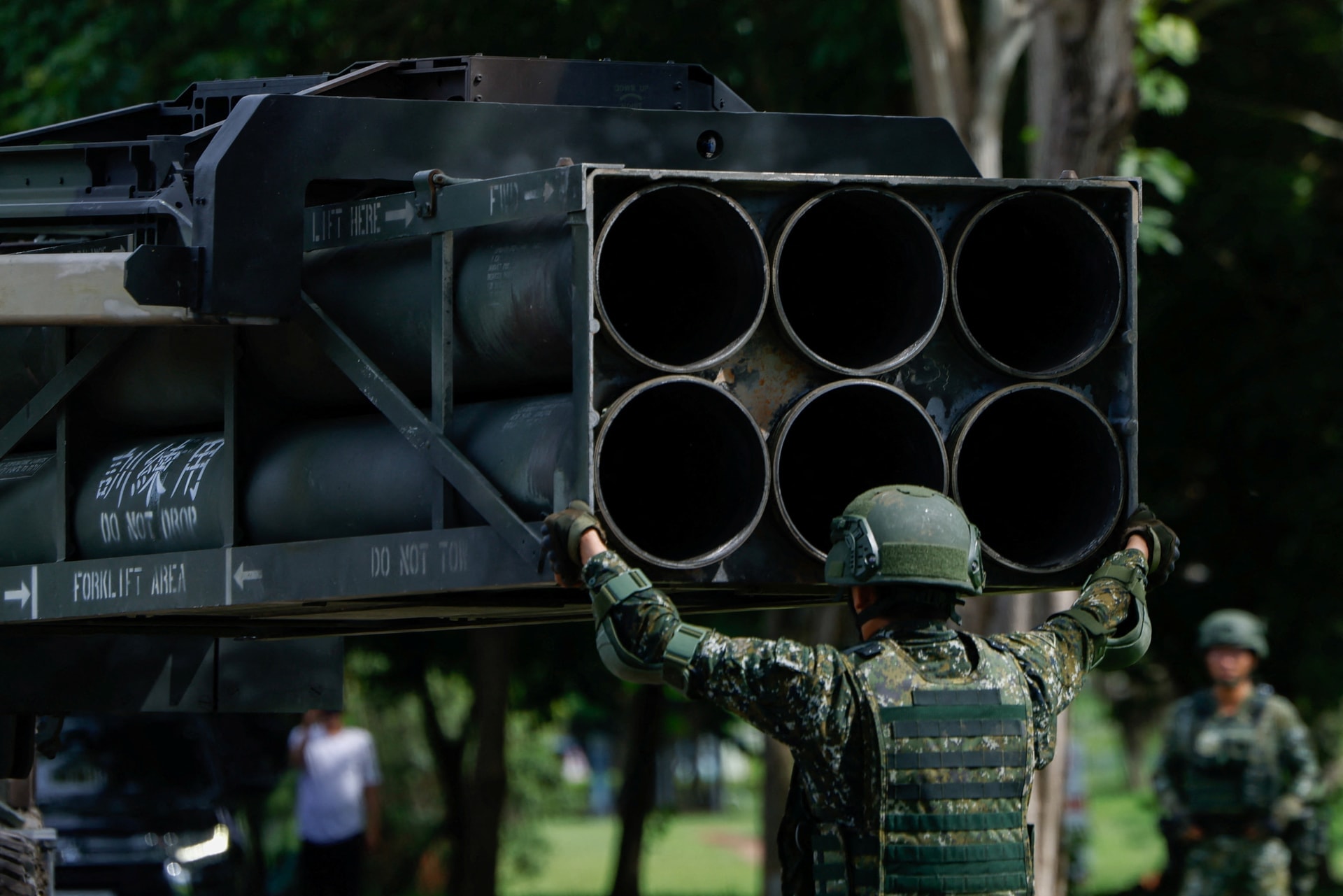
Alongside the ongoing arms deliveries, Reuters reported that the US administration has initiated procedures to sell weapons to Taiwan totaling more than $11 billion. This package is considered one of the largest defense aid packages for Taipei, including missile systems, mobile rocket artillery, high-precision munitions, and equipment for training and maintenance.
Key technical focus: mobility, decentralization, low cost
According to Business Insider, Taiwan's arsenal is increasingly leaning towards compact, flexible, and easily deployable systems. A common characteristic of this group of weapons is their ability to be quickly mobilized, concealed, and dispersed, reducing the risk of being neutralized in a single concentrated attack.
The emphasis on mobile missiles, reconnaissance and attack drones, and accompanying command and control systems indicates a direction towards building a distributed firepower network. Instead of relying primarily on large, easily detectable platforms, this model focuses on numerous smaller launch platforms and fire units, connected by a command and control information system to maintain combat effectiveness.
As a result, each weapon unit has a relatively low cost compared to traditional equipment, yet it is still capable of inflicting significant damage when deployed in sufficient density and supported by timely intelligence.
Taiwan's asymmetrical defense strategy
In recent years, Taiwan has dramatically adjusted its defense strategy, shifting its focus from large-scale weapons platforms to a distributed defense model. According to analysts, mobile missile systems, drones, and short-range air defense weapons are seen as key to the island's ability to sustain its resilience in the event of conflict.
These systems allow Taiwan to maintain offensive and defensive capabilities even if some of its military infrastructure is compromised. At the same time, forcing adversaries to contend with a dispersed network of targets significantly increases military costs and operational planning complexity.
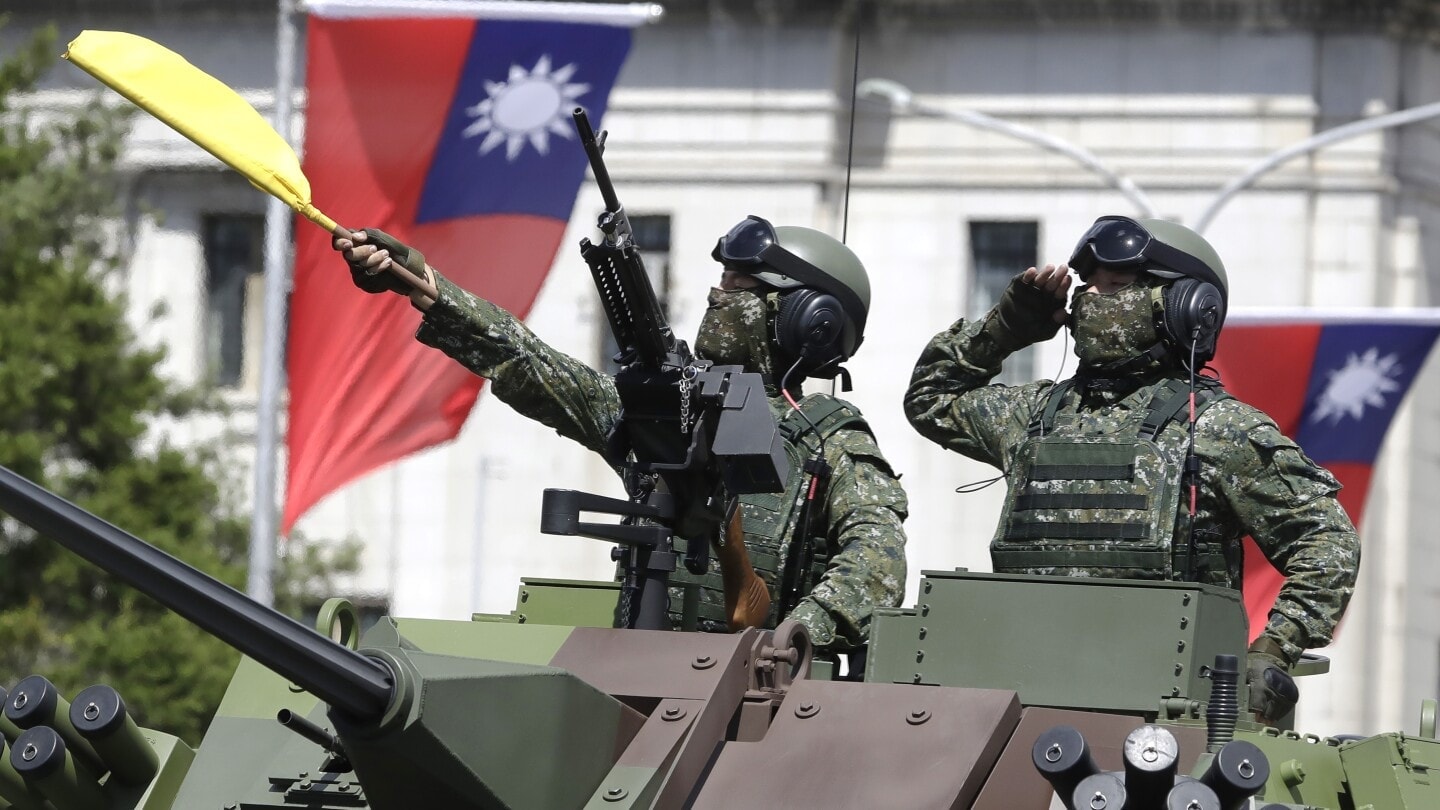
According to an assessment cited by Business Insider from the US-Taiwan Business Council, this orientation aligns with Taipei's asymmetric defense strategy. However, the organization also noted that focusing too heavily on a particular weapons system could unbalance the overall force structure.
Risk of imbalance in personnel and the need for long-term adjustments.
The U.S.-Taiwan Business Council argues that a strong prioritization of asymmetric weapons poses a balancing act between different types of forces. If mobile, compact systems account for too large a proportion, other capabilities such as long-range air defense, multi-layered air-sea defense, or long-term logistical and maintenance capabilities may not receive adequate investment.
This assessment suggests that Taiwan needs a long-term adjustment roadmap, continuing to strengthen its asymmetric weapons while ensuring other components of its armed forces are maintained at appropriate levels. Balancing mobility and dispersion with traditional defense capabilities is considered key to building a sustainable defense posture.
The legal framework and strategic calculations of the United States
According to Reuters, Washington asserts that arms sales to Taiwan are conducted in accordance with the Taiwan Relations Act. This document stipulates that the U.S. has an obligation to support the island in maintaining its full self-defense capabilities and serves as the legal basis for current defense assistance packages.
The US also emphasized that it would not change its decades-long One China policy, but considered ensuring security in the Taiwan Strait a crucial strategic interest. Amidst increasingly intense US-China strategic competition, Business Insider noted that increased arms supplies to Taiwan have clear military and political implications.
Taiwan is considered one of the key security hotspots in the Indo-Pacific region. Any changes in the military balance around the island have the potential to have widespread impacts on the regional security structure.
Impact on East Asian regional security
Taiwan has repeatedly asserted that the weapons it purchases and receives are solely for defensive purposes, not intended to alter the status quo or escalate tensions. The island's government has stated it will continue to invest in defense and expand cooperation with international partners to contribute to regional security and stability.
Observers quoted suggest that the US's increased arms supply to Taiwan indicates that the strategic competition in the Taiwan Strait shows no signs of cooling down. The current focus is increasingly shifting towards military technology, mobility, and deterrence capabilities through asymmetric weapons systems.
These developments not only directly affect US-China relations but also have long-term impacts on the East Asian security structure. Managing tensions, avoiding miscalculations, and ensuring communication channels between the parties involved therefore become crucial alongside the ongoing military modernization process.
Create Mind