

AOC Agon Pro AG276QZD: A formidable competitor in the 240Hz OLED segment.
The AOC Agon Pro AG276QZD monitor delivers outstanding performance with its 240Hz OLED panel, high color accuracy, and unique asymmetrical design, competing head-to-head with rivals from LG and Asus.
The 240Hz OLED display race and the entry of AOC.
The AOC Agon Pro AG276QZD is a notable addition to the 27-inch OLED gaming monitor market, boasting a 2560 x 1440 resolution and a 240Hz refresh rate. Using the same LG-manufactured panel as competitors like the Asus ROG Swift PG27AQDM and LG UltraGear 27GR95QE, AOC seeks to differentiate itself through design and competitive pricing. After firmware issues in the initial US market version were resolved, the new version has shown impressive performance, making it an attractive option at around £867.
Asymmetrical design: A unique touch.
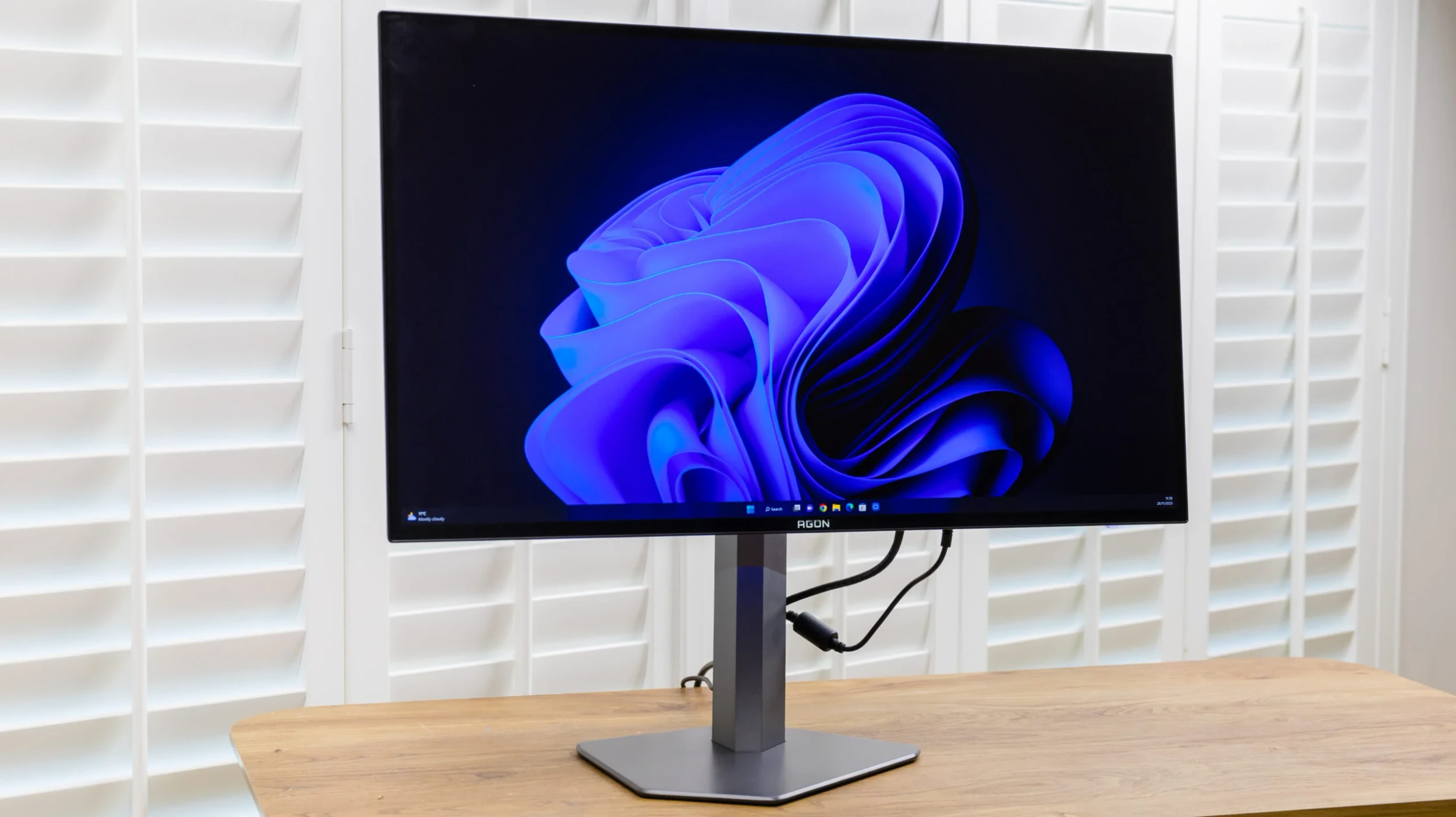
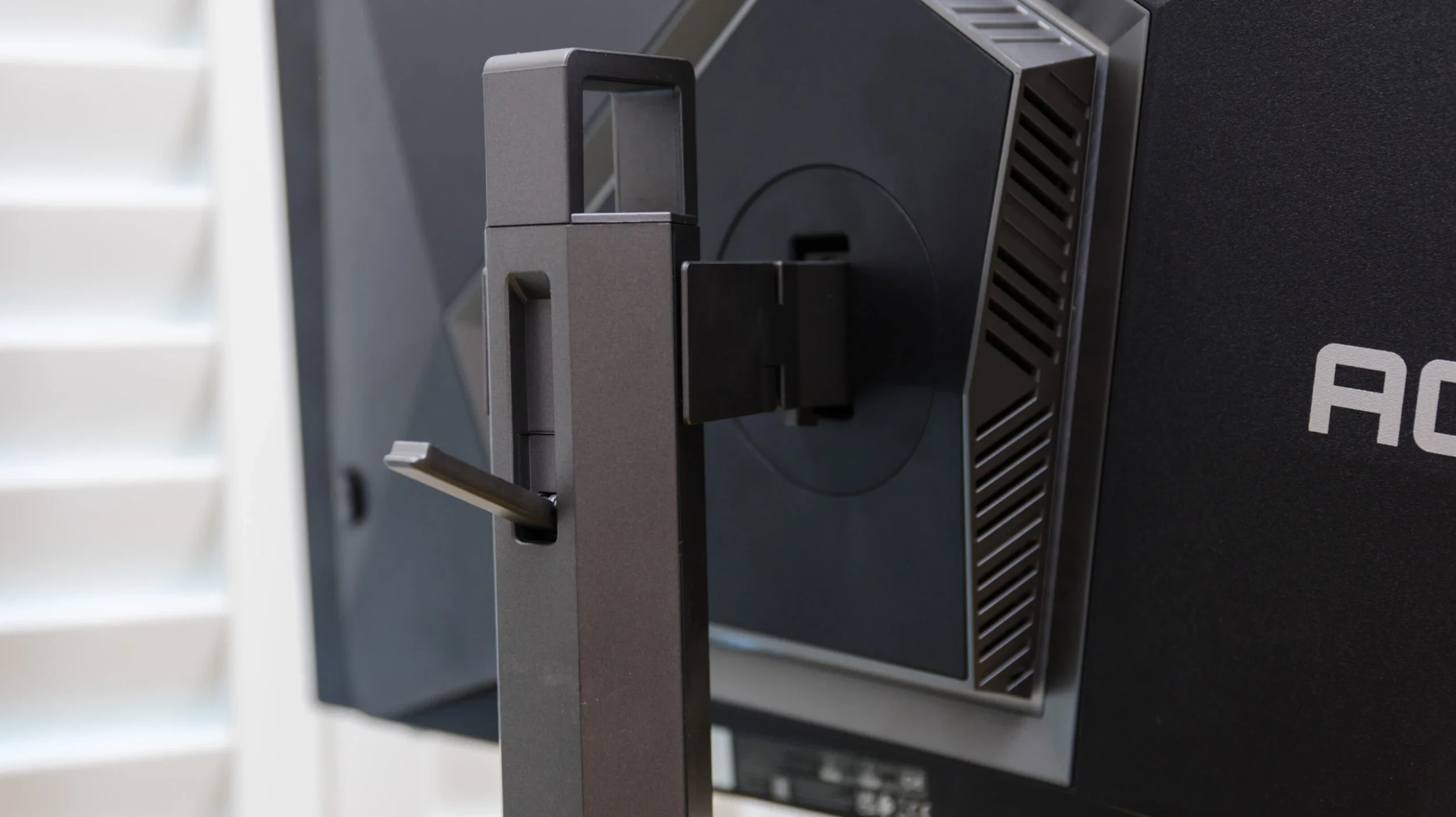
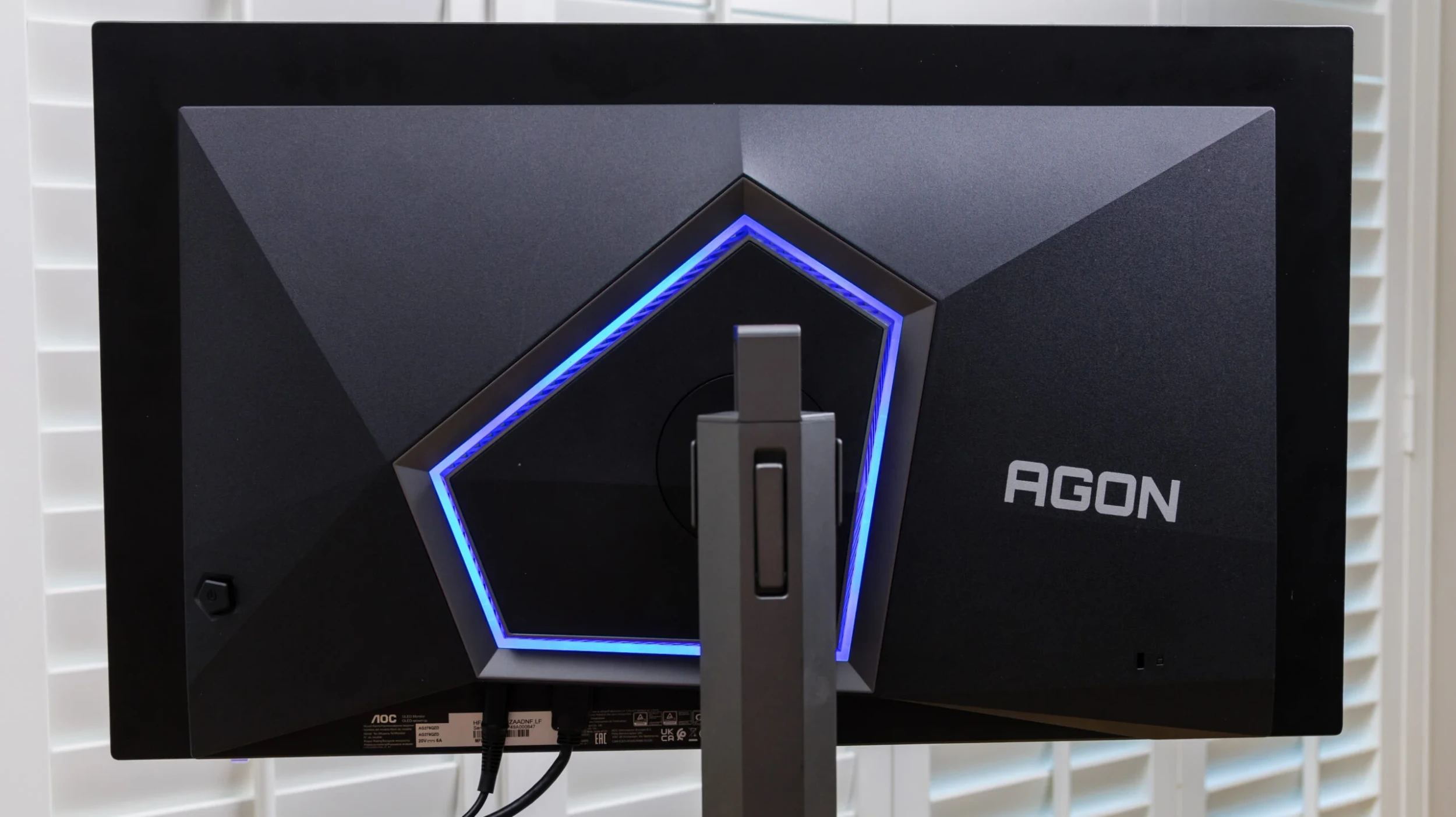
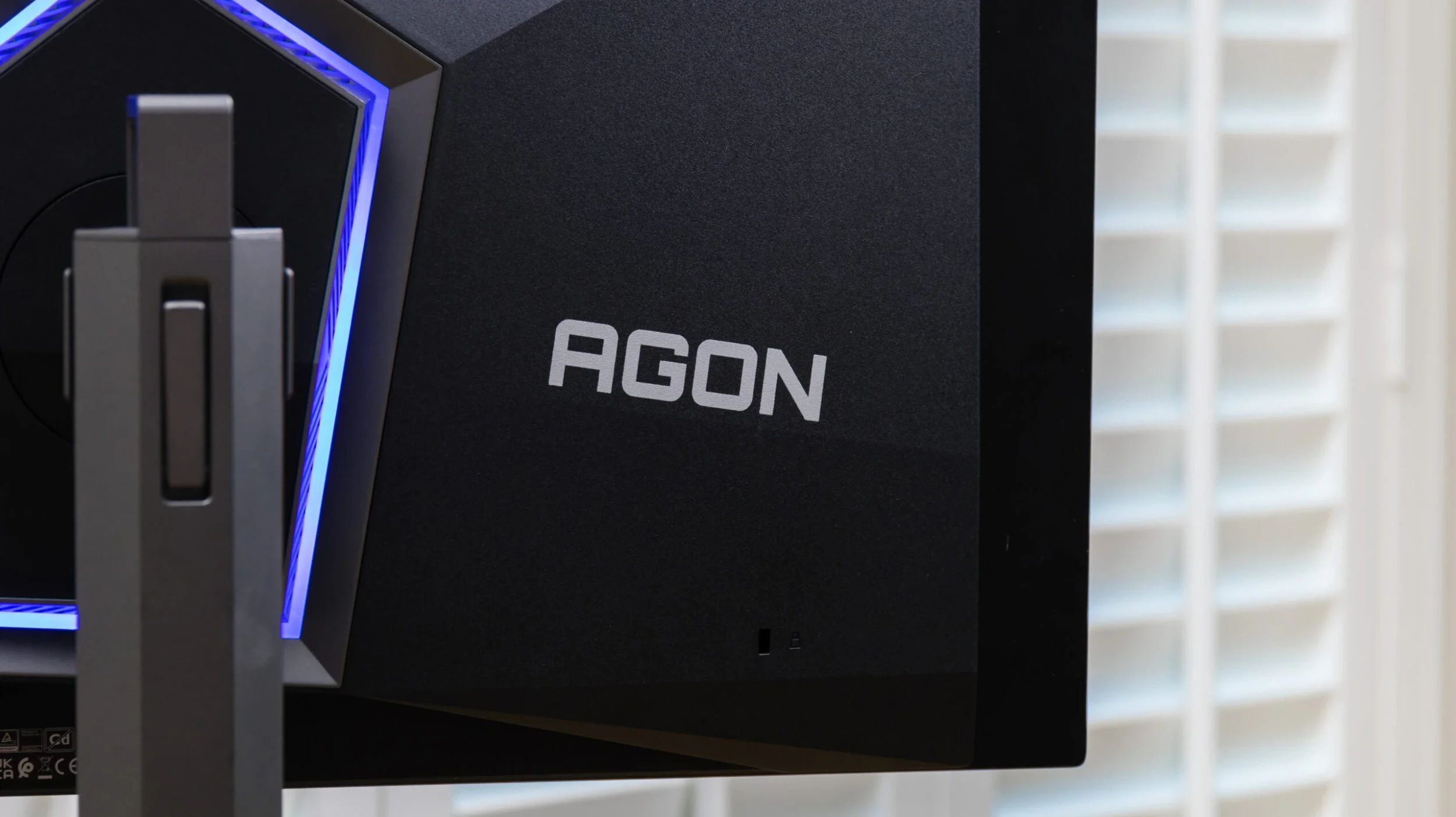
The biggest difference of the Agon Pro AG276QZD lies in its design language. AOC has boldly adopted an asymmetrical style for the rear panel of the monitor, creating an angular and modern look. This asymmetry is also evident in the polygonal LightFX LED strip and the OSD control buttons.
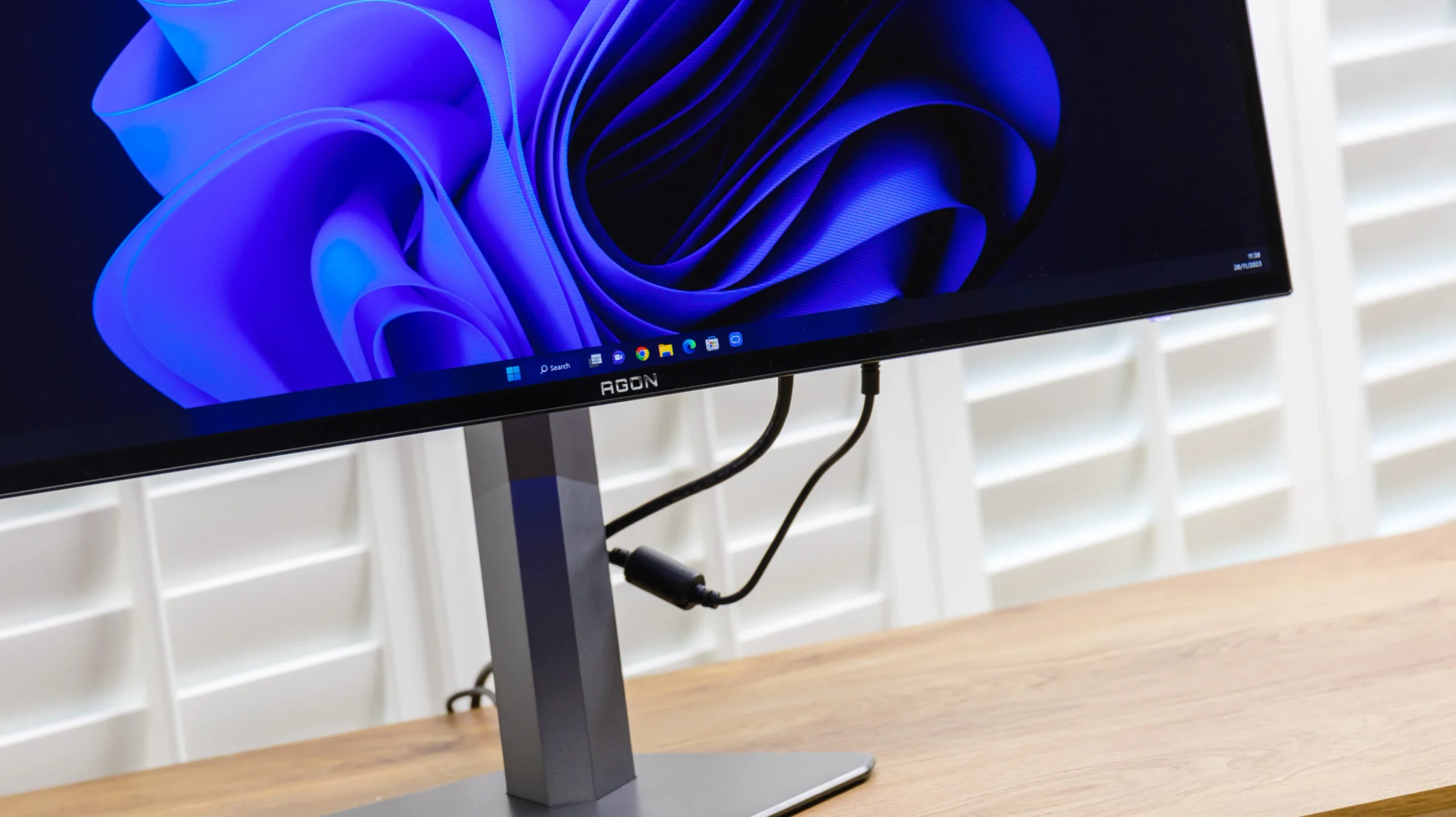
The base also follows this philosophy with a compact design that protrudes more to the right. Despite taking up less desk space than its competitors, the base ensures the necessary stability. The base offers flexible customization options, including 90-degree rotation, 30-degree horizontal rotation, 130 mm height adjustment, and tilt from -4 to 21.5 degrees.
Connectivity: Ample but limited.
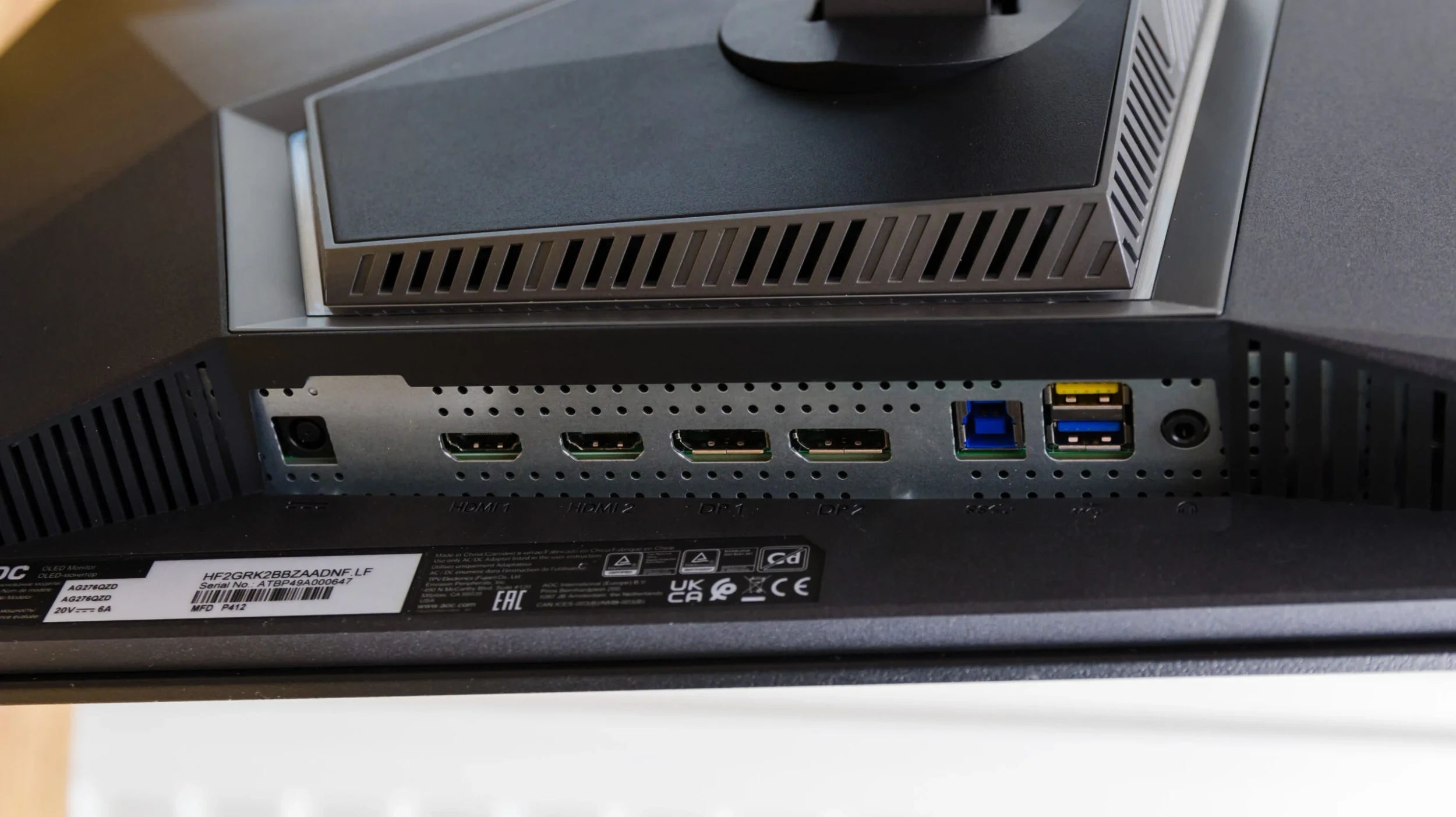
The monitor is equipped with two HDMI 2.0 ports and two DisplayPort 1.4 ports, one more DisplayPort than the Asus and LG models. However, there is a significant limitation: the HDMI 2.0 ports only support a maximum refresh rate of 144Hz at native 1440p resolution, while DisplayPort 1.4 can reach 240Hz. This is inferior to the LG UltraGear 27GR95QE, which has HDMI 2.1 ports and supports Variable Refresh Rate (VRR) for next-generation consoles.
Additionally, the Agon Pro AG276QZD features a USB hub with two 5 Gbit/s Type-A ports and one Type-B port for connecting to a computer. The absence of a USB Type-C port means there is no KVM functionality, but the monitor still supports Picture-in-Picture (PiP) and Picture-by-Picture (PbP) display modes.
Display quality: The power of OLED technology
The new firmware version has resolved the brightness issue of the first batch. Test samples achieved a brightness of 380 cd/m² in SDR mode and up to 810 cd/m² in a small area in HDR mode, on par with other leading OLED displays. Brightness uniformity was also impressive across the entire panel surface.
In terms of color accuracy, the monitor delivers excellent results right out of the box. The default gamma is 2.21 and the color temperature is 6,542K, very close to the ideal 6,500K. The color space coverage is extensive, with 135% sRGB, 95.3% DCI-P3, and 92.7% Adobe RGB. When switching to dedicated color modes, the average Delta E value is only 1.12 (sRGB) and 1.6 (DCI-P3), sufficient for tasks requiring high color accuracy.
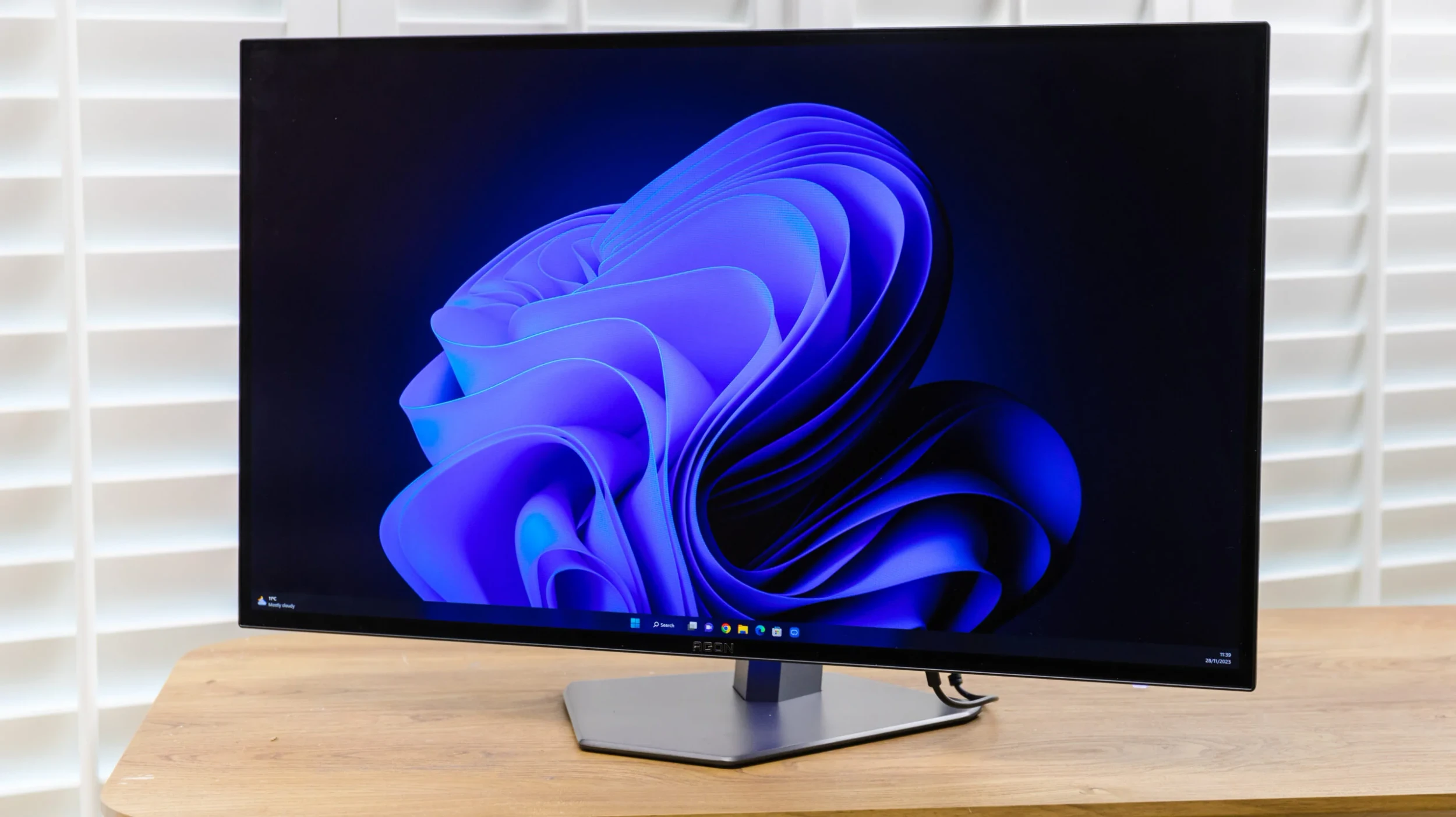
Despite only supporting basic HDR10 and lacking VESA TrueBlack HDR certification, the combination of wide color gamut, high brightness, and infinite contrast ratio of OLED technology still delivers a vivid HDR experience. The matte finish also helps control light reflections effectively.
Gaming performance and additional features
With a GtG response time of just 0.03 ms and a 240Hz refresh rate, the AG276QZD delivers near-perfect motion fidelity. Phenomena such as ghosting or blurring were completely absent in our tests. Official Nvidia G-Sync support also ensures a smooth, tear-free gaming experience.
The LightFX LED lighting system on the back offers customizable color effects, creating a soft, eye-friendly backlight for gaming in dark rooms. The monitor also features a pair of 5W speakers for high volume, however, the sound quality becomes rough and lacks bass when the volume is increased. Nevertheless, this is still a plus point considering that direct competitors from LG and Asus do not have built-in speakers.
Comparison and final selection
When compared to the Asus ROG Swift PG27AQDM and LG UltraGear 27GR95QE, the AOC Agon Pro AG276QZD shows nearly equivalent display performance due to using the same panel type. The main differences lie in design, connectivity ports, and auxiliary features. The Agon Pro stands out with its unique design, compact stand, and integrated speakers. Ultimately, users should choose based on price at the time of purchase and personal design preferences, as all three products deliver top-notch image quality.
Detailed specifications
| Parameter | Detail |
|---|---|
| Panel size | 26.5 inches, flat |
| Panel resolution | 2,560 x 1,440 |
| Original color depth | 10-bit |
| Panel refresh rate | 240 Hz |
| Panel response time | 0.03 ms GtG |
| Panel type | OLED |
| Adaptive synchronization support | G-Sync compatible |
| HDR support | HDR10 |
| Connection port | HDMI 2.0 x 2, DisplayPort 1.4 x 1, USB Type-A 3.2 Gen 1 x 2, USB Type-B 3.2 Gen 1 x 1, 3.5 mm audio jack x 1 |
| Built-in speaker | 5W x 2 |
| Customize the base | Rotates horizontally 30 degrees left/right, tilts -4/+21.5 degrees, adjusts height by 130 mm, rotates vertically 90 degrees. |
| Dimensions (with stand) | 605 x 527 x 234 mm (Maximum Width x Height x Depth) |
| Weight (with base) | 6.4 kg |