
The Dolphin emulator achieves lower latency than the original GameCube console.
The latest update to Dolphin Emulator delivers superior input response speed, addressing the biggest weakness of emulation technology compared to the original hardware.
One of the inherent drawbacks of video game emulation, especially official solutions like the GameCube emulator on Nintendo Switch Online (NSO), is the increased input lag. However, the developers of the open-source project Dolphin have just announced a significant breakthrough, allowing for response speeds far exceeding those of the original hardware.
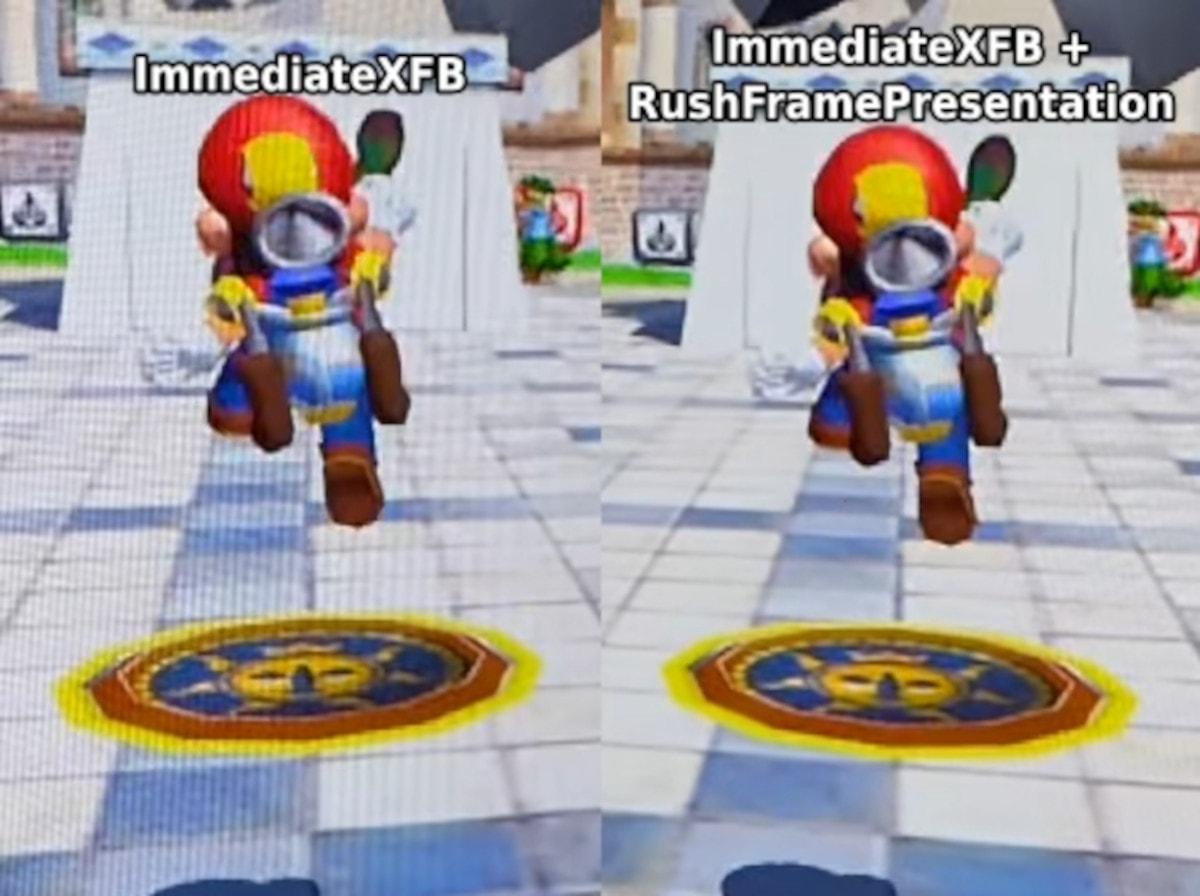
Breakthrough in low-latency emulation technology
According to the latest report from the Dolphin team, the new update focuses on optimizing how signals are processed from the controller to the emulator. Typically, the emulation process requires extra time to convert commands from software to hardware, resulting in a slower response time compared to playing on a real console.
By implementing new low-latency options, Dolphin not only closed this gap but also achieved faster processing performance than older electronic components from the 2000s. This is a significant achievement, demonstrating the power of the open-source community in maintaining and upgrading classic gaming experiences on modern devices.
The difference compared to Nintendo's solution.
When compared to the GameCube emulator on Nintendo's NSO service, the difference becomes clear. While official solutions often prioritize stability and broad system compatibility, Dolphin focuses on in-depth technical performance tuning.
This update helps gamers who demand extremely high precision, especially in fast-paced fighting or action games, to get the best possible experience without relying on outdated hardware that is difficult to find replacement parts for.
Thanh Vinh