

Analyzing the power of the HF-2E cruise missile: Taiwan's strategic deterrent weapon.
The HF-2E missile is a long-range ground attack weapon capable of flying close to complex terrain, playing a key role in asymmetric defense strategies.
The unexpected appearance of a convoy of military vehicles carrying large container-launchers (TELs) on Taiwan's eastern coastal road recently attracted the attention of defense analysts. Images showing the TELs moving from Hualien to Taitung are believed to belong to the HF-2E system, a strategic weapon rarely publicly displayed since its launch in the early 2000s.
Aerodynamic specifications and design
Despite its name Hsiung Feng (Heroic Wind), which is associated with anti-ship missiles, the HF-2E is actually a land-attack cruise missile (LACM) flying at subsonic speeds of Mach 0.8-0.9. In terms of design philosophy, the HF-2E shares many similarities with well-known cruise missiles such as the American Tomahawk or the Chinese CJ-10.

The missile has a long, cylindrical body with two foldable lifting wings. The initial launch phase uses a solid-fuel propulsion system, followed by a turbofan engine for the cruise phase. This engine allows the HF-2E to save fuel and achieve a strategic range far exceeding that of traditional rocket-powered missiles.
Sophisticated multi-mode navigation system
The strength of the HF-2E lies in its combined inertial navigation system (INS) and satellite positioning (GPS). In the event of GPS signal jamming, the missile will switch to terrain matching technology (TERCOM). The altimeter radar will scan the surface below and compare it with a digital map to adjust its trajectory.
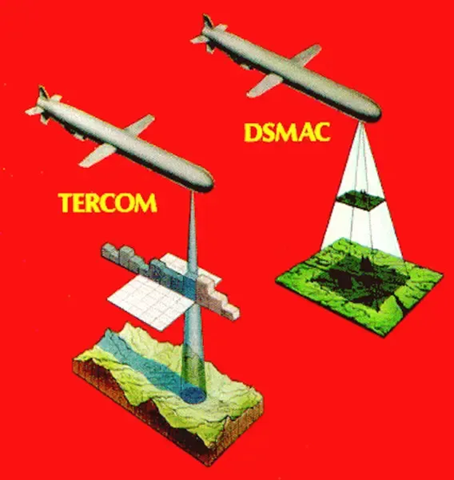
In the later stages, improved variants used infrared seekers or electro-optical sensors to identify targets. The ability to fly low, hugging mountain slopes, helped the HF-2E minimize detection by enemy radar, achieving a circular error probability (CEP) of only a few meters.
Variant stratification and strategic range
The HF-2E program was developed with multiple variants to meet different operational requirements. Specifically:
| Variant | Estimated range | Main objective |
|---|---|---|
| HF-2E standard | 300 - 600 km | Seaports, radar stations, coastal bases |
| Hsiung Sheng (Raising the bar) | 1,000 - 1,500 km | Air base, domestic command center |

Besides range, the ability to customize the warhead is a crucial factor. The missile can carry a single-block high-explosive warhead of 200-450 kg for surface targets, or a penetrating warhead for fortified underground bunkers.

Asymmetrical deterrence tactics
In the regional military balance, the HF-2E is positioned as an asymmetrical deterrent. Instead of a race for quantity, the system focuses on survivability through mobile TEL (Transit-Engineer) vehicles. The "fire and withdraw" tactic allows missile units to hide in complex terrain, enabling counterattacks even in the face of a preemptive strike.
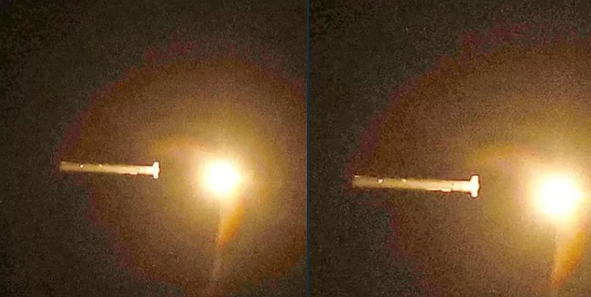
However, the effectiveness of the HF-2E largely depends on the operational chain of real-time reconnaissance and data transmission. In a strong electronic warfare environment, maintaining a stable link between the command center and mobile units will be a decisive challenge to the power of this missile system.