

Weapons trends in 2025: The rise of smart UAVs and hypersonic missiles.
Military technology in 2025 will witness breakthroughs in autonomous unmanned systems and a race among global powers to develop hypersonic weapons.
2025 marks a significant shift in global military technology as unmanned aerial vehicles (UAVs) and hypersonic weapons become central to the defense strategies of many nations. The combination of artificial intelligence and practical combat platforms is gradually changing the thinking behind military deterrence and the modern form of conflict.
The development of unmanned systems and artificial intelligence.
Intelligent unmanned systems are currently leading military research, with a trend towards enhancing stealth capabilities and operational autonomy. Many countries have made significant strides in integrating AI into their flight platforms. For example, Russia has announced the successful development of a fully automated "swarm UAV" system, while the US Air Force has launched a new generation of long-range stealth attack and reconnaissance UAVs using hybrid gasoline-electric engines.
Notably, the US Army tested a vision-guided UAV in real combat conditions for the first time; Turkey's upgraded TB-2 UAV set a new record for flight altitude; and India launched a "dual-stealth" UAV capable of evading both radar and infrared sensors.
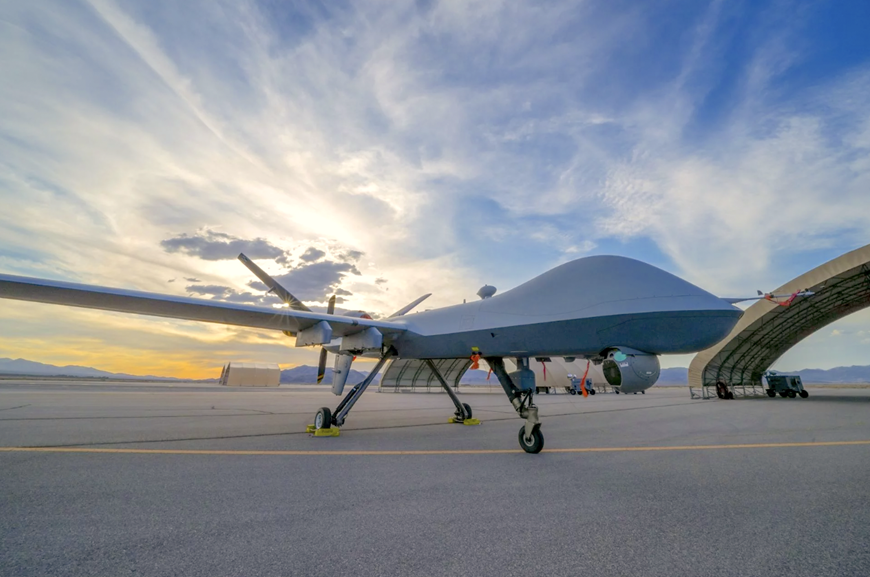
Furthermore, the trend towards "maintaining the primary role" of UAVs is becoming increasingly evident, with models like the MQ-28A (a US-Australia collaboration) successfully testing air-to-air missiles for the first time. The concept of human-machine-based combat is also being promoted. US F-22 fighters successfully controlled the MQ-20 UAV to perform a simulated attack mission, while Australia demonstrated the ability to simultaneously coordinate multiple aircraft from its E-7A early warning aircraft.
A breakthrough in the hypersonic weapons race.
The hypersonic arms race in 2025 is no longer the exclusive domain of superpowers. South Korea has released images of its "Haekor" hypersonic cruise missile test, Pakistan has successfully tested a new generation of hypersonic anti-ship missiles, and Japan has completed a domestic test firing of a "high-speed glide projectile." India has also made its mark with the BM-04 hypersonic glide ballistic missile and plans to develop 12 different missile systems in the next decade.
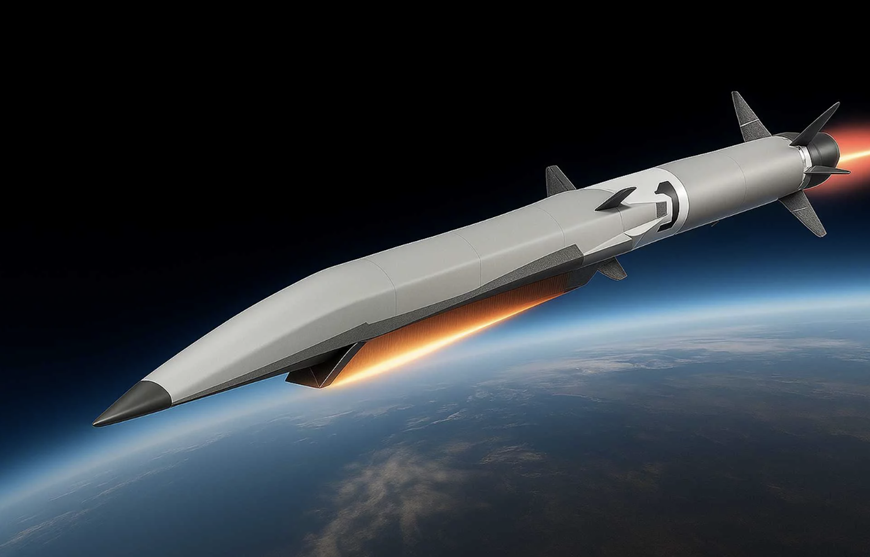
Meanwhile, Russia continues to expand this weapon system by establishing the first "Oreshnik" hypersonic missile brigade. The Russian Navy has also commissioned the Perm nuclear submarine equipped with Zircon missiles. Conversely, the US is focusing on testing new projects after adjusting the AGM-183A programs and shifting its focus to "Conventional Rapid Strike." The US Army has now begun deploying the "Dark Eagle" hypersonic missile on a limited scale.
Changing the mindset regarding military force building.
Instead of pursuing risky technologies, the 2025 trend shows nations adopting a more pragmatic approach. Combining selective innovation with upgrades to existing platforms allows for the rapid development of combat capabilities. This not only meets complex security requirements but also lays the groundwork for profound transformations in the organization and use of armed forces in the future.