

Analysis of US missile debris in Venezuela: The appearance of JAGM and MQ-9 Reaper.
Field evidence from the Alta Guajira region suggests that the US military used advanced guided missiles such as the AGM-179A JAGM or AGM-114 Hellfire in recent covert attacks.
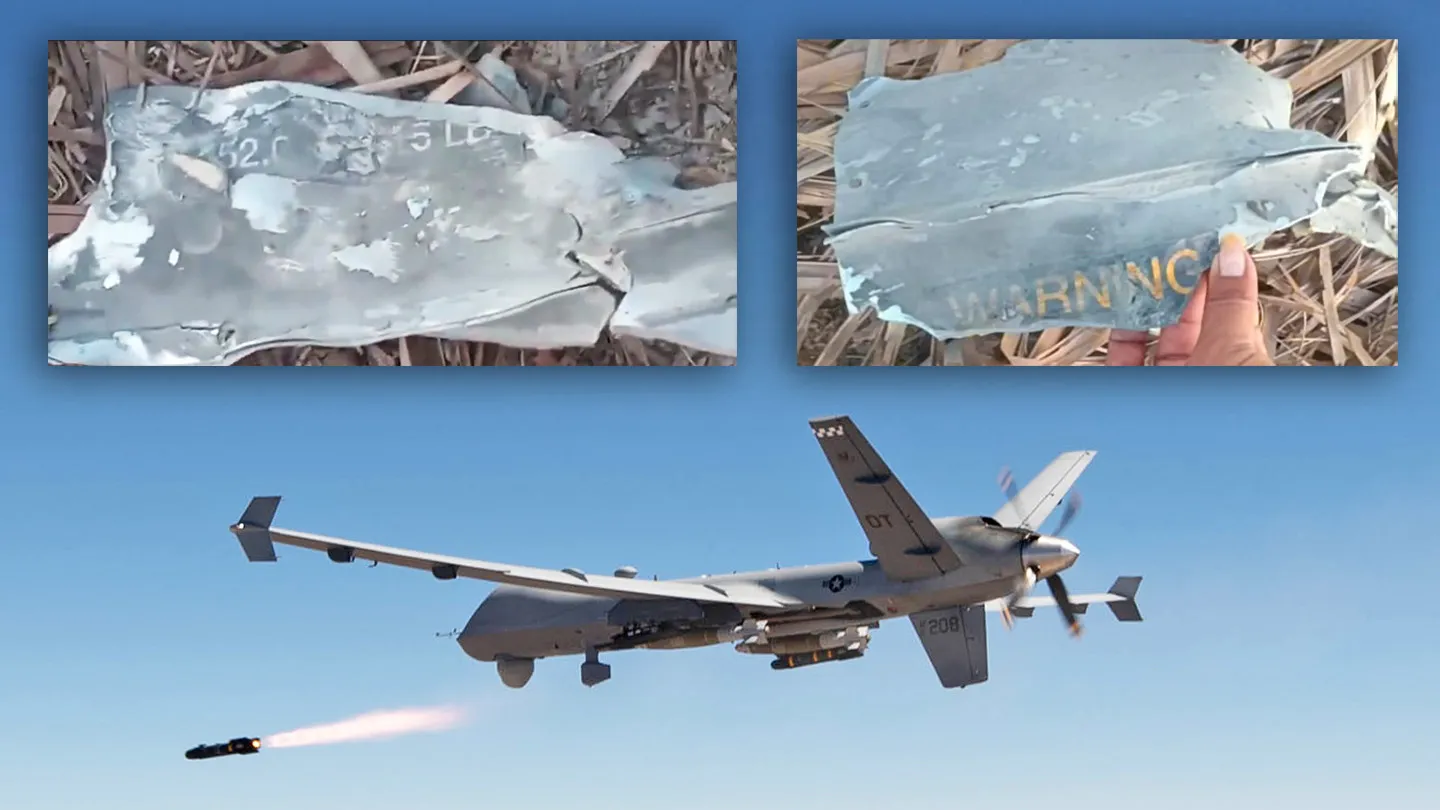
The discovery of distinctive missile fragments in the far northwest of Venezuela has provided crucial clues about the type of weapon and combat methods the U.S. is employing in the Caribbean. Based on technical markings, military experts believe these are JAGM or Hellfire missiles, often deployed from MQ-9 Reaper unmanned aerial vehicles (UAVs) in operations targeting ground targets and smuggling vessels.
Technical evidence from the field
The Telemundo television network and reports from the Wayuu indigenous community in Alta Guajira, Venezuela, documented a large explosion on December 18th. Recovered debris later revealed unmistakable markings characteristic of a US-made precision weapon. Specifically, the small fragments bore the inscription "WARNING" and the number "52.0"—standard markings commonly found on the AGM-179A (JAGM) missile and some variants of the AGM-114 Hellfire.
This information aligns with US President Donald Trump's statement on December 26th about a secret attack targeting a "port facility" or "dock" in Venezuelan territory. Intelligence sources indicate the operation was carried out by CIA drones, rather than by openly deployed regular military units.
Weapon analysis: AGM-179A JAGM vs. AGM-114 Hellfire
The AGM-179A JAGM (Joint Air-to-Ground Missile) is a technological advancement developed directly from the AGM-114R Hellfire variant. Despite having almost identical rear sections, the JAGM possesses superior technical characteristics:
- Navigation system:JAGM uses a dual-mode seeker, combining semi-active laser guidance and millimeter-wave radar. This allows the missile to operate effectively in all weather conditions and against more sophisticated moving targets than the traditional Hellfire.
- Weight:A standard JAGM weighs approximately 52 kg (115 pounds), perfectly matching the "52.0" inscription on the debris found in the site. Meanwhile, the standard Hellfire R variant weighs around 49 kg.

Notably, MQ-9 Reaper aircraft operating from Rafael Hernandez Air Base in Puerto Rico have recently seen a significant increase in their weapons payload. Local observers have noted that each Reaper can carry up to 10 missiles under its wings, indicating a major shift in the pace of combat operations in the Caribbean region.
Tactics and operational scale of the MQ-9 Reaper
The use of the MQ-9 Reaper demonstrates that it is the optimal choice for the US for covert infiltration and attack missions. With its wide operational range and ability to fly for extended periods over targets, the MQ-9 allows for precise strikes without the need for a direct ground military presence.
According to data from the military news website TWZ, from September 2nd to December 29th, the US military launched attacks on 31 suspected drug trafficking vessels in the Caribbean and Eastern Pacific. This averages one attack every four days. This trend indicates a shift from surveillance to more intense and concentrated firepower.
Geopolitical consequences and impacts
The increased pace of attacks and the deployment of advanced weapons such as JAGM reflect a comprehensive pressure campaign against the Maduro regime. Alongside economic sanctions, the US is leveraging its drone technology to conduct deterrent strikes. Experts believe this is part of a large-scale air, naval, and ground force buildup that the US has been preparing in the region for months. While current strikes remain focused on covert targets or smuggling vessels, the possibility of overt military action remains open, depending on further developments in the situation.