

F-16V fighter jets experienced loss of control due to software errors following an upgrade.
The crash of F-16V fighter jet number 6700 in Taiwan revealed serious software flaws in modernized aircraft, causing pilots to become disoriented.
A Taiwanese Air Force F-16V fighter jet, serial number 6700, crashed into the sea on January 6 during a routine training flight. According to technical reports, the primary cause of the incident was a malfunction in the onboard computer system, leading to severe disorientation of the pilot.
The plane took off from Hualien Air Base at 6:17 p.m. (local time). However, at 7:29 p.m., the command center completely lost contact with the pilot when the aircraft was approximately 10 miles east of the coast of Fengbei. Fortunately, the pilot managed to parachute out and was safely rescued shortly afterward.
Systemic risks from software modernization
Citing Military Watch (MW) magazine, military experts say the computer systems on these fighter jets began to malfunction after receiving a software update. This is part of a comprehensive modernization plan to upgrade older F-16A/B versions to the more advanced F-16V standard.
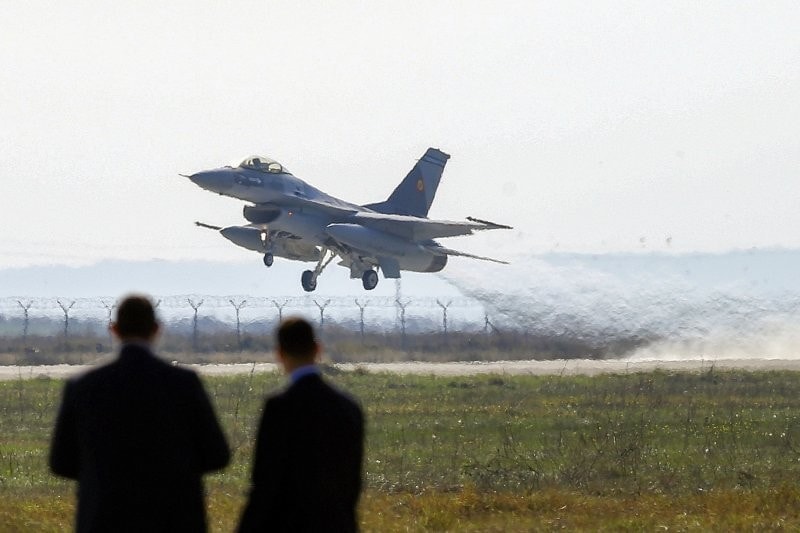
This "reprogramming" process appears to have caused unforeseen conflicts in the flight control system. Notably, similar incidents had been recorded previously but were not widely publicized. Some aircraft, after the upgrade, spontaneously performed uncontrolled circular aerobatic maneuvers, directly threatening the lives of pilots. Technical records show that at least two similar serious errors occurred between 2024 and 2025 at Chiayi Air Base.
Sensor failure and unreliability of backup devices.
Besides flight control errors, the F-16V also faces the problem of false alarms from its radar sensors. The system frequently issues warnings about non-existent threats while ignoring actual targets from different directions. This puts psychological pressure on pilots and disrupts their judgment in complex combat or training situations.
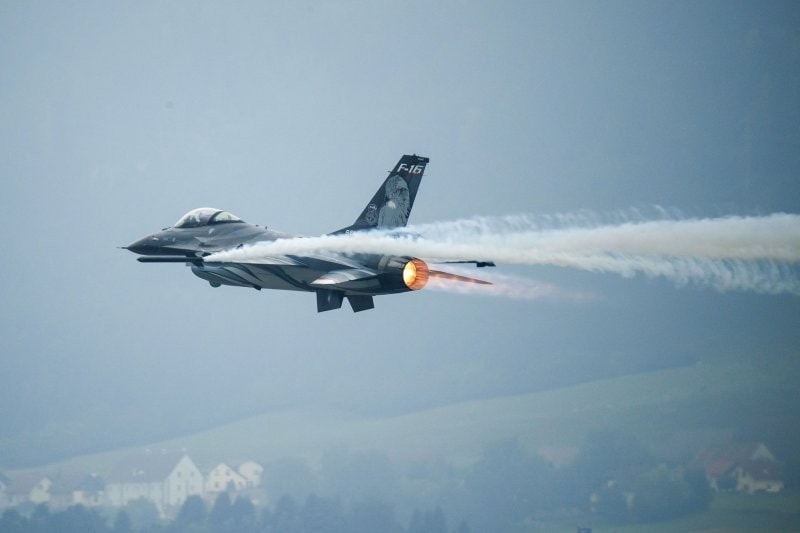
In particular, during nighttime flights or in cloudy weather, pilots and engineers warn that even backup posture indicators cannot be entirely reliable. The rate of electronic equipment failure after upgrades is alarmingly high, making disorientation due to computer errors a major threat to the air force.
Technical connection with the F-35 stealth fighter jet.
Software problems are not limited to Taiwan but also appear on many other modern Western aircraft. Because the F-16V uses many electronic components and software structures similar to the F-35 stealth fighter, experts have found similarities in recent accidents.
- October 2022:A U.S. F-35 nearly crashed at Hill Air Force Base due to a software malfunction that caused the aircraft to tilt sharply and lose control during landing.
- 2019:A Japanese F-35 crashed into the sea after the pilot lost his spatial orientation due to a similar system malfunction.
Military observers believe that integrating too much automation technology and complex software into older aircraft airframes is creating unprecedented technical risks, requiring manufacturers to review their entire flight control system update process.