

Farmers in the mountainous areas of Nghe An province are proactively protecting their buffalo and cattle herds from the cold.
In early January 2026, a verstärkt cold front caused severe cold weather in many communes in western Nghe An province. Nighttime and early morning temperatures in the highlands dropped to below 9°C in some areas, accompanied by prolonged frost. Faced with this harsh weather, the authorities and people of the mountainous communes proactively and comprehensively implemented measures to protect their cattle and buffalo herds and minimize losses.
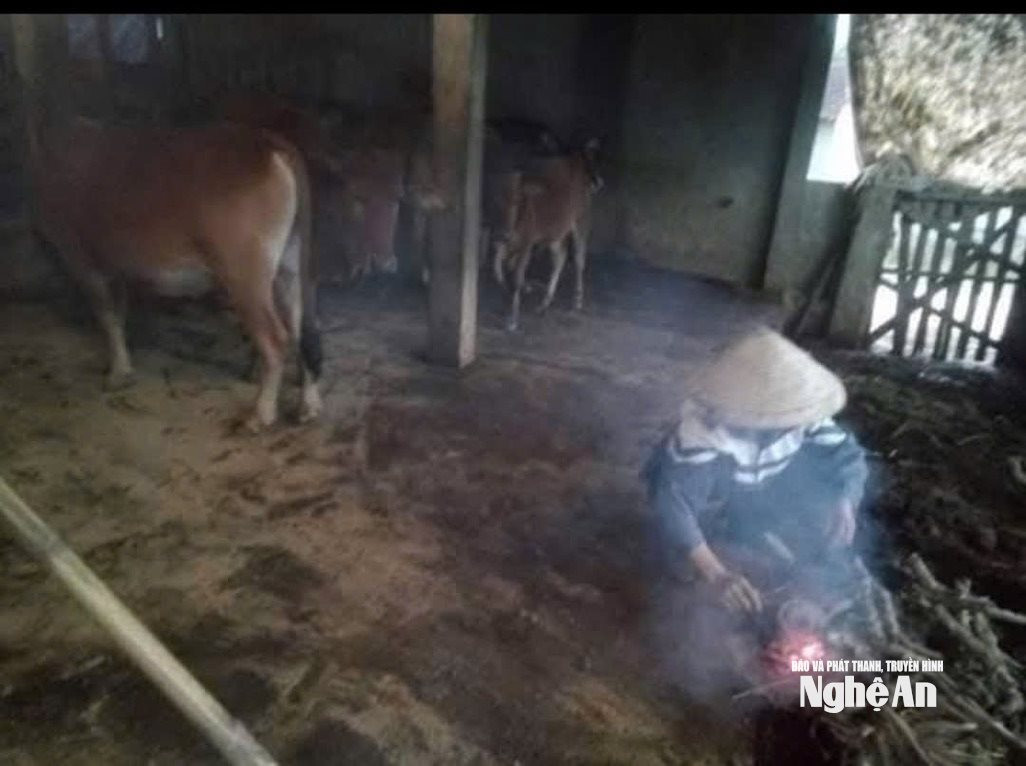
In Tam Quang commune, the low temperatures at night and in the early morning cause many livestock farmers to worry about their herds, which are accustomed to free-range grazing in the fields.
Ms. Nguyen Thi Thuong's family, residing in Bai So village, is one of the longest-standing buffalo and cattle farming households in the area. Ms. Thuong said that from the evening of January 6th until now, the weather has turned very cold, with biting winds and thick fog, making outdoor grazing unsuitable. "Previously, my family used to let our buffalo and cattle roam freely in the fields to find food. However, the weather has been too cold these past few days, so we have to bring them all back to the barn for easier care and to keep them warm," Ms. Thuong shared.
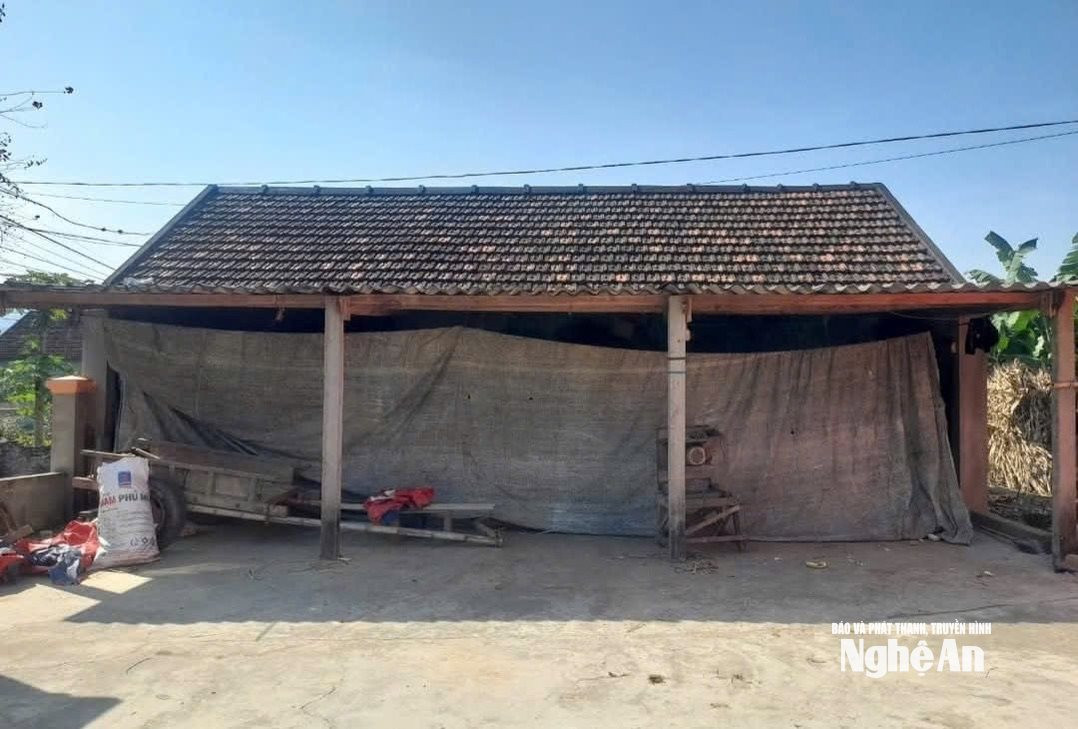
Learning from the severe cold spells of previous years, this year, as soon as they monitored the weather forecast, the family proactively reinforced their livestock shelters by covering them with tarpaulins to limit drafts. They also stockpiled enough roughage such as grass and dry straw for at least a week. At night, family members took turns burning firewood to warm the buffalo and cattle, helping the animals maintain their body temperature and reduce the risk of exhaustion due to the cold.
According to Ms. Nguyen Thi Yen, a specialist at the Economic Department of Tam Quang commune, the commune currently has more than 7,000 buffaloes and cows. Before this year's winter, the local authorities requested livestock farmers to bring all free-ranging buffaloes and cows back to centralized enclosures; at the same time, they instructed people to reinforce barns, provide windproof shelters, proactively secure feed sources, and implement appropriate warming measures.
"Thanks to the early and coordinated implementation of measures to prevent and combat cold weather, no cases of cattle dying from the cold have been recorded in Tam Quang commune so far," Ms. Yen said.
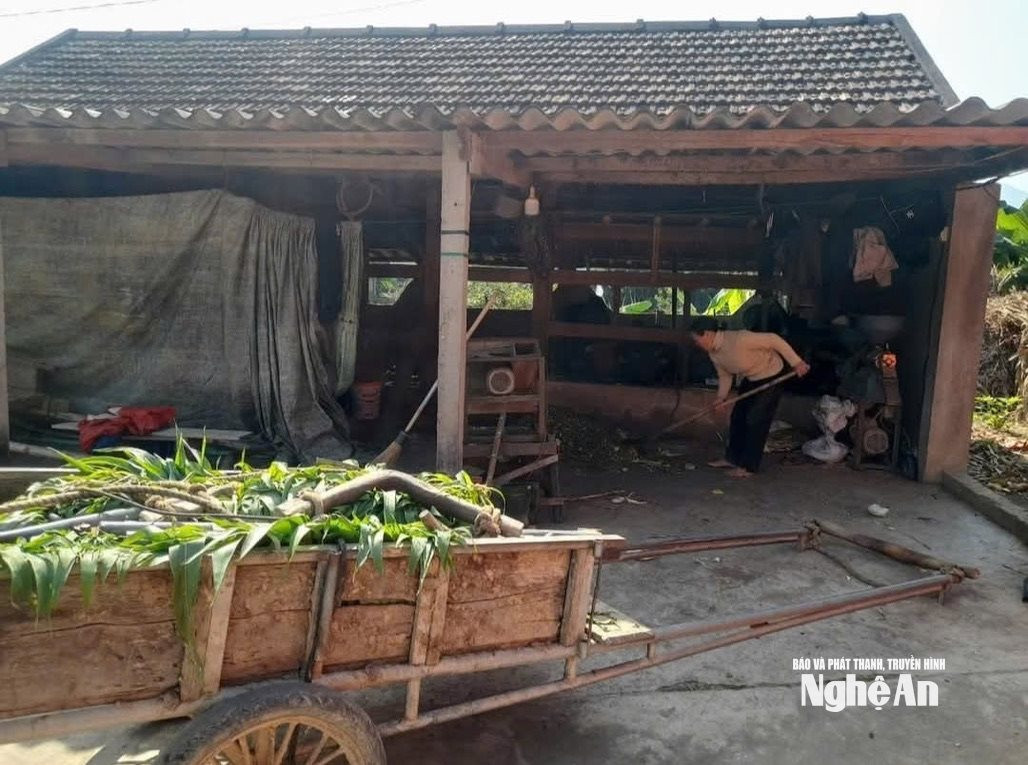
In Tuong Duong commune, home to nearly 9,000 buffaloes and cows, people are also actively responding to the severe cold. Considering livestock farming as their main occupation, for many years, Mrs. Vi Thi Huong's family in Khe Ngau village has closely monitored weather developments to proactively protect their herd of cattle.
“Every winter, my family covers the barn with tarpaulins and stockpiles straw and hay to supplement the feed. In the evenings, we light fires to warm the herd. Thanks to this, for many years, our cattle herd has always thrived, and we haven't had any deaths due to hunger or cold,” Ms. Huong shared.
According to Ms. Nguyen Thi Binh, Director of the Public Service Supply Center of Tuong Duong commune, due to the long-standing habit of free-range grazing, changing the livestock farming practices of the people in winter faces many difficulties. However, the commune government has intensified propaganda and provided specific guidance to each household on measures to protect buffaloes and cattle from the cold.
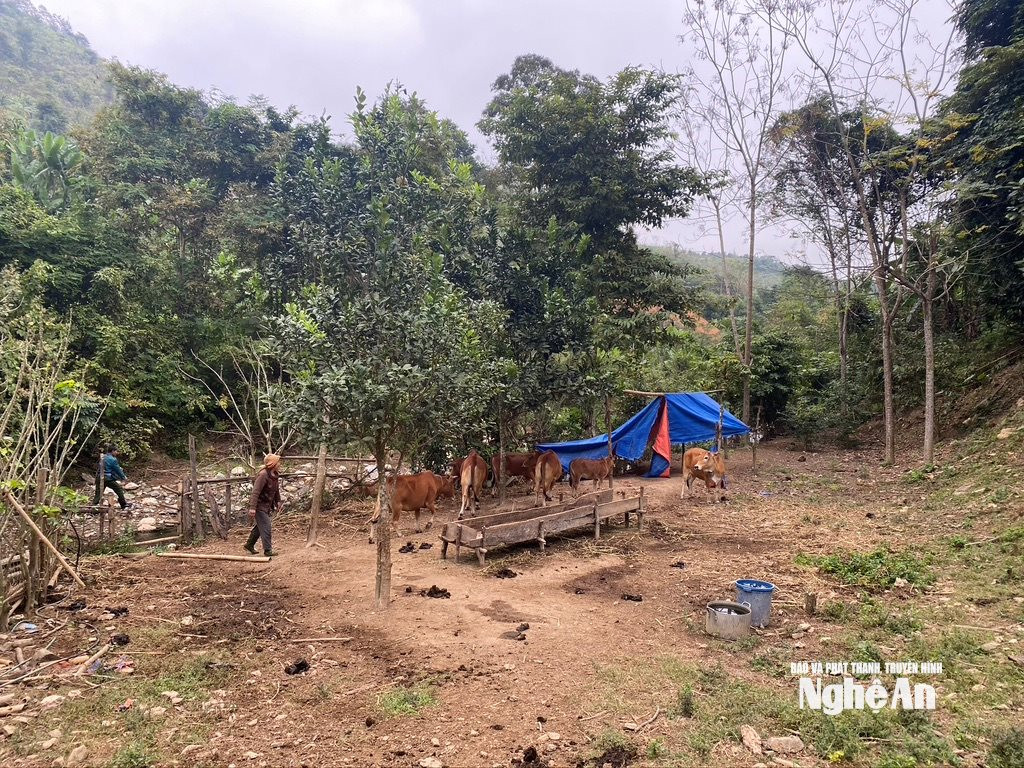
In particular, emphasis should be placed on reinforcing barns to ensure they are airtight and dry; preparing tarpaulins and bamboo screens for shelter when temperatures drop; and stockpiling fuel such as firewood, rice husks, and sawdust to warm the livestock. Regarding feed, people are advised to take good care of their pastures, stockpile straw and corn stalks, process silage, and utilize agricultural by-products. In addition, it is necessary to supplement the feed with concentrated feed, minerals, and vitamins to increase the resistance of buffaloes and cattle during cold days.
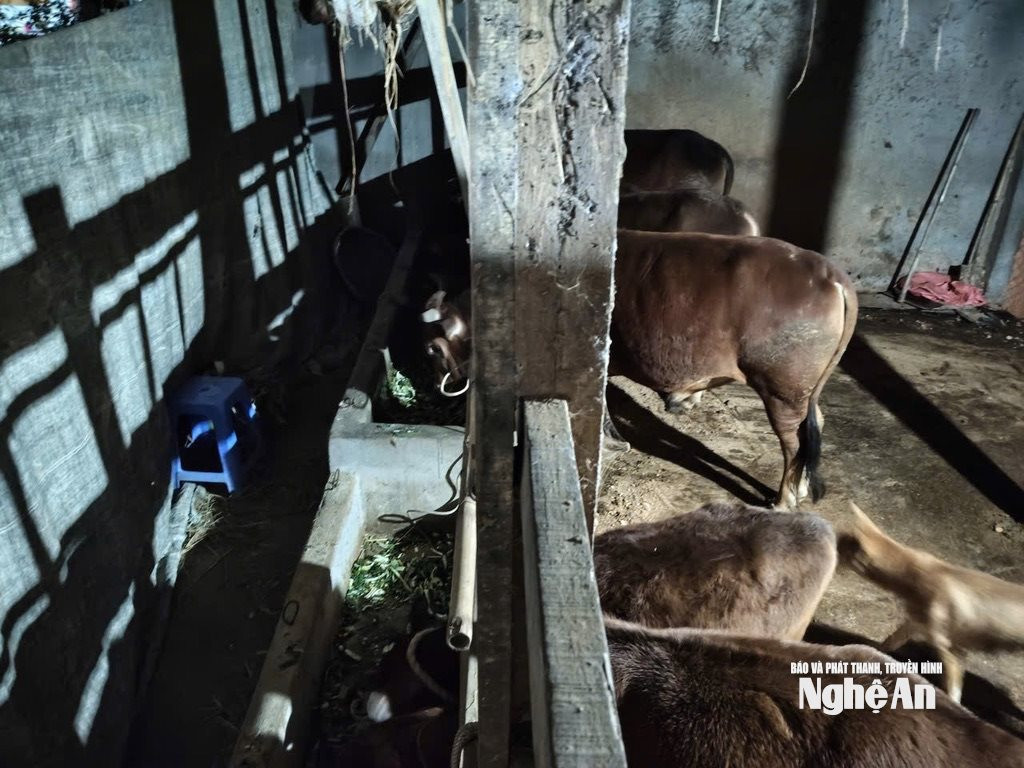
When temperatures drop below 12°C, local authorities strictly prohibit allowing buffalo and cattle to roam freely in forests and mountains; they must be kept in sheltered pens, heated at night, given warm water mixed with salt, and fed increased amounts of concentrated feed. Old and weak buffalo and cattle, as well as young livestock, require special care to minimize the risk of disease outbreaks.
In anticipation of prolonged severe cold weather, the Nghe An Department of Agriculture and Environment has directed localities to implement comprehensive measures to protect livestock from cold and hunger. Professional teams from communes have been mobilized to conduct on-site inspections, guide people in sheltering livestock, treating damp barn floors, ensuring sufficient feed supplies, and intensifying hygiene, disinfection, and sterilization to limit disease outbreaks.
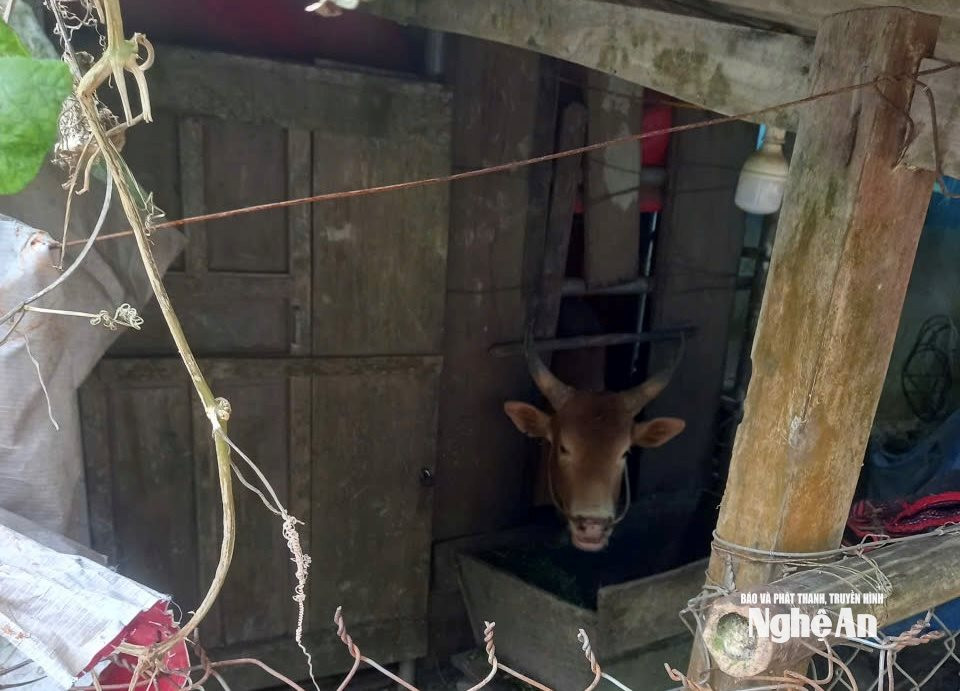
With the decisive involvement of authorities at all levels and the proactive awareness of the people, the work of preventing and combating cold weather for buffalo and cattle herds in the mountainous communes of Nghe An province is being implemented effectively, contributing to protecting livelihoods, stabilizing production, and minimizing damage caused by harsh weather conditions.