

Innovating thinking, strategic vision, and nation-building.
The draft Political Report of the 13th Central Committee of the Party presented to the 14th Party Congress affirms that, during the 2020-2025 term, the work of building and rectifying the Party and the political system achieved many "very important results, with outstanding and unprecedented breakthroughs."
This includes a revolution in the organizational structure of the political system towards a streamlined, efficient, effective, and effective model, aiming to create a new strategic, long-term development model.
Institutional breakthroughs, fostering development.
The task of streamlining the organizational structure of the political system has always been a priority for the Party, and numerous policies and resolutions have been implemented to address it. The 6th Plenum of the 12th Central Committee, on October 25, 2017, issued Resolution No. 18-NQ/TW on streamlining the organizational structure for effective and efficient operation. After more than seven years of implementation, based on the achievements and existing shortcomings, the Central Committee conducted a review of Resolution No. 18-NQ/TW and unanimously agreed to continue implementing the streamlining of the political system's organizational structure towards a lean, efficient, strong, effective, and efficient system.
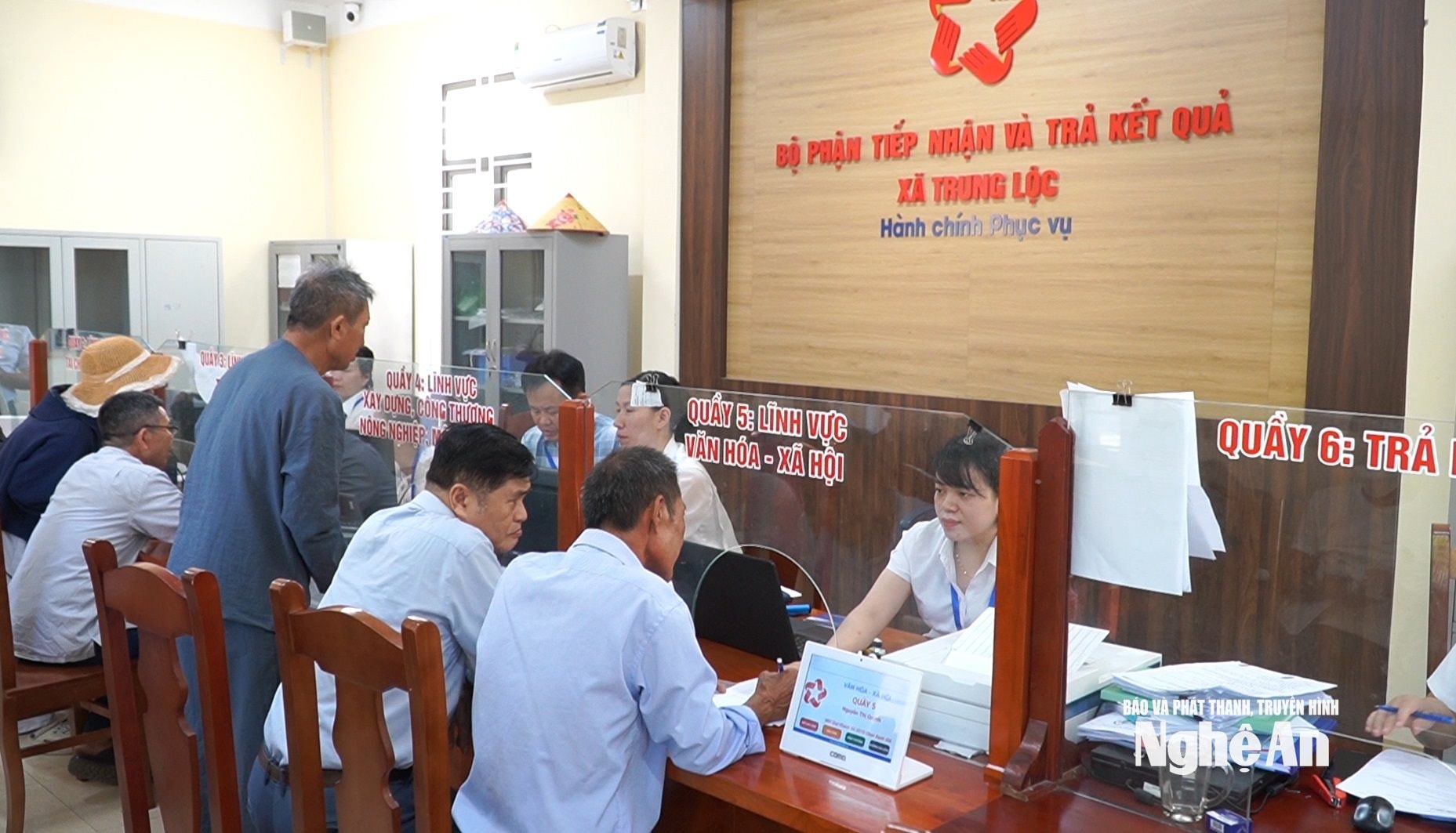
With urgency and decisiveness, the entire political system undertook an enormous amount of work. The reorganization of the administrative apparatus was carried out extensively; the restructuring and merger of agencies and organizations at both the central and local levels; the adjustment of provincial administrative boundaries; the establishment of a two-tiered local government system, the elimination of the district level; and the merger of commune-level administrative units, on the largest scale in modern history.
As a result, we have reduced the number of central-level agencies by 34.9%, and 100% of Party committees and Party leadership boards; adjusted administrative boundaries, reducing the number of provincial-level units by 46%; and merged commune-level administrative units, reducing the number of commune-level units by 66.9% compared to the period before October 2024. From July 1, 2025, the two-tiered local government model will officially come into operation, immediately beginning to implement the Party's socio-economic development policies and resolutions and serving the legitimate needs and interests of the people.
The revolution in streamlining the political system has created a crucial impetus in implementing the Resolution of the 13th National Congress of the Party. During the 2020-2025 term, amidst numerous difficulties and challenges, the country maintained stability and continued to achieve very important and comprehensive results. In 2025, GDP growth is projected to reach 8.02%, placing it among the world's leading economies. The average growth rate for the 2021-2025 period is expected to be around 6.3%, higher than the previous period. GDP in 2025 is projected to reach US$514 billion, a 5-rank increase, reaching 32nd place globally; GDP per capita is expected to reach approximately US$5,026, 1.4 times higher than in 2020, placing Vietnam in the group of upper-middle-income countries, exceeding the set target.
New thinking, new vision.
From the outstanding breakthroughs achieved in a short period, the revolution in reorganizing the political system has left many profound theoretical and practical lessons. The first lesson is that the Central Committee has always been steadfast in its adherence to Marxism-Leninism and Ho Chi Minh Thought on building a state of the people, by the people, and for the people, while also building upon the lessons learned after 40 years of reform, researching and formulating policies with new thinking and a new vision for reorganizing the political system's apparatus in conjunction with national development.
The new revolutionary thinking is clearly demonstrated through the simultaneous streamlining of the entire system's organizational structure, adjustment of administrative boundaries, and implementation of a two-tiered local government system. This is not a decision based on pure willpower, but built on a solid theoretical foundation and a profound summation of the practical experience of the Vietnamese revolution. This policy is a scientific product, the crystallization of the courage and wisdom of the entire Party and people, formed through thorough and insightful discussions of the Central Committee, the Politburo, and the Secretariat over many sessions, along with the dedicated contributions of researchers, managers, scientists, and the broad opinions of cadres, Party members, and the people through the Vietnam Fatherland Front and other political and social organizations.
The Central Committee's policies, resolutions, and conclusions are imbued with innovative thinking, closely linking the realities of the Vietnamese revolution with the rapidly changing regional and global context, profoundly impacting the cause of national construction and development. Many new contents and elements have been established, clearly demonstrating the Party's wisdom, courage, and long-term strategic vision in shaping the overall model of the political system, linked to national construction and development.
The focus is on a strong shift from an administrative management mindset to a service-oriented, development-creating, and modern governance mindset; while simultaneously identifying new driving pillars, including: breakthroughs in science and technology development, national innovation and digital transformation; reforming the process of lawmaking and enforcement; promoting the role of the state-owned economy and affirming the private economy as one of the most important driving forces of the national economy...
The core lesson is the importance of innovative thinking, built upon the principles of democratic centralism, self-criticism, and criticism within the Party. In summarizing Resolution No. 18-NQ/TW, the Central Committee frankly acknowledged the limitations of the cumbersome and overlapping administrative apparatus under the old model, which not only increased the burden on the budget but also hindered socio-economic development.
Based on that, the Central Committee has determined a high level of political resolve and decisive, urgent action with the spirit of "Party-related matters first, the Central Committee first, then localities," demonstrating the pioneering spirit and willingness to think and act for the benefit of the people and the country of the Central Committee collective for the 2020-2025 term.
The revolution in restructuring and streamlining the political system's organizational apparatus not only demonstrates vision and determination to innovate thinking, but also makes a significant contribution to supplementing and developing the Party's theory on the reform line, creating a solid theoretical basis for the Central Committee to continue formulating the national development strategy in the next phase.
The revolution to streamline the organizational structure also demonstrates a practical lesson: when a genuine Party boldly innovates for the happiness of the people, it will harness immense power from the people.
The revolution to streamline the organizational structure also demonstrates a practical lesson: when a genuine Party boldly innovates for the happiness of the people, it will harness immense power from the people.
In a short period of time, despite facing many challenges, the reorganization of the administrative apparatus has received widespread support and consensus from the people, along with the efforts and responsible dedication of the cadres and Party members. Millions of opinions from all walks of life have expressed confidence in the Party's decisions; over 90% of the opinions surveyed showed agreement with the policy of streamlining the organizational structure. Principles such as "The Central Government sets the example, localities respond," "work until the job is done, not until the clock runs out," and "serving the people" are no longer just slogans, but have become practical actions, contributing to improving the effectiveness and efficiency of the apparatus and serving the people even better.
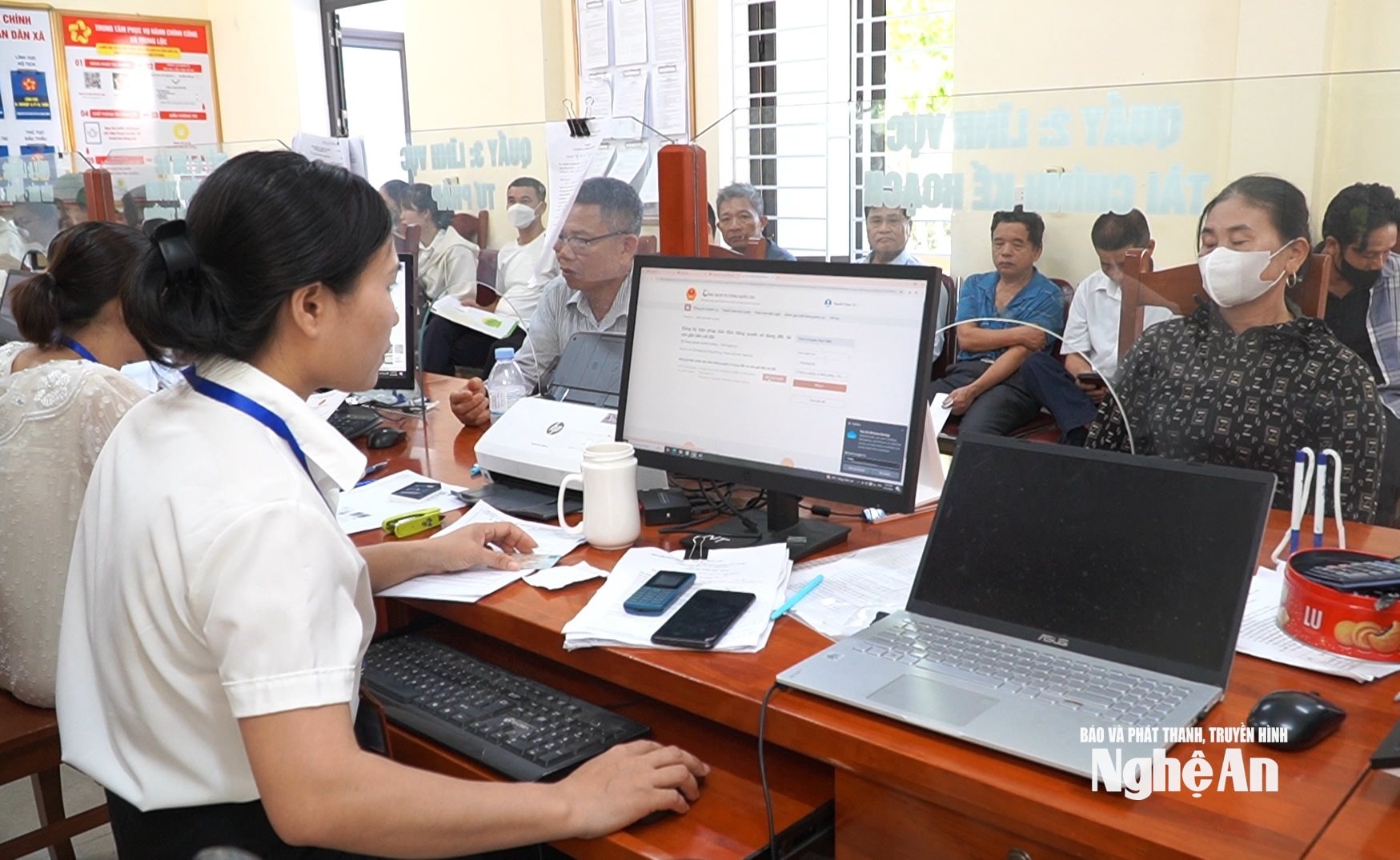
In June 2025 alone, just before the official implementation of the two-tiered local government model, the National Assembly completed the legal framework with 33 laws, including the Law on Organization of Local Government. From June 1st to November 20th, 2025, the Government continued to issue more than 150 decrees (including 30 decrees on decentralization and delegation of power).
Immediately after the two-tiered local government system came into operation, localities such as Ho Chi Minh City, Da Nang, Nghe An, Lai Chau, Dong Thap, etc., established departments to receive and respond to requests from grassroots levels. Quang Ngai and Quang Tri provinces deployed provincial-level officials to work and participate in the executive committees, standing committees, secretaries, deputy secretaries, chairmen, and vice-chairmen at the commune, ward, and special zone levels.
The draft document for the 14th Party Congress affirms the requirement: "To steadfastly apply and creatively develop Marxism-Leninism, Ho Chi Minh Thought, and the theory of the reform line"; and at the same time, "to operate smoothly, synchronously, and effectively the new organizational structure of the political system; to enhance the role, leadership capacity, governing power, and fighting strength of the Party, and the management, governance, and development-creating capacity of the State."
This is the solid foundation of confidence that enables the country to overcome challenges, seize opportunities, and move towards the goal of building a peaceful, independent, democratic, prosperous, civilized, and happy Vietnam, steadily advancing towards socialism.