
The Su-35 fighter jet leads in enemy kill performance in air combat.
Rostec Corporation confirmed that the Su-35S destroyed the most targets thanks to its overwhelming deployment numbers and the successful integration of the R-77M long-range missile from the Su-57 series.
The Russian state-owned defense corporation Rostec has just announced that the Su-35S fighter jet has destroyed more targets in air-to-air combat than any other fighter aircraft in the country's military. This aircraft is currently playing a key role in the Ukrainian battlefield thanks to its flexible combat capabilities and effective defense system.
The Su-35S's specialized air combat capabilities.
The Su-35S was developed as a comprehensive upgrade of the Soviet-era Su-27 series, with a maximum focus on air superiority. Rostec's press office asserts that advanced electronic warfare complexes and avionics systems are key factors in enabling pilots to achieve high performance.
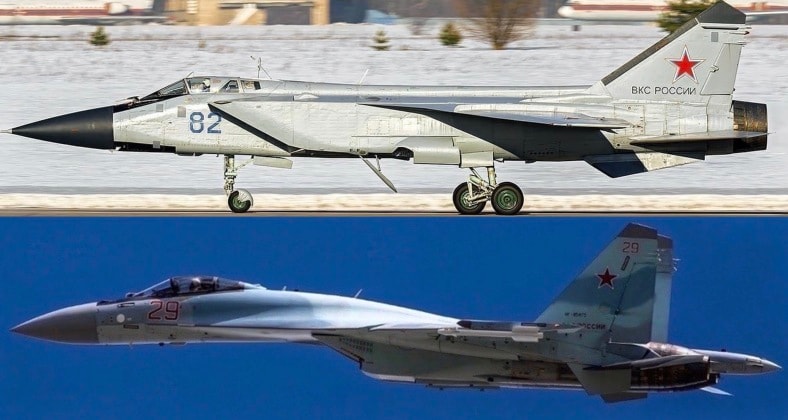
Compared to other aircraft such as the Su-30SM2 (multi-role, low-cost) or the Su-34 (ground attack specialist), the Su-35 is frequently prioritized for interception and direct air combat missions against a wide variety of targets.
The reason why the Su-35 leads despite being inferior in technical specifications.
From a technological standpoint, the Su-35 still has certain limitations when compared to the fifth-generation stealth fighter Su-57 or the interceptor MiG-31. Both the Su-57 and MiG-31 possess more powerful sensor systems. In particular, the MiG-31 has advantages in speed, ceiling, and weapons payload, allowing it to launch missiles from longer distances.
However, the Su-35 still leads in the number of enemy aircraft shot down due to its overwhelming deployment scale. While the Su-57 program has faced numerous delays and the MiG-31 is limited by high operating costs and priority missions in the Arctic, the Su-35 squadron is present in large numbers on the most active fronts.
Challenges for Western fighter jets
The presence of the Su-35 has created significant pressure on the Ukrainian air force. In early January, a Ukrainian F-16 pilot admitted that the Su-35's operation was the main obstacle preventing them from operating according to NATO doctrine. F-16 units were forced to adopt low-altitude flight tactics, utilizing the terrain for cover instead of engaging in direct combat.
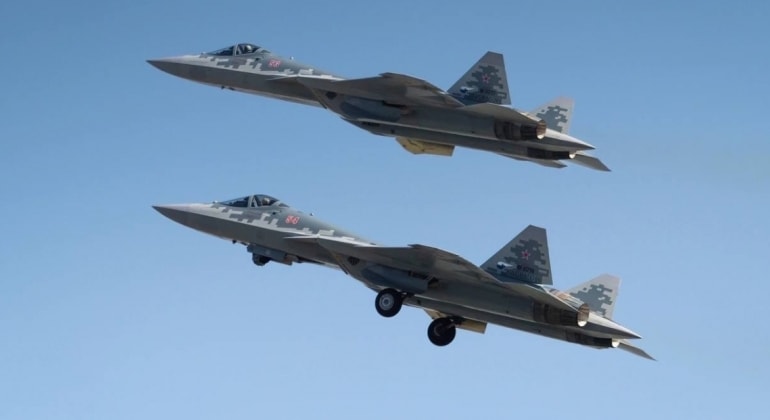
Rostec leader Sergey Chemezov also noted that fighter jets like the F-16 and Mirage 2000, supplied by the West, must operate entirely at low altitudes, deep in the rear, to avoid the range of the Su-35.
The turning point from the R-77M missile and its export prospects.
The Su-35's beyond-visual-range (BVR) capabilities have been significantly upgraded following the successful integration of the R-77M air-to-air missile. This weapon, originally designed specifically for the Su-57, helps the Su-35 overcome its weaknesses and increase its competitiveness against the world's most modern fighter jets.
Currently, Russia is ramping up production of this aircraft to meet domestic demand and international orders. After deliveries to Algeria in early 2025, countries such as Iran and Ethiopia are expected to receive the Su-35 in 2026. This move is expected to help Russia recover its defense export revenue after a period of volatility since 2022.
Thanh Vinh