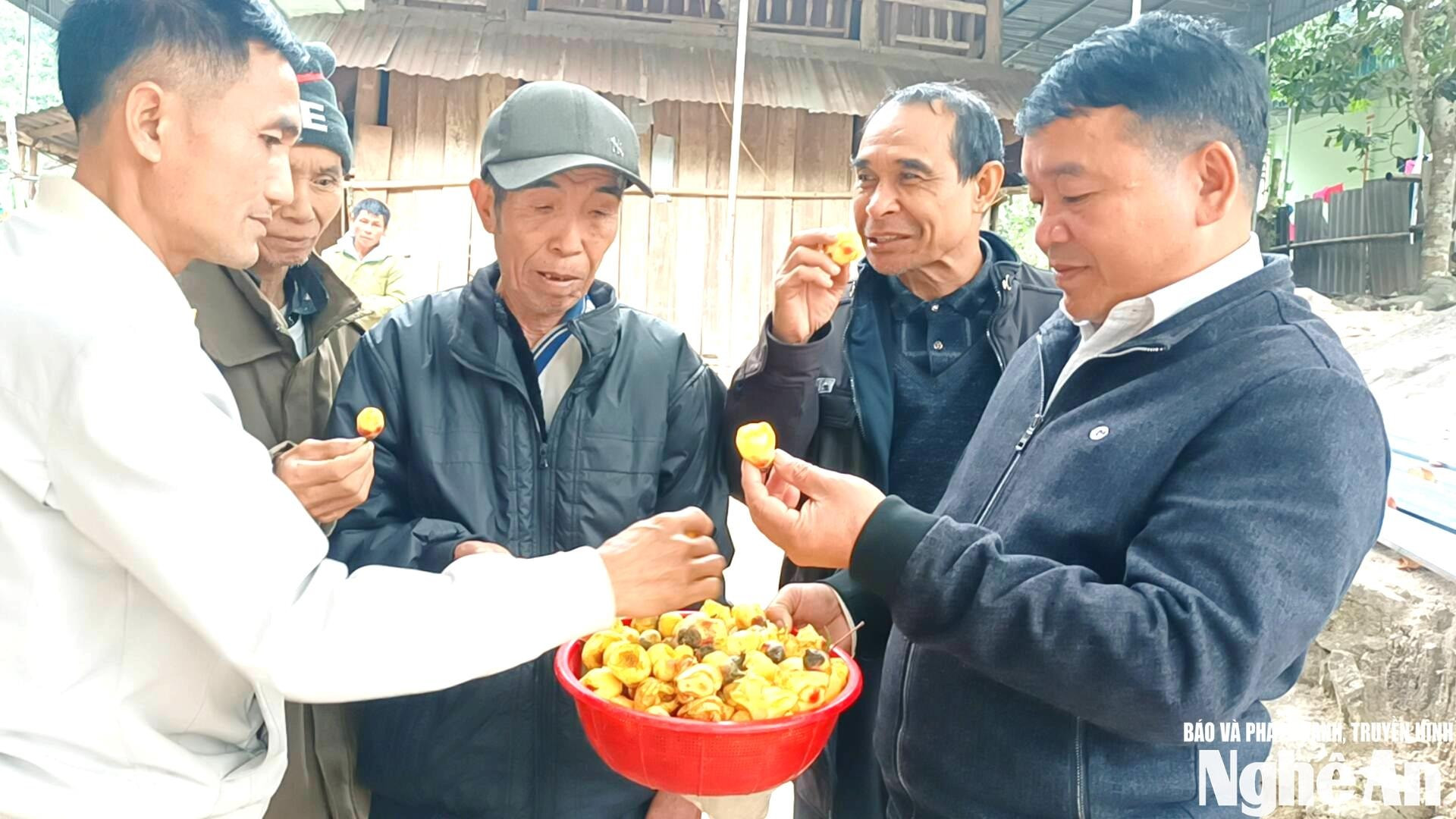
Creating livelihood opportunities from the golden flower tea plant in Na Lot
On a late winter morning, amidst the lingering mist that blankets the peak of Dong Na Lot, the golden-flowered tea plants silently awaken after the harvest season. Once a forest tree felled for firewood, the golden-flowered tea is now preserved, cultivated, processed, and marketed by the people of Na Lot, becoming a valuable specialty product and opening up a sustainable livelihood path for the mountain people.
.png)
Khanh Ly - Thanh Phuc/Present:Hong Toai• January 24, 2026
---------------o0o---------------
On a late winter morning, amidst the lingering mist that blankets the peak of Dong Na Lot, the golden-flowered tea plants silently awaken after the harvest season. Once a forest tree felled for firewood, the golden-flowered tea is now preserved, cultivated, processed, and marketed by the people of Na Lot, becoming a valuable specialty product and opening up a sustainable livelihood path for the mountain people.
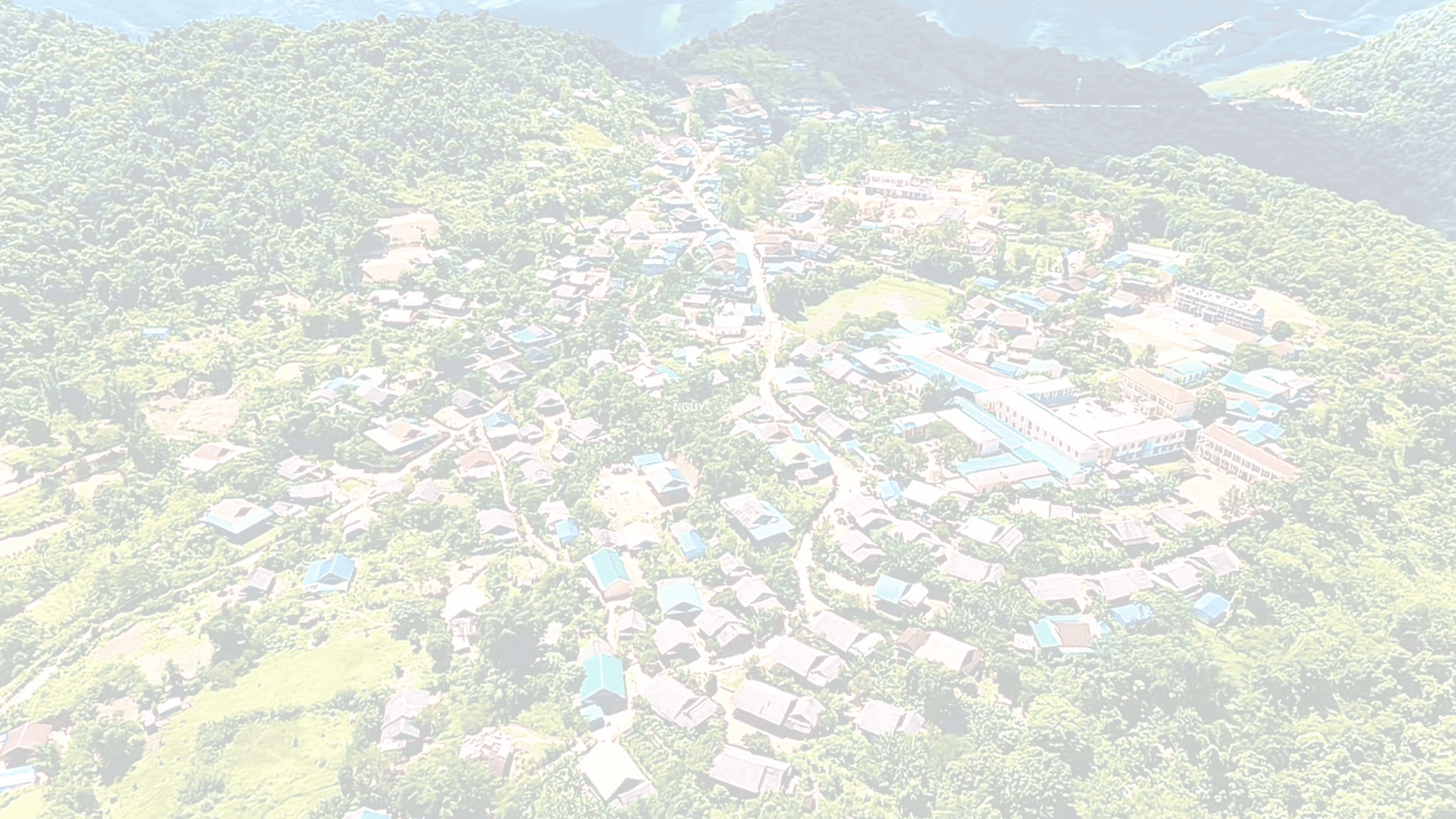
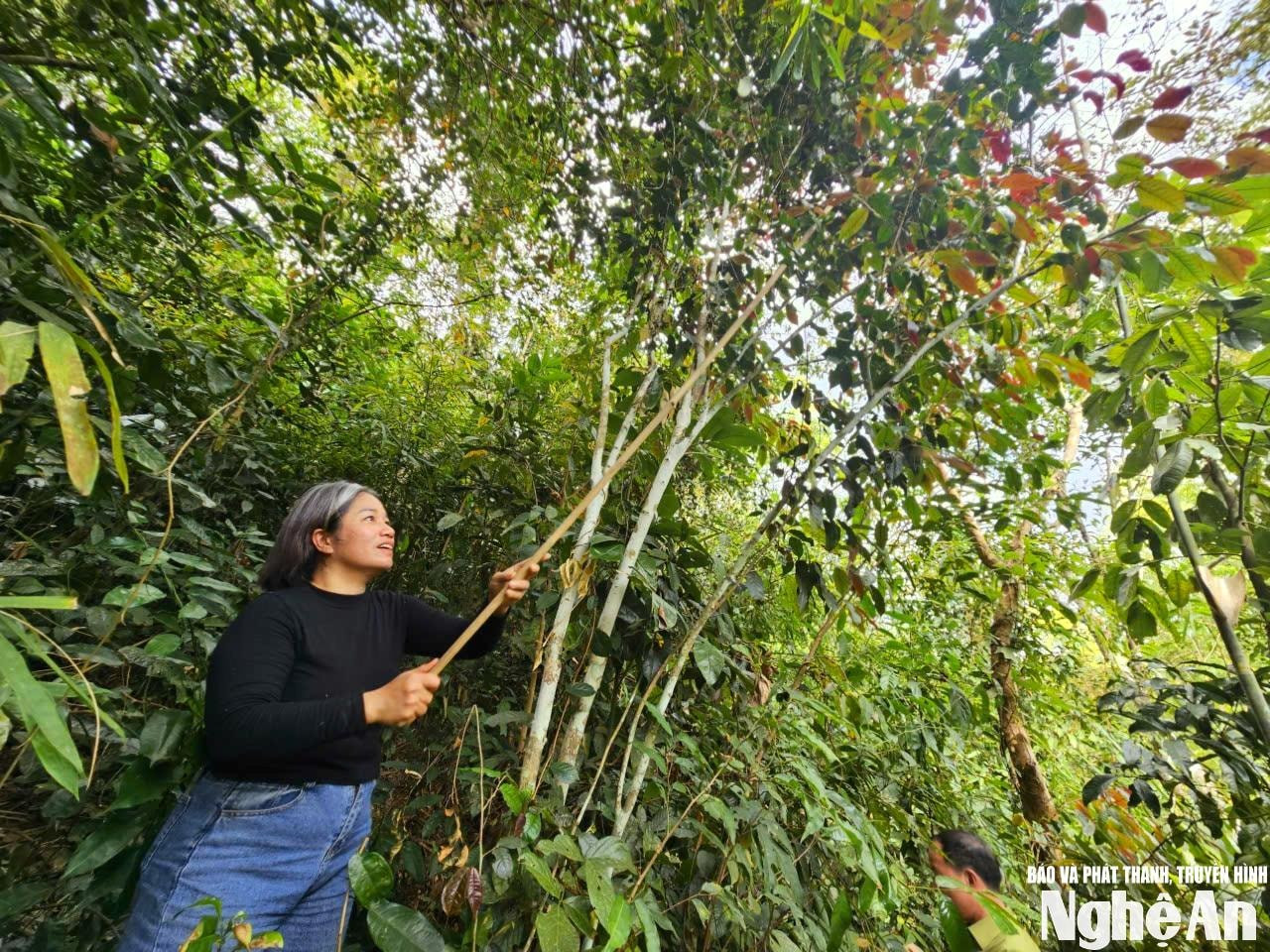
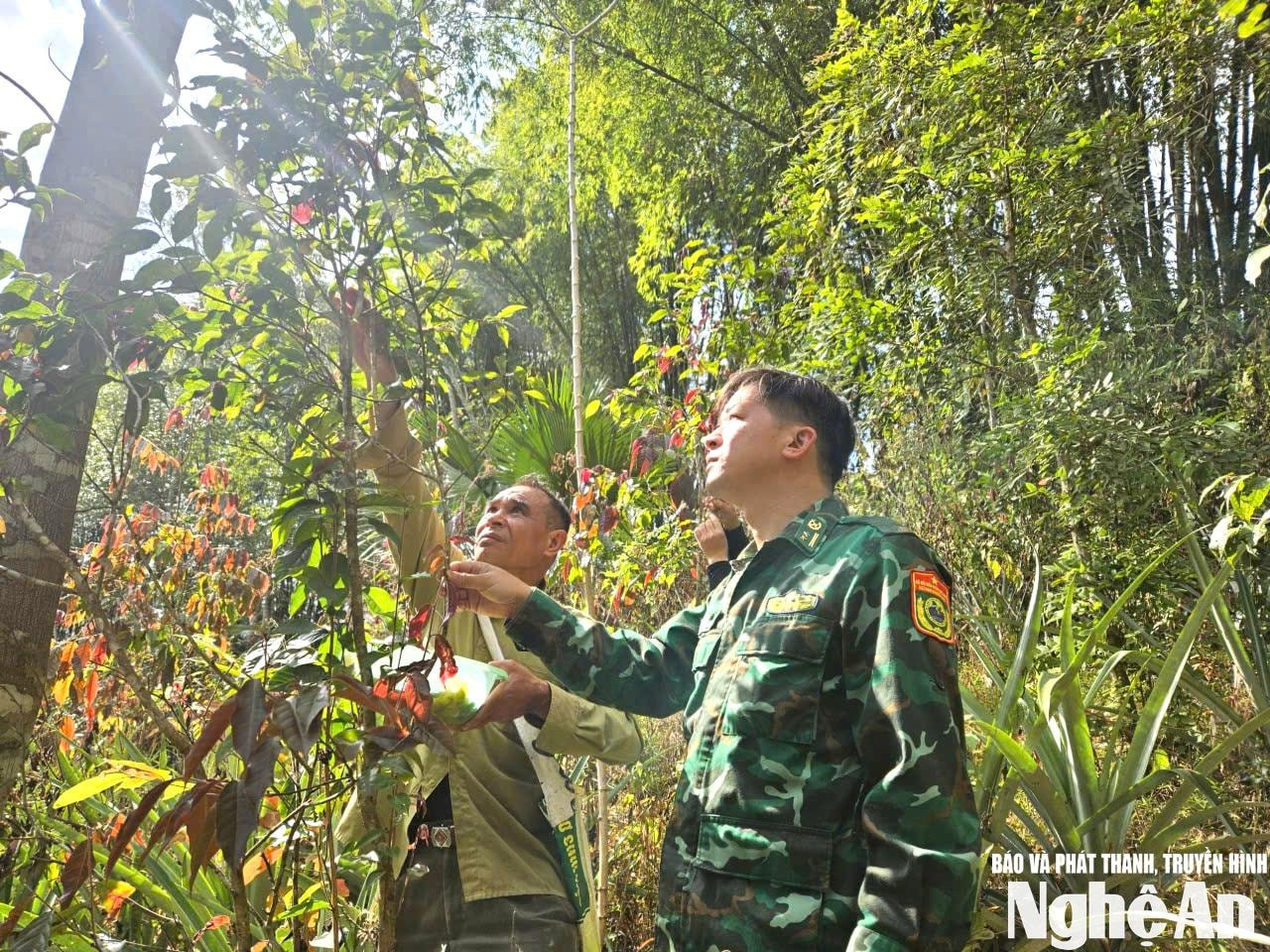
It was well past noon, but on the high peak of Dong Na Lot mountain, the fog was still thick, enveloping the forest slopes. Mr. Moong Van Mien - Head of Na Lot village (Nhon Mai border commune) and Mr. Xeo Van Tinh - a villager, slowly led us along familiar trails leading up to the golden flower tea forest.
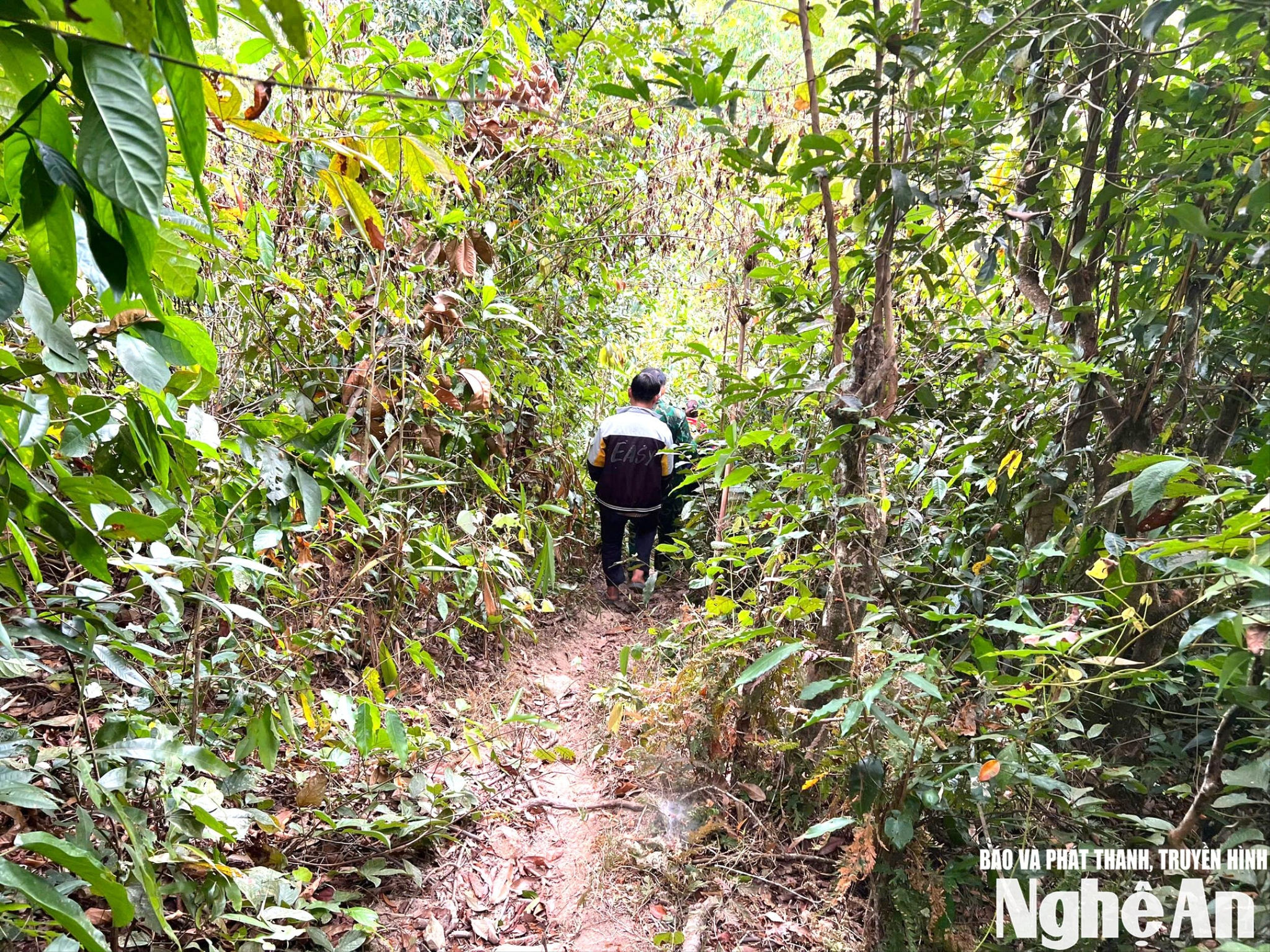
The tea forest was beginning to see the end of its flowering season. The yellow-flowered tea trees, their trunks covered in white moss, were 4-5 meters tall with wide canopies, and only a few late-blooming buds remained. Many trees had sprouted new shoots, their bright red, lush leaves signaling a new growth cycle. Mr. Xeo Van Tinh, who had spent his entire life in this forest, slowly recounted: "In the past, Dong Na Lot had many ancient yellow-flowered tea trees. They were 5-7 meters tall, with trunks half a meter thick and luxuriant branches."
However, at that time, people were completely unaware of the medicinal value of this plant. The golden flower tea was simply considered an ordinary forest tree, cut down for firewood or fence posts around houses. "They cut it down, but this tree is very hardy. Even after the stump is felled, it still sprouts, grows many branches, and blossoms again," Mr. Tinh said. It was this vigorous vitality that allowed the golden flower tea to silently survive, waiting for the day it would be "awakened."
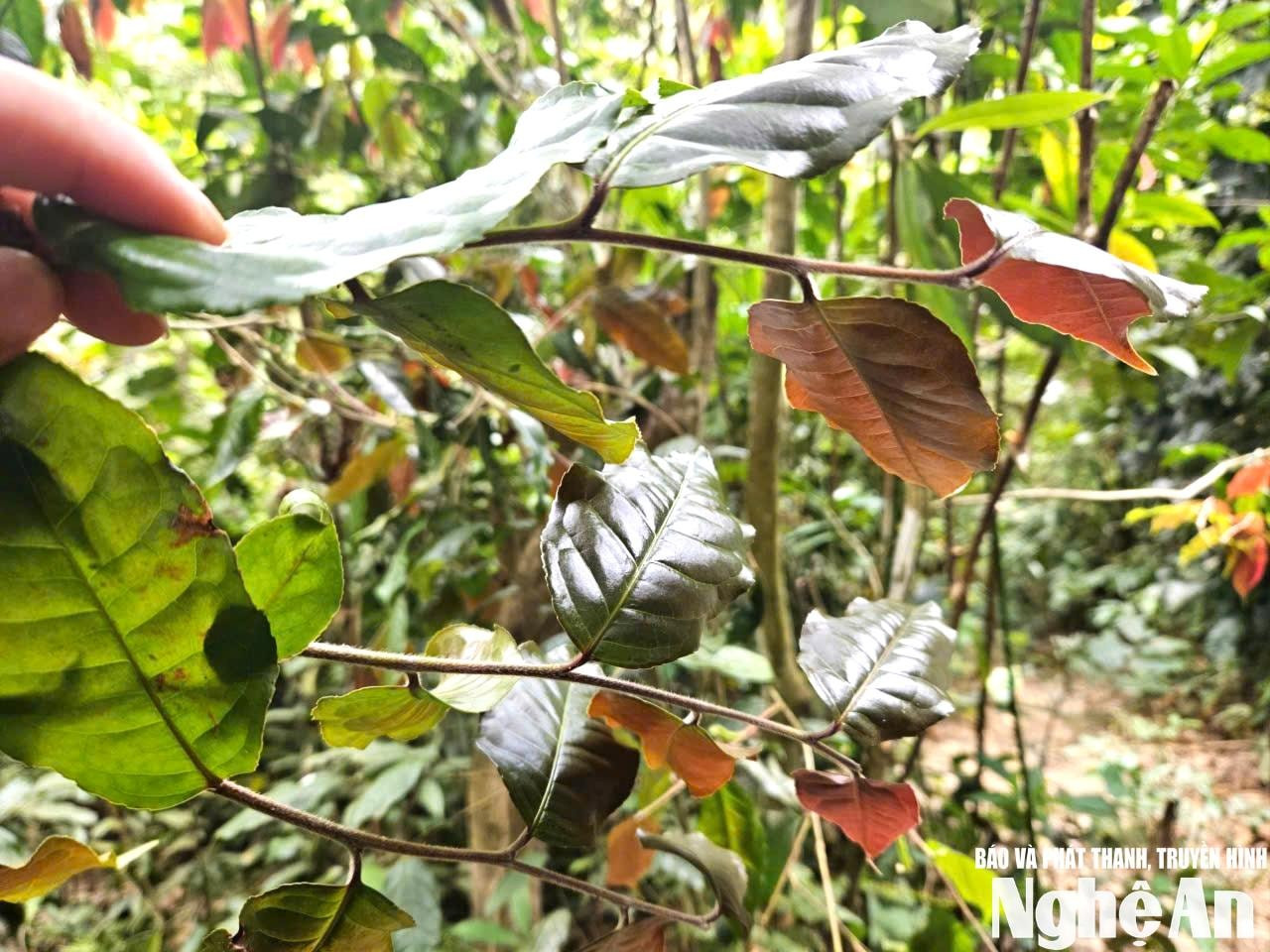
About 10 years ago, when information about the benefits of the golden flower tea gradually spread, traders came to the village to buy the flowers and buds at high prices, and only then did the people realize the value of this once-forgotten plant. When the flowering season arrived, people went into the forest to harvest the tea indiscriminately, each person doing as they pleased. Many trees had broken branches, became exhausted, or even withered due to over-exploitation.
This situation only ended when Mr. Kha Duong Tien – former Chairman of the People's Committee of Nhon Mai commune (old) – recognized the potential of the golden flower tea plant and guided the villagers to change their behavior towards the forest. Instead of cutting down and harvesting indiscriminately, the people were encouraged to cultivate, protect, and selectively harvest the flowers. The villagers also sat down together and agreed on a rule: no digging up roots, no breaking branches, and no harvesting all the flowers. Each season, they leave a portion of the mature flowers for the plant to produce seeds, which fall to the ground and germinate into seedlings.
After more than a decade of being protected and nurtured, the golden-flowered tea forests on the summit of Dong Na Lot are experiencing a powerful resurgence. Where once felled trees stood for firewood, the landscape is now covered in the vibrant green of young tea plants sprouting from fallen seeds and regenerating shoots. Interspersed among the old trees are layers of mature and young plants, forming a continuous and sustainable ecosystem.
From being forgotten, the golden flower tea plant has truly "transformed," contributing to forest conservation, livelihood preservation, and motivating people to become more attached to their mountainous homeland.
.jpg)
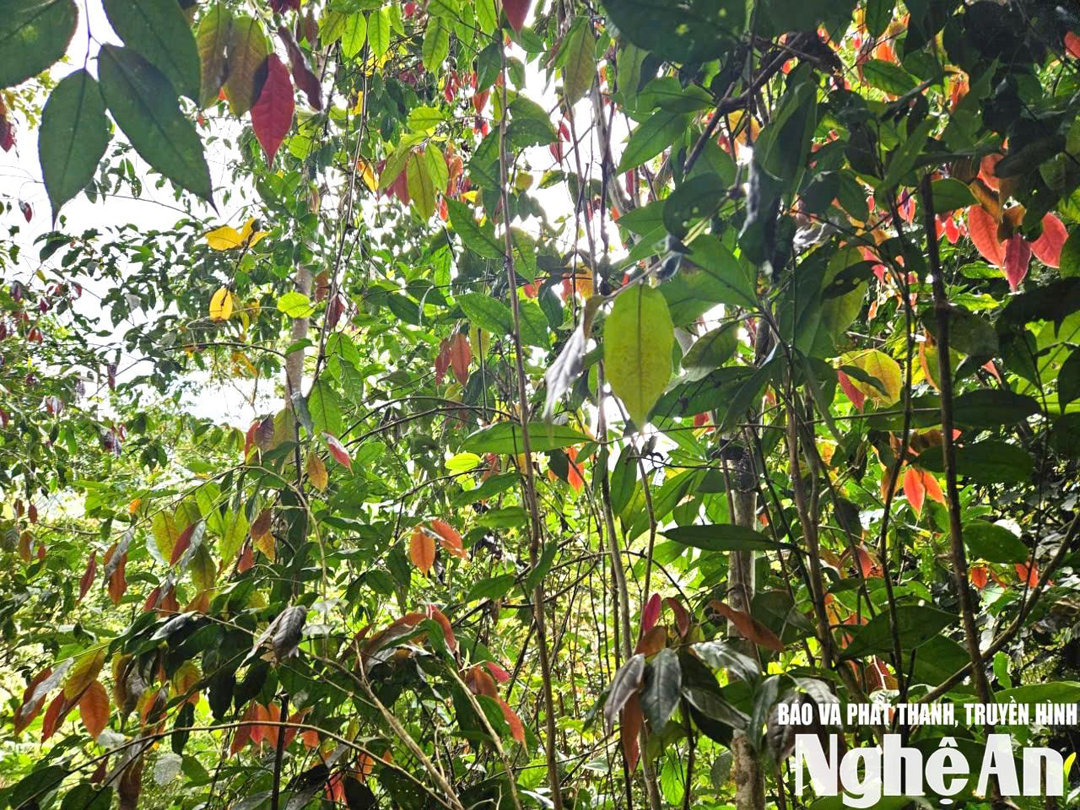
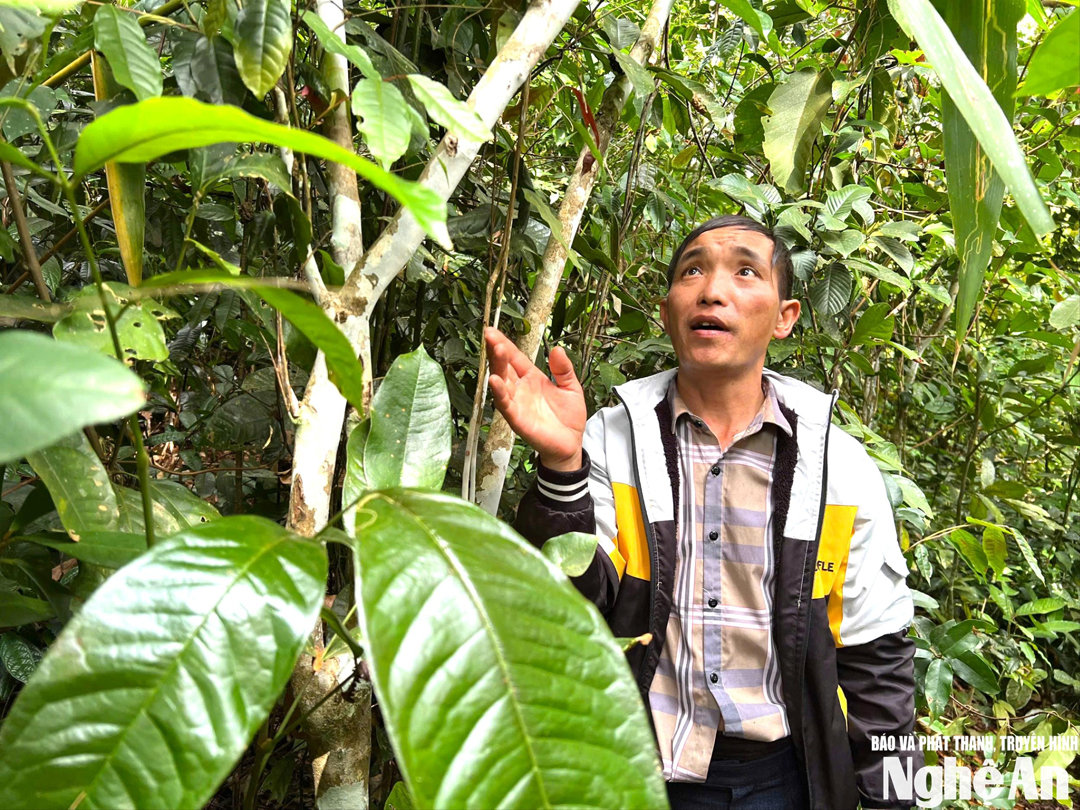
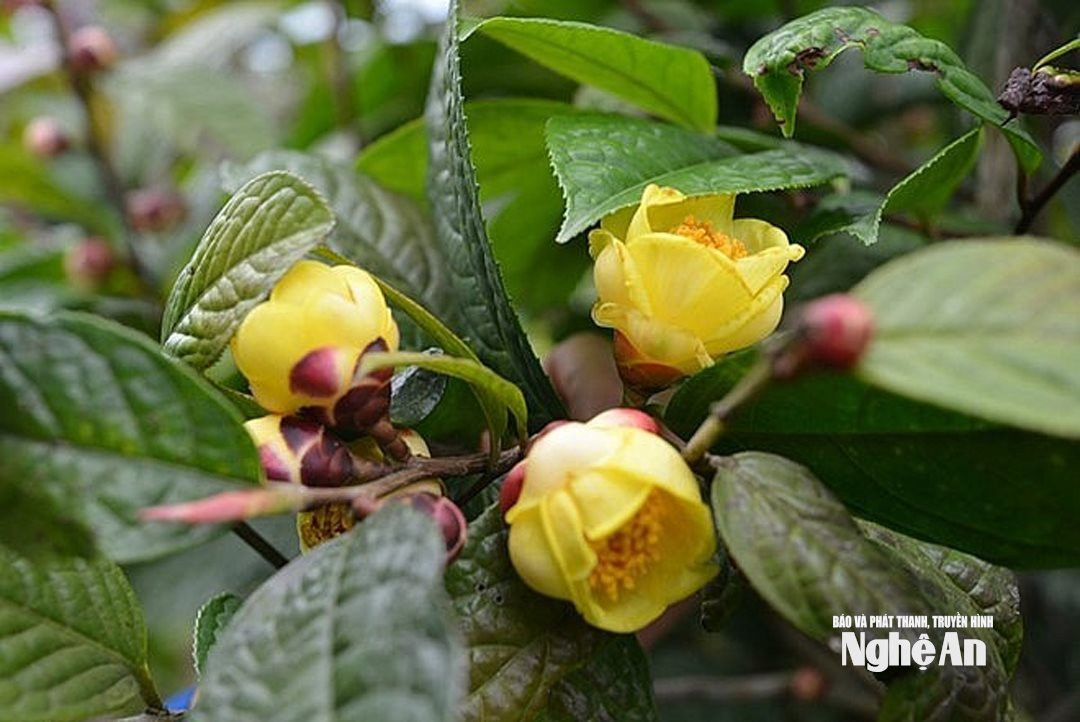

Not only do they protect the natural forests, the people of Na Lợt also bring the golden flower tea plant to cultivate in their home gardens. The pioneer is Mr. Xeo Văn Tình.
From just a few initial seedlings, his garden now boasts approximately 3,000 golden camellia tea plants, 500 of which are producing a steady harvest. “Last flowering season, my family earned about 7 million dong. Now that the flowers have faded, I’m leaving a few blossoms high up to produce seeds, which I will then propagate,” Mr. Tinh shared. According to him, golden camellia tea is very “easy to grow.” The plants thrive in the soil and climate of Na Lợt, are resistant to pests and diseases, and don’t require frequent watering. Mainly, they need clearing the base of the plants, weeding, and adding a little organic fertilizer.
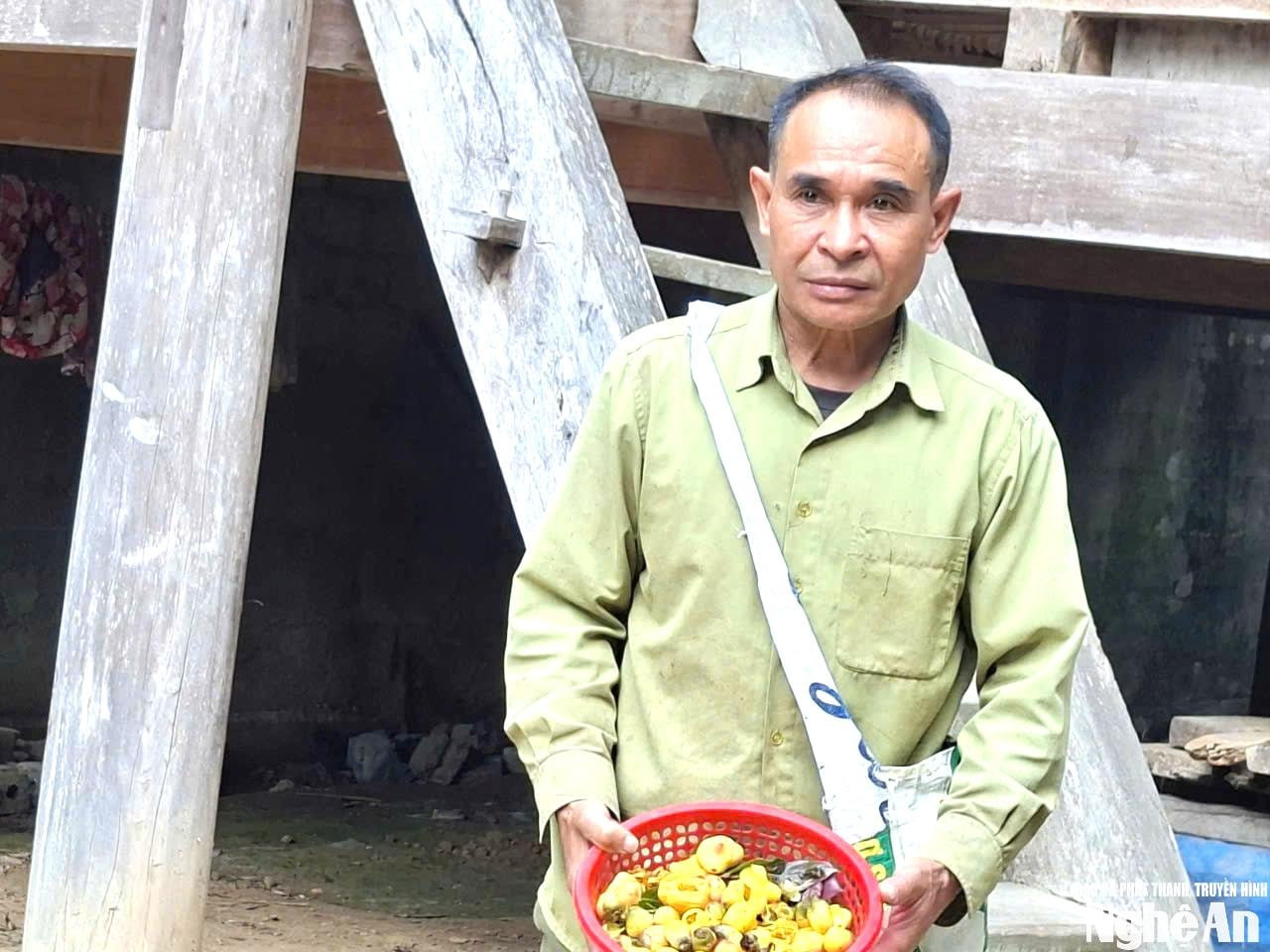
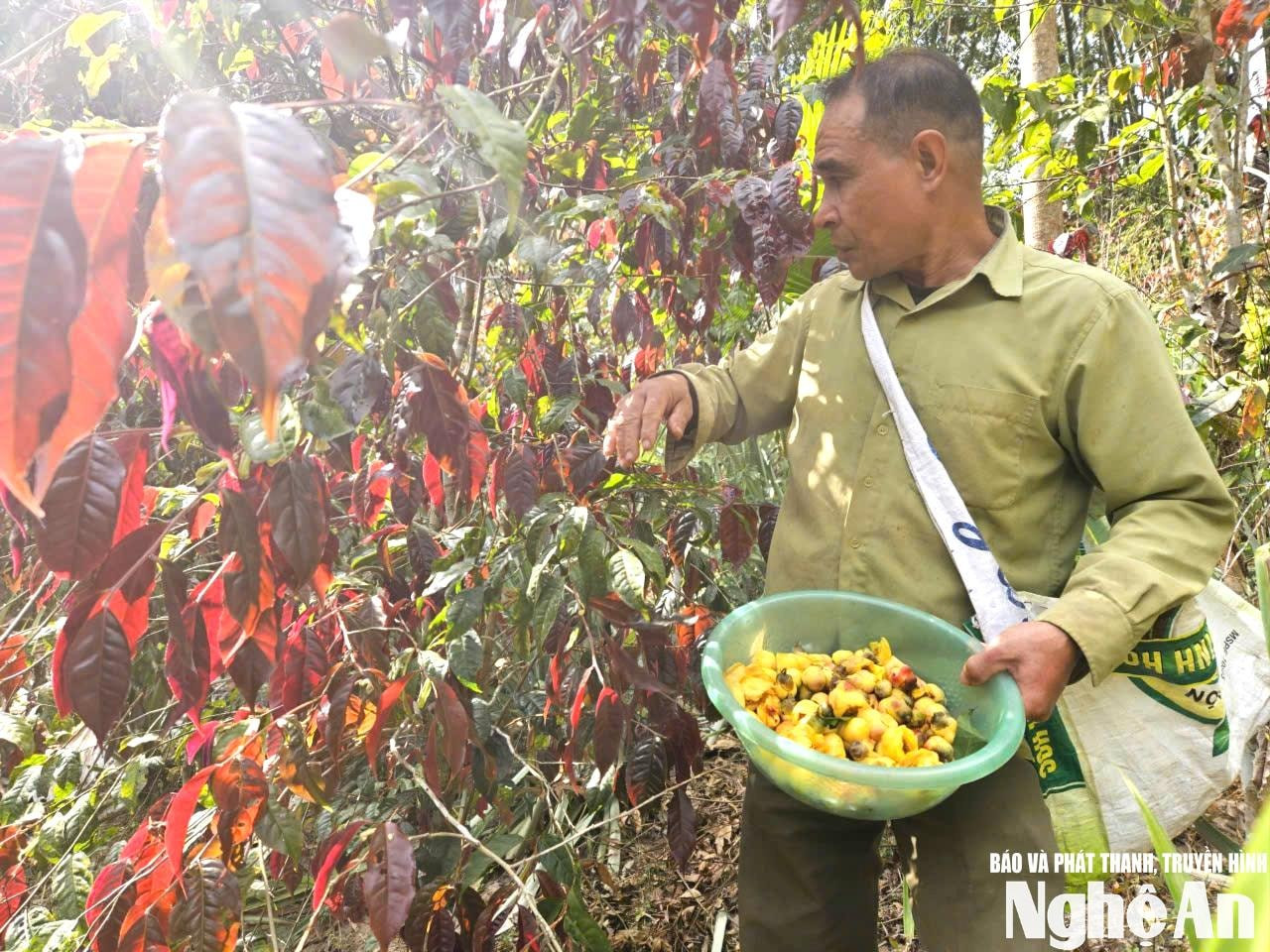
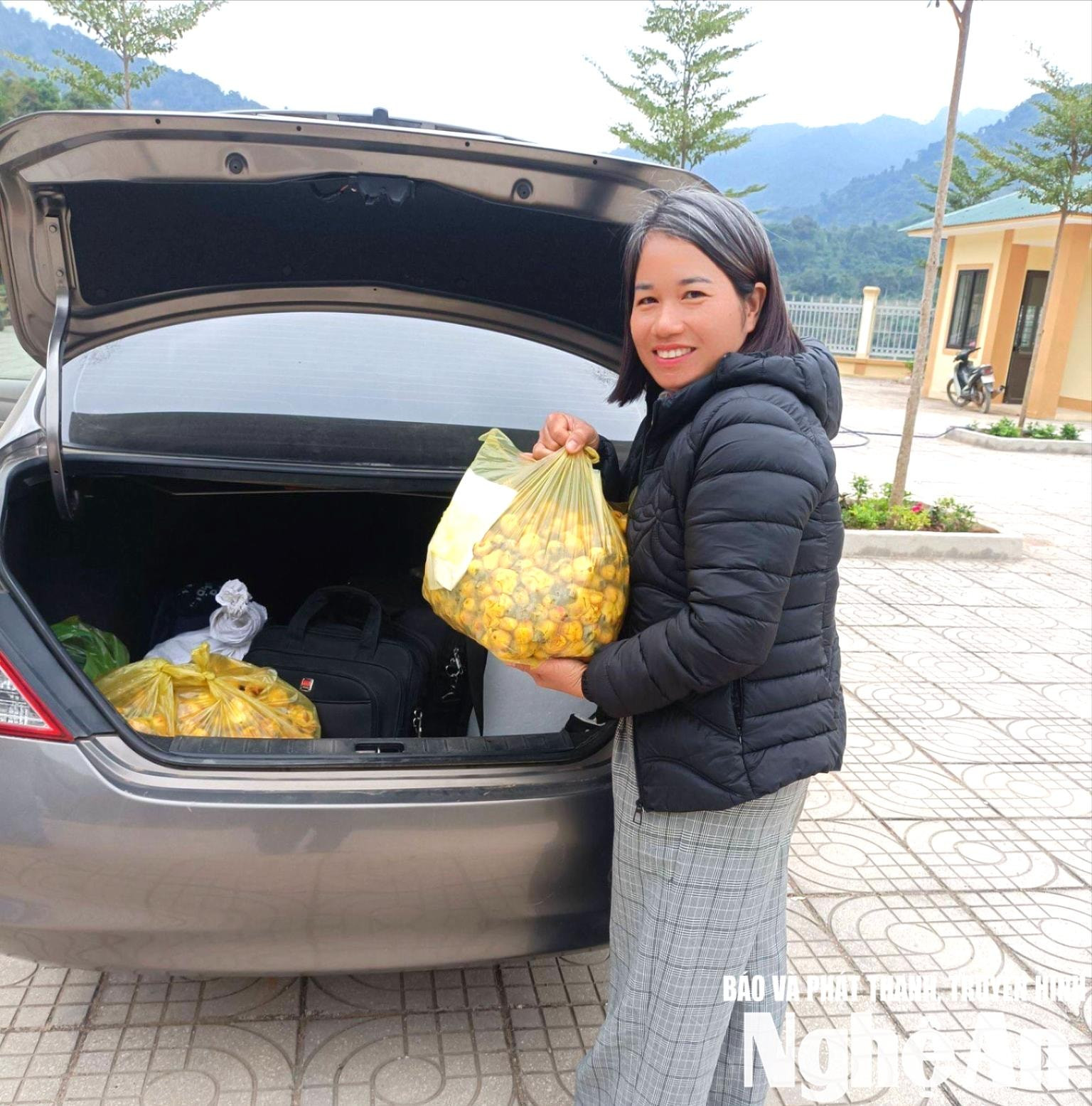
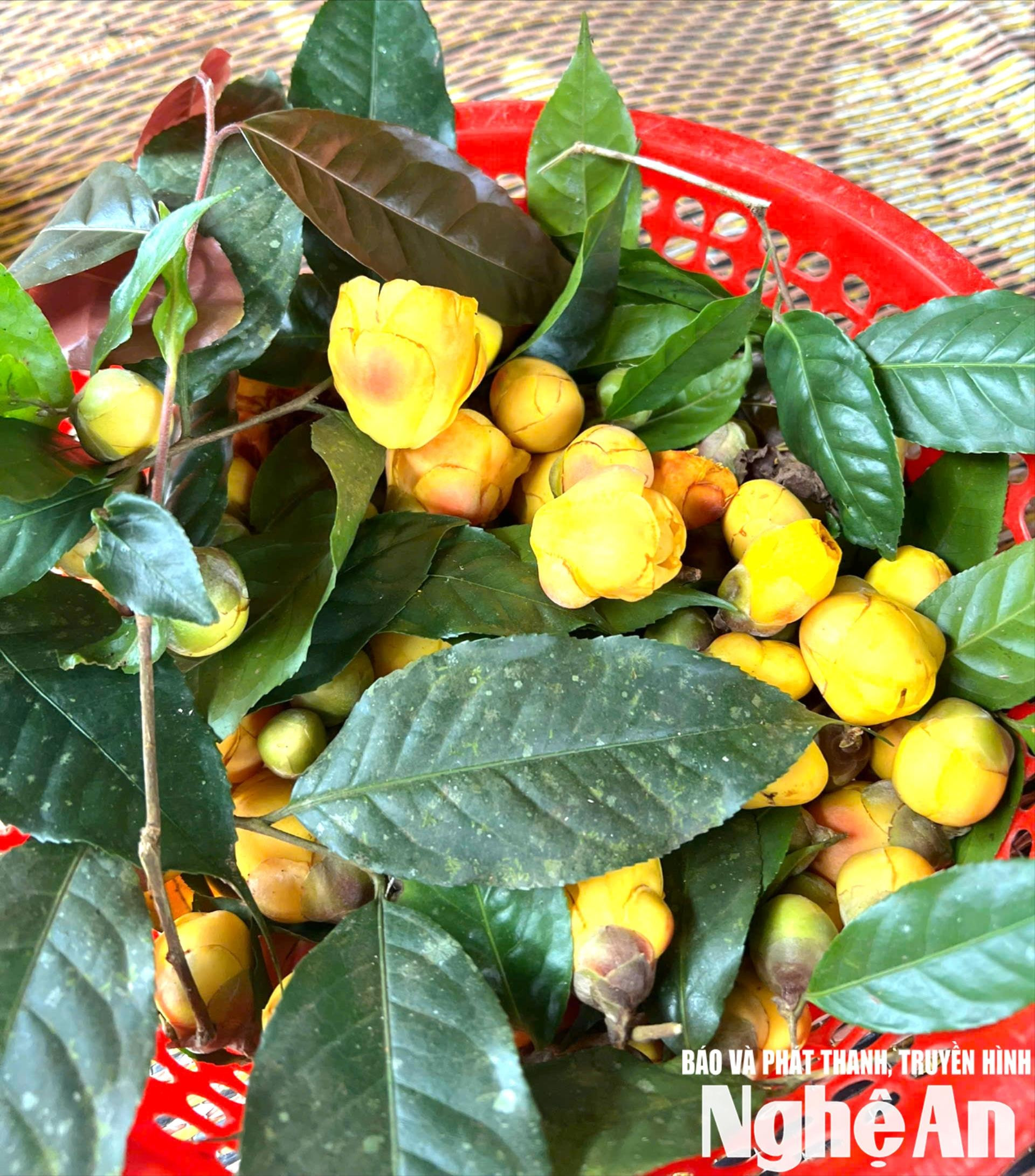
Fresh tea flowers and buds are bought up by traders as soon as they are harvested, at a price of about 250,000 VND/kg right in the village. People no longer have to dry them manually as before, significantly reducing effort and risks in preservation. As a result, many households earn an additional 5-10 million VND each flower season, a considerable amount for people in this mountainous region still facing many difficulties.
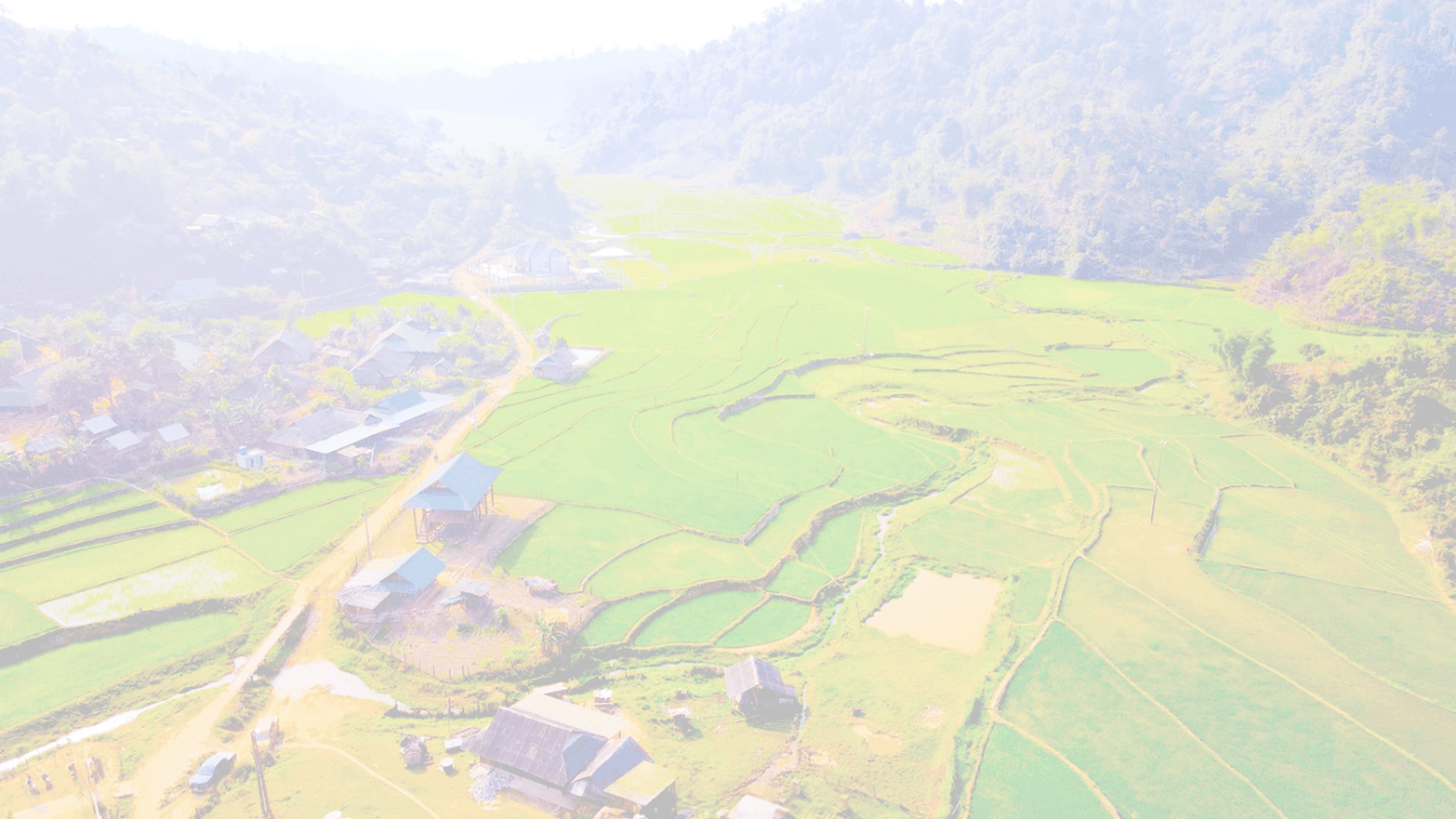
To date, Na Lợt has over 3 hectares of naturally growing golden flower tea plants and has successfully propagated and expanded them to about 15 hectares. The people consider each tea plant as a shared asset of the village, and they work together to preserve and care for them. Golden flower tea is gradually becoming a prominent local specialty, receiving attention and guidance from all levels and sectors for its development.
Not stopping at raw production, in 2022, the Na Lợt Golden Flower Tea Processing and Trading Cooperative was established with 21 members. The cooperative handles the entire process from raw material collection, cold drying, preliminary processing, packaging to display and product promotion. The goal is to enhance the value and aim towards building a distinctive OCOP product of the Nhon Mai highlands.
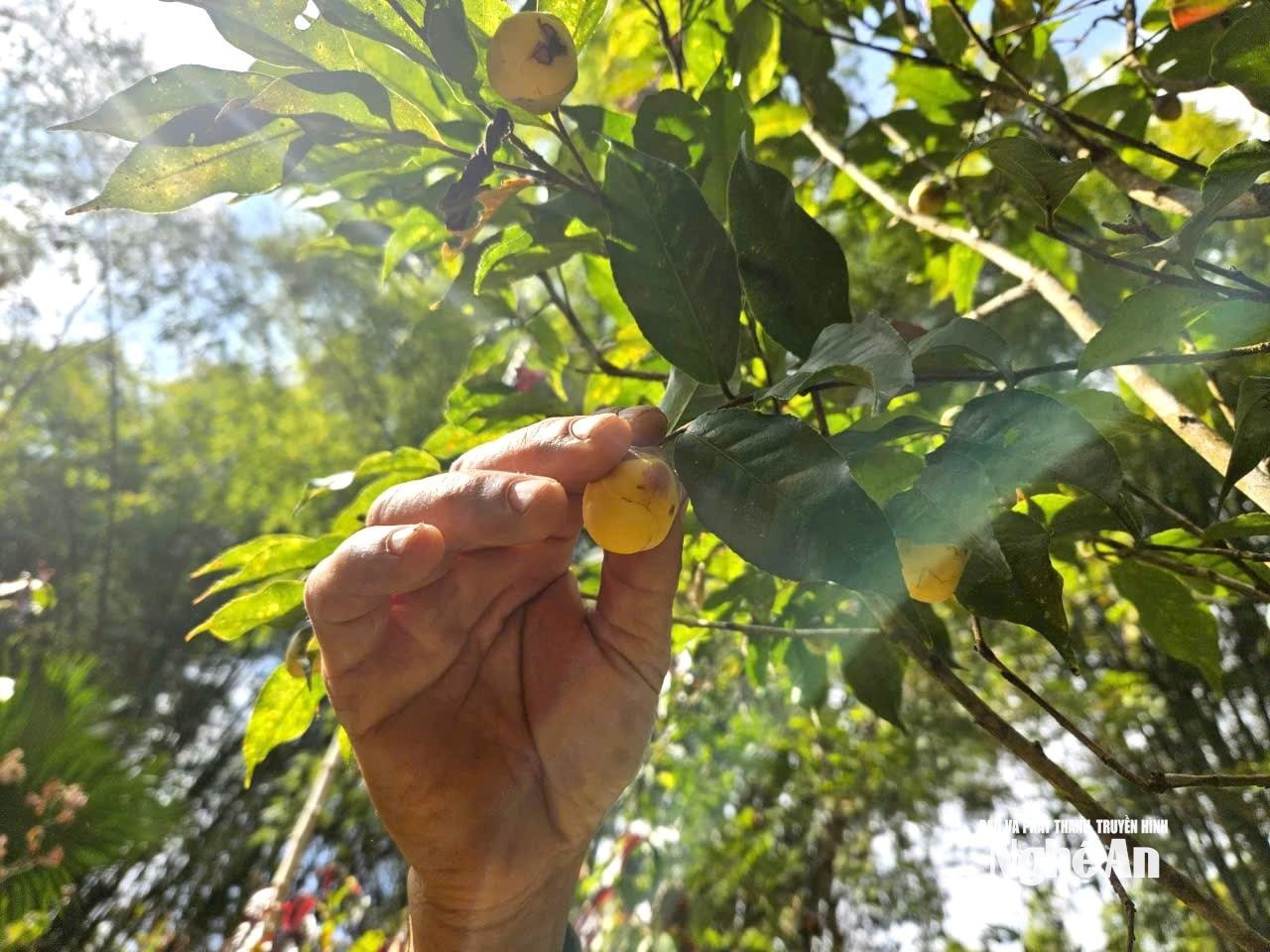
According to Ms. Bui Thi Lan, an official from Nhon Mai commune, in the past, people often harvested flowers prematurely or improperly preserved them, causing them to be damaged and lose quality. After receiving training and awareness campaigns, the villagers have learned to harvest flowers at the right time and preserve them using bamboo tubes to maintain their freshness, color, and medicinal properties.
Mr. Luong Van Dan, head of the cooperative group, could not hide his concern when talking about the golden flower tea plants in his village. According to him, the native tea variety grows vigorously, is well-suited to the soil, produces flowers evenly, and has superior quality, while many varieties brought from other places are stunted and underdeveloped.
What worries Mr. Dan the most is that the current production is too low, failing to meet the ever-increasing market demand. Each flowering season, traders come to compete for purchases, but the farmers don't have enough to sell. Therefore, the greatest hope of the Na Lợt yellow flower tea growers is to receive support for propagation, expansion of cultivation area, the development of a professional brand, and especially a stable and sustainable market outlet when production increases.
Over time, thanks to the support of the local government, the promotion of the product through social media, experiential videos, and real-life images has helped Na Lợt golden flower tea become increasingly well-known. From a forest plant, golden flower tea has now become a "money-making crop," contributing to changing production mindsets, increasing income, and opening up a sustainable agricultural development direction for the villages on the slopes of Na Lợt mountain.
The local government's long-term goal is to upgrade Nhon Mai's golden flower tea to the OCOP (One Commune One Product) standard, linking it with traceability, standardized harvesting and processing procedures, and promotion on digital platforms.
According to medical research, golden flower tea (or yellow flower tea) is a precious herb with many uses such as: nourishing the body; slowing down the aging process; strengthening cardiovascular health; helping to lower blood sugar; cleansing the body and detoxifying the liver; preventing cancer; reducing stress, treating chronic insomnia and preventing many other diseases.
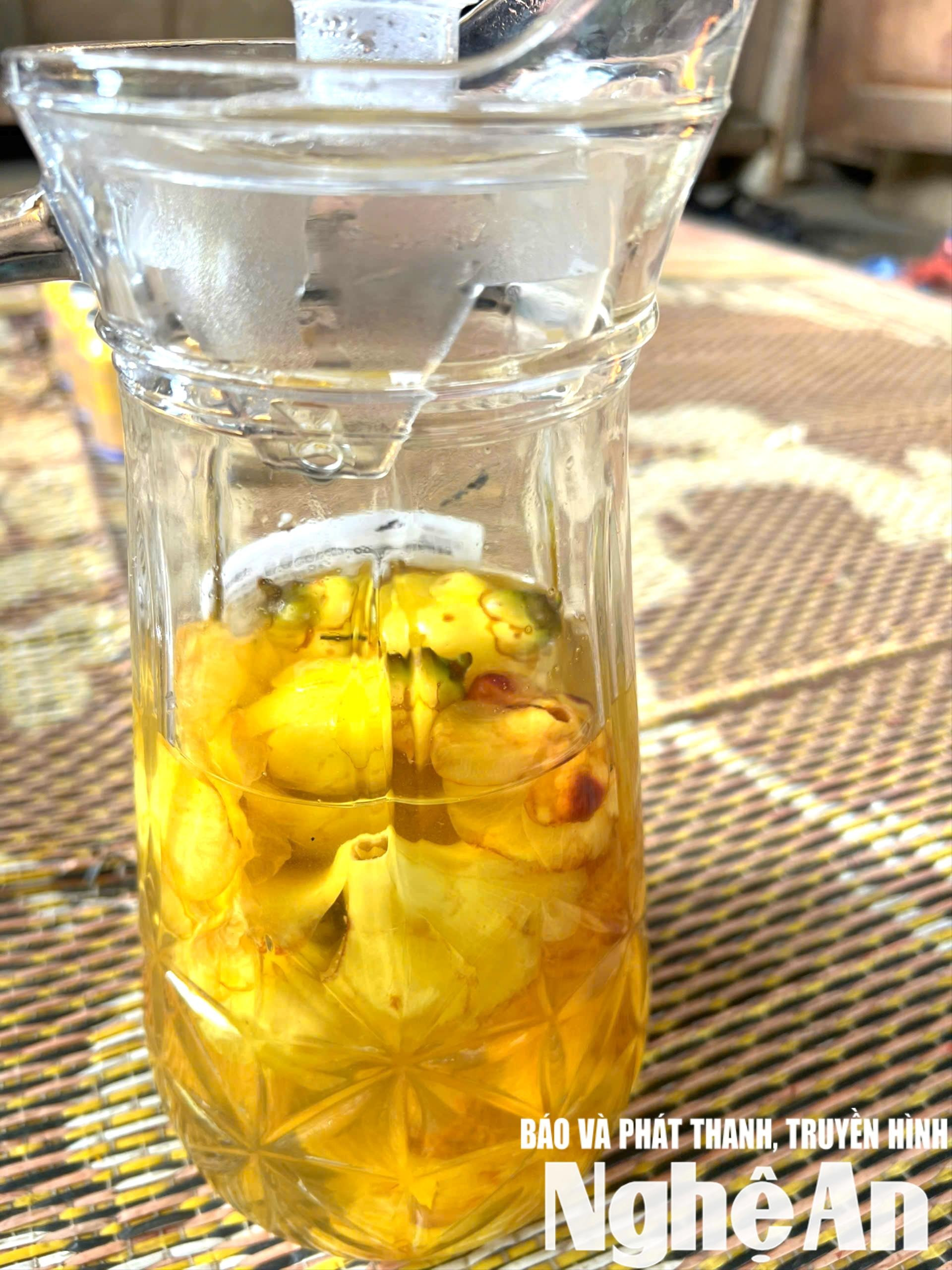
As production increases, proactively managing the market and stabilizing prices will be key factors in reassuring people to expand their cultivated area. Tea growers in Na Lợt hope that, with the support of all levels of government and relevant agencies, this valuable crop will not only bring in several million dong per harvest but also become a long-term livelihood, contributing to the transformation of the mountainous region's agricultural economic structure towards a green, sustainable, and locally-identified direction.