


Strengthening resolve and unifying will for breakthrough development goals.
In response to the demands for breakthrough development, Nghe An province has identified political and ideological education as a pioneering task, strengthening resolve, unifying will throughout the Party organization, creating social consensus, and igniting aspirations for development, ensuring that Party resolutions deeply permeate every cadre, Party member, and the lives of the people.
Leading the way, pioneering
The great President Ho Chi Minh, the founder and mentor of our Party, always paid special attention to leading political and ideological work, considering it the most important task of the Party, with decisive significance for the success of the revolution. For the past 96 years, our Party has consistently identified political and ideological work as a crucial area in building and strengthening the Party's ideological foundation and the regime's political foundation.
The country is entering a new era with the goal of comprehensive breakthrough development, with the aspiration to build a peaceful, independent, democratic, prosperous, civilized, and happy socialist country. In this new era, political and ideological work plays an even more crucial role and must meet very high requirements. The documents of the 14th Party Congress affirm that the work of building and rectifying a clean and strong Party, enhancing the Party's leadership, governing capacity, and fighting strength, clearly and profoundly demonstrates the special importance of political and ideological work.
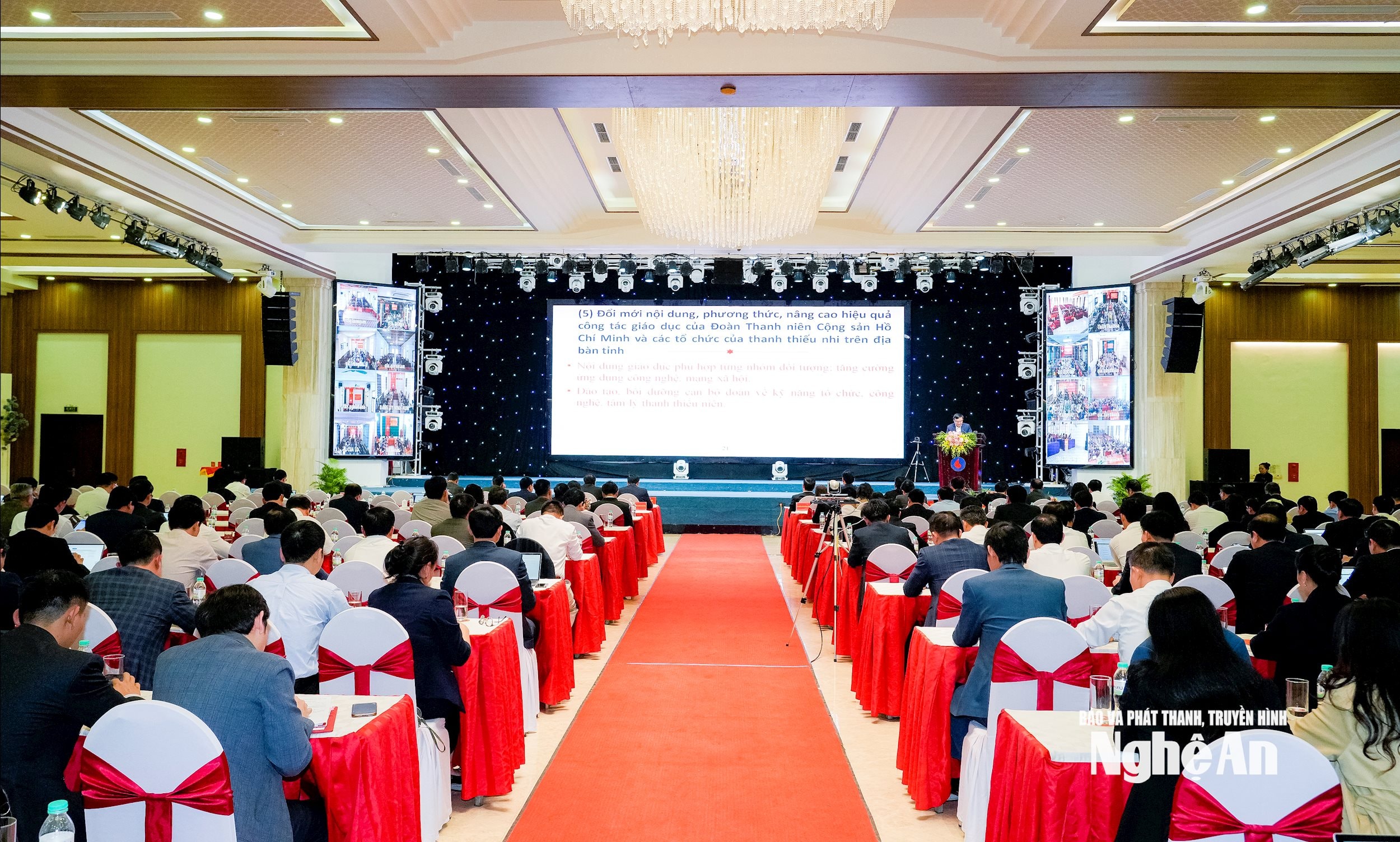
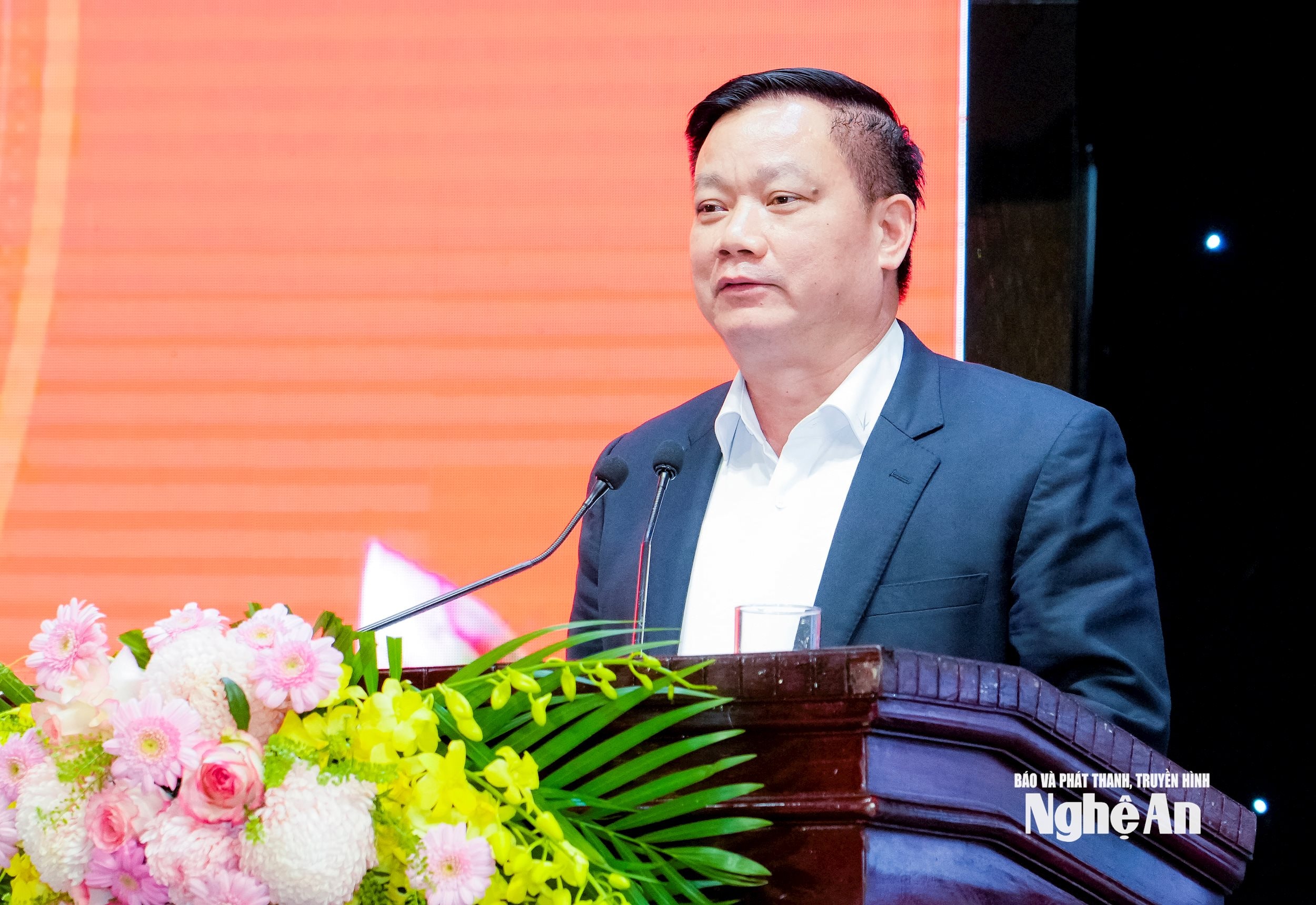

Nghe An is facing a great opportunity for breakthroughs but also confronts many challenges and difficulties in its goal of becoming a relatively prosperous province and a national-level growth pole by 2030. Therefore, the province has determined that political and ideological education is not only a regular task but also a "leading source," a spiritual foundation ensuring that all policies and decisions of the Provincial Party Committee are implemented synchronously and effectively.
The documents of the 20th Provincial Party Congress define the overarching goal as steadfastly adhering to Marxism-Leninism, Ho Chi Minh Thought, and the Party's viewpoints and guidelines. The goal is to build a clean and strong Nghe An Provincial Party Committee and cultivate a team of cadres and Party members with firm political resolve, imbued with revolutionary ideology, upholding revolutionary moral qualities, and possessing professional expertise, serving as a crucial driving force for the province's breakthrough development in the new term.
Once officials become degenerate, corrupt, and detached from the people, public trust will decline, thereby affecting the Party's leadership and governing role. Therefore, political and ideological education is placed at the center, closely linked to Party building and rectification, and to the tasks of socio-economic development, national defense, and security. It is considered a "pioneering" approach, a "joint implementation" approach, and a "follow-up and summary" approach.
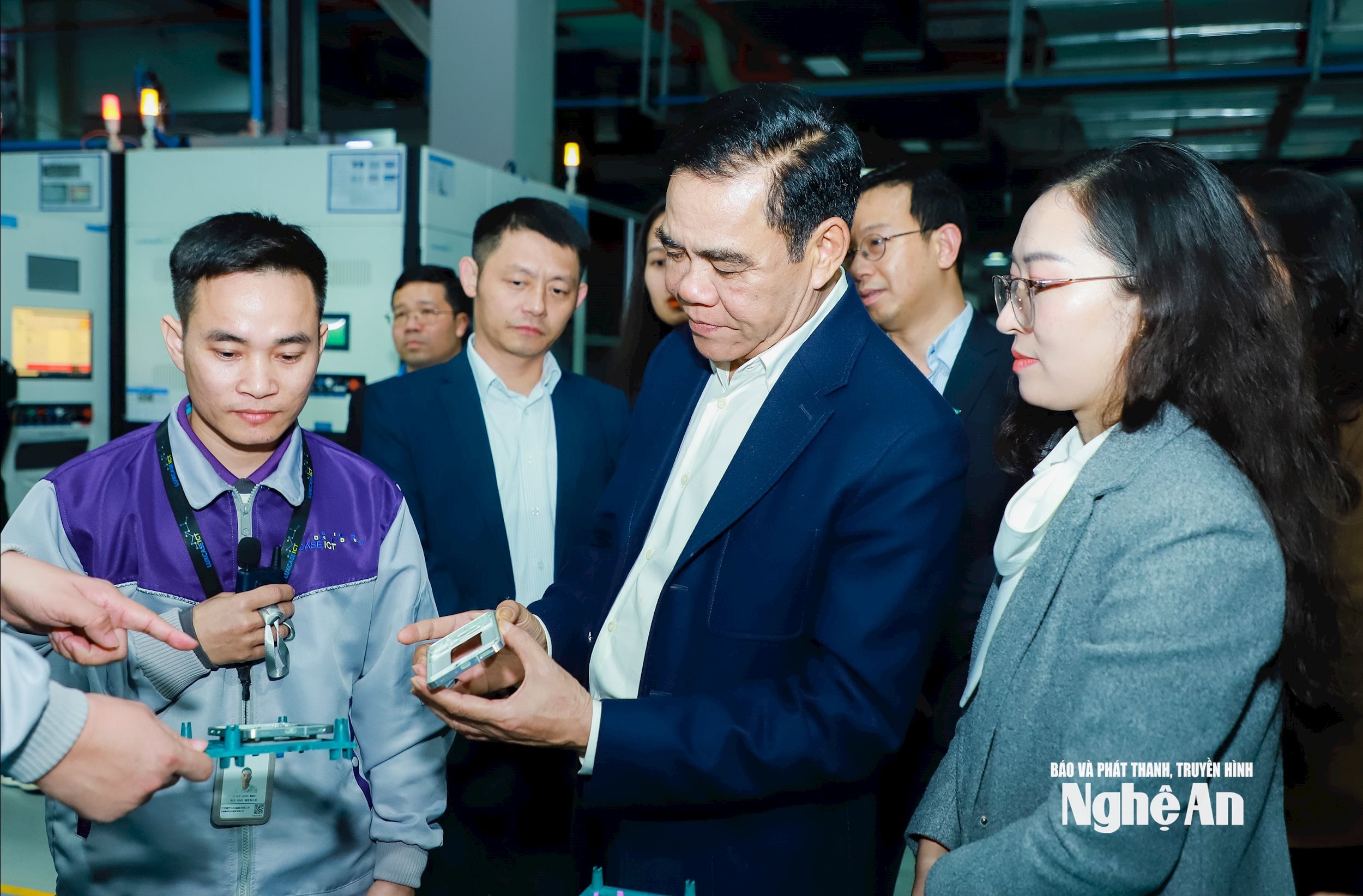
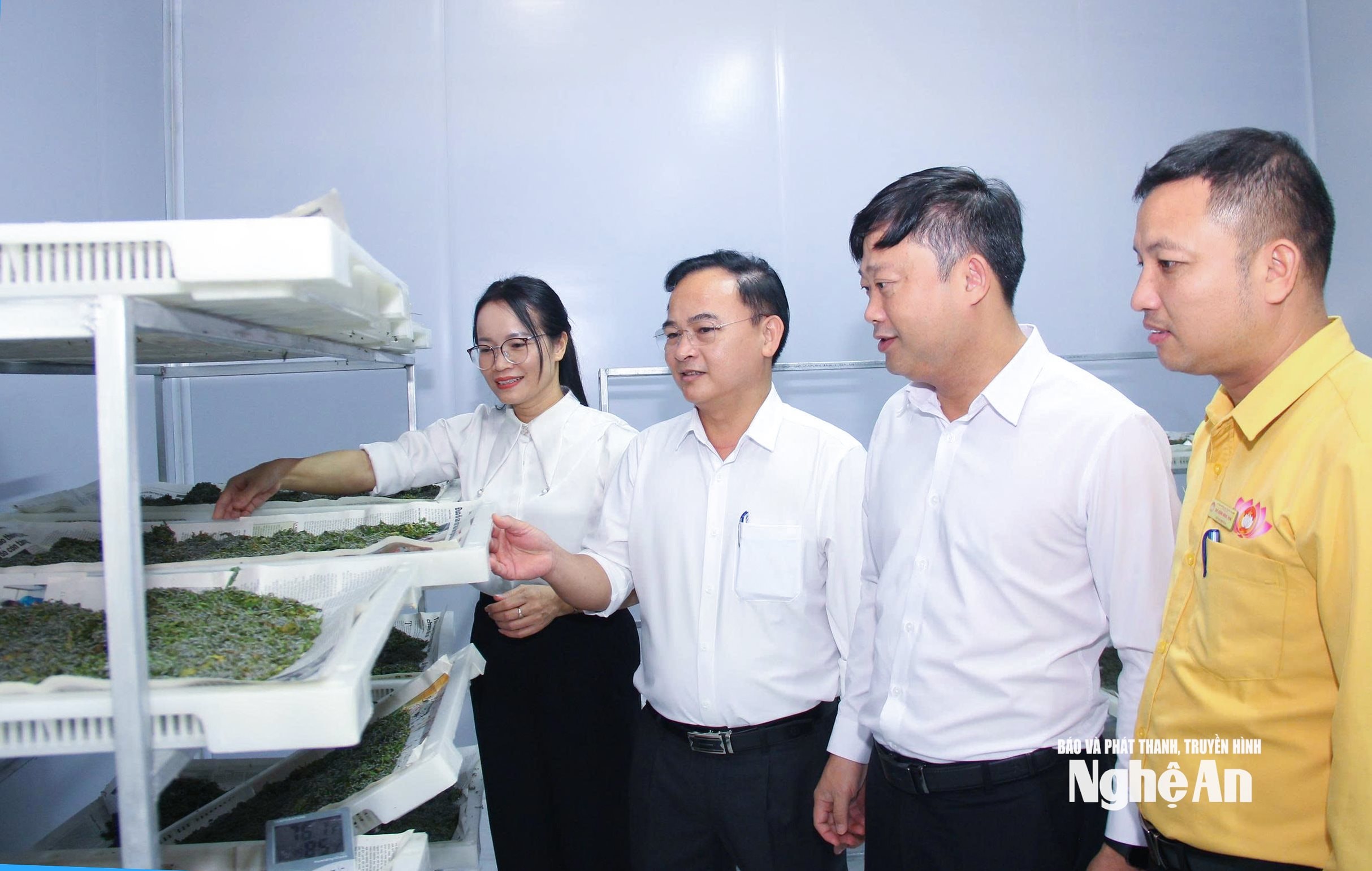
One of the most noticeable changes in Nghe An is the innovation in methods of disseminating and implementing resolutions. Instead of a one-way approach heavily focused on rote memorization, many localities and units organize thematic study sessions, group discussions, and link the content of resolutions to specific areas of work. Political theory is therefore no longer rigid but closely connected to concrete actions.
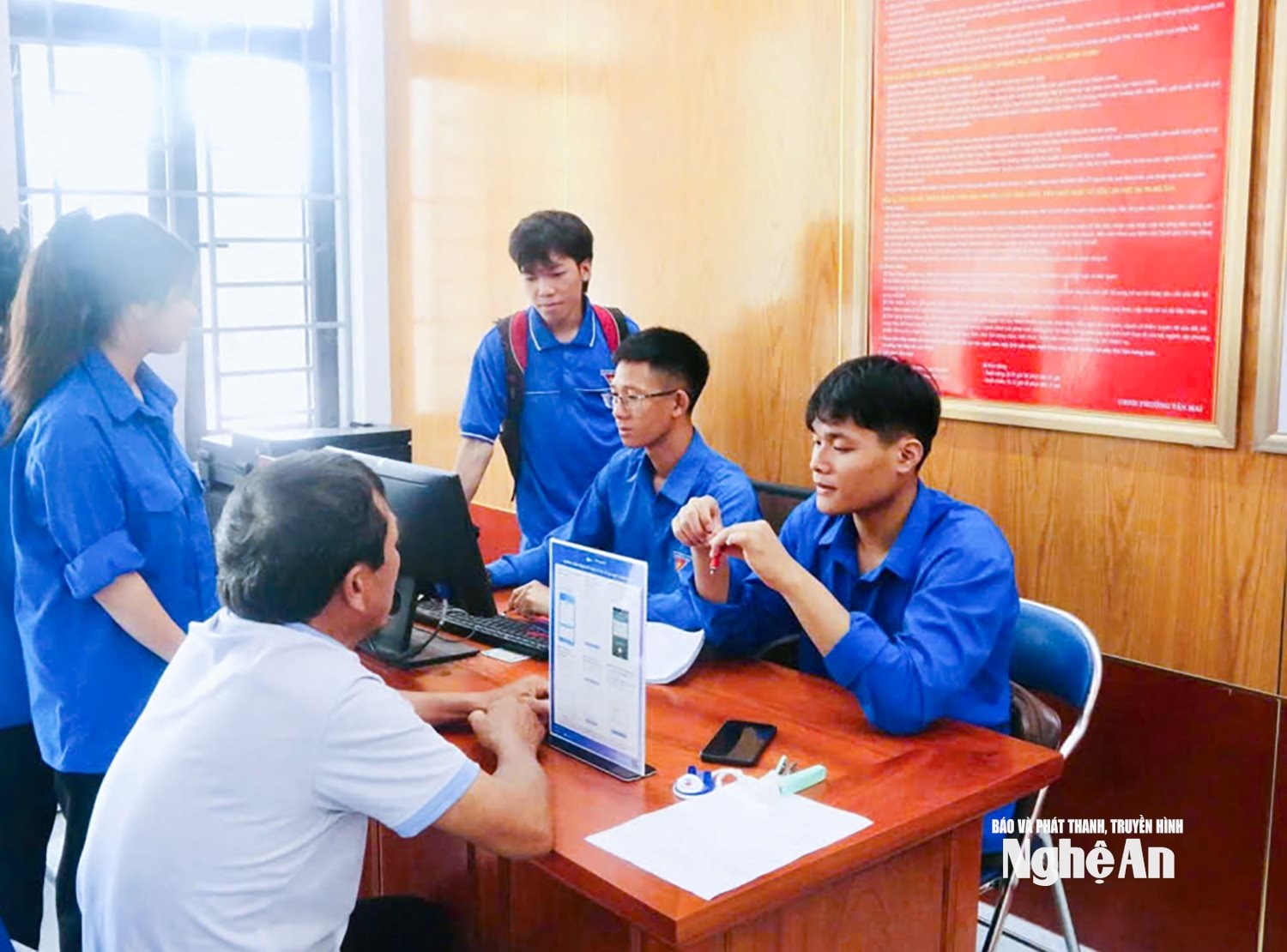
In Thanh Vinh ward, Party committees and branches have incorporated administrative reform, the development of digital government, and urban civilization into their monthly meetings. As a result, the rate of timely processing of applications has increased significantly, and the level of citizen satisfaction has improved noticeably.
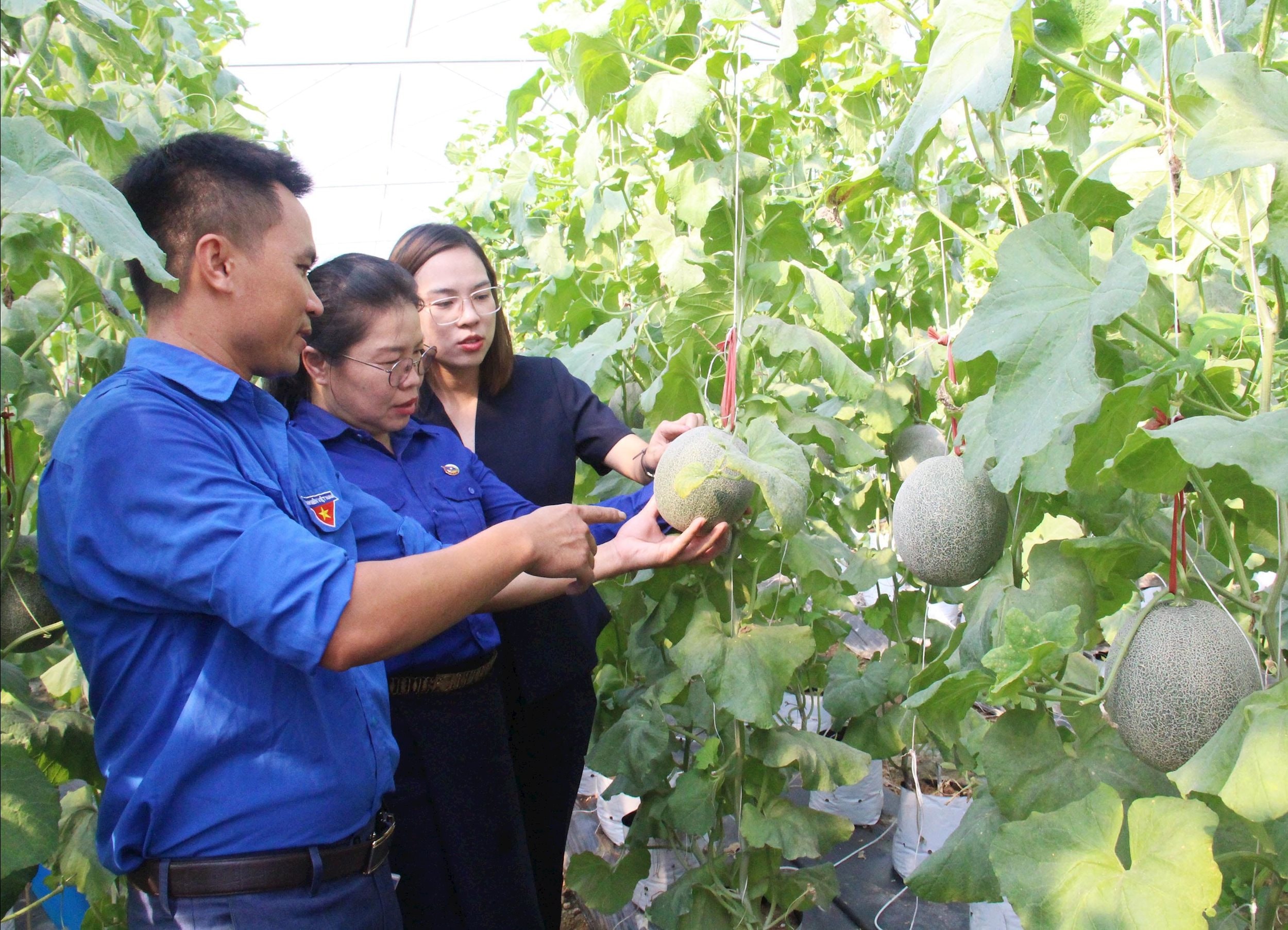
In Kim Lien commune, studying and following Ho Chi Minh's ideology, ethics, and style is considered the core content of political and ideological education. Party branches have developed "handbooks for following Uncle Ho," with each party member registering at least one good deed for the people and the community: helping poor households develop their economy, donating land for road construction, or improving the environmental landscape. These simple yet practical actions have created a strong ripple effect, contributing to strengthening the people's trust in the Party organization.
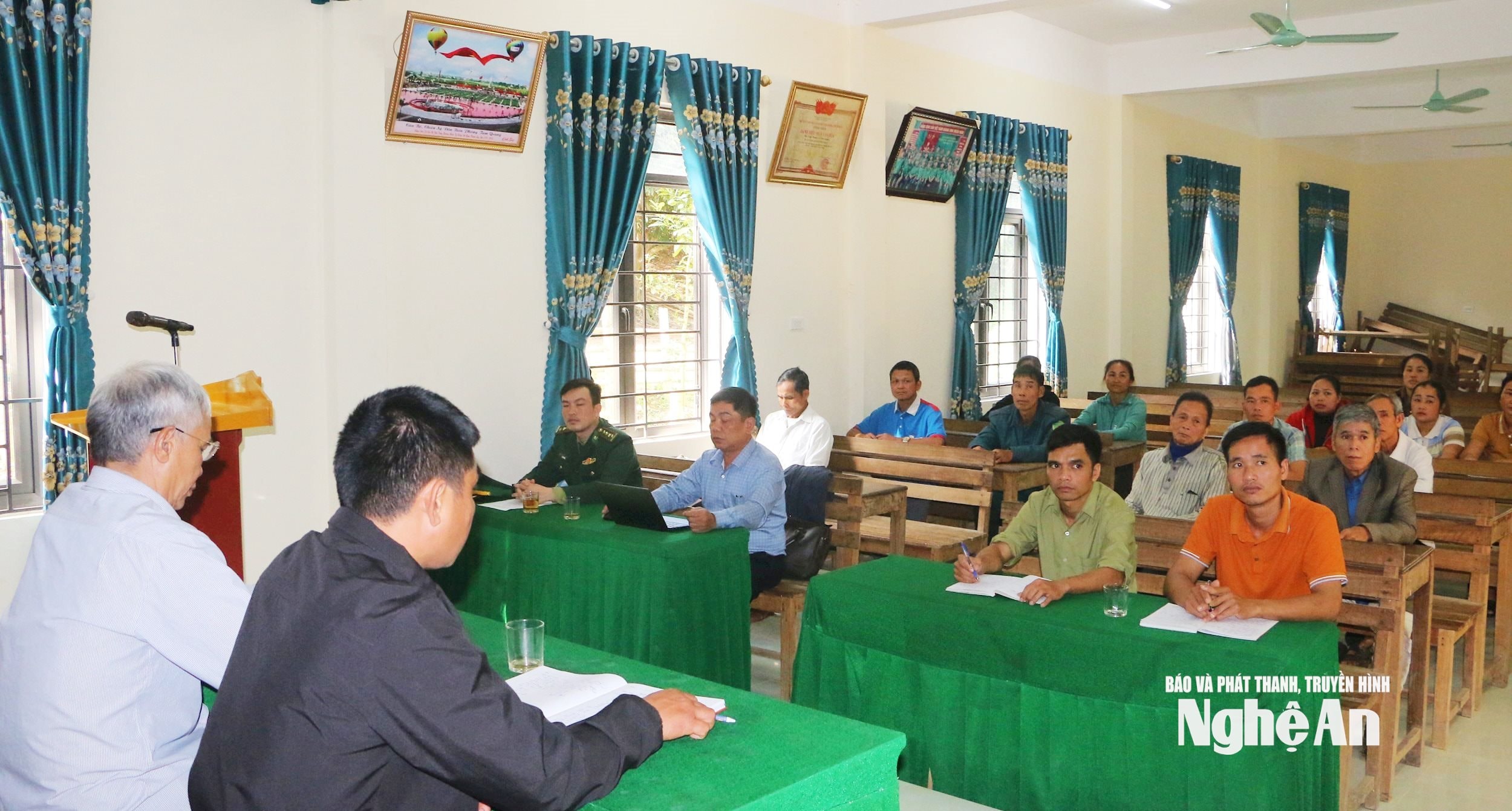
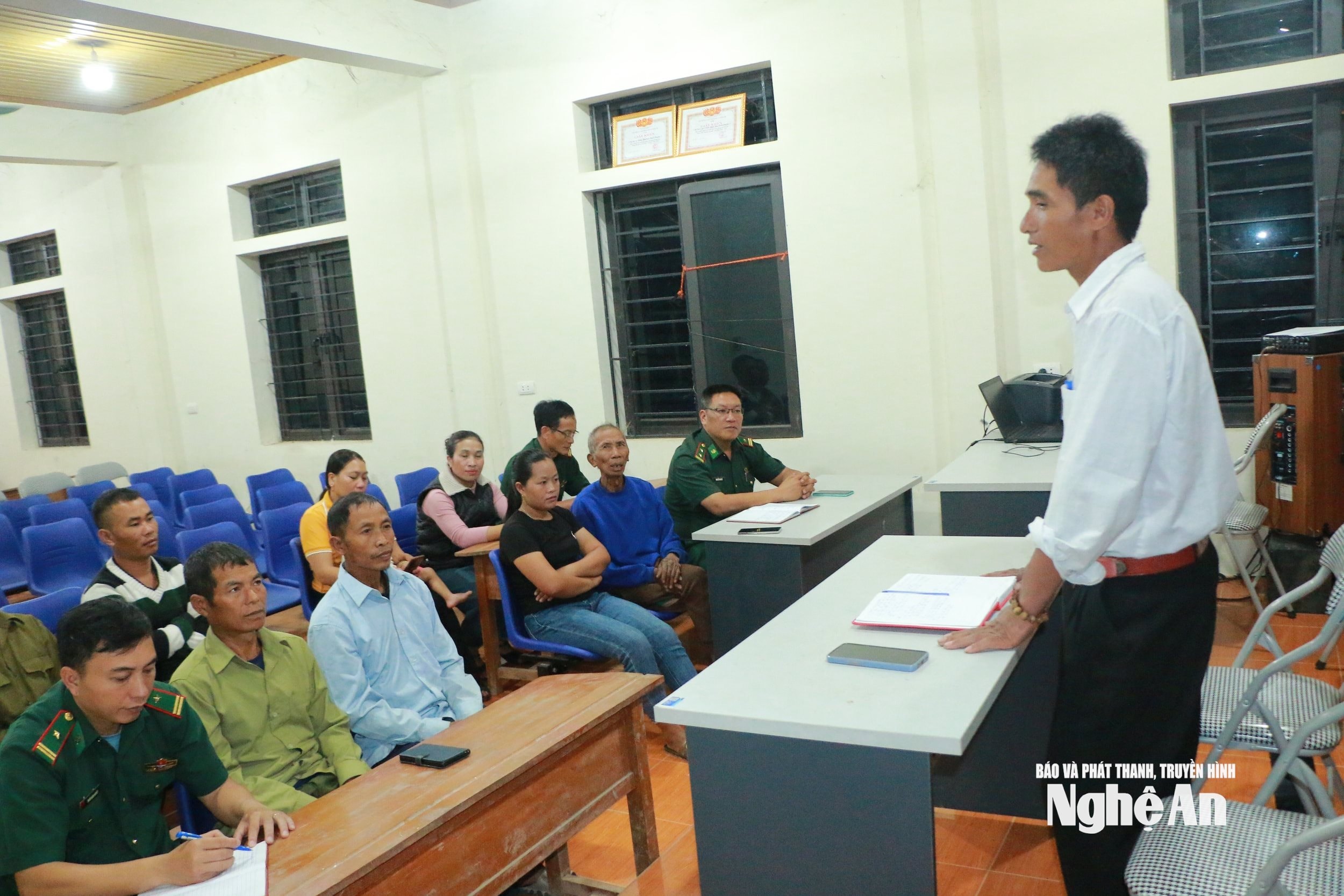
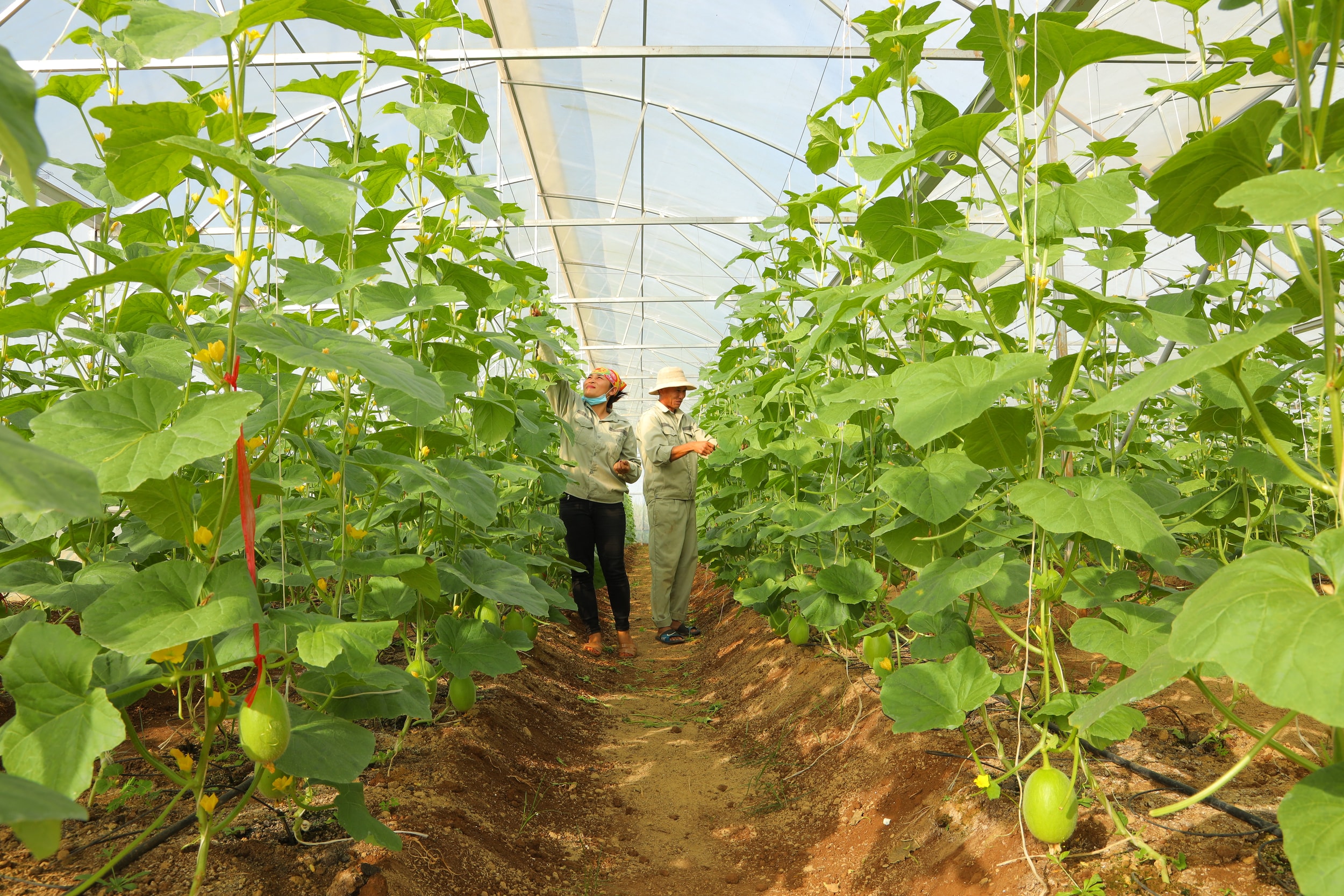
In mountainous regions, where ethnic minorities constitute a large proportion of the population, the terrain is vast, and transportation is difficult, political and ideological education requires even greater flexibility and closeness to the people. Reporters and propagandists don't wait for people to come; instead, they proactively go down to the villages, integrating the dissemination of resolutions with community activities, campaigning to eliminate outdated customs, developing production, and maintaining border security. Thanks to this "hands-on" approach, many major provincial policies have received the support of the people and been implemented effectively.
Furthermore, the province places special emphasis on improving the quality of political theory education, innovating methods of disseminating resolutions in a way that increases discipline, ensures mandatory participation, and enhances the responsibility and self-awareness of cadres and Party members in their studies and training. Studying theory is no longer a "secondary task" but has become an important criterion in evaluating and ranking cadres.
Building a solid "ideological foundation"
In the context of the information explosion, social media's powerful impact on social awareness, and the increasingly complex, boundless, and difficult-to-control struggle in the political and ideological spheres, Nghe An province places even greater importance on building a solid "ideological defense" from the grassroots level. The multi-directional flow of information, even distorted and false information, can directly affect social awareness. This requires a more radical reform of political and ideological education.
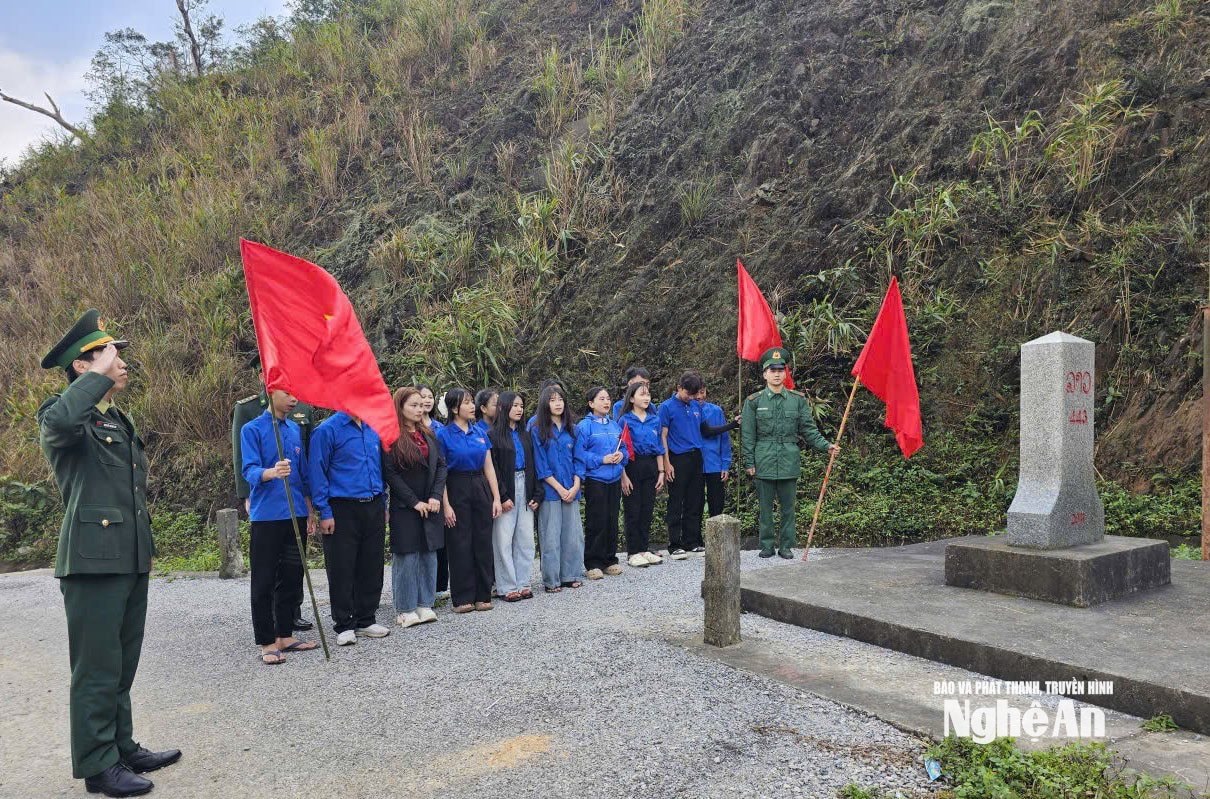
In the new era of development, this task plays a particularly important role. Provincial Party Secretary Nguyen Khac Than once emphasized that political and ideological work must lead the way, guide, and play a leading role in building and fostering the highest political determination, the highest ideological unity, the most persistent efforts, and the most decisive actions of the entire Party, people, and army to successfully achieve the strategic goals in the new development stage.
In that spirit, Nghe An focuses on building a team of social opinion collaborators, a core force in cyberspace, to promptly provide official information and refute false narratives.
The provincial press agencies, including Nghe An Newspaper and radio and television, have intensified the dissemination of information about good people, good deeds, and effective practices; proactively guiding public opinion on complex issues. Accurate and transparent information helps people understand the true nature of events and avoid panic.
Alongside the "construction" efforts, the "combat" against corruption has been implemented vigorously. As evidence, in 2025, the Provincial Police handled and investigated 21 corruption cases involving 123 defendants, recovering 150.8 billion VND; the People's Procuracy at two levels handled 23 corruption cases involving 63 defendants; and the People's Courts at all levels handled 11 cases involving 83 defendants related to corruption crimes. The inspection, supervision, and strict handling of violations not only maintain discipline and order but also have a profound educational and deterrent effect.
Political and ideological education in Nghe An is closely linked to personnel work. The province strengthens the cultivation of political and moral qualities for cadres and Party members; tightens discipline and order; and at the same time, creates an environment that encourages innovation and creativity, protecting those who dare to think, dare to act, and dare to take responsibility. When cadres have the courage and motivation to contribute, ideological work will truly go deeper.
The province has also implemented many solutions to improve the quality of its team of reporters, propagandists, and public opinion collaborators. Training courses on political theory, propaganda skills, and skills in handling harmful and toxic information are regularly organized. The ideological work force must not only be "good at speaking" but also "good at doing," closely connected to the grassroots, and thoroughly understand the thoughts and aspirations of the people in order to provide timely guidance.
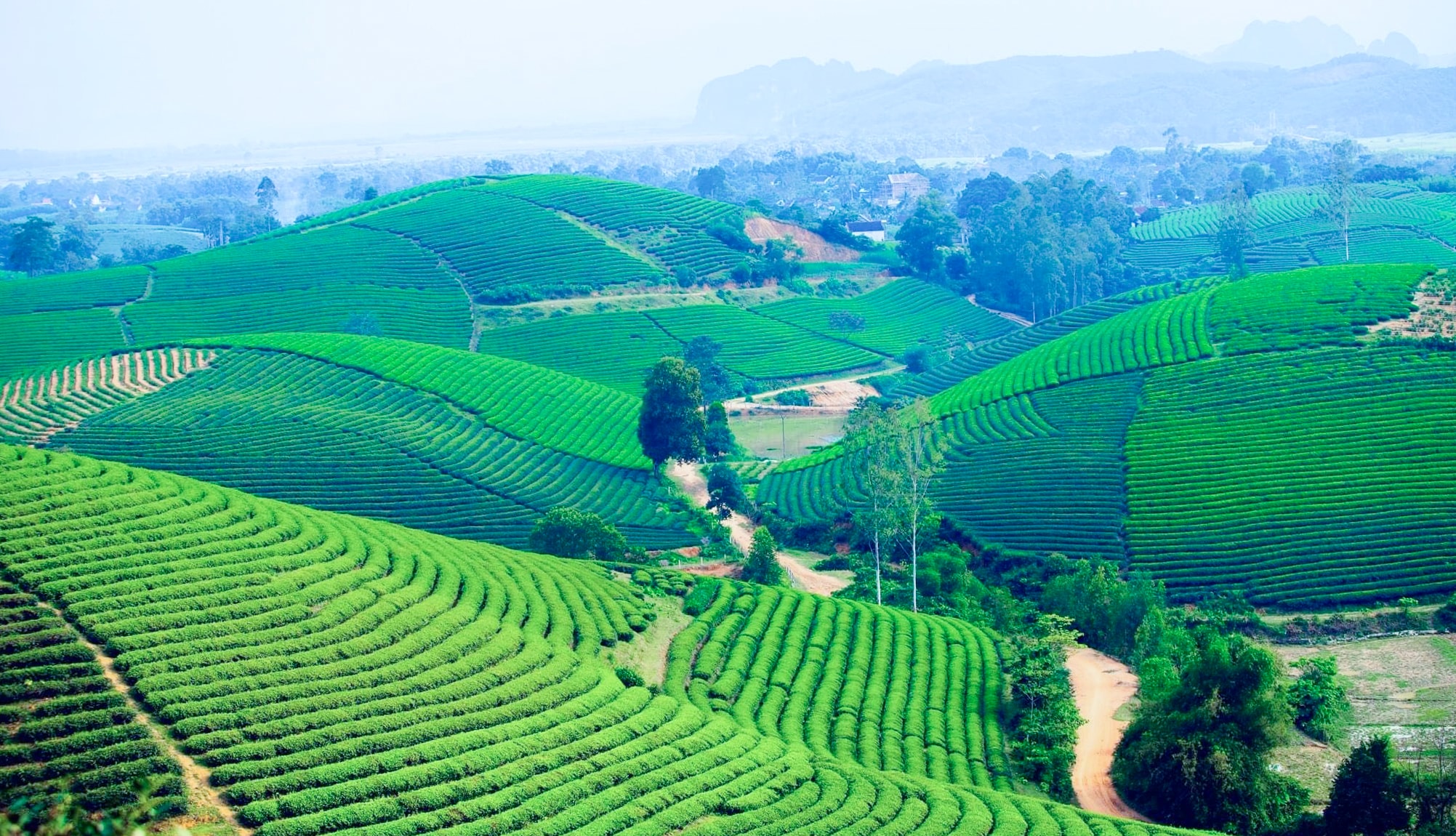
The ultimate goal of political and ideological education is not only to "hold the ground" but also to awaken the aspiration for development, the spirit of daring to think, daring to act, and daring to take responsibility among cadres, Party members, and the people. Ideological work must permeate every socio-economic development program and plan, becoming an endogenous driving force for sustainable growth.
In its journey towards becoming a prosperous province and a national-level growth pole, Nghe An understands that all success begins with people and ideology. When each official and Party member has unwavering faith in the chosen path, a desire to contribute, and a spirit of innovation, and when the people are in agreement and supportive, then no difficulty is insurmountable.