

The US and Colombia have moved from "the brink of war" to strategic dialogue.
After a tumultuous 2025 marked by unprecedented diplomatic tensions, relations between the US and Colombia are facing a crucial "reset." On February 3rd (local time), Colombian President Gustavo Petro will hold a summit with US President Donald Trump at the White House, marking a shift from intense confrontation to an effort to find common ground.
Reshaping bilateral relations
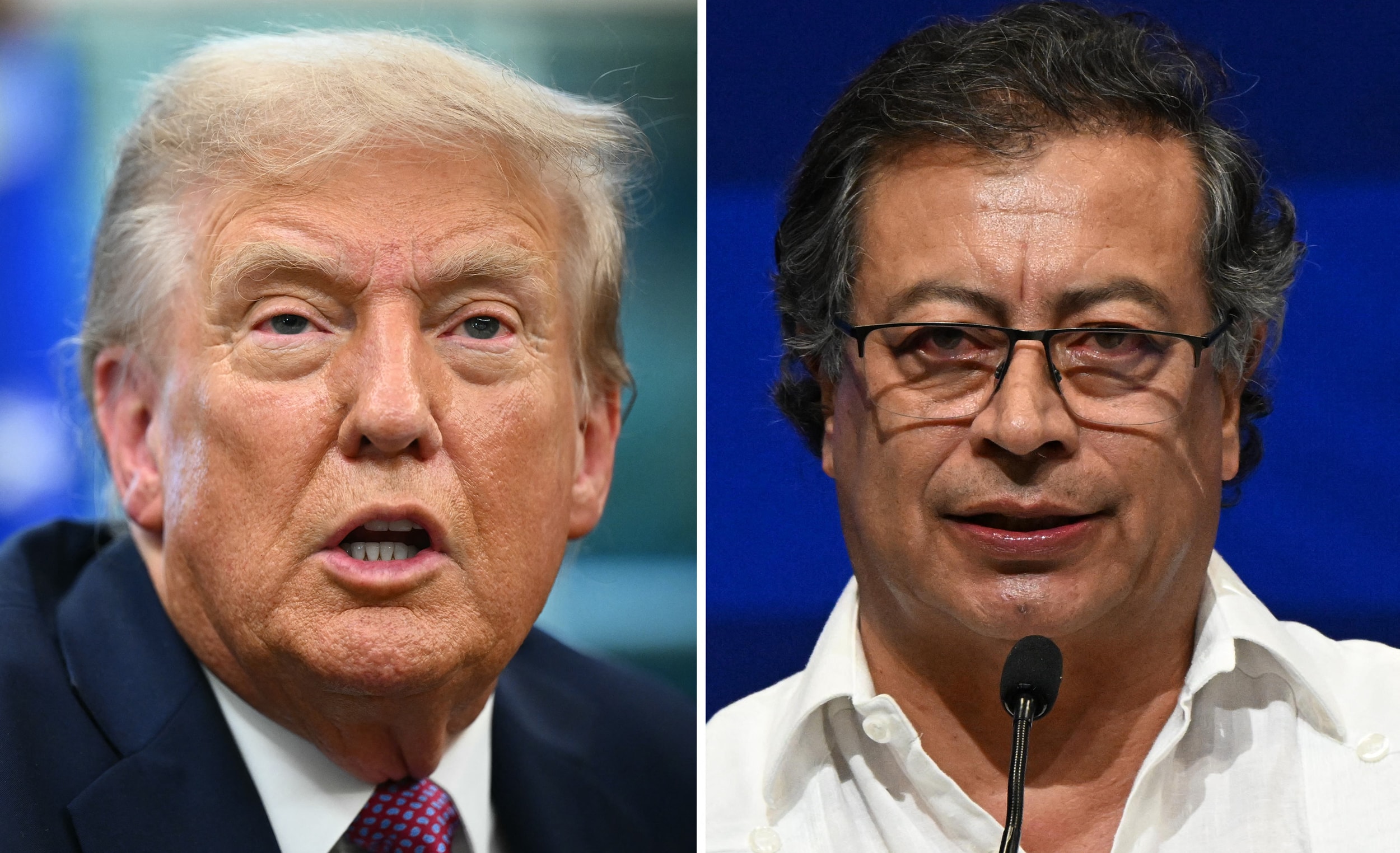
According to CNN, this meeting also contained strategic calculations from both sides, especially in the context of the turbulent geopolitical changes in South America following recent events in Venezuela.
President Gustavo Petro arrived in Washington on February 2nd on a special visa. His previous diplomatic visa had been revoked by the US State Department last September following heated arguments at the United Nations.
The visit, at the invitation of President Donald Trump, followed a "ceasefire" phone call last month. Colombia described it as a "milestone in bilateral relations," where the two leaders would identify strategic priorities and strengthen channels of cooperation, despite deep rifts over the past year.
For Petro, the meeting was a crucial opportunity to demonstrate to Washington that his administration was still effectively controlling the war on drugs and protecting national sovereignty. At the same time, it was an opportunity for Bogota to lobby for the lifting of economic and personal sanctions that the US had imposed on Colombian officials.
On the US side, President Trump expressed his expectation of a "good meeting," signaling a willingness to de-escalate tensions and focus on core interests in the region.
Unprecedented low notes
To understand the importance of this meeting, it is necessary to look back at the series of events that pushed relations between the two oldest allies in the Western Hemisphere to the brink of collapse during the first year of Trump's second term.
Tensions began as early as January 2025, when Trump launched a large-scale campaign to deport immigrants. The US use of military aircraft to return immigrants in handcuffs met with fierce opposition from Petro. The Colombian president blocked two repatriation flights, making strong statements about protecting the dignity of his citizens.
However, faced with the threat of tariffs and economic sanctions from Washington, Bogota was forced to compromise, accepting the stringent immigration requirements of the United States.
The conflict further escalated in March 2025 concerning the transnational criminal gang "Tren de Aragua". US officials accused Petro of being too lenient, even calling gang members "friends" who needed understanding – an accusation Petro vehemently denied, claiming it was a misunderstanding due to a language barrier.
The crisis peaked in September and October 2025. The US government decided to revoke Colombia's status as a drug-fighting partner, a rare move for a close ally.
Shortly afterward, tensions erupted at the United Nations General Assembly when Petro delivered a speech calling on American soldiers not to obey Trump's orders and criticizing US policy in the Gaza Strip. In response, the US revoked Petro's visa.
In October 2025, the US Treasury Department took an unprecedented step: imposing sanctions on the Colombian president, his wife, his son, and the interior minister, alleging involvement in global drug trafficking. Petro reacted strongly, publicly releasing his bank accounts to prove his innocence and hiring lawyers in the US to sue.
Change in attitude
According to CNN, the turning point in this diplomatic crisis was linked to events in neighboring Venezuela. In early January 2026, the US military launched a raid on Venezuela and arrested President Nicolás Maduro. This event sent a strong deterrent message to the entire region. President Trump then publicly warned that Colombia could be the next target if it did not change its policies. "He better be smart or he'll be next," Trump declared, while also issuing direct threats to the safety of Petro's government.
Under immense military and political pressure, coupled with the risk of complete isolation, Bogota's stance has shifted. On January 7th, the two leaders held an unexpected phone call. During this call, Petro agreed to restore direct communication channels, although he maintained his position that the US campaign in Venezuela was illegal. This phone call paved the way for the current visit to Washington.
Speaking to reporters ahead of the meeting, President Trump remarked: "He (Petro) was certainly very critical before. But after the Venezuela raid, he changed his attitude a lot and became much more likable."
This meeting in Washington is expected to resolve the "bottleneck" in relations between the two countries. Analysts believe that, despite many disagreements, the US still needs Colombia as an important security partner in the Andes region, while Colombia cannot be separated from its economic and aid relationship with the US.
The agenda is expected to include thorny issues such as cooperation on drug trafficking, controlling migration flows, and lifting sanctions. Petro will also engage with the business community and Colombians in the US to consolidate his position.