

Why cheap phone chargers pose risks and how to choose a safe charger.
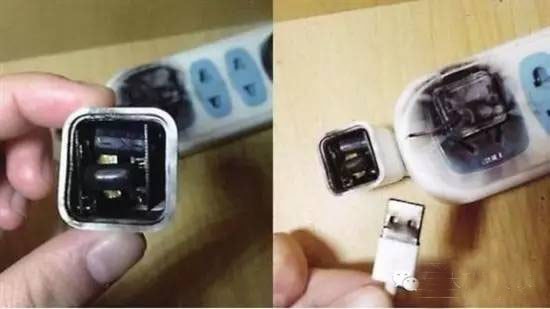
Cheap chargers often cut corners on components and quality control processes, posing a risk of fire and explosion. Users should choose products with UL and USB-IF certifications to protect their devices.
The chargers that come with original devices are usually high-quality, but when needing to buy a new one, many users tend to opt for cheaper chargers. However, these products often have slow charging speeds and low reliability. The main reason lies in the fact that manufacturers of unofficial chargers cut costs on materials and components and bypass strict safety control procedures.
Why cheap phone chargers pose many dangers
Using low-quality materials and poor build quality not only leads to devices prone to failure but also increases the risk of fire or damaging the phone. However, this doesn't mean all third-party chargers are of poor quality. Reputable brands like Anker, Belkin, and UGreen still offer reliable options at reasonable prices.
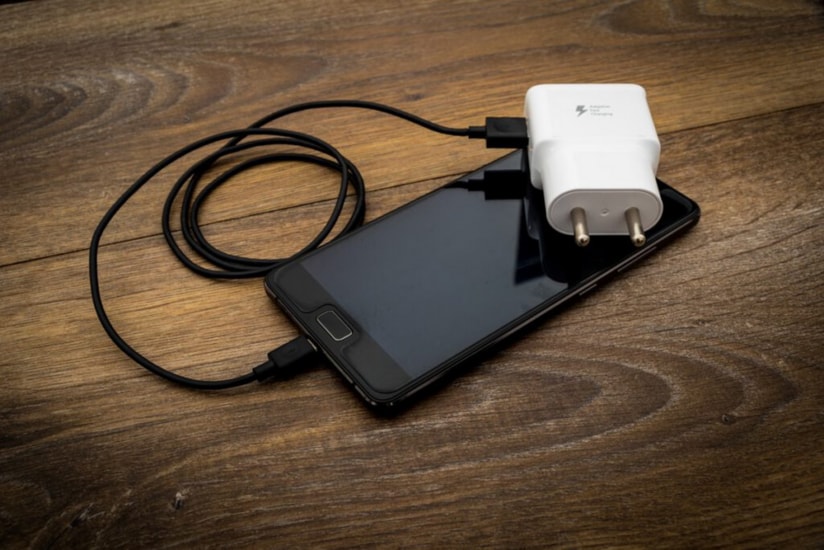
How to choose a reliable USB charger and power adapter.
To ensure the safety of both the device and themselves, consumers should consider the following important criteria when choosing a new charger:
1. Check international safety certifications.
Look for certification symbols such as UL and USB-IF on the packaging or directly on the adapter casing. These are indicators that the device has met stringent electrical safety standards and ensures optimal performance.
2. Compare the power consumption with the phone's needs.
Each phone model requires a different charging power, usually 18 watts or more to enable fast charging. Users need to ensure the charging port (USB-A or USB-C) supports the desired power level. Notably, the USB Power Delivery (PD) protocol now supports up to 240 watts, which is essential for the latest phone, tablet, and laptop models.
3. Consider built-in protection features.
High-quality chargers always come with protection protocols against overload, overheating, and short circuits. Additionally, experts recommend avoiding leaving chargers plugged into the power outlet when not in use to prevent energy waste and minimize the risk of fire in the long run.