

Japan's 'Iron Lady' wins a historic victory.
Prime Minister Sanae Takaichi took a major political gamble on February 8, leading her Liberal Democratic Party to a resounding victory in a surprise lower house election – Japan's second such election in less than 16 months.
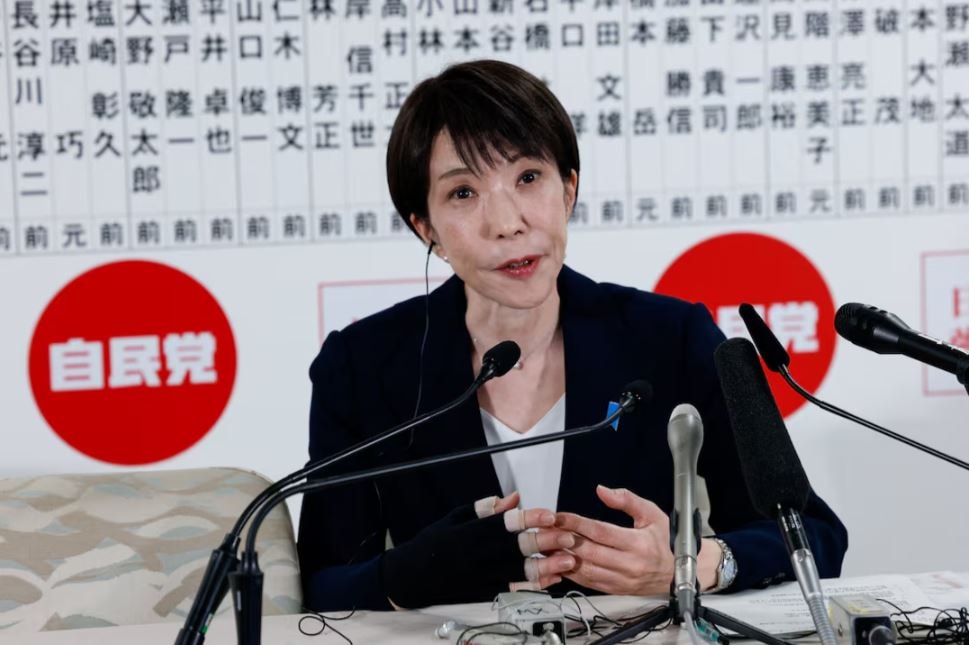
Japanese Prime Minister Sanae Takaichi's ruling coalition has created a political earthquake with an overwhelming victory in Sunday's election. This historic result has opened the door to her bolder promises such as tax cuts – a move that is causing turmoil in financial markets – and increased military spending to counterbalance China.
As Japan's first female prime minister and a self-proclaimed embodiment of Britain's "Iron Lady," Margaret Thatcher, Takaichi secured 316 out of 465 seats in the Lower House for the Liberal Democratic Party (LDP). This was the party's most impressive achievement ever.
Together with her coalition partner, the Ishin Party, Prime Minister Takaichi currently holds 352 seats. This number creates a "supermajority" (two-thirds of Parliament), allowing her to easily implement legislative agendas and veto decisions in the Upper House – where she does not yet control a majority.
The storm of votes: A gamble that paid off handsomely.
Speaking on television as the vote count was gradually announced, Japanese Prime Minister Takaichi said: "This election revolves around key policy shifts, particularly major fiscal and economic turning points, alongside strengthening national security."
She emphasized: "These are policies that have faced fierce opposition... But once we have received the public's mandate, we are compelled to do everything in our power to address them thoroughly."
From the other side of the globe, US President Donald Trump sent warm congratulations on social media, wishing the Japanese leader "great success in advancing the Conservative agenda and building peace through strength."
""Sanae's bold and wise decision to call for early elections has paid off handsomely," said President Trump, who is expected to host Takaichi at the White House next month.
At age 64, Ms. Takaichi called a rare early winter election to capitalize on her soaring personal approval ratings since taking over leadership of the ruling LDP late last year. Voters were drawn to her image as a straightforward, hardworking leader. However, her nationalist stance and focus on security have strained relations with powerful neighbor China, while her promises of tax cuts are causing concern among financiers.
The pressure from voters
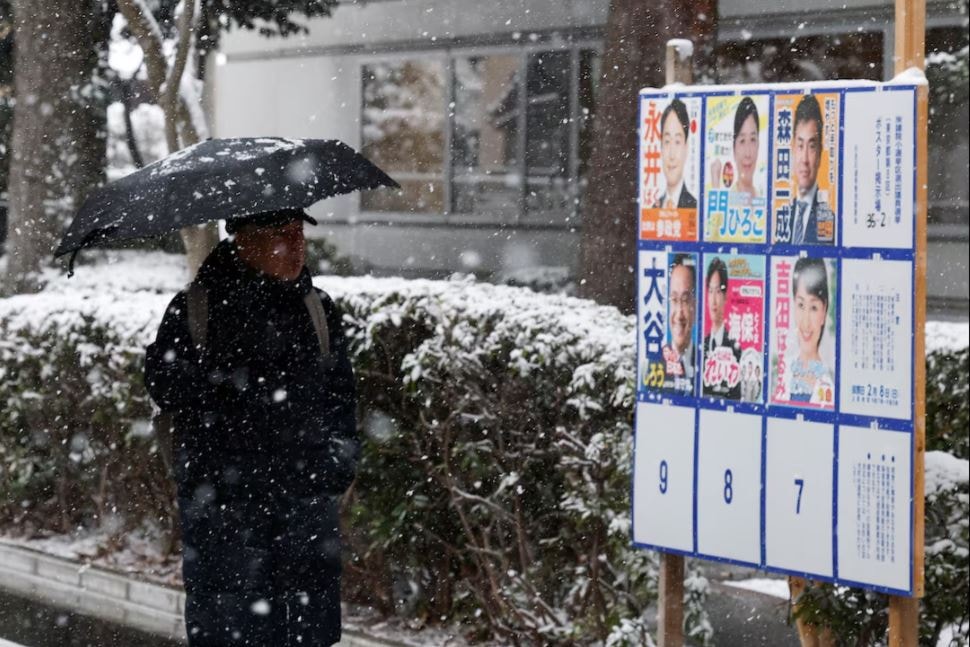
Japanese citizens braved heavy snowfall to cast their votes. In some areas, record snowfall paralyzed traffic and forced some polling stations to close early. This was only the third time since the war that an election had been held in February – a harsh time of year, a stark contrast to the usual mild weather.
Outside a polling station in the town of Uonuma in the mountainous prefecture of Niigata, teacher Kazushige Cho, 54, braved sub-zero temperatures and heavy snow to cast his vote for the LDP. "It feels like she's charting a clear course – as if the whole country is joining forces and moving forward," voter Cho shared.
However, the promise to suspend the 8% consumption tax on food to help households cope with rising prices has caused concern among investors. They worry about where the country with the heaviest public debt among developed economies will find the resources to finance this plan.
On February 8th, Prime Minister Takaichi affirmed that he would expedite the review of consumption tax cuts while still focusing on fiscal sustainability.
Chris Scicluna, head of research at Daiwa Capital Markets Europe (London), commented: "Her plan to cut consumption tax leaves big questions about the funding and how she will handle the budget balance."
The "Sanakatsu" Wave: When Politicians Become Idols
Yoshinobu Tsutsui, head of Keidanren (Japan Federation of Enterprises), welcomed Takaichi's victory as a restoration of political stability.""The Japanese economy is at a critical juncture for achieving strong and sustainable growth," he said.
The LDP, the dominant force in post-war Japanese politics, had lost control of both houses in elections over the past 15 months under its predecessor, Shigeru Ishiba.
Ms. Takaichi turned the tables by tapping into the emotional "water vein" of young voters. She even created a trend.""Sanakatsu" (roughly translated: Sanae Obsession Syndrome). The handbag and the pink pen she often used for taking notes in parliament have become highly sought-after items.
Geopolitical tensions
In contrast to the jubilant atmosphere at home, China appeared rather unenthusiastic.
Just weeks after taking office, Takaichi sparked the biggest controversy with Beijing in more than a decade when she publicly outlined how Tokyo might respond if China attacked Taiwan. In response, China implemented a range of retaliatory measures, including urging its citizens to limit travel to Japan.
Taiwanese leader Lai Ching-te was one of the first foreign leaders to congratulate Ms. Takaichi, expressing hope that this victory would""Bringing a more prosperous and secure future to Japan and its partners in the region."
Prime Minister Takaichi's current solid political power allows him to accelerate plans to strengthen national defense, which will undoubtedly anger Beijing.
Japanese Defense Minister Shinjiro Koizumi stated on television on the evening of February 8th that he wants to promote policies that strengthen defense while maintaining dialogue with China.
David Boling, a director at Asia Group, a geopolitical risk consulting firm, commented:"Beijing will not welcome Ms. Takaichi's victory. China must now face the reality that her position is extremely solid, and attempts to isolate her have completely failed."