

3 things users shouldn't stick or install on their smartphones.
Smartphones hold almost all of your digital life information, from bank accounts to social media. However, not all popular accessories or apps are safe and useful.
Today, smartphones are not just technological devices, but indispensable items closely linked to each person's personal life. Inside that compact device is a whole "data repository" of important information, from banking information and payment details to emails and social media accounts.
In reality, not all popular accessories or apps offer benefits. Besides familiar items like phone cases and screen protectors that help protect devices from scratches and impacts, there are also accessories that pose potential risks to privacy or performance.
Therefore, before sticking, installing, or attaching anything, users should think carefully. From seemingly harmless layers of adhesive to hidden security risks, there are some things that are best avoided on your phone.
1. Stick the sticker directly onto the back of the phone.
Applying stickers is a quick and easy way to personalize your phone, but sticking them directly onto the device can have more drawbacks than you might think. If the sticker is made of thick material or covers almost the entire back, it can hinder heat dissipation, causing the device to overheat during prolonged use.
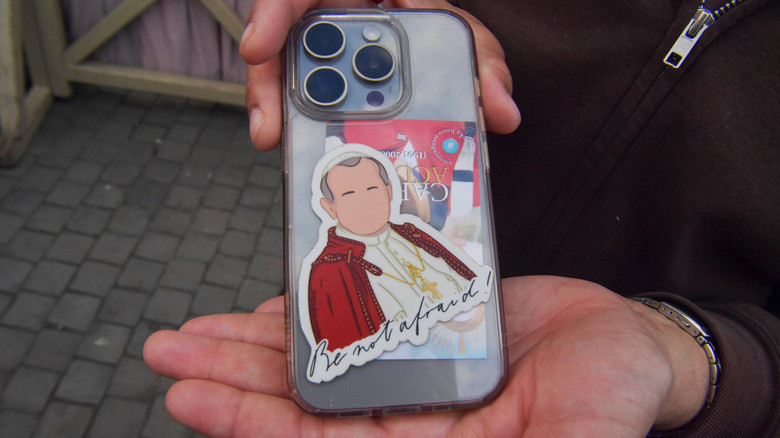
Furthermore, stickers can potentially obscure the flash or part of the camera lens, directly affecting photo quality. After a long time, the adhesive often leaves stubborn stains that are difficult to clean, damaging the phone's surface and reducing its resale value if you plan to upgrade to a new phone.
Therefore, the best solution is to stick the stickers onto the phone case instead of directly onto the phone. You can still decorate to your heart's content, without worrying about damaging the device.
2. Cheap plastic screen protectors
Screen protectors are an almost indispensable accessory, but plastic screen protectors don't offer the protection many people mistakenly believe. They only help prevent minor scratches, while their ability to absorb impact is very poor.
When a phone is dropped or subjected to a strong impact, the force of the impact is almost directly transmitted to the screen, significantly increasing the risk of cracking. Furthermore, plastic screen protectors often reduce touch sensitivity, resulting in a less smooth swiping experience compared to the original screen.
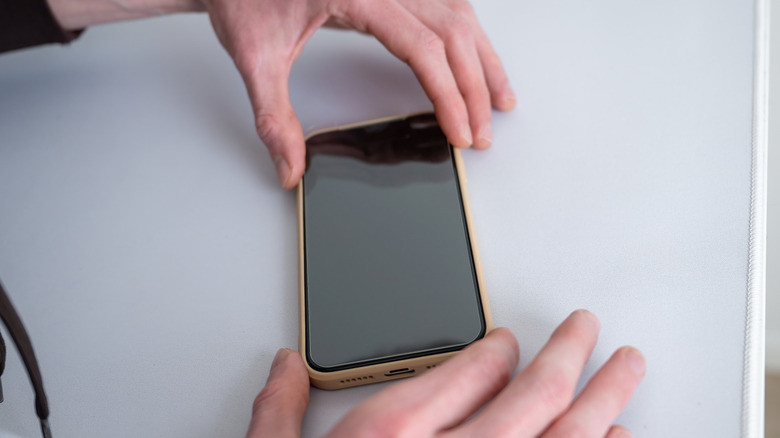
Therefore, for better protection of your phone screen, use tempered glass. Although more expensive, tempered glass provides more effective screen protection, is transparent, durable, and offers a user experience almost indistinguishable from the original screen.
3. Applications for cleaning RAM, speeding up the device, and saving battery power.
Apps advertised as "junk cleaning," "RAM freeing," or "battery saving" rarely offer any real benefits. On the contrary, many of these apps are adware or pose security risks, potentially collecting personal data without the user's knowledge.
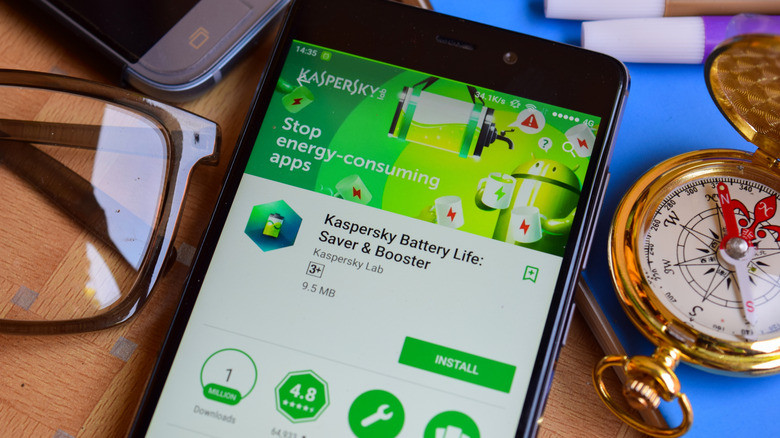
In fact, modern smartphones already manage memory and battery very efficiently. Constantly closing background apps doesn't save battery; in fact, it can cause the device to consume more energy as it has to restart the apps.
Therefore, users should utilize the management tools available on the operating system and focus on simple measures such as reducing screen brightness, controlling application permissions, or updating software regularly.
In short, not everything popular is good for your phone. Avoid sticking stickers directly onto your device, say no to cheap plastic screen protectors, and be cautious with "miracle speed-boosting" apps; this will help your device last longer, be safer, and operate more stably in the long run.