

Precious horses amidst the clouds of Muong Long
At the "gateway to heaven" in Muong Long (Nghe An province), the native horse breed has been closely associated with the Mong people for generations. Although roads are expanding and old trails are being replaced by concrete paths, the sound of horse hooves hitting the rocks amidst the clouds still resonates, reminding us of a cultural memory, a unique part of our identity, and suggesting the importance of preserving this rare and valuable animal breed in this remote border region.
Friend of the Hmong people
Before concrete roads snaked across the mountainside, before the sound of motorbikes echoed through the vast forest, Muong Long was a land of small trails clinging to steep cliffs. On those paths, the most familiar sight was that of the Hmong people trudging behind pack horses, their backs laden with rice, corn, salt, and other goods, connecting one village to another.
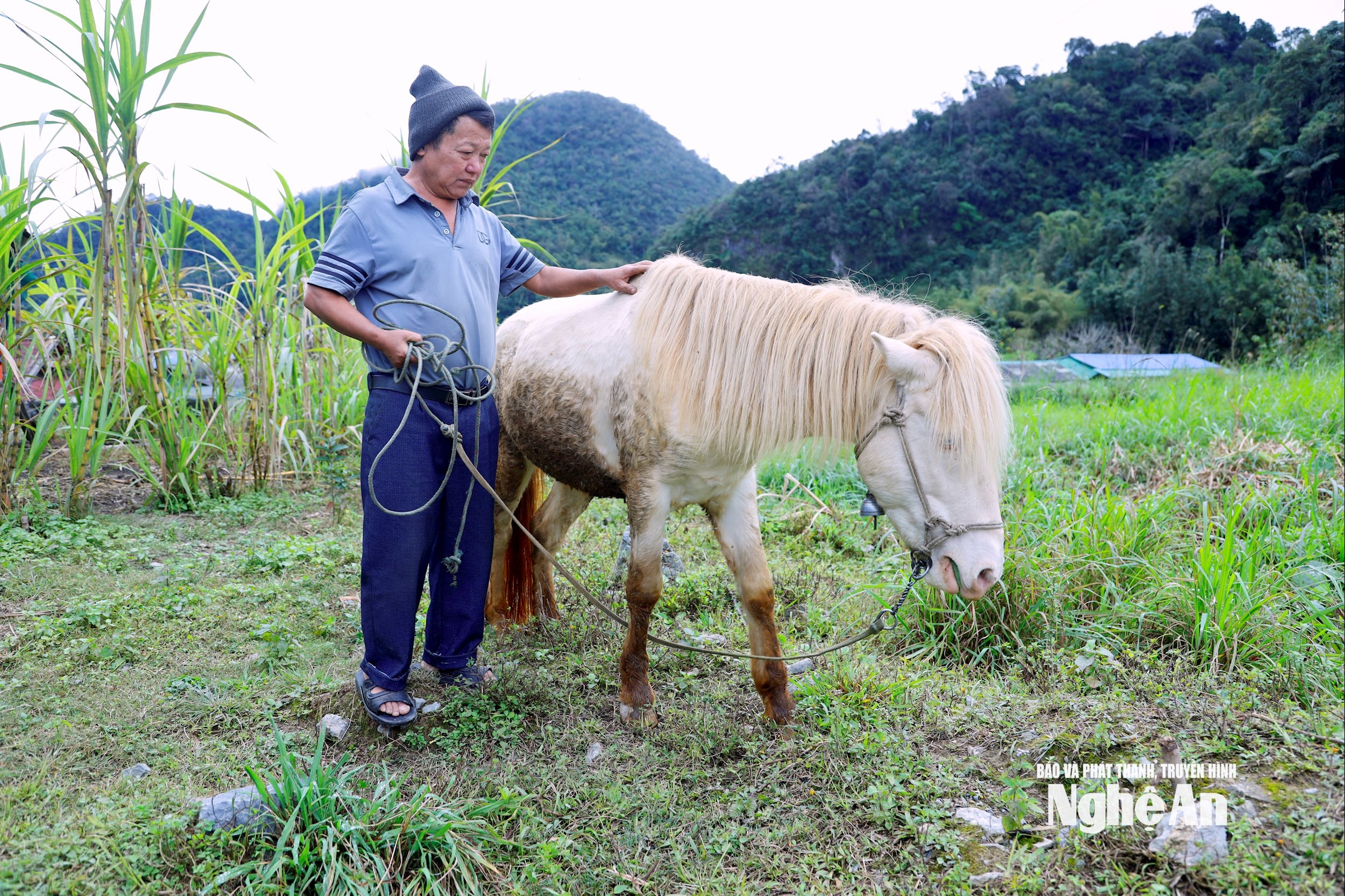
For the Hmong people, horses are not just tools for work. They are companions, valuable assets, and symbols of resilience and tenacity – qualities that help people persevere and survive in the harsh, cold mountain climate year-round.
Sitting on the porch of his time-worn wooden house, 64-year-old village elder Va Nhia Tu of Muong Long 1 village slowly follows his horse as it grazes peacefully on the hillside. Having spent more than half his life with the native horse breed, the memories of hardship remain vivid in the elder's story.
“In the old days, there were no motorbikes, no paved roads. To go to the fields, into the forest, or to another village to visit relatives, we relied solely on horses. Rice, corn, goods… everything depended on their legs,” old Tu recalled. During those years of famine, horses not only helped people overcome steep slopes and cross fog, but also ensured food and clothing amidst the precarious winds and clouds.
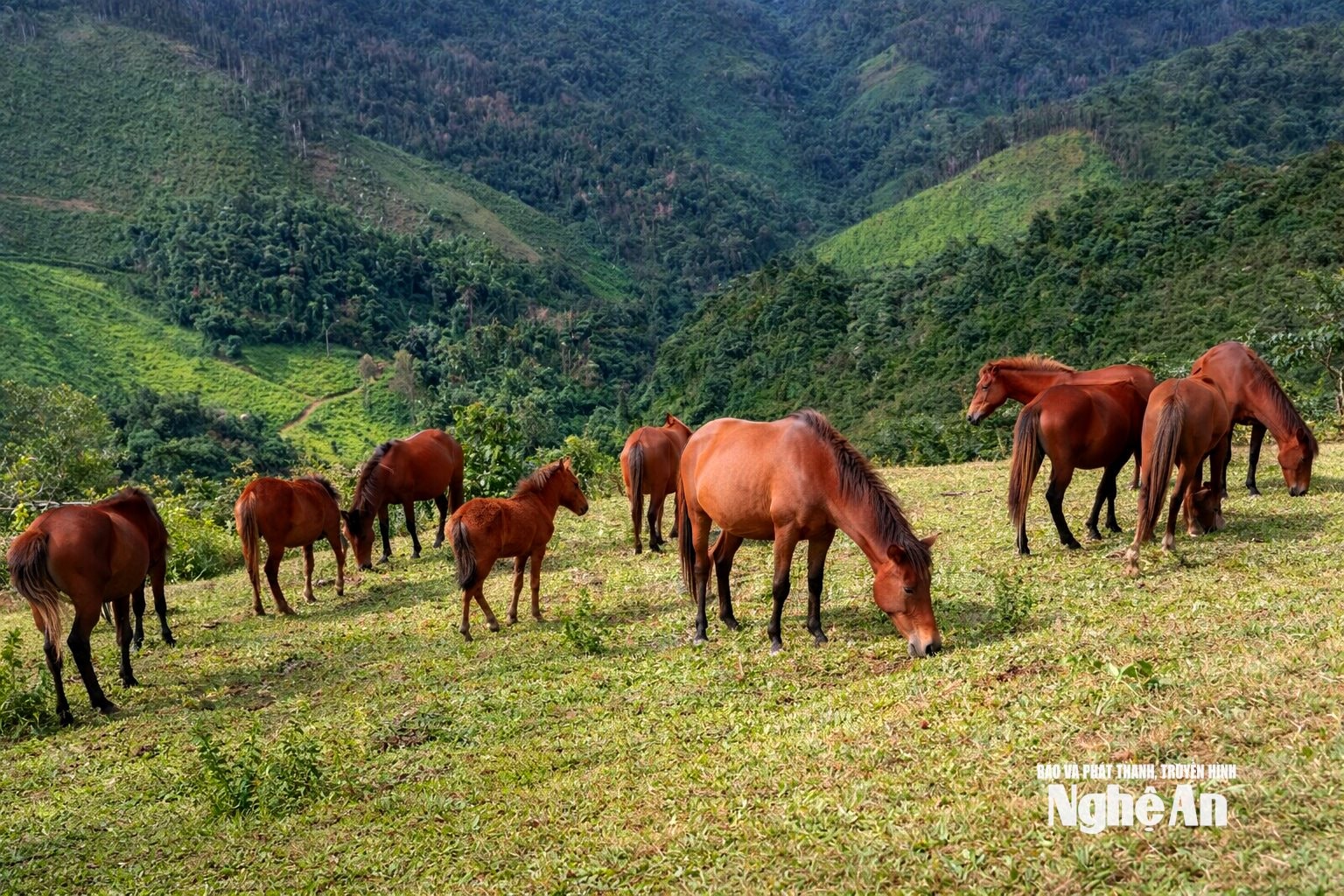
According to Elder Tu, there was a time when almost every household in the village kept a few horses. Horses were considered "savings," a measure of each family's prosperity. "Only with horses could we make a living, only then could we survive in the high mountains," the elder said, his voice lowering as if conveying the belief of an entire generation of Hmong people who had clung to their village and preserved it through their own labor.
Still preserving that memory today is Mr. Va Ba Chu, considered the household with the most horses in Muong Long. He has cared for nearly 20 native horses for many years, despite the fact that horse breeding no longer brings in as much income as before.
“This breed of horse has existed since the founding of the village. Our Hmong ancestors domesticated them over many generations. Keeping these horses is like keeping the soul of the mountains and forests,” Mr. Chu said. In the gentle sound of hooves touching the rocky slopes, he heard the echoes of a difficult and arduous time, yet one rich in cultural identity, where people and animals were closely intertwined.
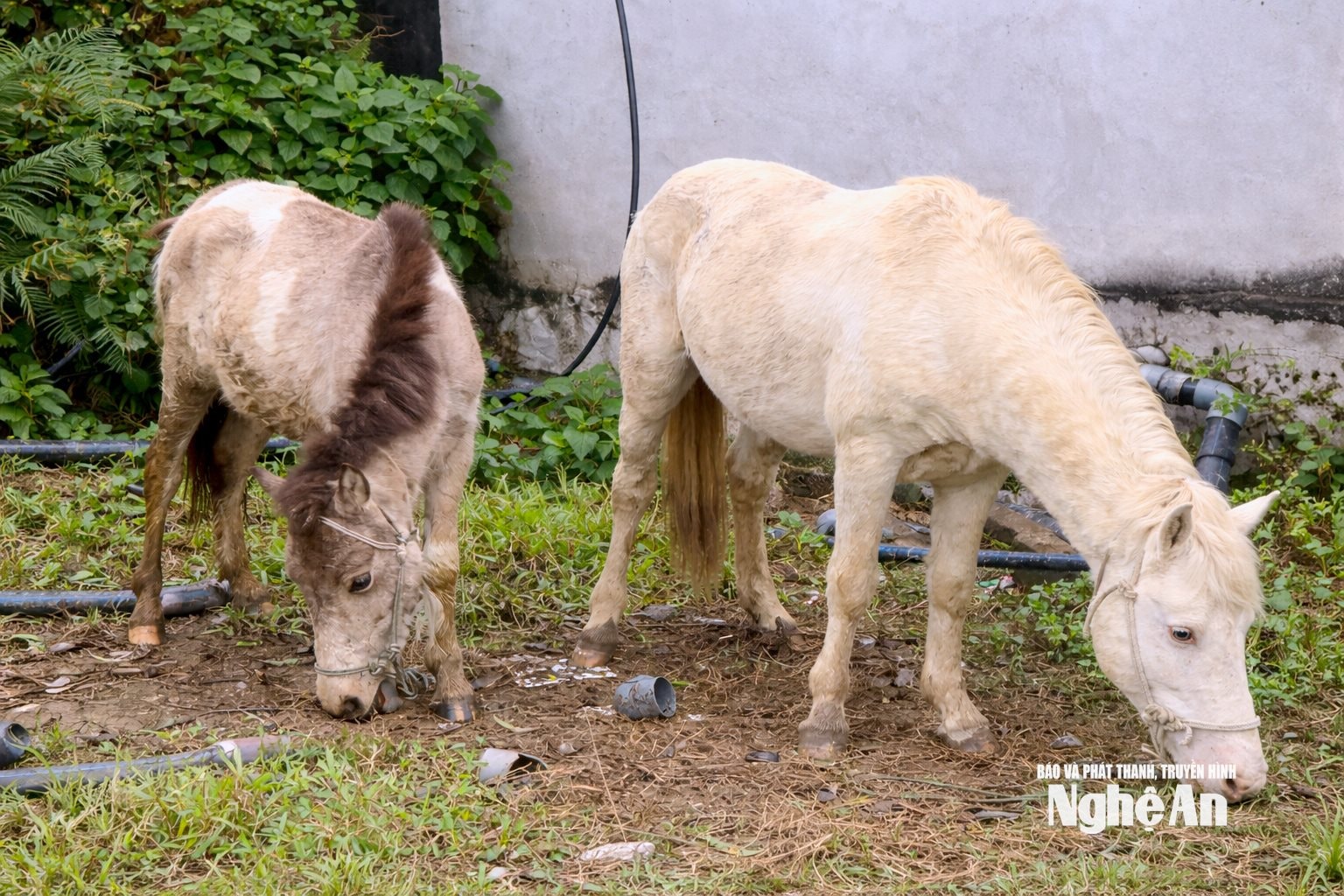
However, amidst the hustle and bustle of modern life, not every family has the resources and patience to continue raising horses. With the expansion of roads and the emergence of motorized vehicles, the role of horses in daily life is gradually diminishing, and these "enduring legs" that were once intimately connected to the Hmong people now face the risk of extinction.
According to Mr. Va Chu Tria, head of Muong Long 2 village, in the past, due to difficult transportation, many people raised horses. “During harvest season, people would carry rice home on horseback. But horses are weaker than buffaloes and cows, require more care, and are harder to train, so people gradually stopped raising them,” Mr. Tria shared. What worries him is that without a suitable solution, the native horse breed will become increasingly scarce on these mountain slopes.
Conservation efforts
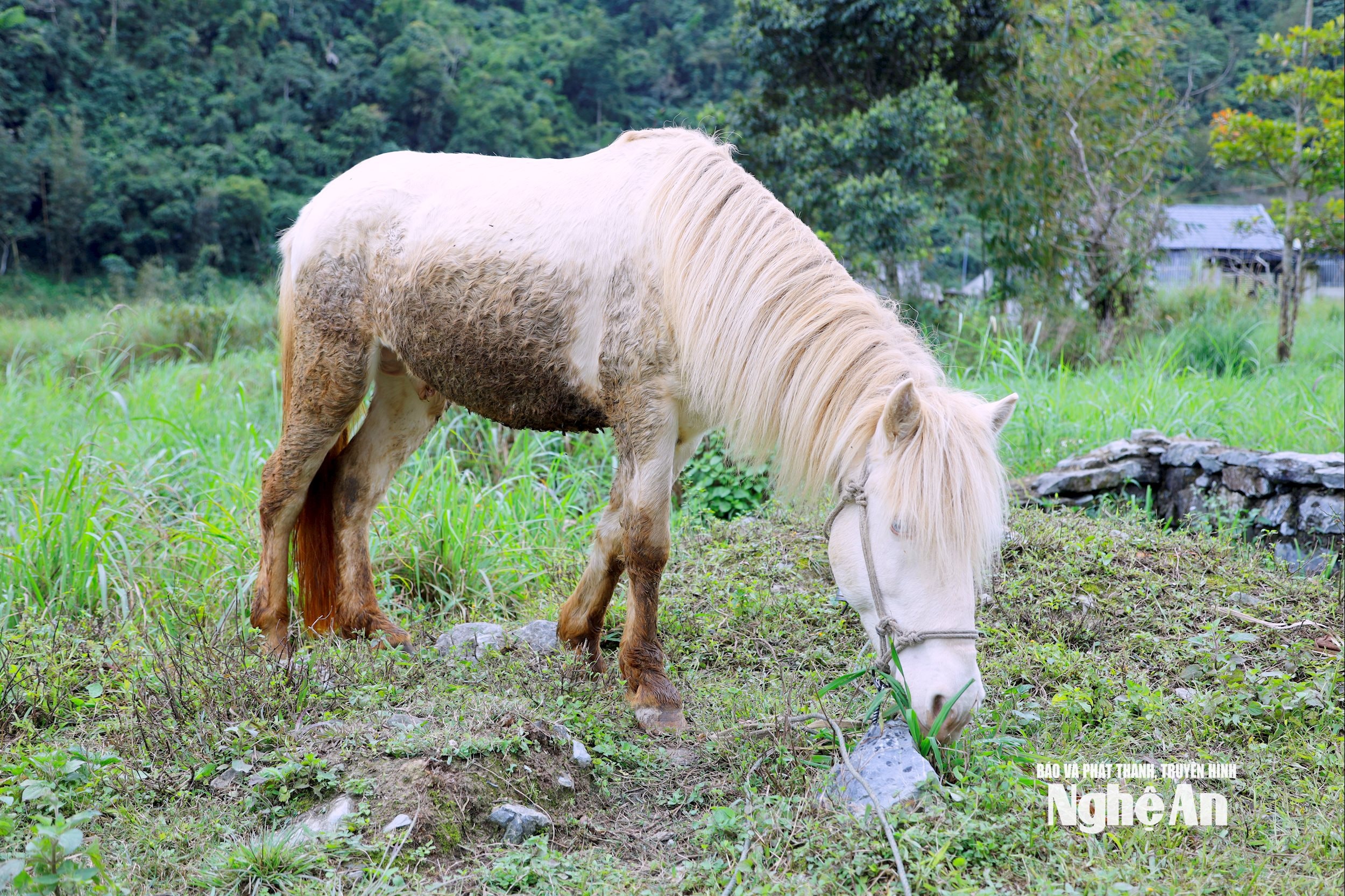
The Muong Long horse is an ancient indigenous breed, mainly distributed in highland communes inhabited by the Mong ethnic group such as Muong Long, Huoi Tu, Na Ngoi, etc., with Muong Long currently having the largest number remaining.
This breed of horse is capable of adapting to cold climates and rugged terrain at altitudes above 1,300 meters. The horses are relatively disease-resistant and are raised using traditional grazing methods. Adult horses are approximately 1.1-1.3 meters tall and weigh nearly 200 kilograms. However, as transportation needs changed and their economic value declined, horse breeding gradually fell into disuse.
According to local statistics, at one point the entire Muong Long commune had about 100 horses, but by the end of 2025 only about 30 remained, scattered across the villages of Muong Long 1, Muong Long 2, and Trung Tam.
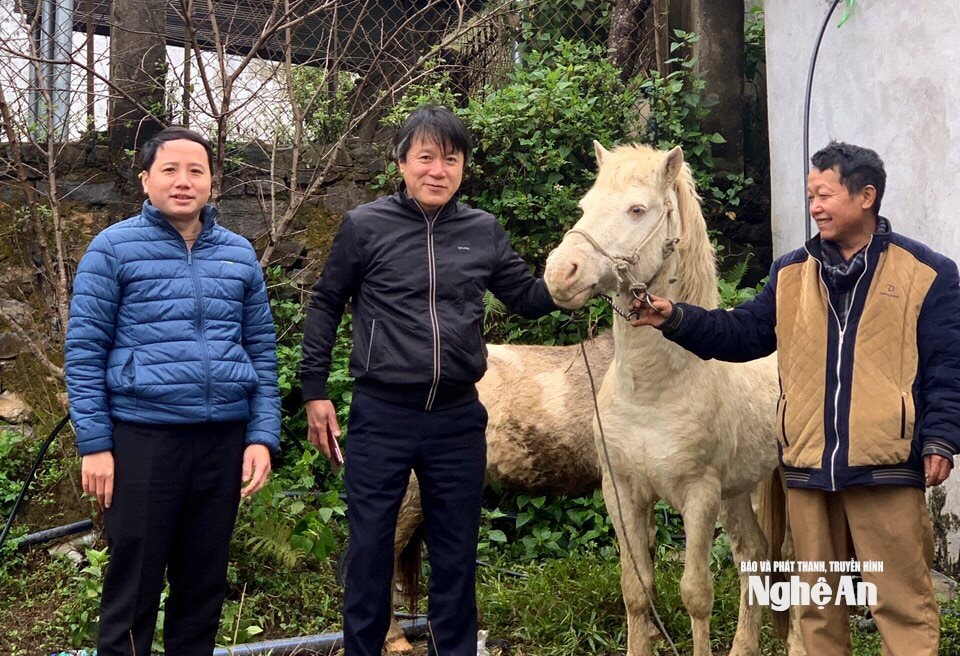
Given this situation, Mr. Pham Van Hoa, Chairman of the People's Committee of Muong Long commune, stated that the risk of the native horse breed disappearing is entirely possible. Currently, the price of adult horses is not much different from that of buffaloes and cows, while the care required is more arduous. Without timely solutions, it is inevitable that people will abandon raising horses.
Mr. Ngo Hoang Linh, Director of the Center for Application of Advanced Science and Technology in Nghe An, said that in recent years, the unit has collaborated with the Institute of Animal Husbandry to implement a model for preserving the genetic resources of the Muong Long horse. The focus of the program is to assess the physical characteristics, growth potential, and resistance; while also providing technical support, veterinary medicine, and feed to preserve this horse breed and limit the slaughter and unauthorized trade.
“The Muong Long horse is very cold-tolerant, strong, and has a smooth coat. If combined with experiential tourism such as horseback riding and photography, this will be a unique advantage for the ‘gateway to heaven’ region,” Mr. Linh emphasized. According to Mr. Linh, preserving the horse breed is not only about preserving a rare and valuable animal genetic resource but also about preserving the cultural and spiritual life of the Mong people – where humans and animals are closely intertwined as an essential part of life.
Today, Muong Long has become an attractive destination in western Nghe An, famous for its peach and plum blossoms, and vibrant red rose gardens shrouded in mist. In this setting, preserving the native horse population not only enriches tourism products but also adds a unique characteristic to this border region...