

Technical analysis of the FA-50 fighter jet shooting down a simulated US F-22 Raptor.
During the Cope Thunder exercise, the Philippines' FA-50 light fighter jet scored against the F-22 Raptor with the Fox 2 missile, revealing the challenges in close-range air combat.
During the Cope Thunder 2023 exercise in the Philippines, a simulated air combat scenario garnered significant attention when a lightweight FA-50PH fighter jet reportedly successfully destroyed a US F-22 Raptor. The "Fox 2" signal indicated that a short-range, infrared-guided missile had successfully locked onto and launched at the fifth-generation fighter jet, considered the most powerful in the world today.
Background of the Cope Thunder exercise
The Cope Thunder exercise, first held in 1976 in the Philippines, officially returned to the Southeast Asian nation in 2023 after a long hiatus. The event took place in July 2023 and involved approximately 225 personnel and various aircraft from both the US and the Philippines. The primary objective was to enhance bilateral operational coordination, integrate fighter tactics, and test pilots' situational awareness and skills in a tightly controlled environment.
The difference in technical specifications between the F-22 and the FA-50.
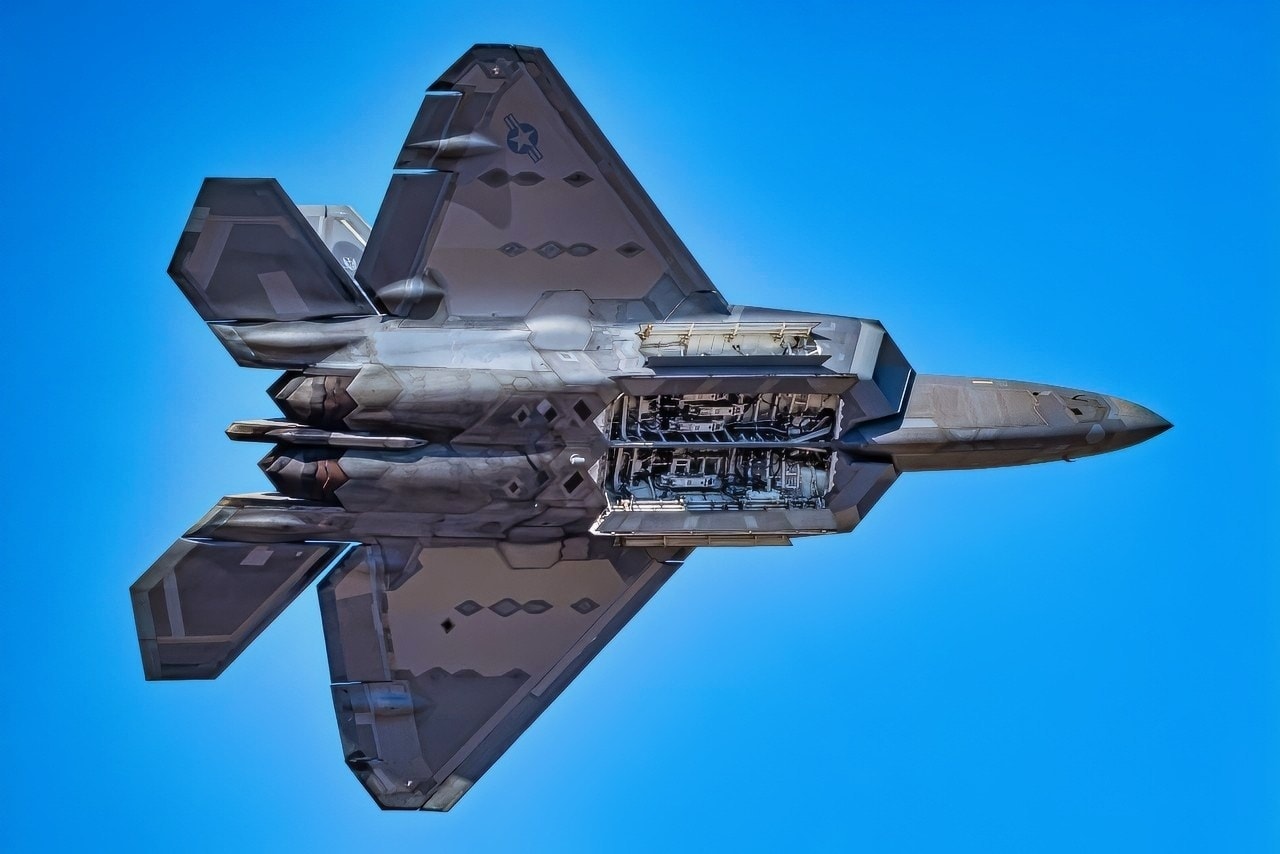
The F-22 Raptor is the first fifth-generation fighter jet to enter service, boasting stealth design, the AN/APG-77 active electronically scanned array (AESA) radar, and supercruise capabilities. The F-22's design philosophy is "see first, shoot first, kill first" to avoid close-range combat (WVR).
Conversely, the FA-50PH, developed from the South Korean KAI T-50 Golden Eagle, serves as a lightweight fighter and supersonic training aircraft. This model lacks stealth capabilities, has a smaller radar, and its payload and range are significantly more limited than its American counterpart. In theory, the technological advantage clearly lies with the F-22.
Decoding the tactics: When invisibility loses its advantage
Military experts explain the FA-50's ability to outperform the F-22 by considering the specific context of the exercise. In training scenarios, advanced aircraft are often deliberately put at a disadvantage, for example, having their beyond-visual-range (BVR) interception capabilities limited or facing radar jamming conditions.
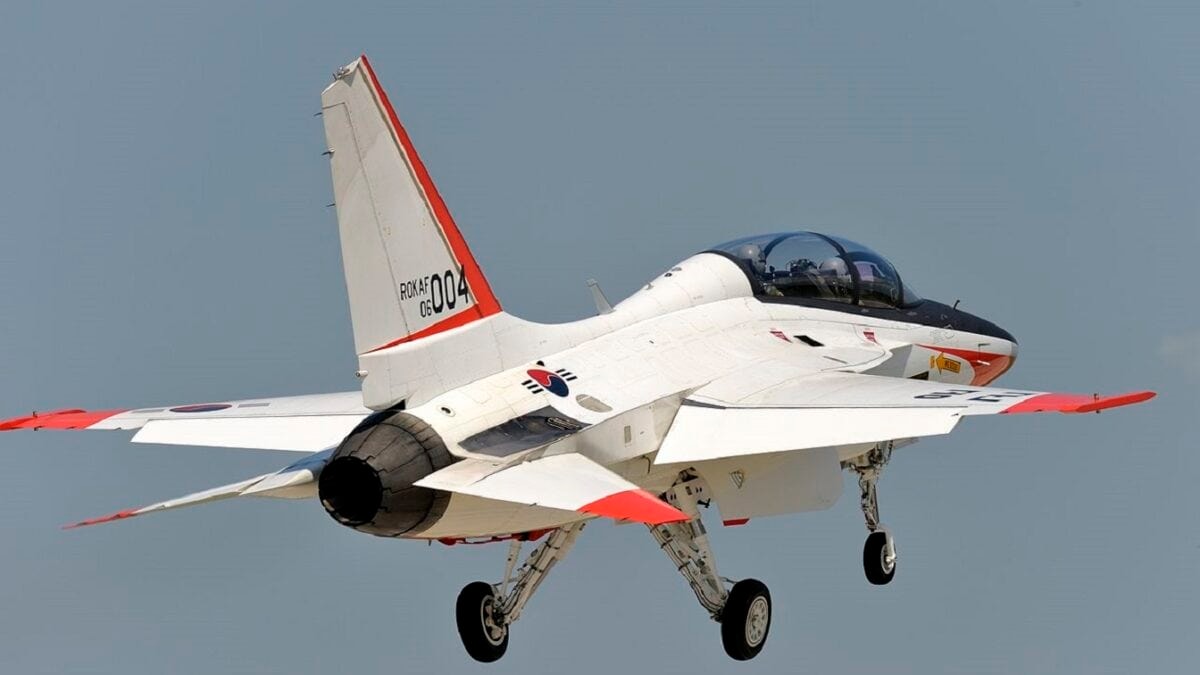
When engaging in close-range "daggerfights," the F-22's stealth advantage is significantly diminished. At this point, the deciding factors include infrared signatures, geometric positioning in air combat, and pilot maneuverability. The FA-50 has the advantage of its small size, making it difficult to detect with the naked eye, and its high maneuverability at certain speed ranges.
Precedent and lessons learned
In fact, F-22s being "shot down" during training is not uncommon. Previously, aircraft such as the Mirage 2000 (2009), Rafale, and Eurofighter (2012) also claimed to have scored against the F-22 in close-range combat situations. The common thread in these events is that they all occurred in limited scenarios, eroding the long-range combat advantage of the fifth-generation fighter.
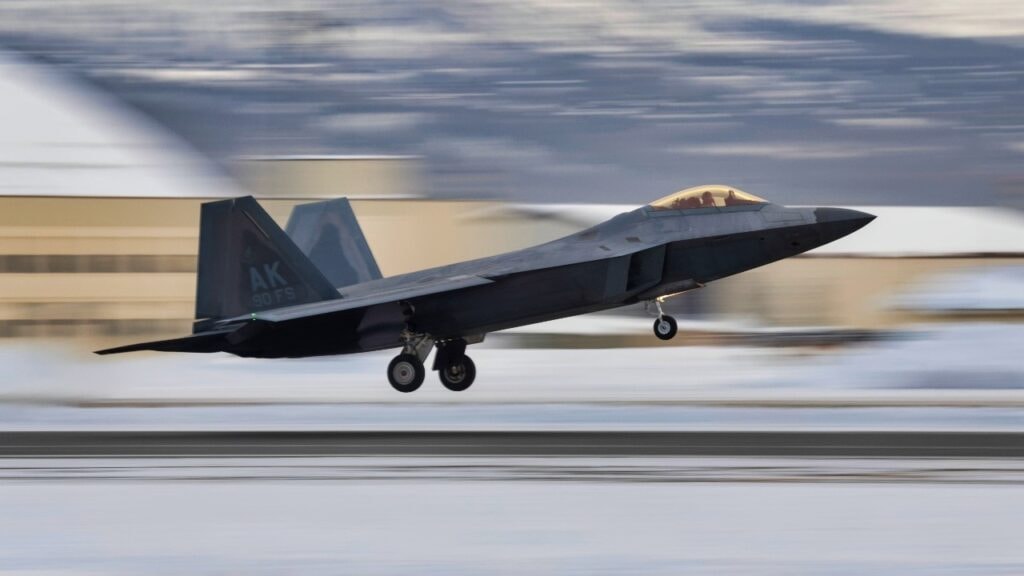
This result does not mean that the FA-50 can match the F-22 in actual combat, where network-centric warfare and long-range interception capabilities are dominant. However, it reaffirms an important military principle: no weapon platform is invincible, and close-range engagements always carry significant risks, regardless of the technological level of the aircraft.
- Modern air combat still prioritizes beyond-visual-range (BVR) interception capabilities.
- Pilot skill remains the deciding factor when entering close combat.
- Invisibility works best at long distances but becomes less effective when within the enemy's line of sight.
For the Philippine Air Force, this is a symbolic milestone, demonstrating its training capabilities and seamless coordination with advanced forces around the world.