

Latest developments in the US and Israel's attack on Iran.
On March 1st, the Middle East faced the risk of a full-scale war as the US and Israel launched waves of airstrikes targeting multiple locations in Iran. Tehran immediately responded with fierce military action, prompting intervention from several countries in the region.
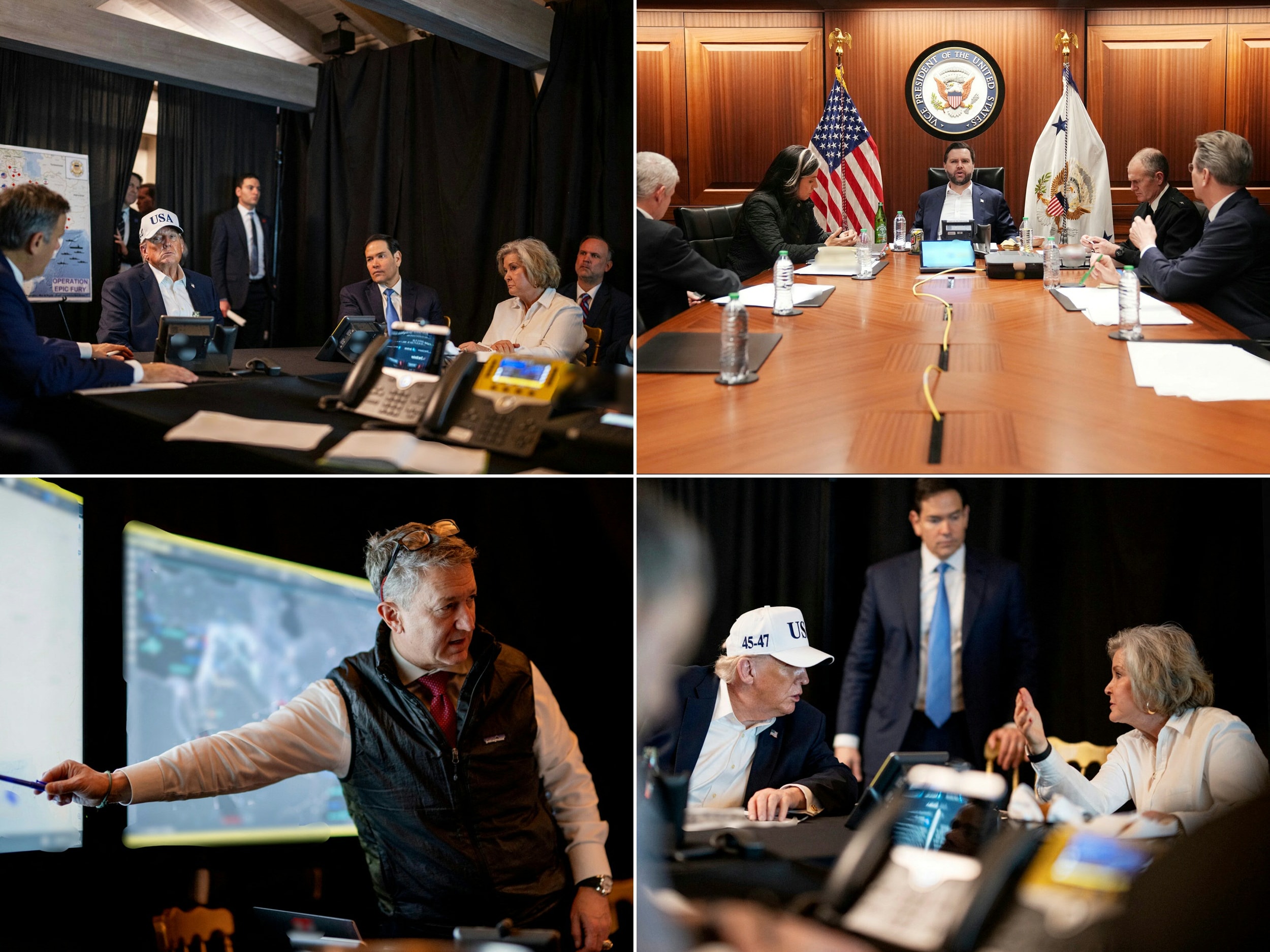
Statements from the US and Israel
Joint military operations by the US and Israel began in the early hours of February 28 (local time), with Israel claiming these were preemptive strikes.
Shortly afterward, US President Donald Trump also announced US military operations aimed at "eliminating imminent threats." On the social media platform Truth Social, President Trump claimed that Iran's Supreme Leader Ayatollah Ali Khamenei had died; however, there has been no confirmation from Tehran regarding this information.
Trump asserted that precise and intense bombing would continue relentlessly until its objectives were achieved. Meanwhile, U.S. Defense Secretary Pete Hegseth issued a stern warning to those seeking to harm Americans.
On the Israeli side, the military said 200 fighter jets participated in the "large-scale attack," striking more than 500 targets, including missile launchers and numerous locations believed to be gathering places for high-ranking Iranian officials. Israeli Prime Minister Benjamin Netanyahu warned that thousands more targets would be attacked in the coming days.
Casualties and widespread retaliation
Regarding the loss of life, Iranian judicial authorities quoted a provincial official as accusing Israel of being behind the airstrike on a girls' school in Minab that killed 108 people.
In response to the airstrike, Iran's Islamic Revolutionary Guard Corps (IRGC) claimed to have targeted the US Fifth Fleet in Bahrain and other US bases in the Gulf, and launched the first wave of missiles and drones toward Israel. Israeli emergency services confirmed one death and at least 21 injuries in the Tel Aviv area.
Violence quickly spread throughout the Gulf region. The United Arab Emirates (UAE) reported that two people were killed (including one Pakistani civilian) and four injured in Dubai after 137 missiles and 209 drones were launched into its territory.
Several loud explosions were also recorded in the capital Riyadh (Saudi Arabia), Manama (Bahrain), and Doha (Qatar).
Qatar's Ministry of Defence has confirmed that it intercepted multiple missile attacks targeting the country.
In Iraq, two people were killed in airstrikes targeting a military base belonging to the Iranian-backed Kataeb Hezbollah group.
Notably, Iran's IRGC forces have taken steps to blockade the Strait of Hormuz – a vital waterway through which much of the world's oil and gas is transported.
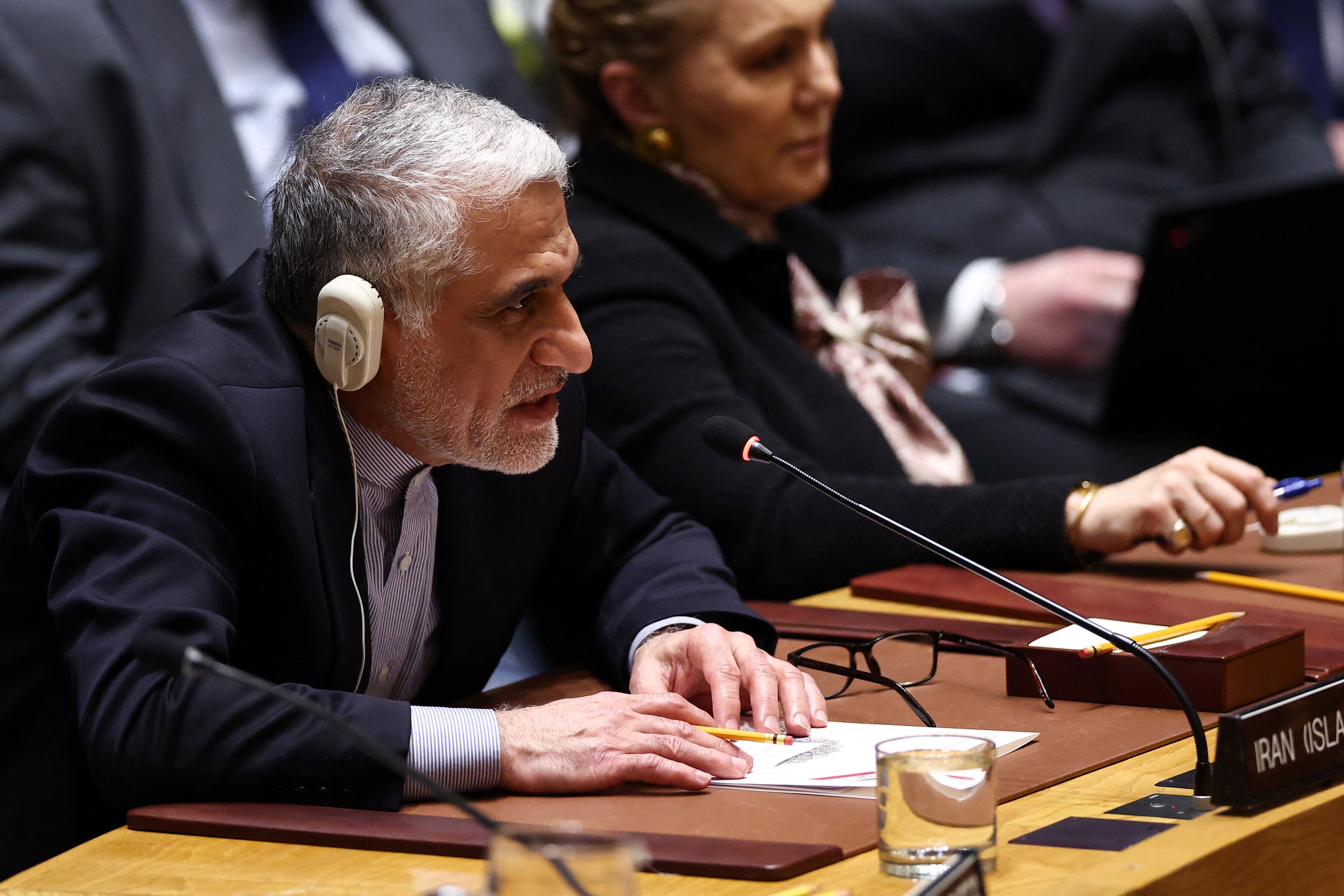
International emergency meeting held, air travel paralyzed.
In response to the critical situation, the United Nations Security Council held an emergency meeting. At this meeting, the Iranian ambassador accused the United States and Israel of potentially committing "war crimes" by attacking civilians.
UN Secretary-General Antonio Guterres warned that this military action carries the risk of triggering a chain of events that no one can control.
Gulf states condemned Iran's retaliatory attacks in a joint statement, while Russia criticized the US-Israeli airstrikes as a "dangerous adventure" that could cause a regional "catastrophe."
The European Union (EU) also considers the situation to be extremely "dangerous".
Military tensions have led to the partial closure of airspace over Iran, Iraq, Kuwait, Syria, the UAE, and Israel. A number of international airlines, including Russian ones, have announced the cancellation of flights to the Middle East until further notice.