

Dubai: UAE covers all expenses for over 20,000 passengers stranded at the airport.
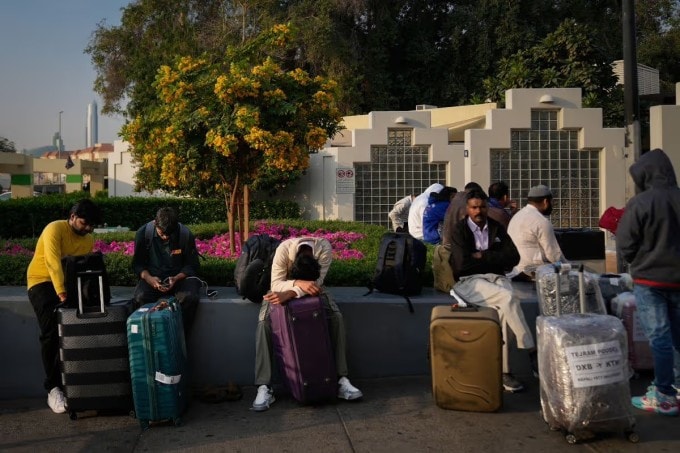
The UAE authorities are covering all accommodation and meal costs for thousands of passengers affected by canceled flights due to the regional security situation.
The UAE authorities have just announced a special support policy, covering all accommodation and meal costs for approximately 20,200 passengers affected by the mass flight cancellations on March 1st. This decision was made amidst severe disruptions to the Middle Eastern air network due to complex security developments.
Disruptions at air hubs
On the afternoon of February 28th, several areas in Dubai experienced loud explosions, resulting in damage to infrastructure such as the Fairmont The Palm hotel on the artificial Palm Jumeirah island, the Jebel Ali port area, and the vicinity of the Burj Al Arab. At least four people were reported injured, prompting Dubai Airport to temporarily suspend operations and tighten security measures.
UAE's emergency response plan
The UAE General Directorate of Civil Aviation (GCAA) has activated its emergency response plan to minimize damage to travelers. National airports and airlines are now working closely together to adjust flight schedules, reroute domestic flights, and increase ground staff in congested areas.
Notably, the UAE authorities have pledged to cover all costs for reception, temporary accommodation, and meals for stranded passengers. For transit passengers, necessary procedures will be assisted in completing while awaiting their next flight, helping to alleviate stress for those staying at the airport.
Impact on the global aviation network
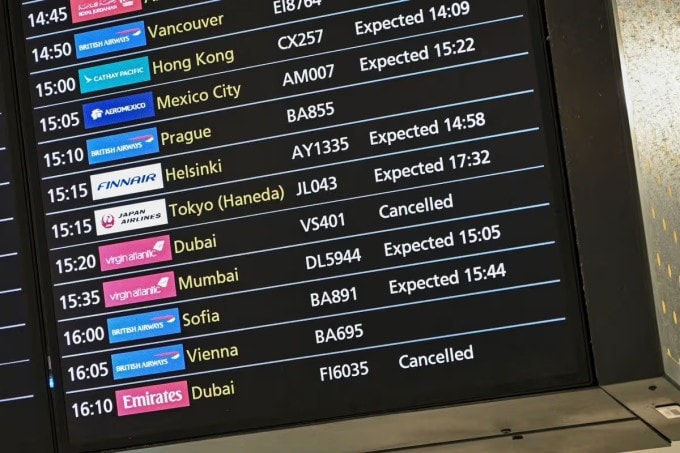
According to data from Flightradar24, more than 3,400 flights were canceled at seven major airports in the Middle East due to airspace closures stemming from security concerns. The disruption to major transit hubs such as Dubai, Doha, and Abu Dhabi – which handle approximately 90,000 transit passengers daily – has had a ripple effect on flight schedules worldwide.
Tips for dealing with being stranded at the airport.
Tim Riley, CEO of travel insurance company True Traveller, offers crucial advice: passengers should not rush to accept refunds from airlines. Accepting a refund immediately terminates the airline's obligation to provide care, and travelers will have to bear the cost of rebooking their own tickets, which can skyrocket during a crisis.
Instead, passengers are advised to work directly with the airline to arrange alternative itineraries. They should also regularly check for updates through the airline's official channels and the GCAA to stay informed of the latest schedules as soon as security conditions allow for the resumption of operations.