

Would an attack from Iran deplete the U.S. arsenal of interceptor missiles?
The fact that U.S. forces have repeatedly shot down hundreds of Iranian ballistic missiles in recent days is raising serious questions about the sustainability of the country's air defense arsenal. With the conflict predicted to last for weeks, Washington is facing a difficult dilemma between the rapid depletion of expensive weapons and limited production capacity.
The race between launch platforms and anti-aircraft missiles.
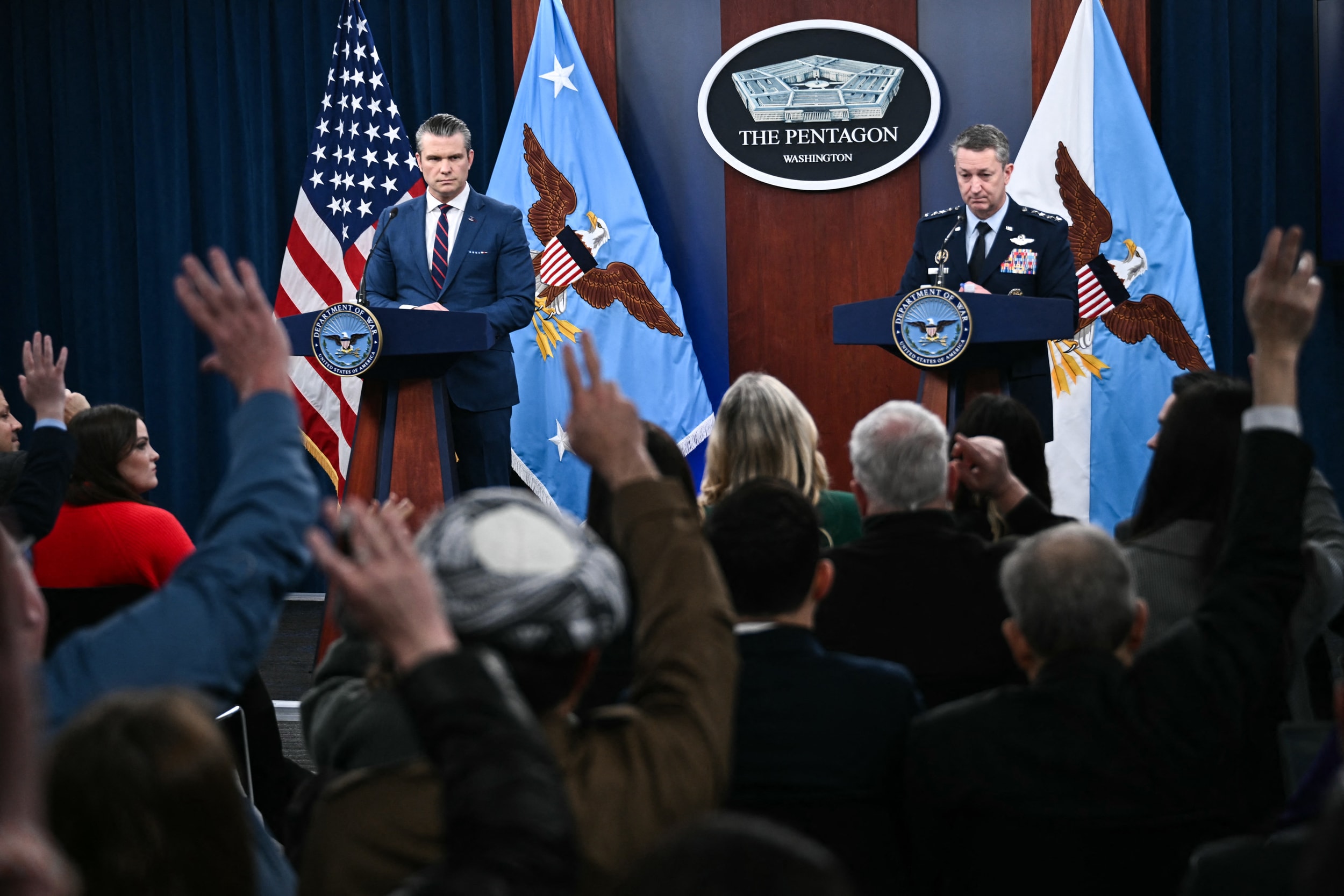
Since the outbreak of hostilities, U.S. forces have successfully intercepted hundreds of ballistic missiles targeting U.S. and partner bases to maintain regional stability, according to General Dan Caine, a senior U.S. military official, on March 2. While these interceptions have been a resounding tactical success in preventing enemy missiles from reaching their targets, they have come at a very high cost: a significant depletion of the already scarce stockpile of high-tech interceptor missiles.
Kelly Grieco, a senior fellow at the Stimson Center, warns of the imminent risk that the U.S. and its partners could run out of interceptor missiles before Iran uses up its entire stockpile of offensive missiles.
According to initial Israeli estimates, Tehran possesses approximately 2,500 ballistic missiles – a number almost certainly far exceeding the total number of ballistic missile interceptors currently in the possession of the United States and Israel.

Time pressure and resource management
Besides ballistic missiles, General Caine acknowledged that Iran's unmanned aerial vehicles (UAVs) also pose a significant threat.
However, experts believe the most serious shortage lies in the area of ballistic missile interceptors, because the expenditure of expensive weapons to destroy UAVs is not as high.
A key factor determining the number of interceptor missiles needed is the duration of the conflict. U.S. President Donald Trump has previously mentioned a military operation lasting weeks, but he recently asserted that progress is currently far exceeding initial projections.
Although the initial estimate was around 4 to 5 weeks, Trump emphasized that Washington had the capacity to sustain the war for much longer. Meanwhile, Defense Secretary Pete Hegseth also left open various timeframes, ranging from 2, 4 to 6 weeks depending on developments on the ground.

Threat to Washington's global defense strategy
The repercussions of this conflict are not limited to the Middle East but also risk weakening the United States' global standing. Joe Costa, Director of the Defense Program at the Atlantic Council, argues that a protracted war with Iran could deplete the crucial stockpile of anti-aircraft missiles that the U.S. needs to allocate to other priority regions around the world.
Looking at the bigger picture, expert Grieco points out a harsh reality: the current rate of weapons production cannot keep up with actual demand. From Europe and the Indo-Pacific to the Middle East, every battlefield is experiencing a "thirst" for launch systems and anti-aircraft missiles. Meanwhile, Washington is simply consuming them at a much faster rate than its defense industry can compensate.