

Regenerating orchards after harvest.
After the peak harvest during the Lunar New Year of the Year of the Horse, fruit trees enter a period of noticeable decline in vitality. Proper recovery immediately after harvest not only helps the trees re-establish their growth balance but also directly determines the yield and quality of the entire production cycle in the following year. From the experience in communes such as Yen Xuan, Van Kieu, and Van An, it can be seen that orchard regeneration is no longer just an auxiliary technical step, but has become a foundation for sustainable development.
Restoring orchards after harvest.
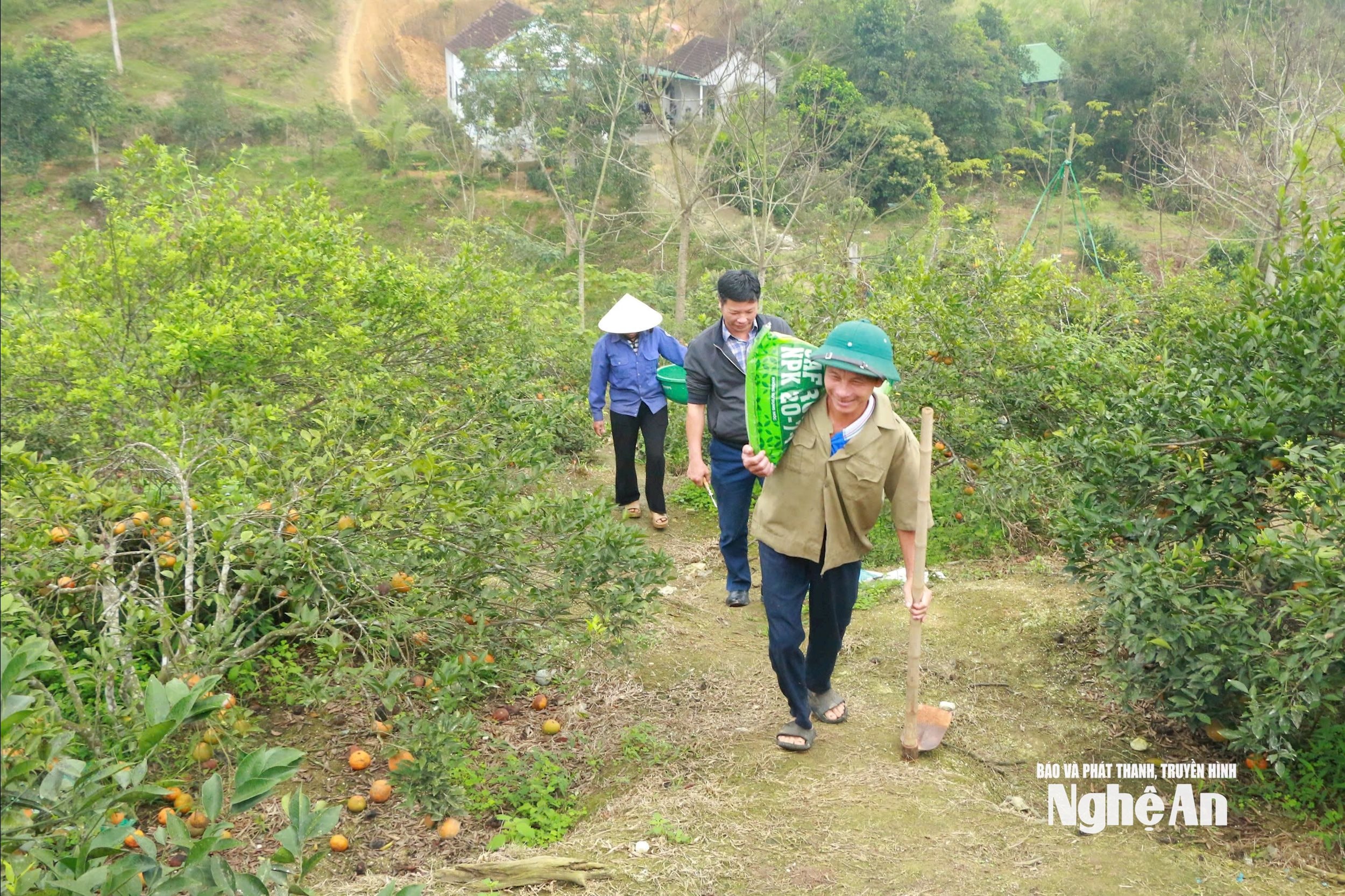
During the recent Lunar New Year, the family of Ms. Dau Thi Giang in Khai Son 9 village, Yen Xuan commune, sold approximately 3 tons of pomelo oranges at prices ranging from 30,000 to 50,000 VND/kg. With nearly 2 hectares of orange trees, about 1,000 in total, including 600 trees ready for harvest, the Tet season brought in a significant income. However, the joy of good prices does not mean the orchard can "rest."
Currently, the orchard still has about 2-3 tons of oranges to be sold gradually until the end of January to avoid leaving the fruit on the trees for too long. The harvested trees are tilled around the base, fertilized with well-rotted manure combined with compound phosphorus fertilizer, mounded around the base, and diseased, broken, and secondary branches are pruned. According to Ms. Giang, if the trees are allowed to remain weakened for an extended period, resulting in weak new growth and sparse flowers, it will be difficult to achieve the desired yield in the next season.
Mr. Le Huu Hai, also from Khai Son 9 village, who has about 300 orange trees, believes that of the three annual fertilization cycles, the one after harvest is the most important. "Throughout the year, the tree concentrates nutrients on nourishing the fruit, and by the time it's harvested, it's almost exhausted. If it doesn't recover in time, the tree will be weak for many consecutive years," he shared.
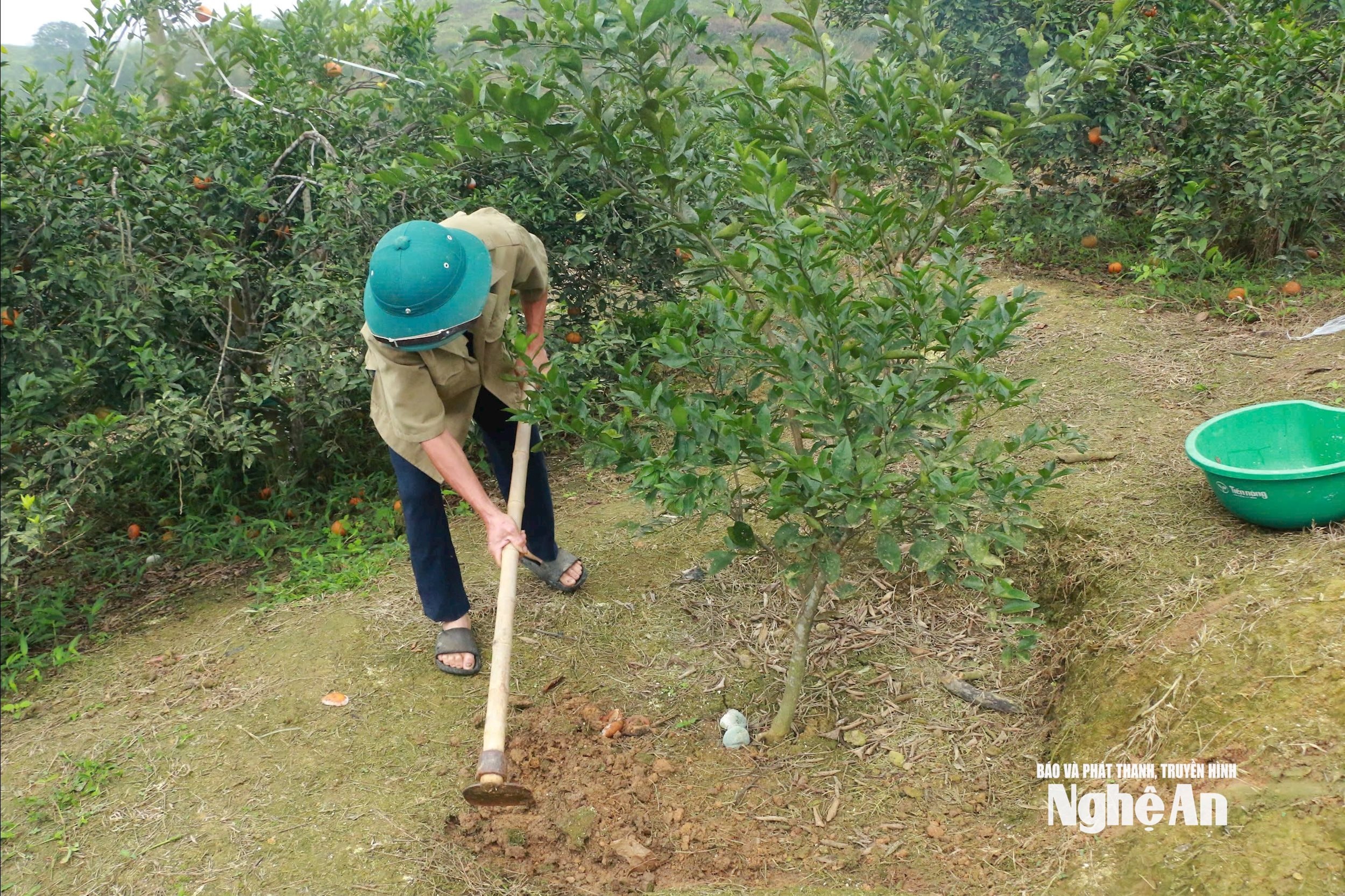
Not only the mandarin oranges, but many Diễn pomelo orchards in Văn Kiều commune are also entering a recovery phase. Mr. Nguyễn Quang Tiến's family has 350 pomelo trees, having just sold about 35,000 fruits during Tet (Lunar New Year). According to him, the older the tree, the higher the yield, but the root system also ages faster. "Immediately after harvesting the fruit, the root system must be treated to stimulate new root growth. If old roots are left to remain, their ability to absorb nutrients will be poor, resulting in fewer and smaller fruits the following year," Mr. Tiến said.
In addition, pruning and shaping are crucial, removing dry branches, branches that grow too far down the canopy, and overgrown branches to ensure even light distribution and reduce pest and disease problems. In hilly areas, cultivation techniques also focus on soil protection: weeds within the tree canopy are cleared to reduce nutrient competition; the outer areas are only trimmed short to retain moisture and limit erosion. The cuts are treated with lime to prevent Phytophthora fungus from causing gumming and sap leakage – a common disease in citrus trees.
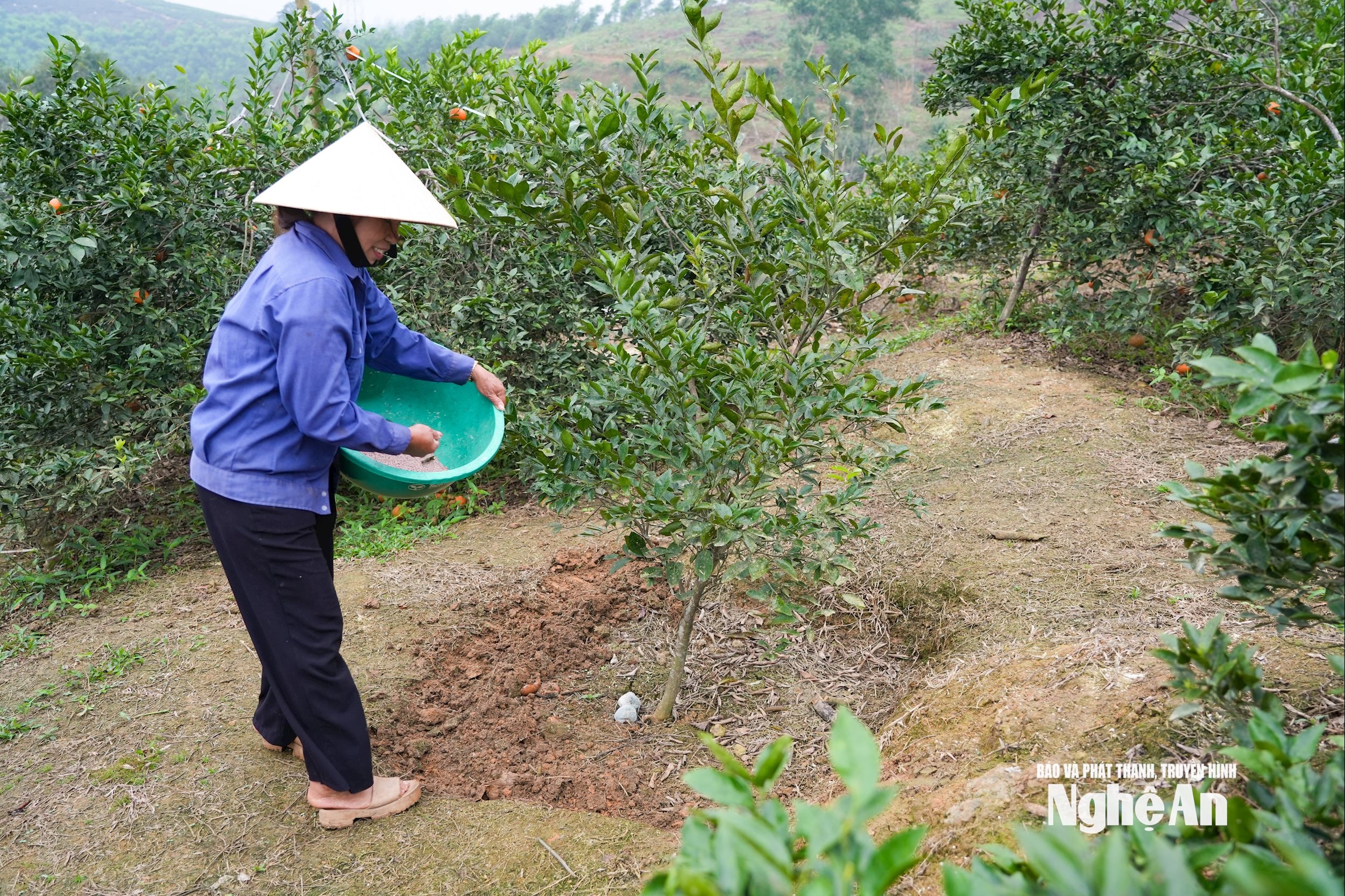
In Van An commune, after the 6th day of Tet (Lunar New Year), Ms. Bui Thi Dong's family hired workers to prune the apple trees. For older trees, she applied a light pruning method, cutting off branches that had borne fruit, leaving a 20-30 cm section to allow for the regeneration of new, evenly distributed branches. For younger trees, she used a more forceful pruning technique to create a basic canopy framework. After pruning, she tilled the soil, applied 10-20 kg of well-rotted manure to each tree, and combined it with foliar fertilizer to help the trees recover quickly.
The post-harvest period is the "pivot" of the production cycle. During the fruit development period, most assimilated substances are transported to the fruit, and the root system, the main nutrient-absorbing organ, works continuously and quickly becomes stunted. After harvesting, the plant's growth is unbalanced, the leaves have reduced chlorophyll content, and photosynthetic capacity declines. If the root and leaf systems are not regenerated in time, the process of flower bud differentiation for the next season will be directly affected.
Mr. Phan Duy Hai - Deputy Head of the Provincial Department of Crop Production and Plant Protection
Therefore, post-harvest care principles must be synchronized: pruning and shaping; stimulating new root formation; supplementing balanced macro, micro, and trace nutrients; improving soil; and controlling fungal diseases. In particular, avoid over-fertilizing with nitrogen when young roots are not yet fully developed, as this stimulates premature shoot growth and reduces flowering rate. Thus, post-harvest care is not just an annual technical operation but a strategic decision for the yield and quality of the entire year.
Elevating the brand of the growing region.
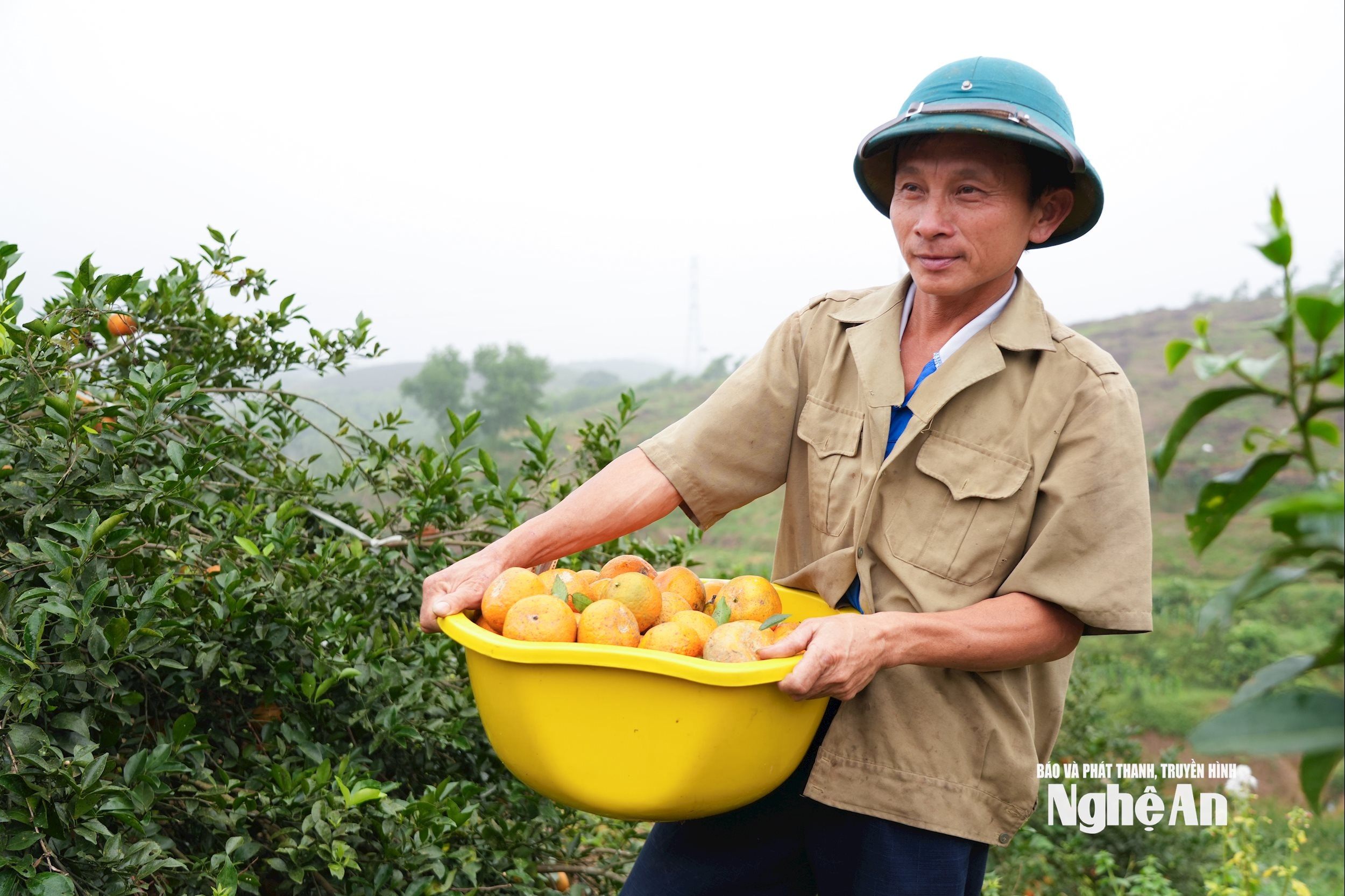
If successful recovery helps stabilize the productivity of each orchard, then that stability over many years will be the foundation for building a local fruit brand. In Yen Xuan commune, the area planted with pomelo oranges is currently about 25 hectares with 20 households, yielding an average of 350 tons per year and generating revenue of about 20 billion VND. The orange tree has become the economic pillar of the commune.
However, the product is still mainly consumed within the province; the amount shipped further afield remains modest, mostly through small-scale traders. This is not only due to the limited scale of production but also because of the lack of consistent quality between years. In some years, unfavorable weather and increased pest infestations reduce the quality of the product; in other years, production increases sharply but the lack of distribution channels leads to price fluctuations. This means that although the pomelo has been recognized as an OCOP product, it has not yet established a firm position in the market outside the province.
In light of this situation, in 2026, the Party Committee of Yen Xuan commune directed the Yen Xuan Commune Farmers' Association to develop a project entitled "Propaganda, mobilization, and guidance for members and farmers to develop organic tea and mandarin orange cultivation in the period 2026-2030". The application of VietGAP, gradually shifting to organic farming, aims to standardize processes, reduce disparities between households, ensure food safety, and enhance product value.
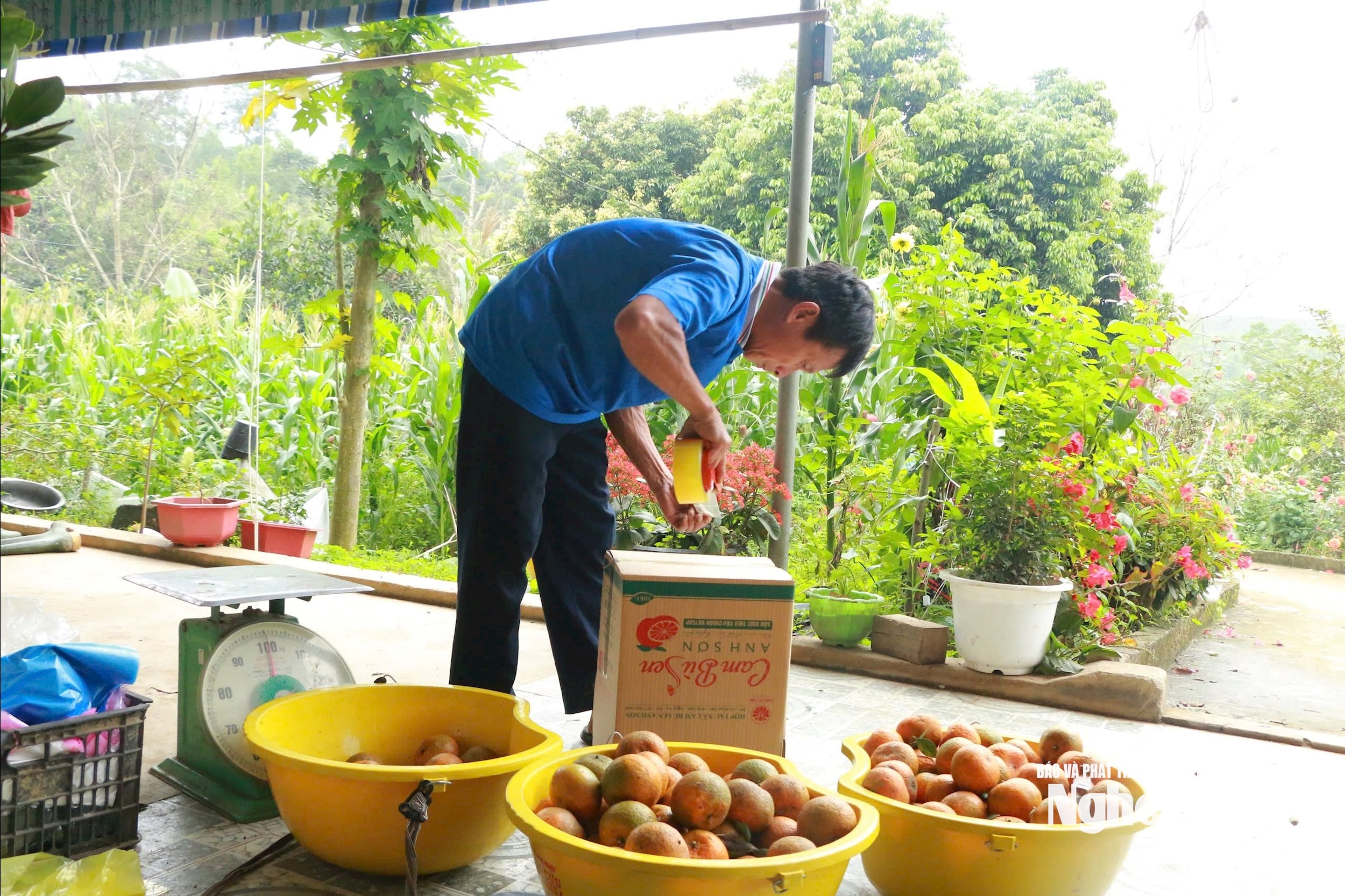
Alongside this is the solution regarding seedlings. Producing disease-free seedlings for new plantings and replanting helps limit orchard degradation and extend the lifespan of the trees. Establishing consumption linkages is also crucial. Currently, the ripening season for pomelos is from December to February (lunar calendar), heavily dependent on demand during the Tet holiday. Expanding linkages with juice, jam, and essential oil processing facilities or modern distribution systems will increase added value and reduce the pressure of selling fresh fruit in a short period.
This story isn't unique to the lotus-flavored pomelo. The Dien pomelo in Van Kieu commune and the honey apple in Van An commune also face a similar challenge: production is increasing, but the market hasn't expanded proportionally. When consumption is primarily based on a single peak season, growers are vulnerable to fluctuations in supply and demand. According to the Provincial Department of Crop Production and Plant Protection, in the context of climate change and fierce competition, fragmented production will struggle to gain momentum. Only when growing areas are stably planned, development is controlled, cultivation processes are standardized, and output is linked through a value chain, will local fruits maintain their long-term value.
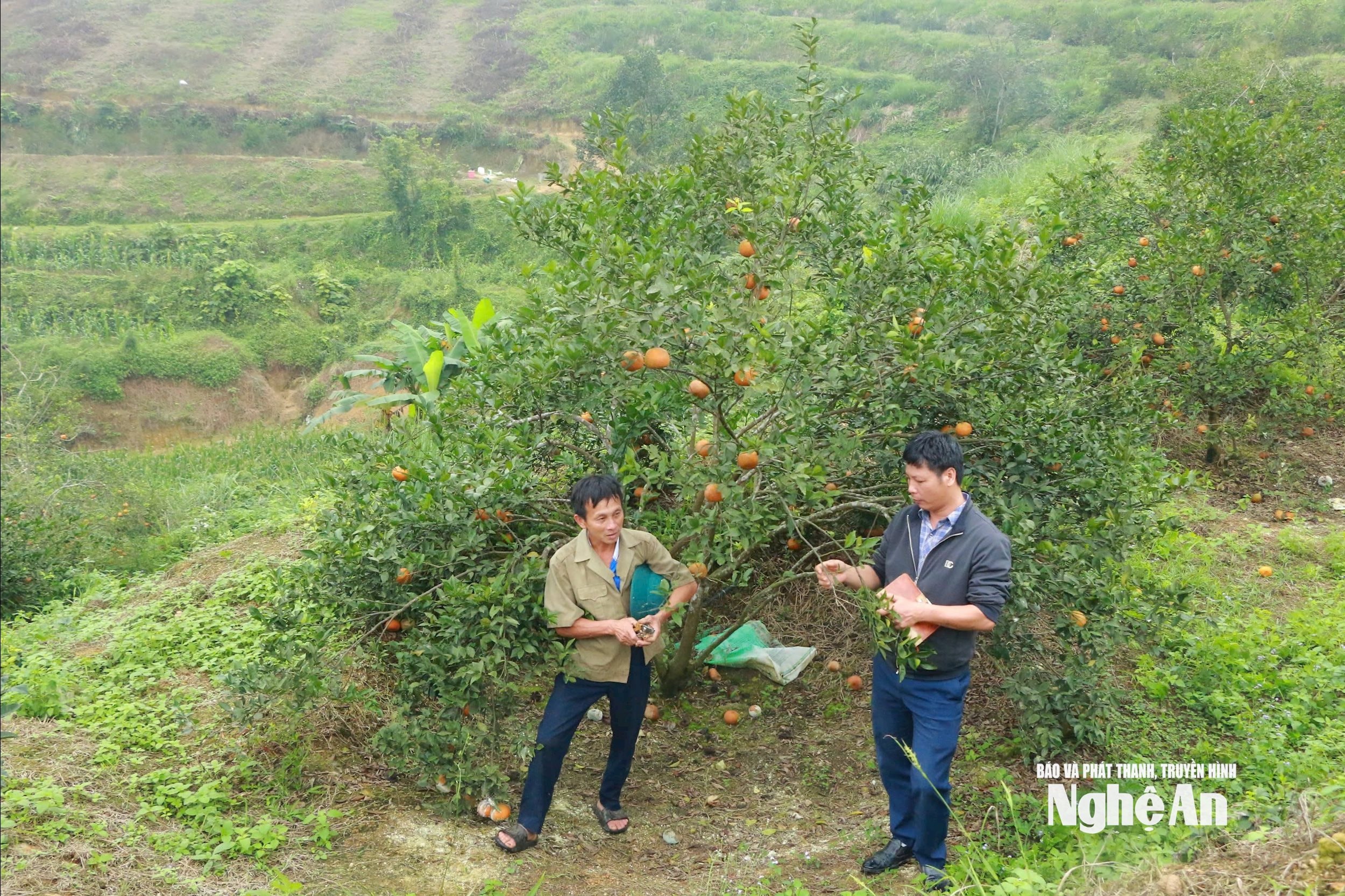
The careful replanting of orchards after harvest reveals a positive trend. Farmers are no longer solely focused on "selling for Tet" (Lunar New Year), but are now aiming to "preserve the harvest" and maintain their brand. When the recovery process is considered the foundation of the entire production cycle, local fruits will have the opportunity to reach a wider market sustainably.