

Iran attacks Israel with Khorramshahr-4 missiles, and accusations from Azerbaijan.
The IRGC claimed to have launched Khorramshahr-4 ballistic missiles targeting Israeli military bases, while Azerbaijan accused Iranian drones of attacking the Nakhchivan region.
Tensions in the Middle East continue to escalate as Iran's Islamic Revolutionary Guard Corps (IRGC) announced the launch of a heavy ballistic missile attack targeting strategic Israeli targets. This is the latest phase of Tehran's Operation True Promise 4 military campaign.
According to Press TV, the attacks took place in the early morning of March 4th. The main targets of this missile barrage included central Tel Aviv, Ben Gurion International Airport, and the 27th Squadron of the Israeli Air Force. The IRGC claimed the attack was a coordinated effort involving ballistic missiles and suicide drones (UAVs) to maximize penetration of defense systems.
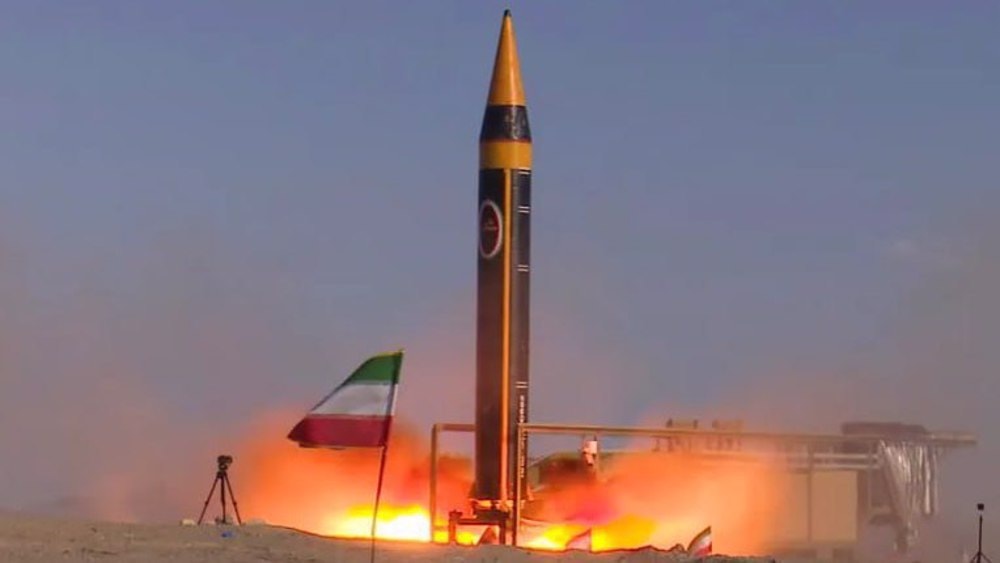
Technical specifications and penetration capabilities of Khorramshahr-4
The Khorramshahr-4 missile was identified as the primary weapon in this attack. According to published specifications, this missile is approximately 13 meters long and has a total launch weight of nearly 30 tons. Most notably, it is capable of carrying a warhead weighing over 1,000 kg.
Technologically, the Khorramshahr-4's warhead is designed for high maneuverability upon re-entry into the atmosphere. This characteristic allows the missile to change its trajectory flexibly, making it difficult for enemy interceptor systems to intercept. Iran claims that this series of missiles has overcome multi-layered air defense networks, including those of Israel and its allies in the region.
Allegations of losses against U.S. and allied forces.
In addition to the attack on Israel, the IRGC claimed to have targeted approximately 20 US military facilities in Bahrain, the United Arab Emirates (UAE), and Kuwait. Iran has stated that at least 560 US soldiers have died in counterattacks since last weekend, however, this information has not been confirmed by independent sources.
The IRGC also accused the US military of attempting to withdraw from several military bases and using civilian facilities in the Gulf as shelters. Tehran asserted that its intelligence system was closely monitoring all movements of US forces and was ready to take further military action if necessary.
Tensions spread across the Azerbaijani border.
In a related development on March 5, the Azerbaijani Foreign Ministry accused Iran of launching a drone attack on its territory. The target was Nakhchivan, a breakaway territory of Azerbaijan, resulting in four civilian injuries and damage to airport infrastructure.
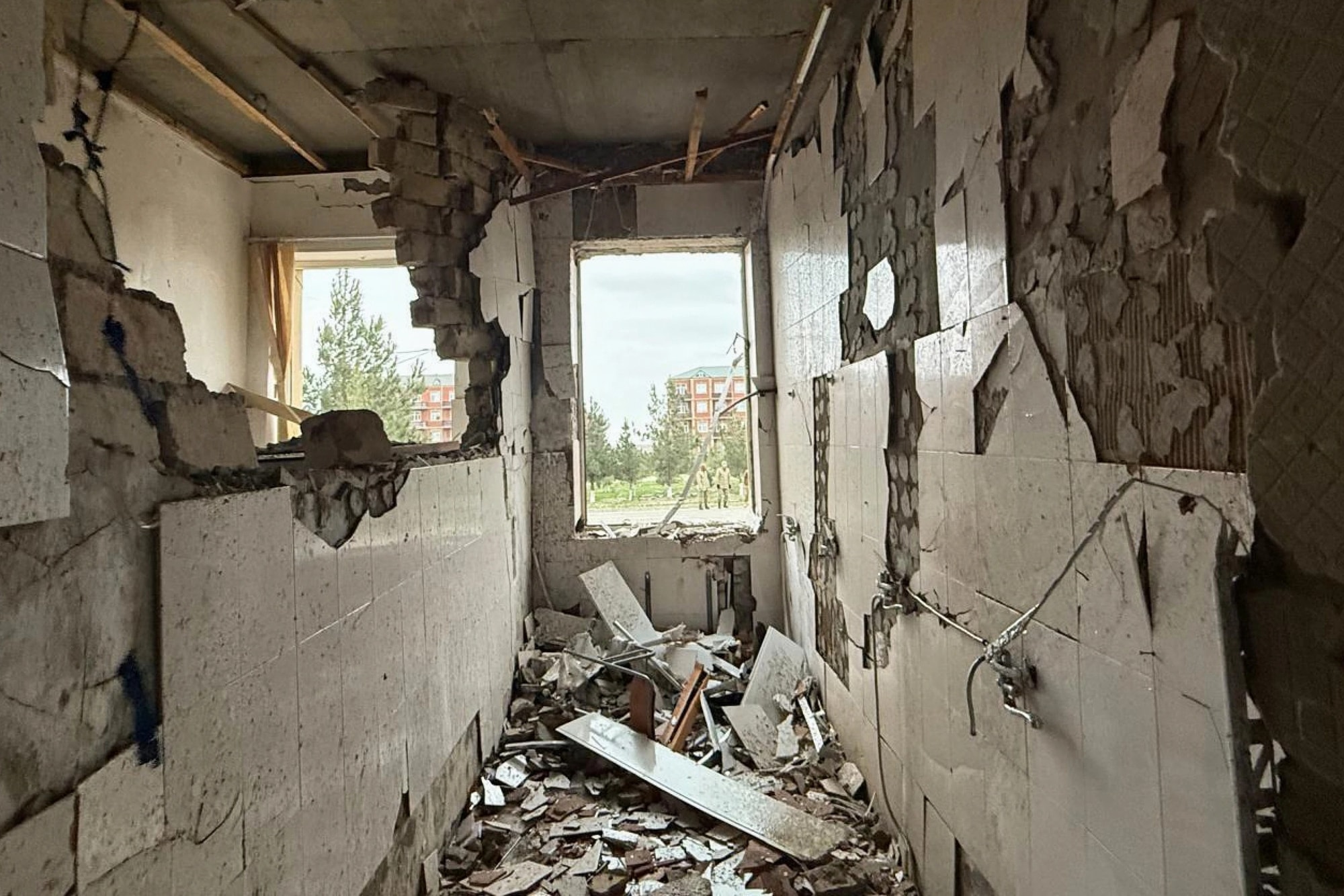
The Azerbaijani Ministry of Defense stated that a total of four drones were directed towards Nakhchivan, of which the country's air defenses intercepted only one. The remaining drones crashed near civilian areas, including a school. Azerbaijani President Ilham Aliyev condemned this as an unfounded act of aggression and ordered the military to prepare retaliatory measures to defend its sovereignty.
Conversely, the General Staff of the Iranian Armed Forces has denied the accusations from Azerbaijan. Tehran asserts its position that it does not target neighboring countries or civilian infrastructure in any of its military operations.