

Don't turn AI into a "literary factory."
As artificial intelligence (AI) permeates every corner of literary life, a "work of art" can be created in an instant, quickly and smoothly, with just a few clicks. Behind this convenience lie nagging questions about creative work, copyright, writing ethics, and the irreplaceable value of life experiences.
Phuoc Anh • March 7, 2026
*****
As artificial intelligence (AI) permeates every corner of literary life, a "work of art" can be created in an instant, quickly and smoothly, with just a few clicks. Behind this convenience lie nagging questions about creative work, copyright, writing ethics, and the irreplaceable value of life experience. Recently, the Public Security Literature and Arts magazine and several other editorial offices have expressed their stance against accepting literary works written by AI for collaboration. Around this issue, many authors have shared their opinions on a common problem: How can we preserve the dignity of words in an age where machines can "write" in place of humans?
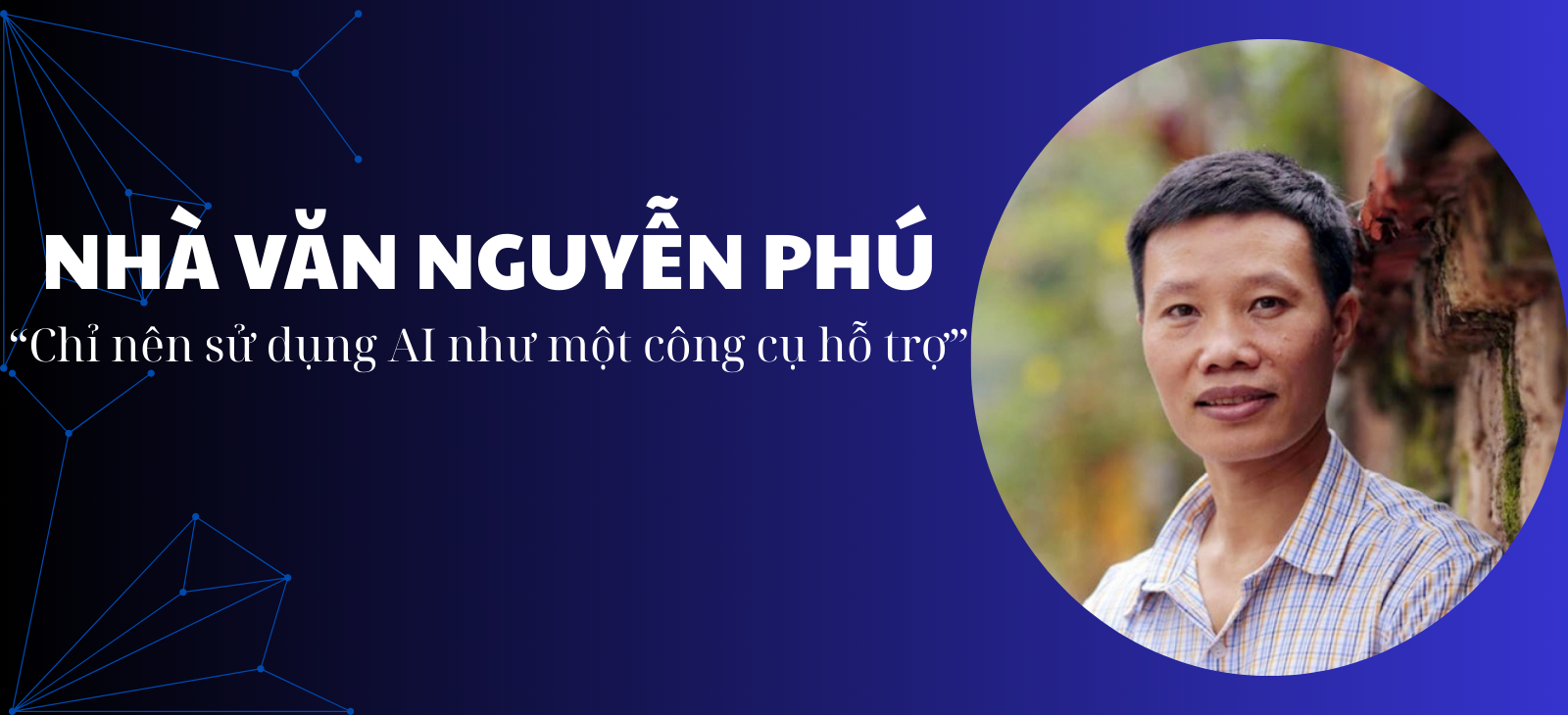
Recently, several of my literary friends who work as editors at literary magazines shared with me their feelings about the "works" they submitted that were products of AI. They were all disappointed with these "works" and criticized the "authors" who used AI to replace the products of human intelligence, especially personal emotions. I agree with their perspective and assessment of the issue.
The type of text generated by AI is absolutely not a work of literature. It should not appear in literary publications by writers. It doesn't even deserve to appear on school bulletin boards.
Literary creation is a unique endeavor, producing works born from personal experiences, knowledge, intellect, and moments of emotional transcendence. These works bear a strong personal imprint, embodying the writer, and sometimes, the circumstances surrounding their creation contribute to their appeal and value.
AI should not be turned into a "literary factory." Intelligent people with self-respect and a sense of responsibility, as well as readers, should only use AI as a supporting tool, a "friend" to refer to when needed.
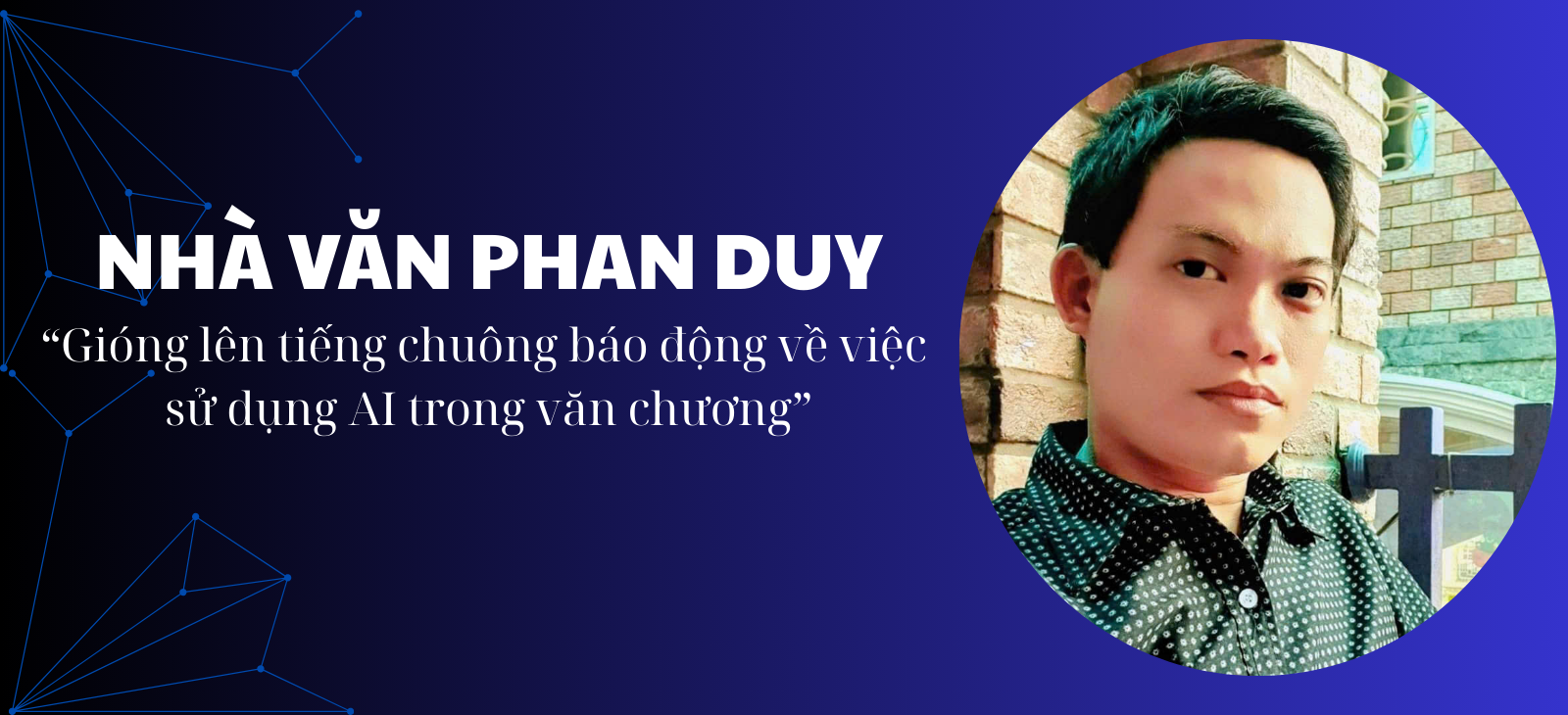
Literature and art are unique fields; regardless of the era of development, they must always uphold the true meaning of truth, goodness, and beauty. Digital technology and artificial intelligence are merely tools and methods to better enhance the value of literature and art, and cannot be equated with the creative process itself. Each work of literature and art is also a vessel for the emotions, will, perspective, and feelings of the individual creator – something that AI cannot replace. Some authors with weak attitudes and a poor understanding of these values, becoming bogged down in the digital world, clearly lose themselves, treating their creations not only superficially but also as a joke.
The reality is that in recent years, many literary and artistic works show clear signs of AI interference, and for various reasons, this interference continues to appear in forums, literary circles, and newspapers. We need a firmer and more decisive attitude to help the literary and artistic environment develop resistance to AI.
This requires collaboration from the community and the creators themselves. We need to respect ourselves, respect our work, and respect our readers. It's time to sound the alarm about the use of AI in literary and artistic creation. Seriously considering and eliminating AI-powered creations is a truly necessary step right now.
Some argue that AI is merely a tool, and that if a work is of high quality, one shouldn't be too critical of how it was created. In my opinion, this argument is weak in many respects, especially given the limited understanding and legal framework surrounding AI and intellectual property rights/protection. AI is indeed a tool, but how should it be used?
Essentially, current AI primarily functions to synthesize information. Therefore, human additions and modifications are necessary to create a complete and meaningful work. The problem here is: Since we are not the source of the material, it is difficult to know what percentage of other people's intellectual property the AI is using.
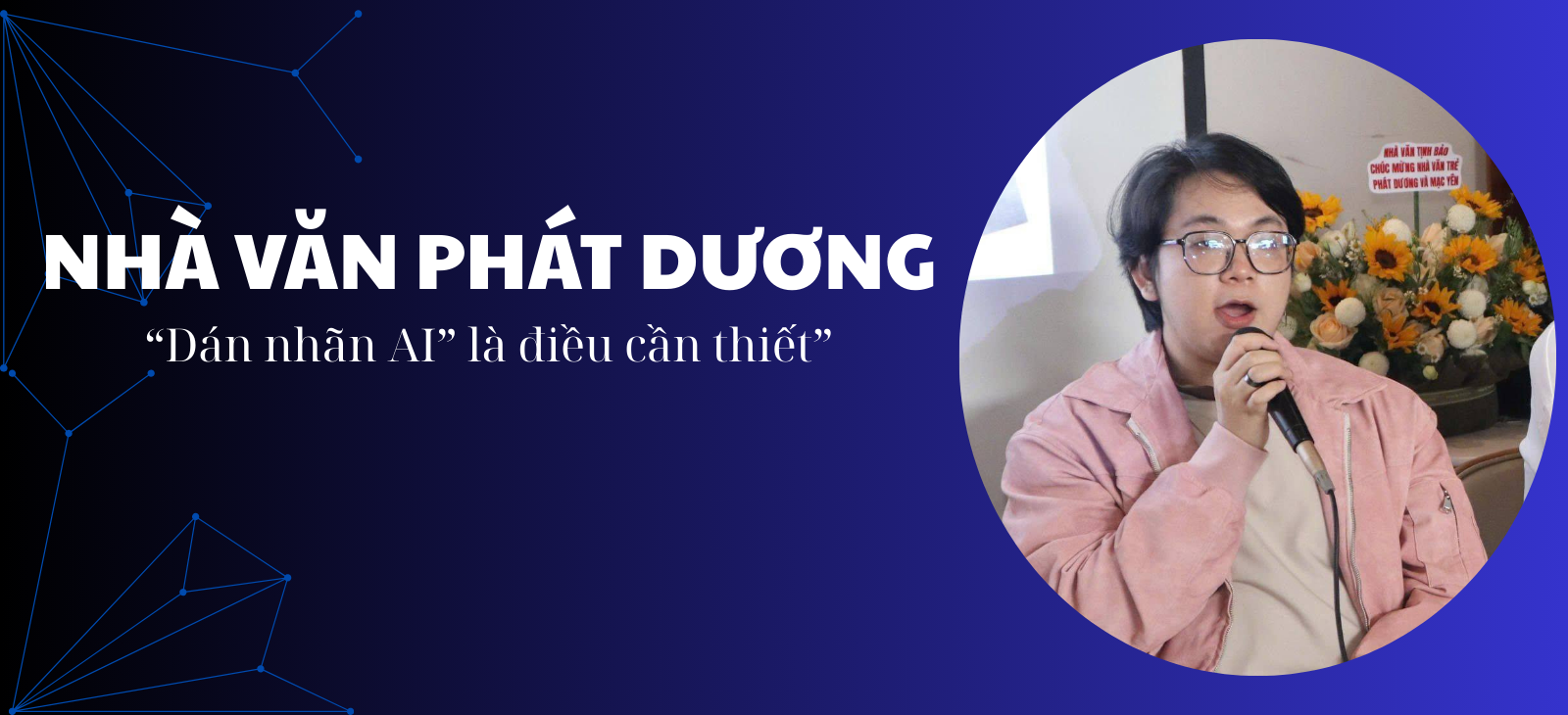
Regarding future trends, AI could develop autonomous thinking and creativity, and it's highly likely that AI products could be considered literary works. However, in both cases, a separate category/type name is needed for works created by AI or by humans using AI. This is similar to how we classify art by tools, for example in painting: traditional paintings, woodblock prints, silk paintings, lacquer paintings, etc. This would create a fair balance for art entirely created by humans, and would have its own standards of evaluation.
Without classification, it's difficult to establish boundaries in the use of AI. User ethics will then determine whether they are being assisted by AI or exploiting AI to "write for" them. Once classification is established and specific laws/regulations are in place, the percentage and manner of AI use will become clearer. I believe that in the future, "AI labeling" will be necessary and should be mandatory.
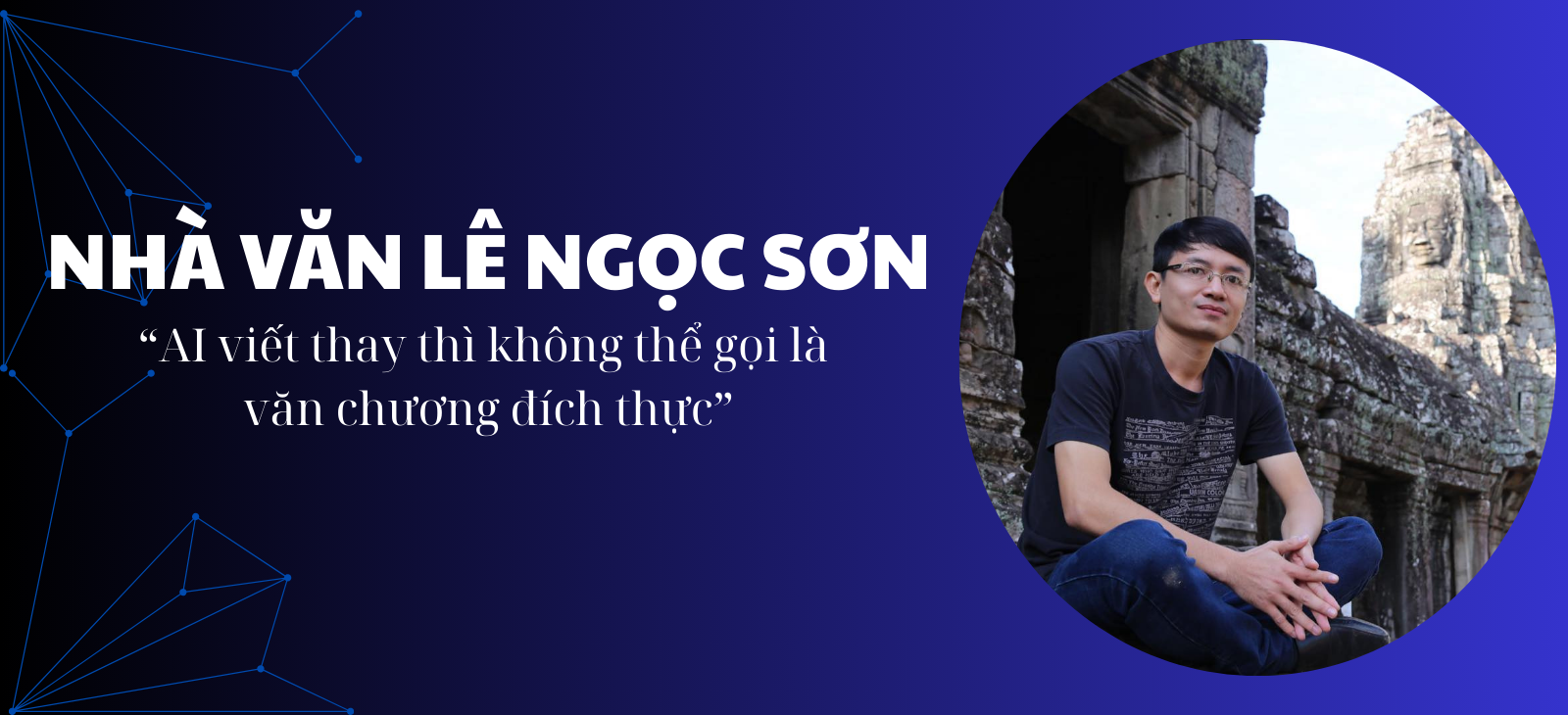
It must be affirmed that AI is an achievement of science and technology, bringing about profound changes for humanity and impacting almost all professions. Literature is one of the fields clearly affected, and debates are taking place in literary circles about the legitimacy and limitations of AI in literary creation.
I believe that a work written by AI, no matter how good or how "realistic" it feels, cannot be considered one's own creation. I once encountered a case like this: I read a short story in a newspaper I often contribute to and was truly surprised to find that the first two paragraphs were almost entirely copied from the opening of one of my short stories, also published in that newspaper just two weeks earlier. I wrote to the editorial office questioning the plagiarism. Later, somehow, the author obtained my email and sent an apology. They confessed that they also wrote short stories but didn't know how to begin, so they turned to AI. They were completely unaware that the paragraph written by the AI was copied from my short story.
So, what are the limits of AI in literary creation? I believe that using AI to review, evaluate, find data, analyze the structure, characters, or logic of a work means AI can act as a first reader or a professional editor. However, the writer must ensure that the entire work is written by themselves. Perhaps, from the AI's comments, the writer will know how to refine their short story or essay. Not every work has a skilled professional (editor) to read and comment on it, so in this case, AI is an effective support tool.
Literature is creative, and creativity always bears a strong personal imprint. Therefore, if you rely on AI to write for you, it cannot be called genuine literature.