

Does artificial intelligence have consciousness?
Artificial intelligence (AI) is becoming increasingly intelligent, even capable of conversing like humans. But can AI truly be "conscious," or is it all just sophisticated imitation? This question is sparking intense debate in the scientific community.
While the idea of conscious AI was only seen in science fiction films a few decades ago, it has now become a serious topic of discussion in academia and government agencies. Many experts believe that research and even the development of a legal framework to regulate this capability are urgently needed.
The explosion of large-scale language models like ChatGPT has blurred the lines between "tools" and "thinking entities" more than ever. Many users admit to developing an emotional attachment to AI because of its natural and flexible responses.
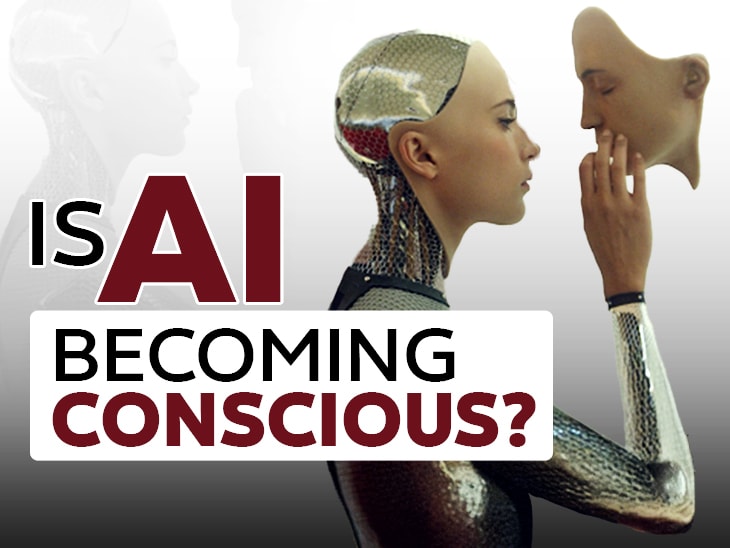
However, most experts still believe that it is merely a mimicry ability, not true consciousness.
Two opposing viewpoints
Currently, the debate revolves around two main viewpoints.
One side believes that consciousness is simply the result of sufficiently complex "calculations." If the human brain operates as a biological information processing system, then theoretically, a sufficiently powerful computer system could also create consciousness.
Conversely, skeptics argue that consciousness is intrinsically linked to biological matter such as nerve cells, chemicals, and brain structure. According to them, without a biological foundation, even the most sophisticated machines remain just machines.
Third-person perspective: We may never know.
Philosopher Tom McClelland from the University of Cambridge (UK) argues that both sides are making predictions.
In a 2024 article, he argued that to definitively determine whether AI is conscious, we need clear scientific evidence. The problem is, we don't even fully understand what human consciousness is at present.
Science has put forward many theories about how the brain works, but there is still no "deep theory" explaining why neural activity produces subjective experiences such as the feeling of "I exist."
If we don't understand the origins of consciousness in humans, how can we determine if it exists in machines?
According to McClelland, the most sensible stance at this point is neutrality. Claims about the existence of methods for "measuring artificial consciousness" may be exaggerated.
How does consciousness differ from the ability to "perceive"?
The debate extends beyond the scientific aspect, also involving ethical considerations.
A self-driving car can "perceive" its surroundings to navigate. But is that consciousness? And more importantly, can it feel pain or pleasure?
The capacity for "sensibility," that is, the ability to endure suffering or experience pleasure, is what makes an entity fall within the realm of human morality.
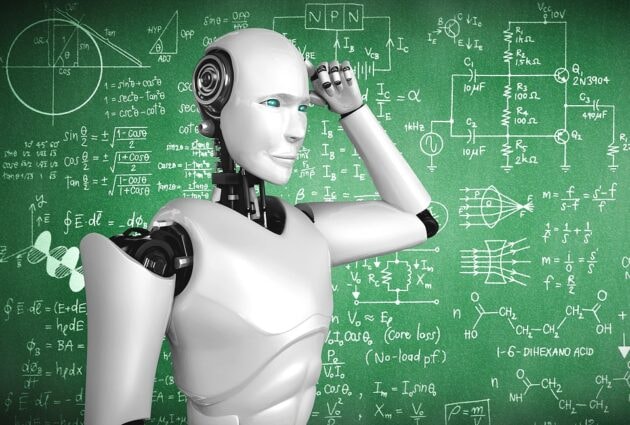
If an AI only processes data without subjective experience, then no matter how intelligent it is, it remains just a tool. But if one day AI truly possesses the ability to feel, the story will be completely different, and we may then face the risk of causing "digital cruelty."
Conversely, if we are too quick to believe that AI has consciousness simply because it speaks persuasively, society may give machines unnecessary empathy, while neglecting creatures with proven abilities to feel.
Are people showing misplaced empathy?
McClelland warns that tech companies could inadvertently or intentionally exploit the ambiguity surrounding the concept of consciousness to promote AI products.
Meanwhile, there is growing evidence that some animal species, such as octopuses, chimpanzees, and even shrimp, are capable of feeling pain. Hundreds of billions of shrimp are still killed each year, but the debate about "AI consciousness" is attracting enormous attention and resources.
He questioned whether we were paying too much attention to the hypothetical capabilities of machines while ignoring the proven pain experienced by living organisms.
The question remains open.
Currently, there is no compelling evidence to suggest that AI possesses consciousness. However, there is also no strong enough evidence to assert that it is impossible.
In the context of rapidly developing technology, perhaps the important thing is not to rush to conclusions about whether AI "has" or "does not" have consciousness, but rather to acknowledge the limitations of human understanding.
Until we fully understand the nature of consciousness, the question "Does AI have consciousness?" will remain one of the greatest mysteries of the technological age.