

Xbox announces Project Helix: A next-generation PC-PC hybrid gaming console running Windows.
Project Helix is Xbox's latest hardware project under new CEO Asha Sharma, combining console power with the flexibility of the Windows operating system and the PC app store.
Project Helix is the internal codename for the next-generation Xbox gaming console, designed to function as a hybrid device capable of running the Windows operating system and supporting the full PC game library. This device marks a significant shift for Microsoft in blurring the lines between traditional consoles and personal computers.
The shift towards an open ecosystem by the new Xbox CEO.
After taking over as Xbox CEO, Asha Sharma officially confirmed that Project Helix is central to the company's future hardware strategy. Through a post on the X platform, the CEO affirmed that the new device will lead in performance, allowing users to experience smooth gameplay in both Xbox and PC titles.
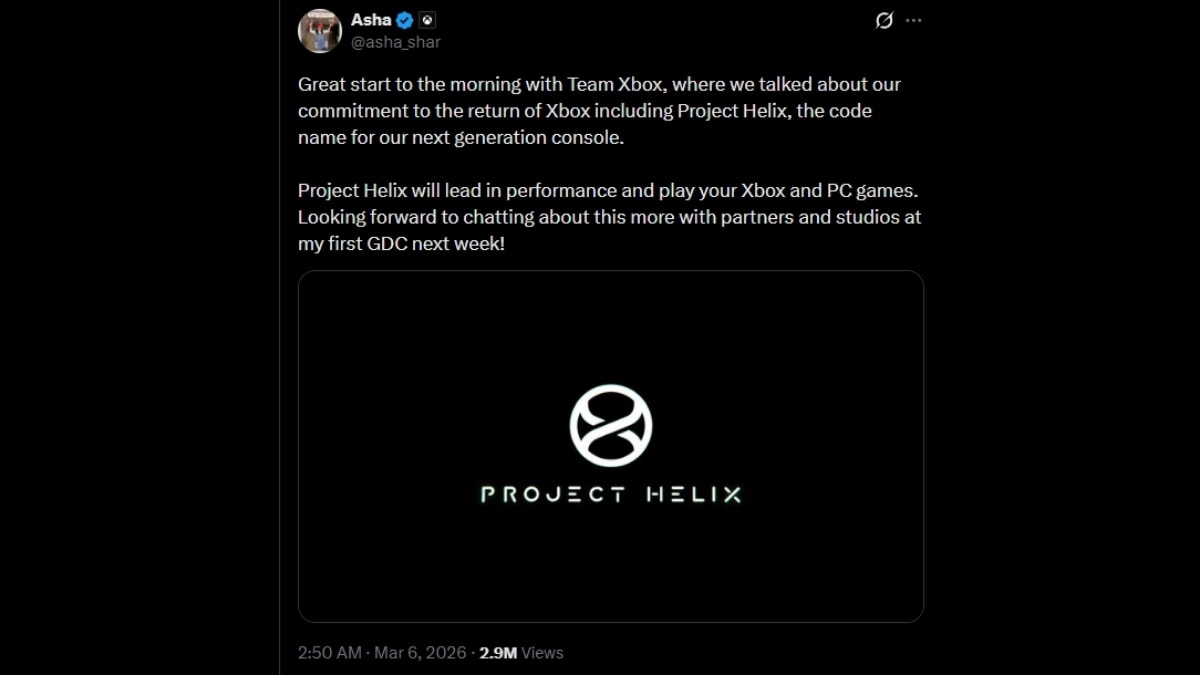
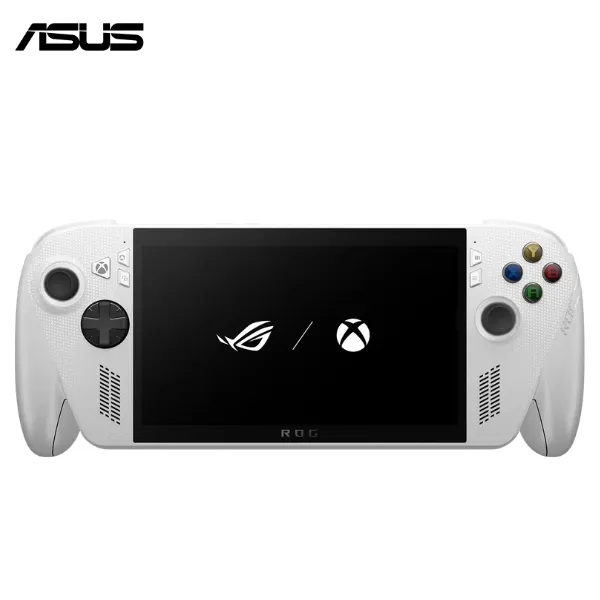
This vision aligns with the direction previously outlined by former Chair Sarah Bond. Instead of being confined to a closed operating system, Project Helix is expected to function similarly to a miniature PC or handheld devices like the ROG Ally. The biggest breakthrough lies in its ability to boot directly into Windows, allowing users to freely install third-party game stores such as Steam or Epic Games Store.
Hardware power from the AMD Magnus APU processor.
Regarding specifications, leaked information suggests that Project Helix will be equipped with an AMD Magnus APU processor. This processor is expected to be manufactured using TSMC's advanced N3C or N3P process, promising a significant performance leap over the current Xbox Series X generation. This configuration is said to be powerful enough to directly compete with the expected specifications of its rival, the PlayStation 6.

The shift to an open architecture allows Microsoft to fully leverage the strengths of the Windows ecosystem. Instead of competing solely on exclusive games, Xbox is aiming to transform its gaming console into a cost-effective and accessible PC gaming solution for the vast majority of users.
Challenges regarding roadmap and development direction.
Despite high expectations, Project Helix still faced some skepticism from the community. Seamus Blackley, co-founder of Xbox, expressed concern that leadership by someone not from a gaming background could lead the device to become bogged down in purely AI-driven business features, losing its identity as a gaming console.
Furthermore, the product's launch roadmap is also a big question mark. Although the traditional 7-year cycle suggests a 2027 release date, fluctuating component prices, especially for memory and storage, could force Microsoft to adjust the schedule. Additionally, the integration of neural processing units (NPUs) for AI, if not optimized, could increase product costs, impacting the device's competitiveness in the market.