

Vietnamese petroleum businesses are proactively securing supply amidst pressure from fluctuations in the Middle East.
Oil companies are implementing contingency plans, sourcing crude oil from Japan and South Korea to ensure supply amid Middle Eastern conflicts putting pressure on global energy.
Geopolitical conflicts in the Middle East are putting significant pressure on global energy markets, increasing transportation and insurance costs and posing a potential risk of supply chain disruptions. To ensure national energy security, Vietnamese petroleum companies have proactively developed various response scenarios, from adjusting production plans to diversifying import sources.
Mobilize reserve resources and optimize oil refining capacity.
As soon as tensions erupted, units in the oil and gas industry closely monitored market developments to adjust the operation of refineries. At the Nghi Son Refinery, foreign partners were contacted to urgently supply reserve oil to ensure stable operation. Another important solution was to mobilize crude oil reserves from Japan and South Korea to temporarily support the refinery during the peak period.
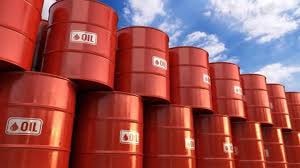
In addition, oil and gas contractors are required to maximize domestic oil production to prioritize supplying domestic refineries when needed. Currently, the two domestic refineries are meeting over 70% of market demand, with the remainder supplemented through imports from markets such as Singapore, South Korea, and other regions.
Market control and recommendations for adjusting the mechanism.
To maintain the stability of the distribution system, key businesses are committed to maintaining system-wide inventory levels in accordance with regulations. In the early days of March, the amount of gasoline and diesel delivered reached approximately 50% of the total projected quantity for the entire month. However, concerns about shortages persisted at some retail outlets, leading to a surge in demand while some distribution units were unable to arrange for new supplies.
In light of this situation, the authorities have requested increased inspections and strict handling of hoarding, creating artificial shortages, or unreasonably raising prices. Businesses have also petitioned the Government to promptly address obstacles in the price management mechanism, ensuring accurate and complete cost accounting so that businesses do not incur losses during the sourcing process.
Urgent solution from the Government
The government has issued a resolution requiring oil owners to prioritize selling their crude oil holdings in the Vietnamese market to domestic refineries for shipments that have not yet been contracted for export. Simultaneously, it allows businesses involved in crude oil processing and trading to flexibly purchase, import, and export raw materials for petroleum production. Commercial banks have also been requested to provide foreign currency support to alleviate cost pressures on businesses as import demand increases.