

With rising fuel prices, businesses and individuals are seeking ways to adapt.
The sharp increase in fuel prices during the price adjustment on March 7th is having a noticeable impact on many economic sectors and social life. As a crucial input for many industries, the fluctuations in fuel prices are forcing businesses and individuals to quickly find ways to adapt.
Transportation is directly affected.
Fluctuations in fuel prices directly impact production and business activities, especially in the transportation sector. In the cost structure of transportation, fuel costs typically account for 30-40%, and even higher in some types of transportation.
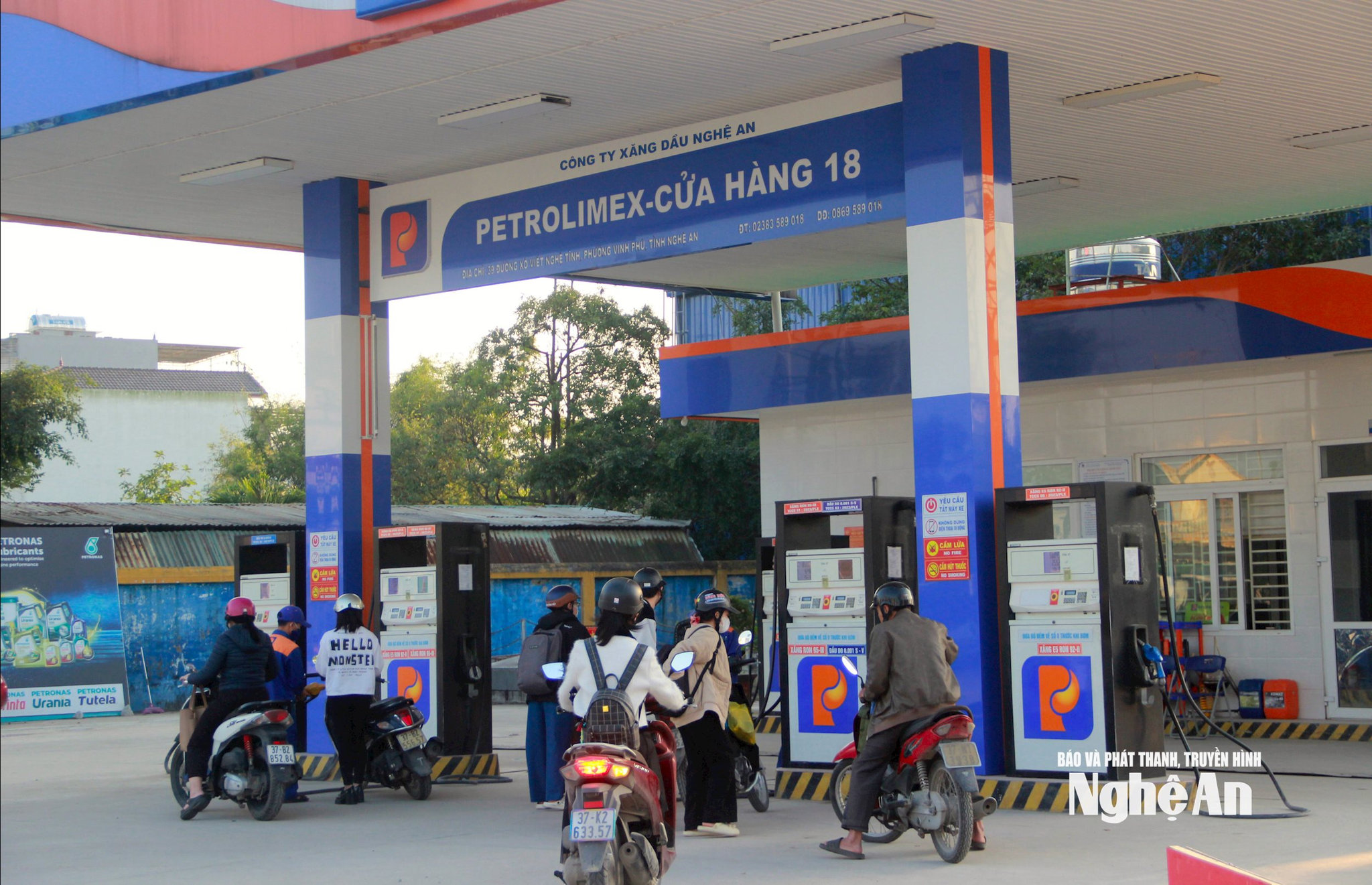
Faced with rising fuel costs, some passenger transport companies have begun considering adjusting fares. The owner of Linh Cuong bus company, operating within Nghe An province, recently announced a fare increase effective March 9, 2026. According to the announcement, due to the sharp increase in gasoline and diesel prices, the company is forced to adjust the minimum fare on its routes, increasing it by 20,000-30,000 VND depending on the distance. The owner stated that the price increase is a last resort to compensate for fuel costs and maintain operations amidst high fuel prices.
However, according to this bus company, the fare adjustment was carefully considered, because a rapid increase could lead to a decrease in passenger numbers, while keeping the price unchanged would put additional cost pressure on the business. Therefore, very careful calculations are necessary to both maintain operations and hope for understanding from passengers.

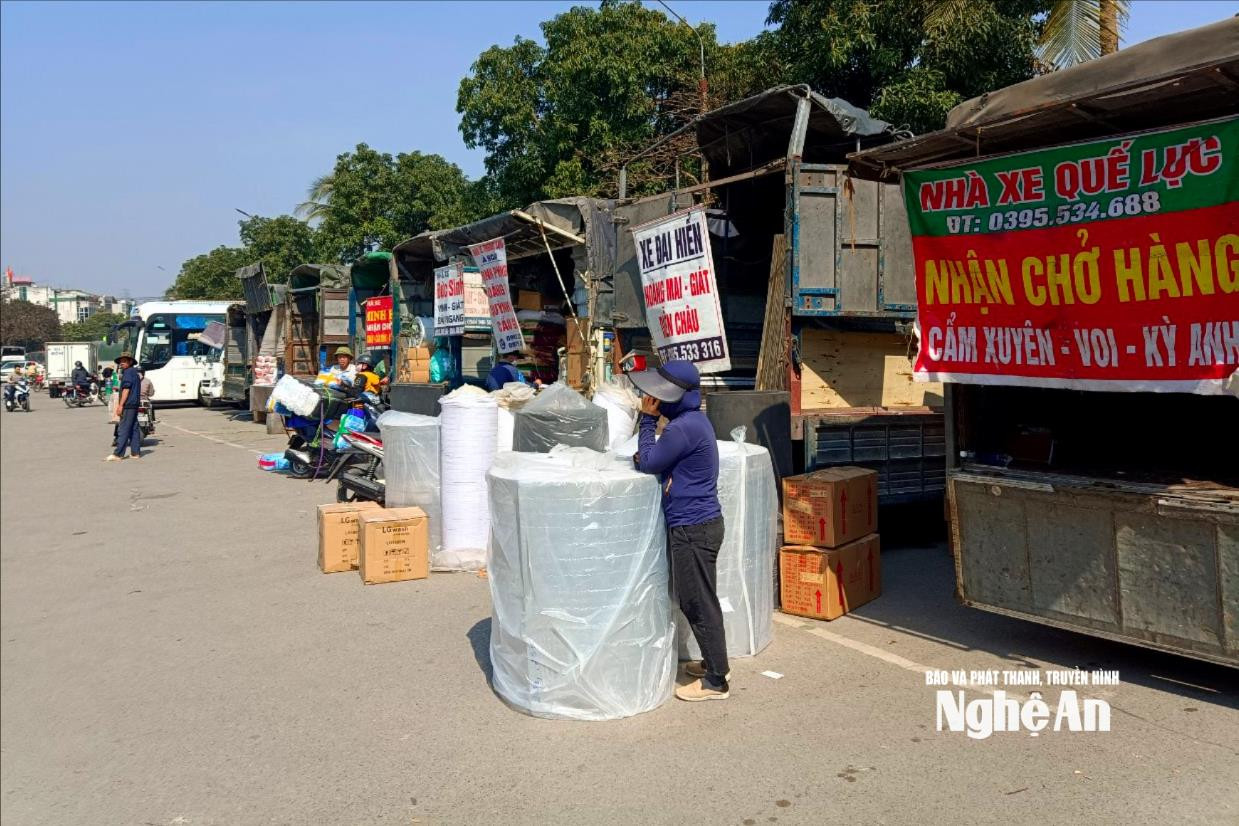
At Vinh Market Bus Station, where approximately 200 buses enter and exit daily, transport companies are having to recalculate their operational plans to reduce cost pressure. Mr. Le Van Khuyen, Head of Vinh Market Bus Station, stated that currently about 80% of the routes operating at the station are within the province, with the remainder being inter-provincial routes. Following the sharp increase in fuel prices, many transport businesses have begun considering adjusting fares or applying fuel surcharges to offset costs.
According to Mr. Khuyen, besides cost pressures, what worries many transport businesses currently is whether the fuel supply will be stable. "If retail outlets operate slowly or experience shortages, transport companies will face many difficulties in their operations," Mr. Khuyen said.
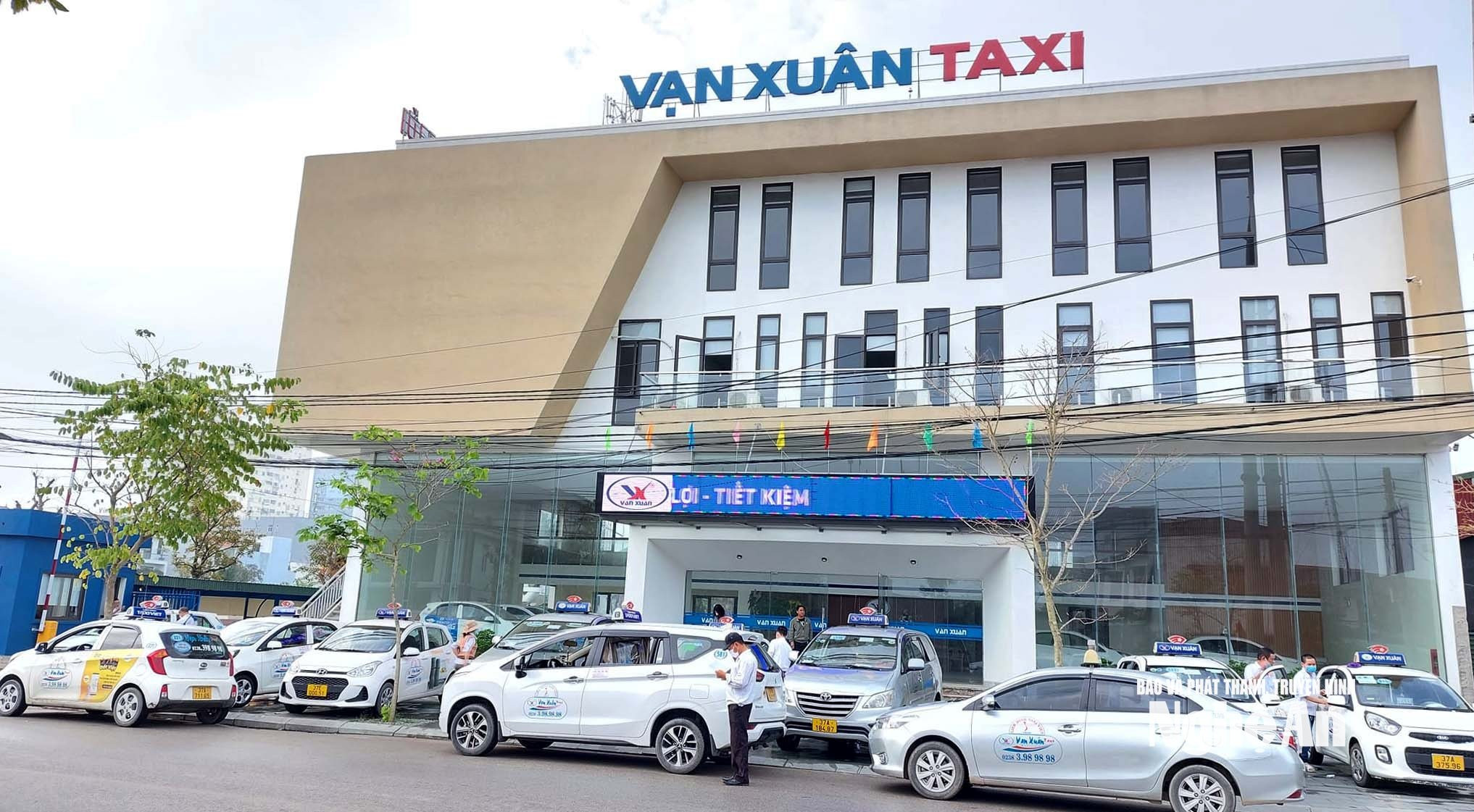
Van Xuan Transport and Trading Joint Stock Company of Nghe An (Van Xuan Taxi) currently has over 300 vehicles, most of which still use gasoline fuel. Therefore, the increase in gasoline prices has significantly increased operating costs.
Mr. Nguyen Xuan Dat, the company's director, stated: "Currently, about 70% of our vehicles run on gasoline, equivalent to approximately 200 cars. Therefore, when fuel prices increase sharply as they have recently, we face a lot of pressure."
According to Mr. Dat, fuel costs currently account for about 35% of the taxi fare. However, in the current context, businesses cannot immediately adjust fares but must monitor market developments and wait for relevant regulatory policies.
“Currently, our taxi fare is around 13,500 VND for the starting distance, and about 8,000 VND/km from the 16th kilometer onwards. If fuel prices continue to remain high, we will definitely have to sit down together to calculate a plan to adjust fares accordingly. However, the adjustment also needs a roadmap to avoid causing major disruption to the market and passengers,” Mr. Dat shared.
People proactively adapt
The escalating price of gasoline and diesel fuel is not only affecting transportation but is also leading to increased costs for many other goods and services. In the food and beverage industry, many restaurant owners have reported having to consider adjusting prices to offset rising input costs.

Ms. Nguyen Thi Tam, the owner of a restaurant in Truong Vinh ward, said that after calculating costs, her restaurant was forced to increase the price of each bowl of vermicelli by 5,000 VND starting from March 9th. “Previously, each bowl of vermicelli or pho sold for around 30,000 - 40,000 VND depending on the type, but recently many ingredients have increased in price. The increase in gasoline prices has also led to higher food transportation costs. If we kept the old prices, we would hardly make any profit,” Ms. Tam shared.
According to Ms. Tam, the price increase of 5,000 VND per bowl is considered the minimum adjustment necessary for the restaurant to maintain operations. Most of the restaurant's regular customers understand and accept this increase.

Meanwhile, some other food establishments are choosing to adjust their menus or reduce the portion sizes of dishes to limit direct price increases. Mr. Chu, the owner of a restaurant on the 72-meter road, said that in the context of rising ingredient and transportation costs, his restaurant is having to recalculate the dishes on its menu.
"For now, we're trying to keep prices stable to avoid impacting customer numbers. However, if the price of raw materials increases due to rising fuel prices, the restaurant will adjust the quantities of some dishes or change the cooking methods, selecting suitable ingredients to balance costs," Mr. Chu said.
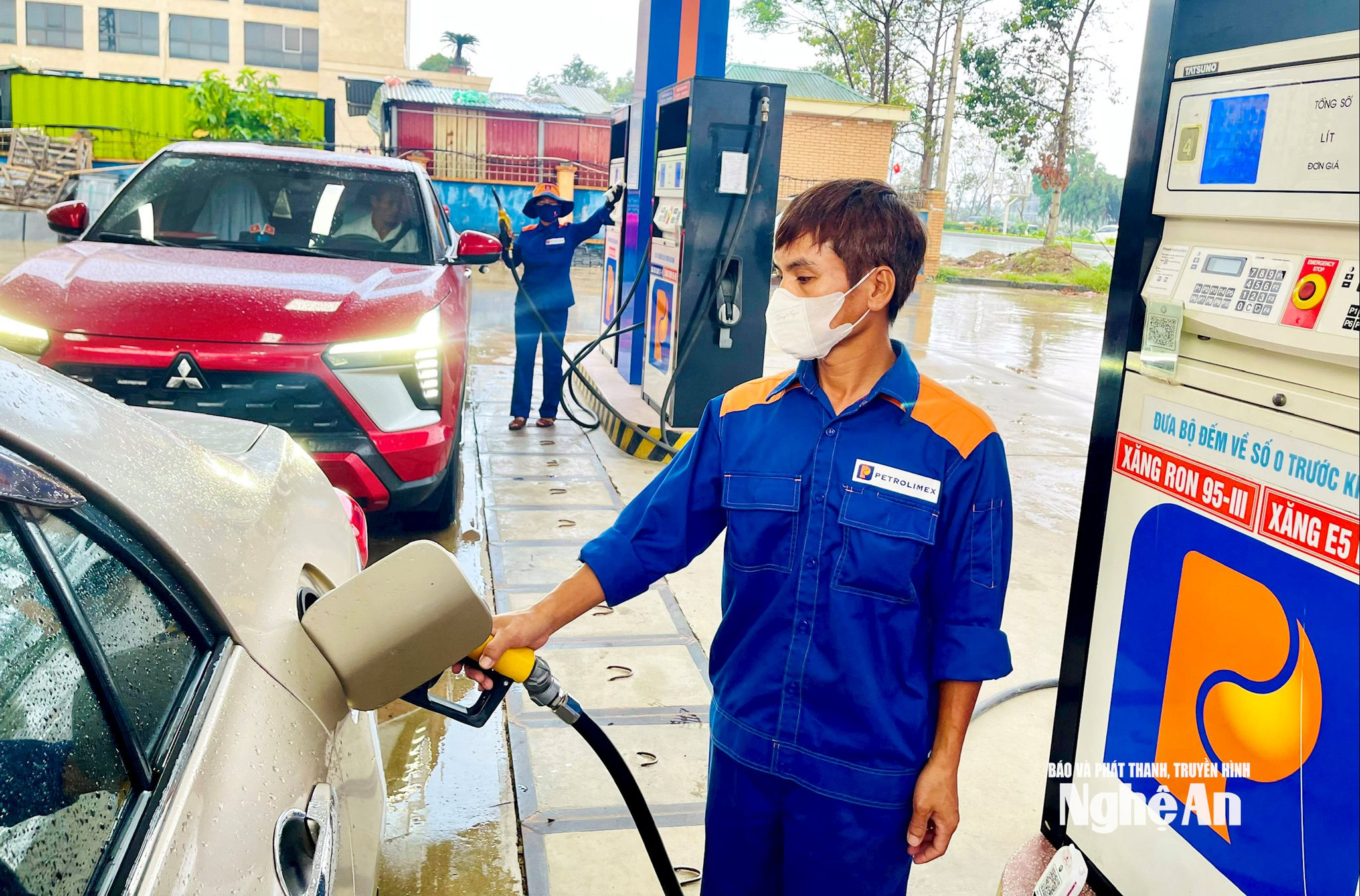
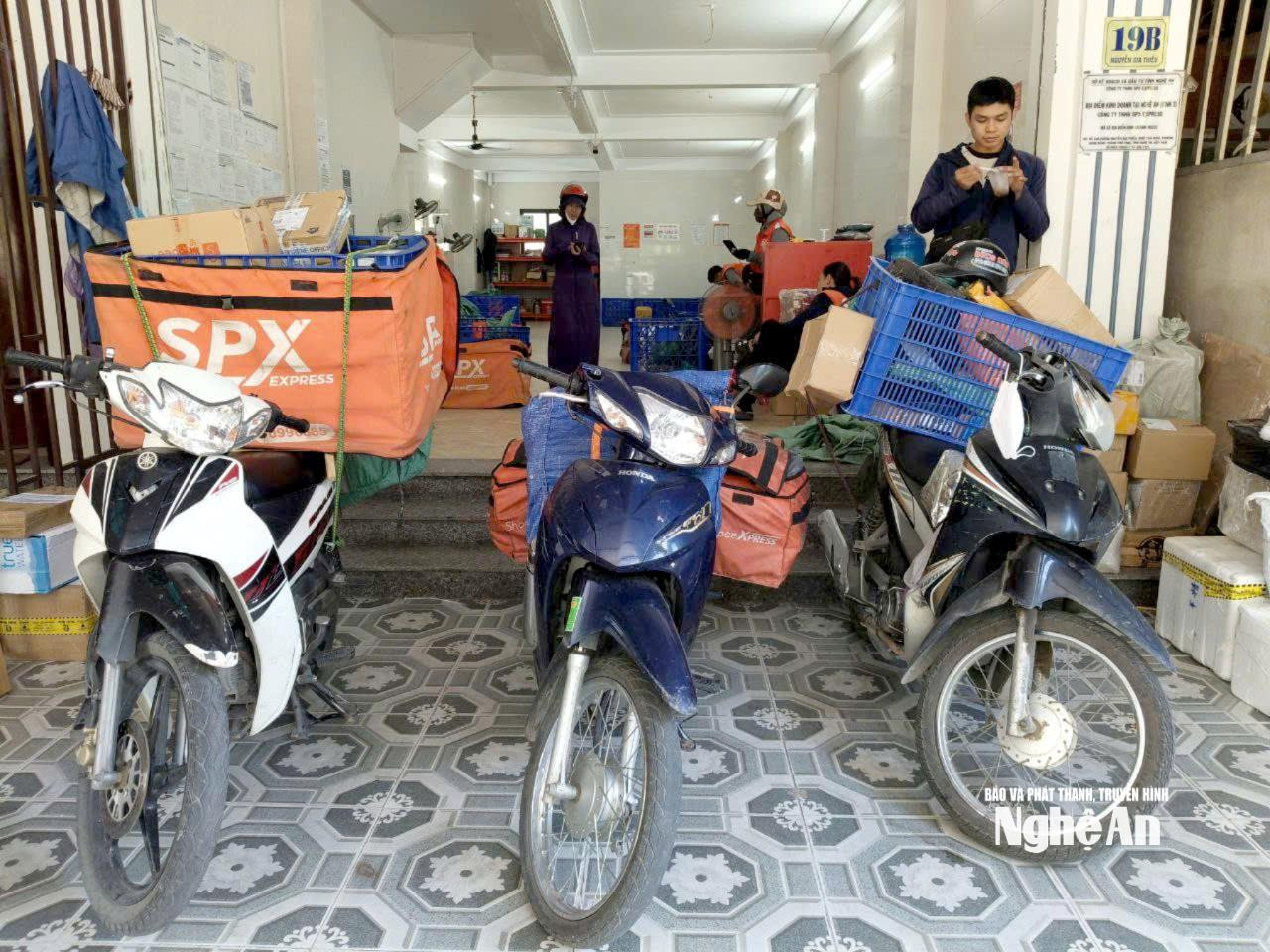
Not only food and beverage businesses, but also delivery services and ride-hailing services are being significantly impacted by the rising gasoline prices. Le Quang Tuan, a shipper who regularly runs the Vinh – Hung Nguyen route, said that previously his daily gasoline cost was around 80,000 VND, but after two consecutive price adjustments, this figure has increased to approximately 120,000 VND per day.
According to Mr. Tuan, the increase in fuel costs has significantly reduced the real income of delivery drivers, even though the workload remains unchanged. "We work more but earn less profit because of the rising fuel prices. Previously, we could accept individual orders, but now we have to proactively consolidate multiple orders on the same route to save fuel. Besides that, delivery drivers are also suggesting to the company to consider reducing the commission rate per order to ease the cost pressure," Mr. Tuan shared.
Meanwhile, fishermen are a group heavily impacted, as fuel costs account for a significant proportion of each fishing trip. Mr. Vo Van Phuc, a fishing boat owner in Binh Minh Hamlet, Cua Lo Ward, said that his family currently owns five fishing boats, including four with 1,000 horsepower and one with 820 horsepower, specializing in fishing in the waters of Nghe An, Ha Tinh, and Thanh Hoa provinces.
According to Mr. Phuc, each fishing trip, lasting about 10 days, requires thousands of liters of fuel. Previously, fuel costs were around 27-30 million VND, but now, with the sharp increase in fuel prices to 30,000 VND/liter, the cost could rise to around 50 million VND per trip.
"Fuel costs are soaring, and the catch is uncertain, so going out to sea right now would be very risky. Therefore, for now, we're keeping the boats at home, monitoring the fuel price situation, and then making further decisions," Mr. Phuc shared.
Rising fuel prices have also forced many people to reconsider their daily commuting and spending habits. Mr. Ngo Trung Khang (Minh Chau commune) said that his daily commute is about 40 km, so fuel costs account for a significant portion of his family's expenses. According to Mr. Khang, if fuel prices remain high, switching to electric vehicles is a viable option.

In the price adjustment on March 7, 2026, domestic gasoline and diesel prices were sharply increased by 3,777 - 8,500 VND/liter depending on the product. Specifically, E5RON92 gasoline increased by 3,777 VND/liter to 25,226 VND/liter; RON95-III gasoline increased by 4,707 VND/liter to 27,047 VND/liter. Notably, diesel increased by 7,207 VND/liter to 30,239 VND/liter... This is also the second increase in just one week, making the domestic gasoline and diesel market hotter than ever.