

Iron ore prices rose for the sixth consecutive session, reaching $113.44 per ton due to escalating shipping costs.
On March 9, 2026, iron ore futures prices in Dalian and Singapore rose simultaneously as rising energy costs and shipping risks in the Middle East put significant pressure on prices.
On March 9, 2026, iron ore futures prices reached their highest level in a month. This marked the sixth consecutive day of price increases for the commodity, primarily driven by rising energy costs and international shipping fees.
Iron ore price trends on international exchanges
At China's Dalian Commodity Exchange (DCE), the most actively traded May iron ore contract rose 2.28% to 784.5 CNY/tonne (equivalent to $113.44/tonne). At the same time, on the Singapore Exchange, the benchmark April iron ore contract also saw a 1.54% increase, reaching $103.15/tonne.
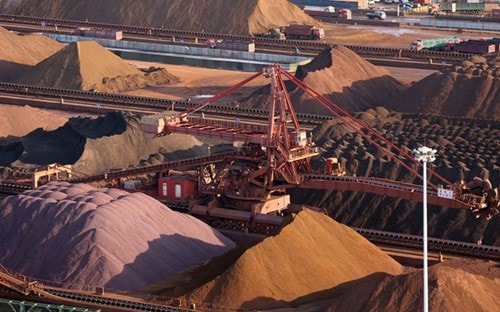
Data from consulting firm Steelhome shows that the spot price of iron ore shipped by sea increased by 1.51% to $100.6 per ton as of March 6th. Simultaneously, iron ore inventories at major Chinese ports also saw a 0.67% increase in the week ending the same date.
Impacts from energy costs and geopolitical risks
Commodity markets are under significant pressure as oil prices have surged by more than 25% amid escalating tensions between the US, Israel, and Iran. Supply cuts by several major Middle Eastern oil producers have raised concerns about prolonged disruptions in the Strait of Hormuz – a vital shipping lane for the region.
Atilla Widnell, CEO of Navigate Commodities, analyzed that rising energy costs will lead to a chain of consequences including increased shipping fuel costs, insurance premiums, and transportation risk surcharges. This will directly drive up iron ore prices in the short term.
Notably, the Strait of Hormuz is also a crucial corridor for China's steel exports to the Gulf market. Last year, this region accounted for approximately 16% of China's total steel exports. If this route is blocked, Iran – the world's 10th-largest steel producer – would also face difficulties in importing coking coal and exporting finished steel products.
Analysis of the outlook and related steel market
Although iron ore prices are trending upwards, Atilla Widnell also warned of medium- and long-term risks. The possibility of central banks having to raise interest rates to control inflation will weaken the outlook for future demand for steel and iron ore.
Below is a summary table of price fluctuations for several steel raw materials and products during the trading session:
| Item | Exchange | Volatility level |
|---|---|---|
| Coke | Dalian (DCE) | +5.51% |
| Coke | Dalian (DCE) | +3.82% |
| Rebar | Shanghai (SHFE) | +1.3% |
| Hot-rolled steel coils | Shanghai (SHFE) | +1.58% |
| Wire | Shanghai (SHFE) | +1.44% |
| stainless steel | Shanghai (SHFE) | -0.42% |
A report from Everbright Futures indicates that disruptions to energy supply not only affect iron ore prices but also put pressure on the entire ferrous metal production chain, forcing producers to adjust their operating plans to reflect new input costs.