

How long will the Gulf oil "dragons" hold out?
Oil prices have been volatile following airstrikes targeting Iranian energy infrastructure and the paralysis of the Strait of Hormuz. With oil tankers stranded and energy facilities attacked, oil-producing nations are running out of storage space to sustain production.
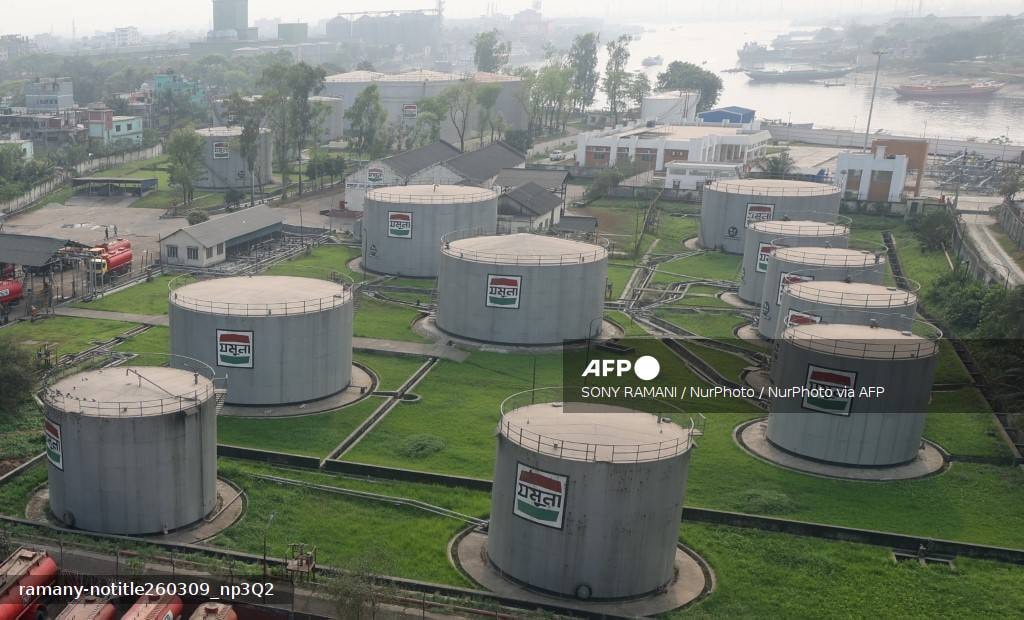
According to DW, the global energy market just experienced a tense period, particularly the volatile day of March 9th when crude oil prices approached $120 per barrel before falling below $90 per barrel by the end of the day. The trigger for this price surge came from two events that unfolded over the weekend: Israel's bombing of Iran's energy infrastructure and Tehran's official announcement of Mojtaba Khamenei as Iran's new Supreme Leader.
The attack marked a serious escalation in a conflict that has only lasted 10 days, sending terror through global energy markets. Brent crude oil prices briefly touched $119.50 before correcting back to around $100. However, risks remain as the fighting directly threatens energy lifelines in the Middle East – where producers are already struggling with damaged facilities and the closure of the world's most vital shipping lanes.
With export inventories dwindling, the pressing question, according to DW, is whether Gulf oil production could be completely shut off within the next few days?
Why does the scenario of production being halted exist?
The Gulf oil powers, including Saudi Arabia, the UAE, Qatar, Kuwait, and Bahrain, suddenly found themselves caught in the crossfire of a conflict between Israel, the US, and Iran.
Iran has attacked a range of targets, from energy facilities and airports to hotels, residential areas, and U.S. military bases in the region. These actions have been denounced by neighboring countries as acts of "treason," sparking threats of bloody military retaliation.
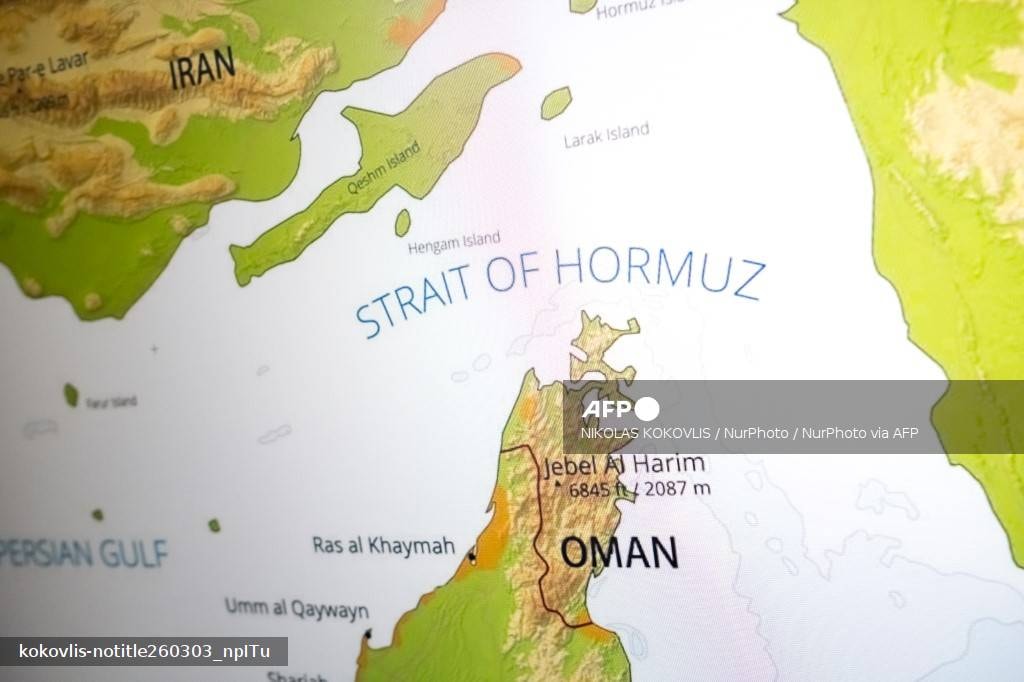
Pressure intensified when Iran effectively blockaded the Strait of Hormuz – the narrow waterway separating Iran and Oman, connecting the Persian Gulf with the Gulf of Oman and the Arabian Sea. According to shipping analyst Kpler, this blockade has paralyzed almost all maritime trade in the area. With the transport of up to one-fifth of the world's oil supply, Hormuz is the "choke point" of the world's energy industry. The closure of this strait is considered a worst-case scenario for the global economy.
What will be the fate of the remaining oil inventories?
While oil and liquefied natural gas (LNG) tankers remain grounded, Gulf producers can only hope that the Strait of Hormuz will reopen soon.
While Saudi Arabia and the UAE have alternative routes to export some of their energy through the Red Sea and the Gulf of Oman, other countries are not so fortunate; they are entirely dependent on storage facilities that are dwindling by the hour.
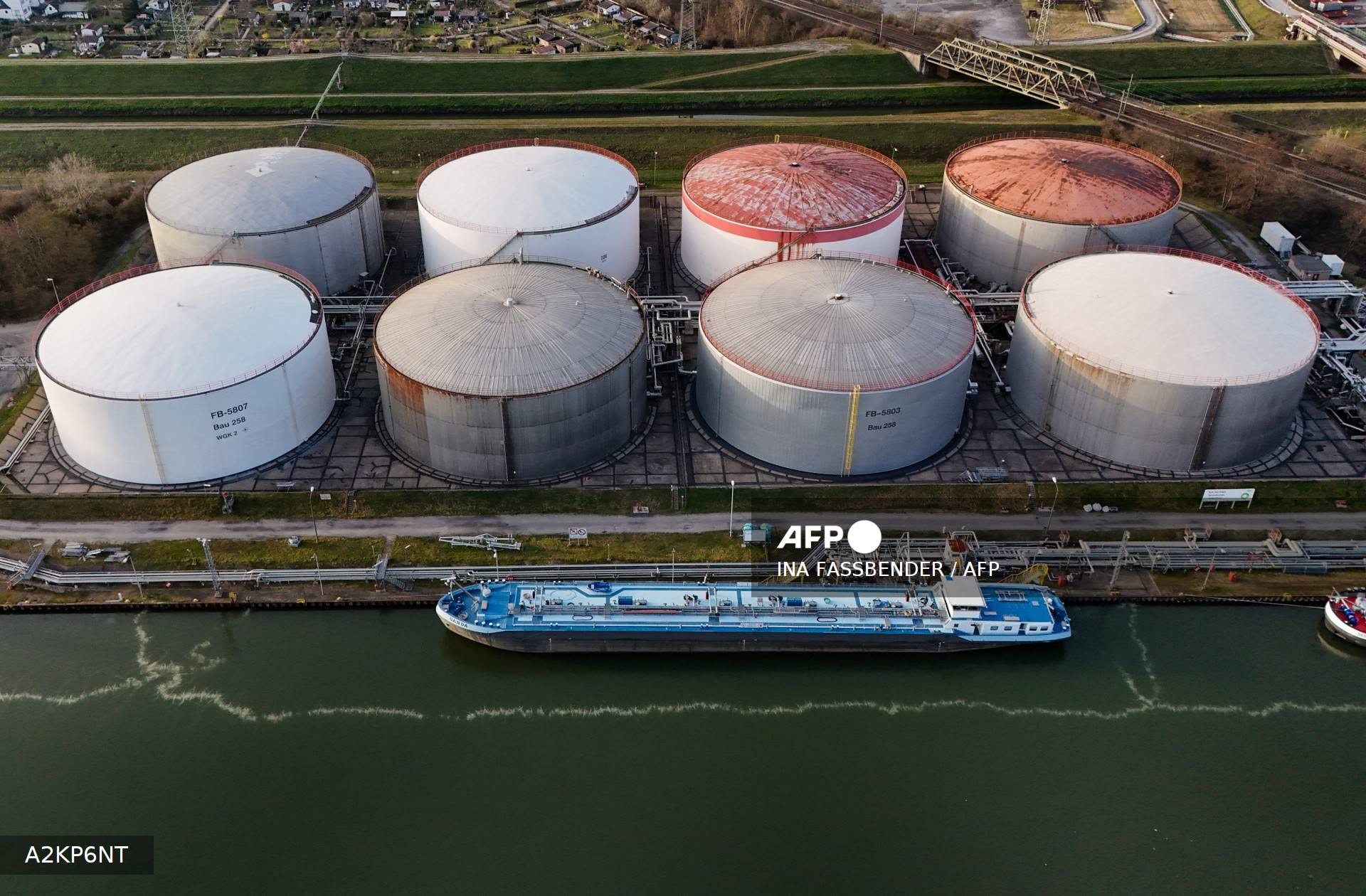
According to data from JP Morgan (US), the Gulf states could collectively store approximately 343 million barrels of oil to delay mandatory production shutdowns. However, this figure pales in comparison to the enormous daily flow: around 15 million barrels of crude oil and more than 4 million barrels of refined products such as gasoline, diesel, and jet fuel flow through the Strait of Hormuz every day.
JP Morgan's calculations show that, at the time hostilities broke out on February 28, the Gulf states had only about 22 days of buffer reserves before their storage facilities were full and unable to accept more oil from the wells.
Alarm raised over a potential production slowdown.
Signs of cracks have appeared. Iraq—which already has only six days' worth of reserves—is likely running out of storage space, forcing Baghdad to cut production by about 1.5 million barrels per day last week. Rystad Energy, a Norwegian research firm, warned on March 9th that Iraq's remaining oil fields are facing "an almost certain risk of closure."
Meanwhile, Saudi Arabia has approximately 66 days' worth of reserves (as of February 28) thanks to its ability to divert some of its oil exports through alternative routes. However, Rystad Energy believes that the kingdom's "real-world holding period" before being forced to cut production is only 7 to 9 days.
Currently, Saudi Aramco is attempting to divert oil to the port of Yanbu on the Red Sea, while the UAE is shipping through Fujairah—which was also recently attacked by Iran. It should be noted that these alternative routes only account for about one-third of the oil traffic that normally passes through the Strait of Hormuz.
Data from the Paris-based environmental intelligence firm Kayrros, cited by the Financial Times, suggests that Saudi Arabia appears to have begun reducing production despite remaining storage capacity. Bloomberg and Reuters have also confirmed similar cuts from Kuwait and the UAE.
Suspending production is more than just "shutting down the rig." Restarting oil flows after a shutdown can take weeks to months, not to mention the risks of geological hazards and irreparable equipment damage.
What price will oil reach?
A halt in production and exports in the Gulf region—which accounts for one-third of the world's seaborne crude oil shipments—would undoubtedly push oil prices to new highs. Qatar's Energy Minister told the Financial Times that oil prices could soon reach $150 a barrel if the conflict is not resolved immediately.
ING Bank stated: "The longer the conflict lasts, the greater the amount of 'frozen' supply will be." The International Energy Agency (IEA) also warned on March 9th that prolonged supply disruptions could reverse the market from last year's state of "significant surplus" to a state of "severe shortage."
The "scars" on the energy infrastructure
Besides storage pressure, energy facilities in the Gulf are also being directly damaged by gunfire. In Saudi Arabia, on March 2nd, Iranian drones targeted Ras Tanura – Saudi Aramco's largest oil refinery with a capacity of 550,000 barrels per day. Authorities were forced to shut down the facility to assess the damage.
In Qatar, on the same day, Iran attacked Ras Laffan, the world's largest LNG export facility. Qatar Energy was forced to temporarily suspend operations and declare a state of "force majeure" regarding export contracts.
In Bahrain, a drone attack on the night of March 8 targeted Sitra Island, including the Al Ma'ameer oil complex, forcing the country to declare a similar state of force majeure.
Despite Iranian President Masoud Pezeshkian's apology to neighboring countries and his promise to end the attacks, on March 9, the Saudi Arabian Ministry of Defense announced that its air defense forces had successfully intercepted four drones heading towards the Shaybah oil field in the southeast.
The global energy landscape is facing a "storm." As storage tanks fill up and pipelines leak under fire, the world holds its breath, waiting to see whether the lifeline of the global economy will be completely cut off.