

The reason why Israel's Iron Beam laser air defense system has not yet seen combat.
Despite successful field trials, the Iron Beam laser system has not yet been officially deployed by the Israeli military due to limitations in quantity and technical hurdles that cannot be immediately overcome.
On March 12, the Israel Defense Forces (IDF) officially confirmed that the Iron Beam laser air defense system is not yet in active combat operations. This statement comes amid high expectations of a revolution in Israel's multi-layered defense network, especially after the Ministry of Defense announced plans for field trials by the end of 2025.
Implementation and initial test results
Although the IDF maintains the system is not yet mature enough for regular combat deployment, Iron Beam has indeed made some notable achievements. In an operation in northern Israel in the fall of 2024, test versions of the system successfully shot down approximately 40 Hezbollah drones. However, these results are limited to individual test cases and are insufficient to demonstrate its ability to operate reliably in a high-intensity conflict.
Technical specifications and cost advantages
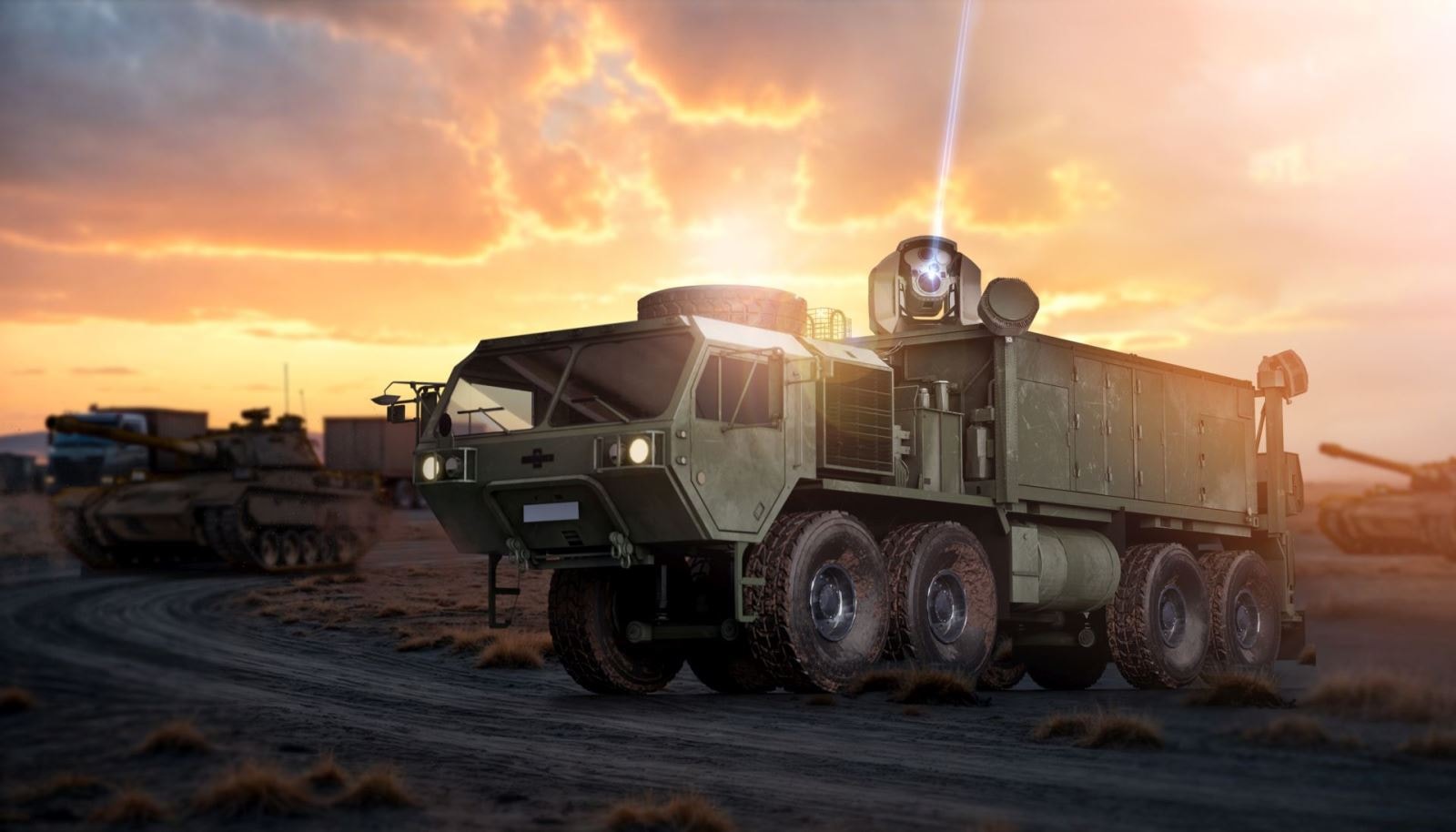
Iron Beam is an air defense system that uses a high-energy laser beam with a power of approximately 100 kilowatts to destroy airborne targets. The weapon's mechanism involves focusing an extremely powerful energy beam onto the target for a few seconds, destroying its physical structure and causing it to fall immediately. The system was developed by Rafael Corporation in collaboration with Elbit Systems.
Iron Beam's biggest advantage lies in its cost-effectiveness. The developers highlight the following features:
- Extremely low operating costs:Each laser interception costs only a few shekels (Israeli currency), while each interceptor missile of the Iron Dome system costs tens of thousands of dollars.
- Unlimited ammunition:As long as there is a power supply, the system can fire continuously without worrying about running out of ammunition like traditional missile launchers.
- Short-range target engagement capability:Particularly effective against UAVs and short-range rockets, which are frequent threats from armed groups in the region.
The obstacles preventing Iron Beam from entering combat.
Despite its outstanding advantages, the practical implementation of Iron Beam reveals numerous limitations in both technical aspects and production scale. One of the main reasons is the insufficient number of systems currently in the IDF's arsenal. Covering the entire border, especially the northern border with Lebanon, requires enormous financial resources.
In late 2024, a 2 billion shekel contract was signed between the Israeli Ministry of Defense and industrial partners to expand production. However, mass production and integration into the national defense network will require considerable additional time. Furthermore, military experts have identified three core technical challenges:
1. Dependence on weather
Laser performance is severely affected by atmospheric conditions. Fog, thick clouds, dust, or sandstorms can scatter and attenuate the beam's energy, rendering it insufficient to destroy the target in a short time.
2. Energy and heat conversion efficiency
According to Yehoshua Kalisky, a researcher at the Israel Security Research Institute (INSS), only about 30% of the input energy is converted into a laser beam, while the remaining 70% is converted into heat. Dealing with this excess heat requires an extremely complex cooling system, making it difficult to increase firing power or maintain a high rate of fire.
3. Ability to cope with swarm attacks
Unlike Iron Dome, which can launch multiple missiles simultaneously to intercept multiple targets, current laser systems can only focus on a single target at a time. This creates a significant vulnerability when the enemy uses swarm UAV tactics to overwhelm the defense system.
A supporting role, not a replacement role.
Brigadier General Ran Kochav, former commander of Israel's missile defense forces, stated that while Iron Beam is a technological breakthrough, current expectations are being pushed too far beyond reality. The system is currently only effective at short ranges and cannot yet replace traditional interceptor missile systems in countering ballistic missiles or long-range rockets.
Currently, the IDF states that Iron Beam is in the process of being gradually adopted and integrated into the Air Force. In the near future, traditional systems like Iron Dome will continue to play a key role in protecting Israel's airspace. Iron Beam will be considered an additional layer of defense, optimizing costs and enhancing protection against low-altitude threats, rather than a complete replacement.