

US-Iran Situation: Has the "elimination of the mastermind" turned into a bitter strategic blow?
The US and Israeli airstrikes that killed top Iranian leaders were once hoped by Washington to be a decisive blow to reshape the regional order. However, the reality on the battlefield after two weeks of fierce fighting is proving an old truth: Pure military power and campaigns to eliminate the elite cannot bring about a complete strategic victory; on the contrary, they are pushing the world into a multifaceted crisis with no way out.
.png)
The US and Israeli airstrikes that killed top Iranian leaders were once hoped by Washington to be a decisive blow to reshape the regional order. However, the reality on the battlefield after two weeks of fierce fighting is proving an old truth: Pure military power and campaigns to eliminate the elite cannot bring about a complete strategic victory; on the contrary, they are pushing the world into a multifaceted crisis with no way out.
The illusion of a swift collapse.
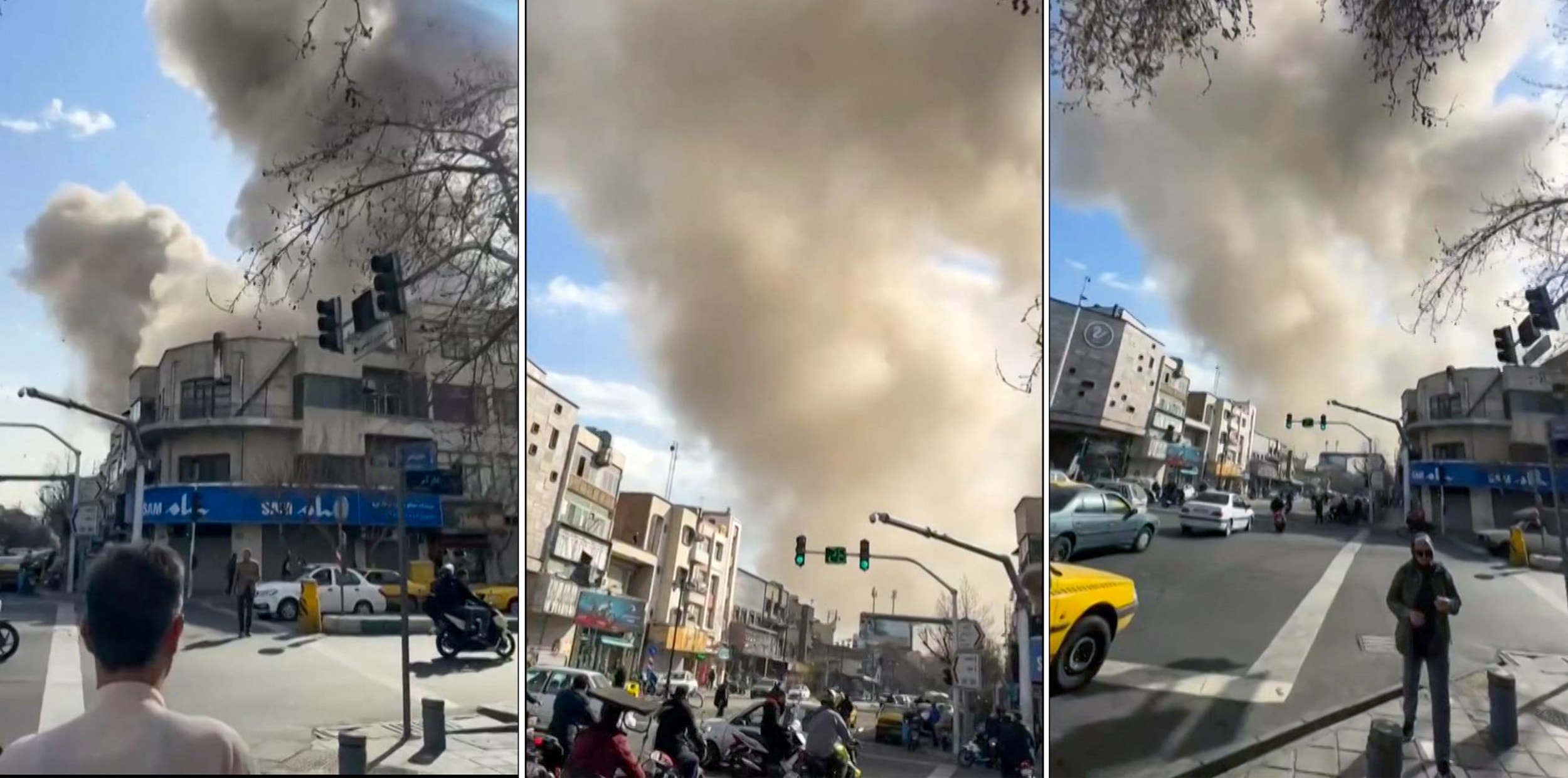
Images of plumes of black smoke rising from Tehran on that fateful day of February 28, amidst the rubble of a complex where Supreme Leader Ali Khamenei and dozens of high-ranking officials were killed, were seen by Western media as the end of the regime. Policymakers in Washington seemed to have placed too much faith in a chain reaction of collapse.
However, that overconfidence quickly gave way to a harsh reality. The Iranian government did not collapse. A new leadership was quickly established, and the country's defenses remained functioning smoothly. Why did such a devastating blow not yield the results the US expected? The answer lies in the observations of American professor Robert Pape in his book "Bombering to Win." He points out that, in wars between nations, the strategy of "eliminating the top leadership" (killing high-ranking leaders) has almost never been truly effective.
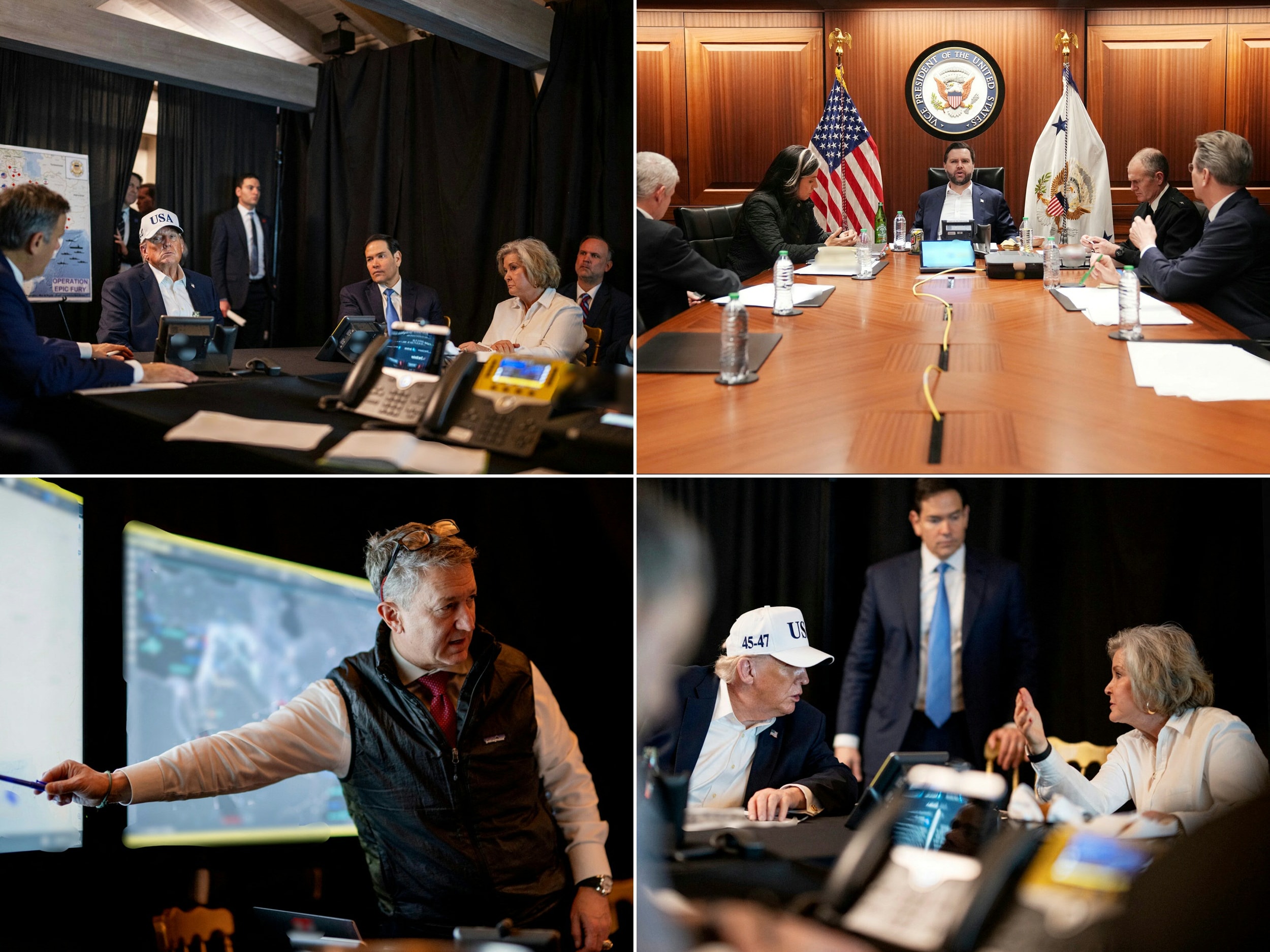
Furthermore, Iran has been well-prepared from past lessons. "We have had two decades to study the failures of the American military right on our eastern and western flanks," Iranian Foreign Minister Abbas Araghchi once declared.
According to expert Elie Tenenbaum from the French Institute of International Relations (IFRI), as early as 2005, after witnessing the US overthrow the governments in Iraq and Afghanistan, Tehran developed a military doctrine called "mosaic defense." This is a decentralized military command system that allows units to operate flexibly and maintain the ability to retaliate even without central command.
The strategy of "hijacking" the global economy.
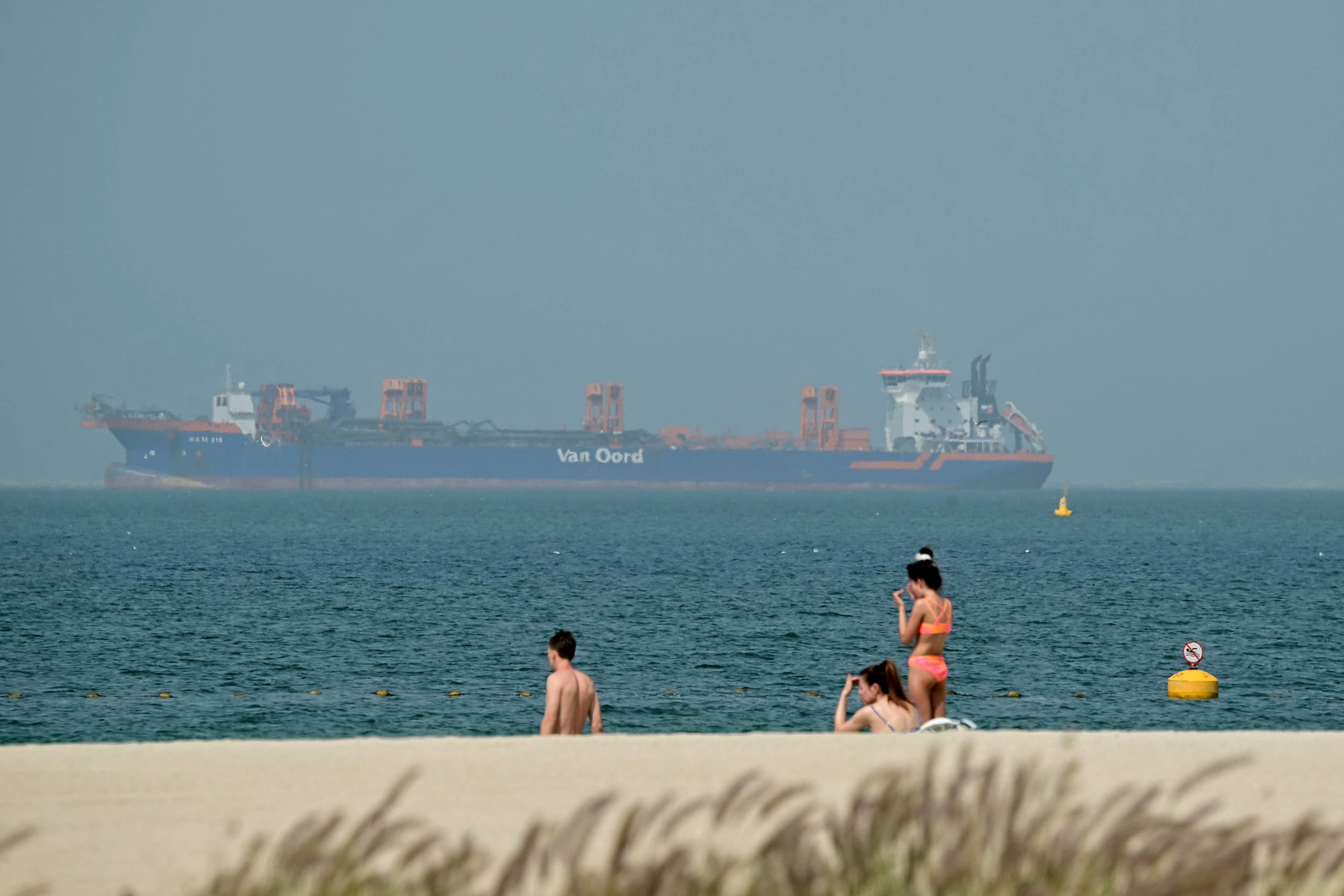
Iran's most dangerous weapon right now lies in its strategically crucial geopolitical position.
Realizing it could not confront the massive American war machine directly, Iran activated a pragmatic three-step strategy: ensuring survival, maintaining the capacity for retaliation to sustain the conflict, and prolonging the conflict to force the other side to the negotiating table on terms favorable to Tehran.
Iran's most dangerous weapon right now is not its advanced missile systems, but its strategically crucial geopolitical position. By blockading the Strait of Hormuz—a vital waterway that carries one-fifth of the world's crude oil—Iran has officially brought the global economy to the forefront of the conflict.
The consequences were immediate. The shock from the Gulf spread globally, driving oil and gasoline prices skyrocketing. From the US to Bangladesh, from Nigeria to European nations, fuel rationing began to emerge. Although oil-importing countries released approximately 400 million barrels from their strategic reserves, this effort was like "a drop in the ocean," insufficient to alleviate the energy shortage.
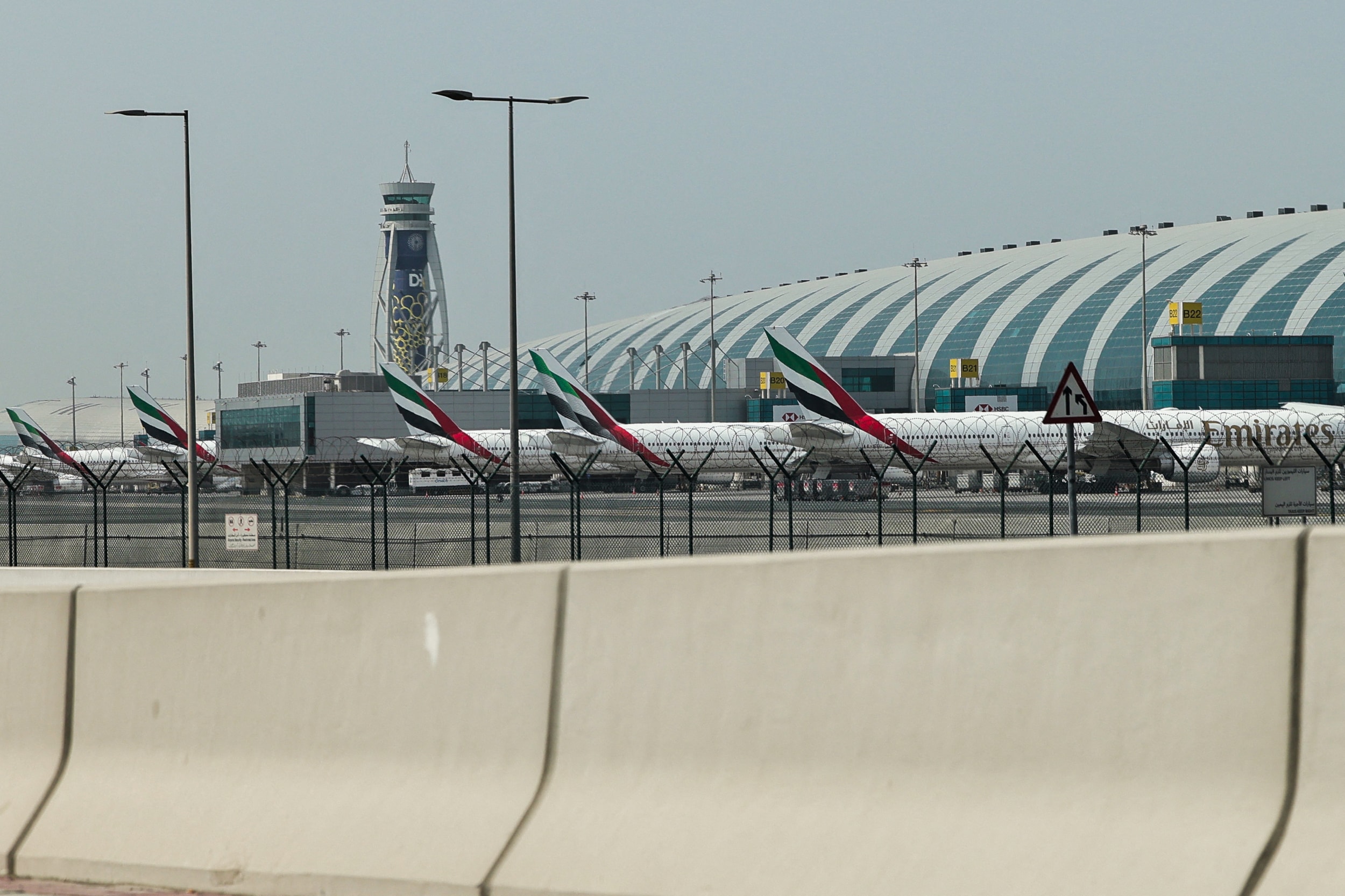
The economic consequences extend beyond energy. Global air traffic has come to a standstill. The image of the bustling, stable, and business-friendly financial centers in the Gulf region is crumbling as expatriates flee in a panic. In Kenya, tea farmers are watching their stockpiles pile up as maritime trade routes are threatened and shipping insurance costs skyrocket. In Bangladesh, the government has deployed the military to quell riots caused by fuel shortages.
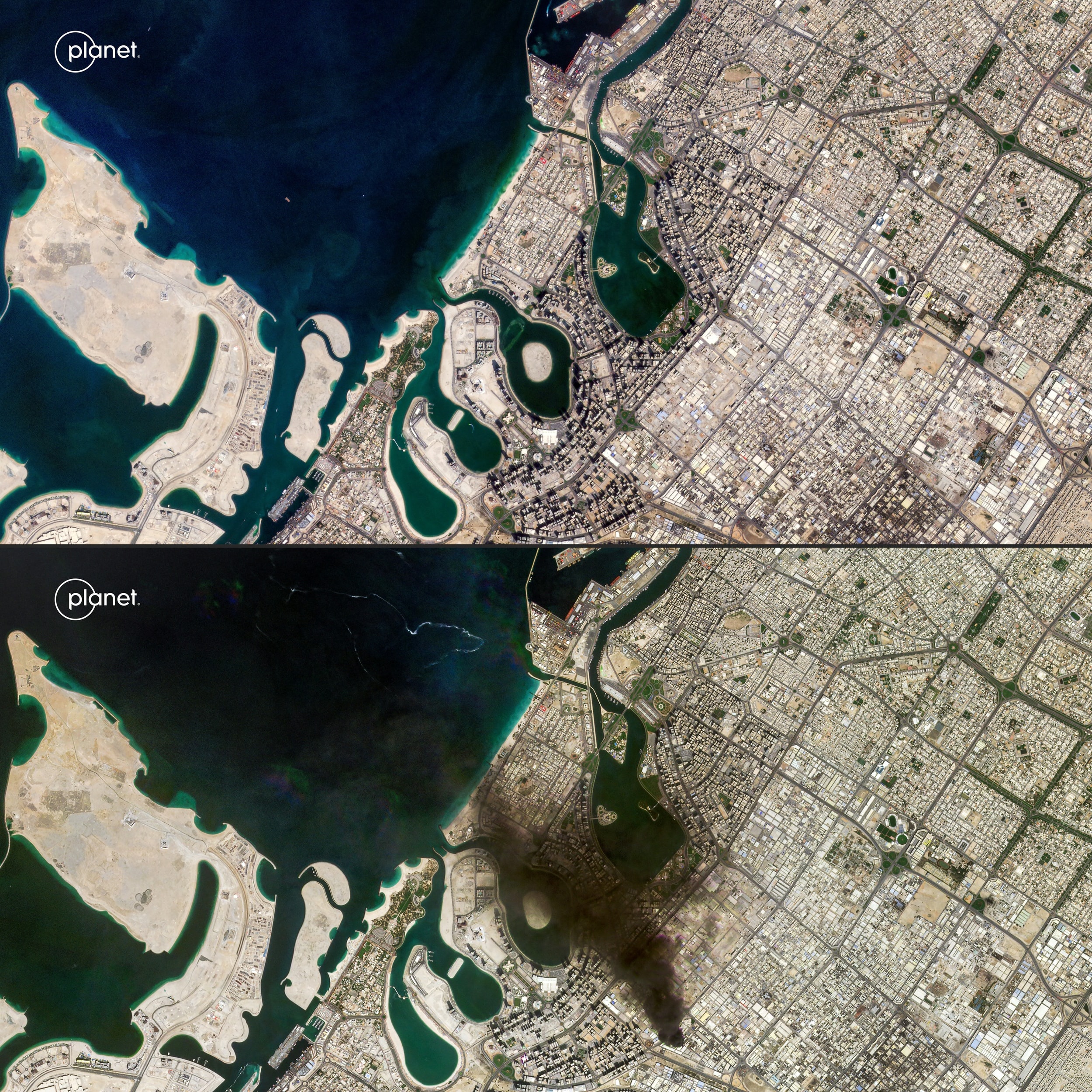
By using inexpensive unmanned aerial vehicles (UAVs) and missiles to attack US allied targets from the Gulf and Turkey to Cyprus, in conjunction with proxy forces like Hezbollah in Lebanon and Houthi rebels in Yemen, Iran is sending a clear message: If they are not at peace, the global economy will not function either.
Washington and the domestic political dilemma
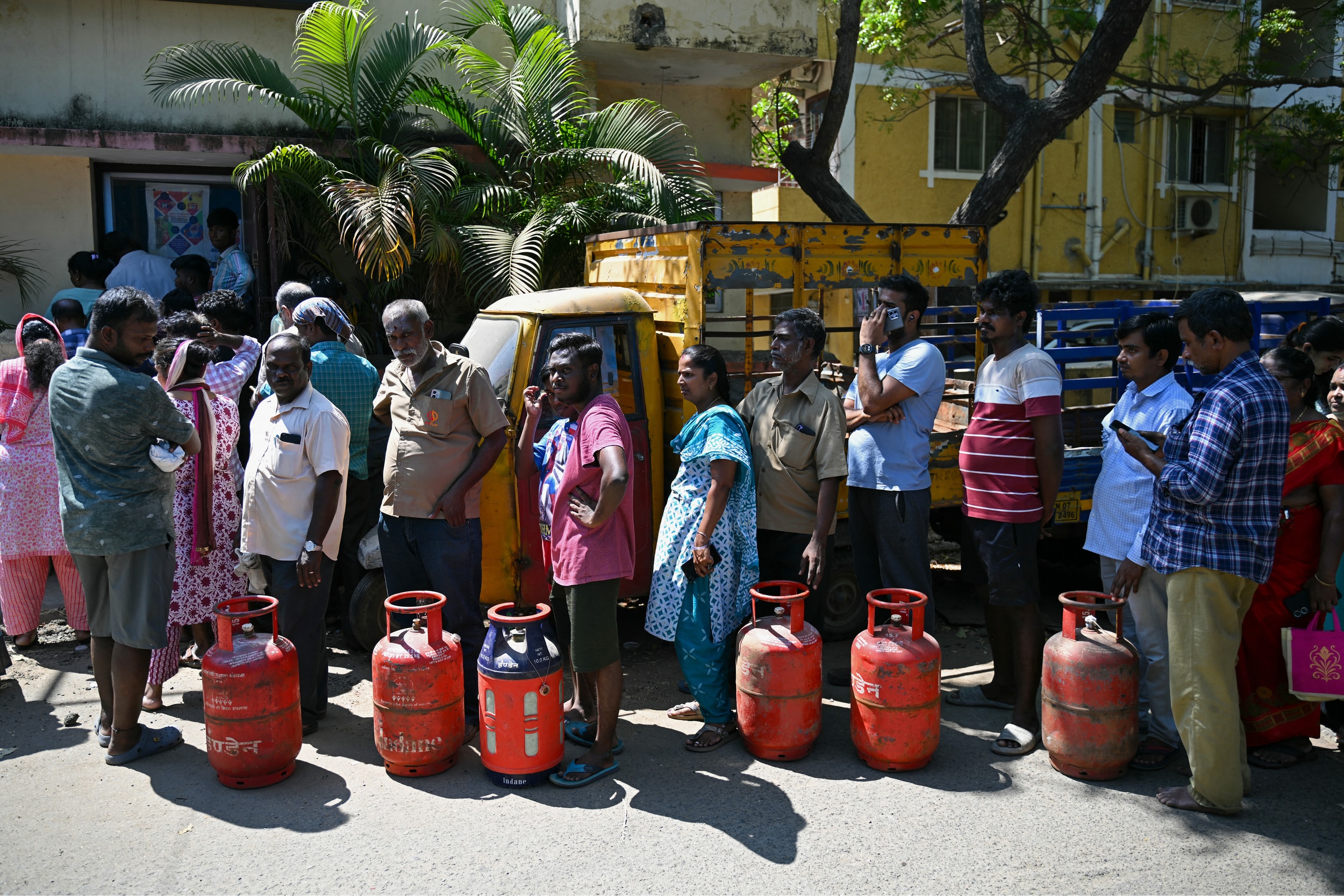
The escalating crisis is raising acute questions about Washington's strategic vision. President Donald Trump's call for Iran to "surrender unconditionally" or the US Defense Secretary's declaration of "highly focused" targets appear to be merely attempts to appease public opinion in the face of a war with vague and constantly changing objectives.
Expert Danny Citrinowicz from the Israel National Security Institute frankly pointed out the core weakness of the allies: "There is a huge difference between operational advantage (knowing where the enemy is and being able to attack them) and strategic understanding of Iran."
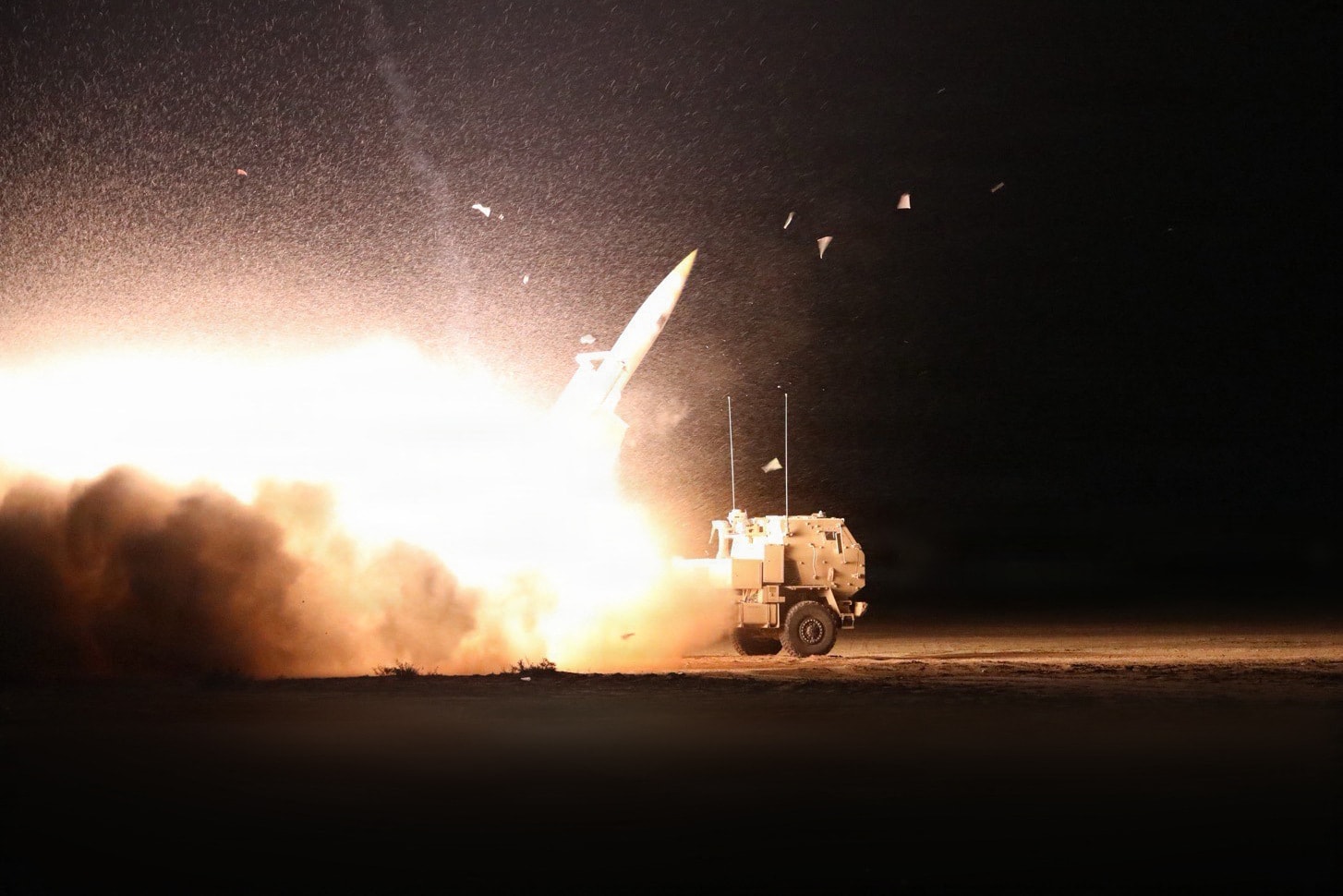
Clearly, the US has become somewhat complacent, believing it holds all the advantages. However, this war of attrition is draining America's resources. Expensive interceptor systems like Patriot and THAAD are being depleted daily to counter the barrage of missiles from Iran. More importantly, pressure from the "home front" is increasingly weighing on the White House.
This war of attrition is draining America's own resources.
The decision to launch surprise attacks without broad public consensus is becoming a major political risk for Trump as congressional elections approach. American voters, sensitive to fluctuations in the cost of living, will undoubtedly vent their grievances through their ballots. The concerns of Republican lawmakers about the risk of losing seats in their constituencies are the clearest evidence that the pressure from the war is reverberating back into American domestic politics.
What scenarios would lead to a war with no way out?
Of course, it would be simplistic to say that Iran has suffered no damage. This Middle Eastern nation is facing existential challenges. Prolonged economic sanctions, combined with internal social unrest that has led to bloody protests in the past, have crippled the Iranian economy. IFRI researcher Clement Therme warns of the risk of Iran becoming a "zombie state"—where the government only maintains its core security apparatus but is powerless to collect taxes, export oil, or pay public sector salaries.
Nevertheless, Washington's hope of an internal uprising to overthrow the Tehran regime amidst the bombing remains a distant prospect. Contrary to initial calculations, when faced with external threats, nationalist sentiments tend to resurface and unite.
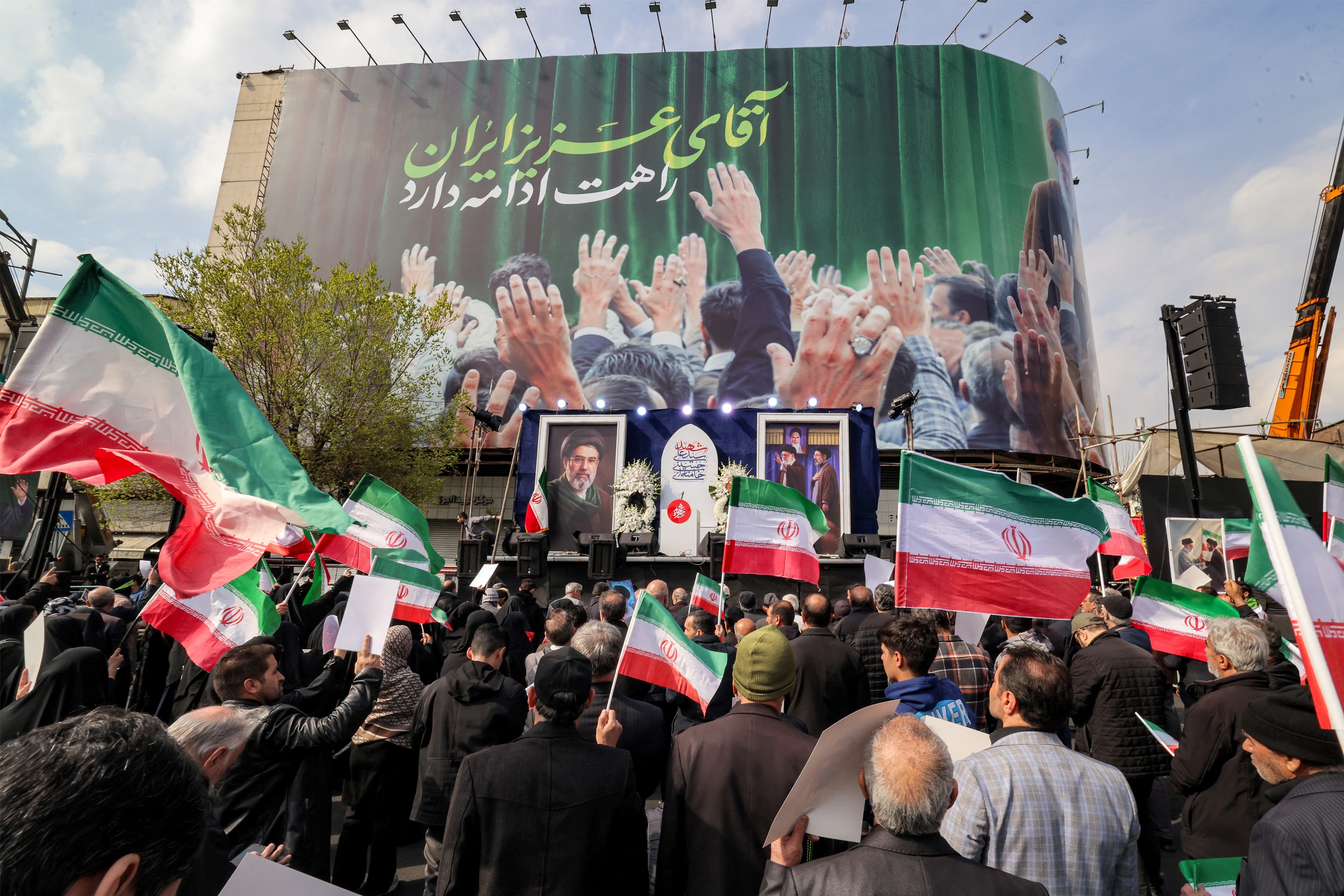
At this point, there is no easy "honorable exit" for Washington. According to Professor Jonathan Paquin of Laval University (Canada), Trump may have to "revision his concept of victory," abandoning the goal of demanding Iran's surrender or regime change. However, the power to end the war no longer rests entirely with the US. Even if Washington unilaterally ceases fire, Tehran is likely to continue its hostile stance.
There is no "honorable exit" for Washington.
The remaining options for the US all heavily lean towards violence: deploying ground troops directly into combat – a move that would plunge the US into a new, even more catastrophic quagmire; or supplying weapons to opposition groups, turning the nation into a cauldron of bloody ethnic civil war. Either scenario would gravely violate the fundamental principles of the UN Charter and international law regarding respect for the independence and sovereignty of nations.
The world is at a sensitive juncture, where economic, trade, and supply chain interdependence means that any localized war will come at the cost of global prosperity. As long as geopolitical calculations and "might makes right" mentality continue to dominate national decisions, global peace and economic stability will remain hostages at gunpoint.