

By producing on demand, farmers in Nghe An can rest assured of making a profit.
From the sweet corn model in Quynh Phu to the export-oriented chili peppers in Duc Chau, linking production with guaranteed product sales not only reassures farmers about market outlets but also creates stable income, gradually shaping agricultural production into a sustainable value chain.
Sweet corn isseason, gotprice
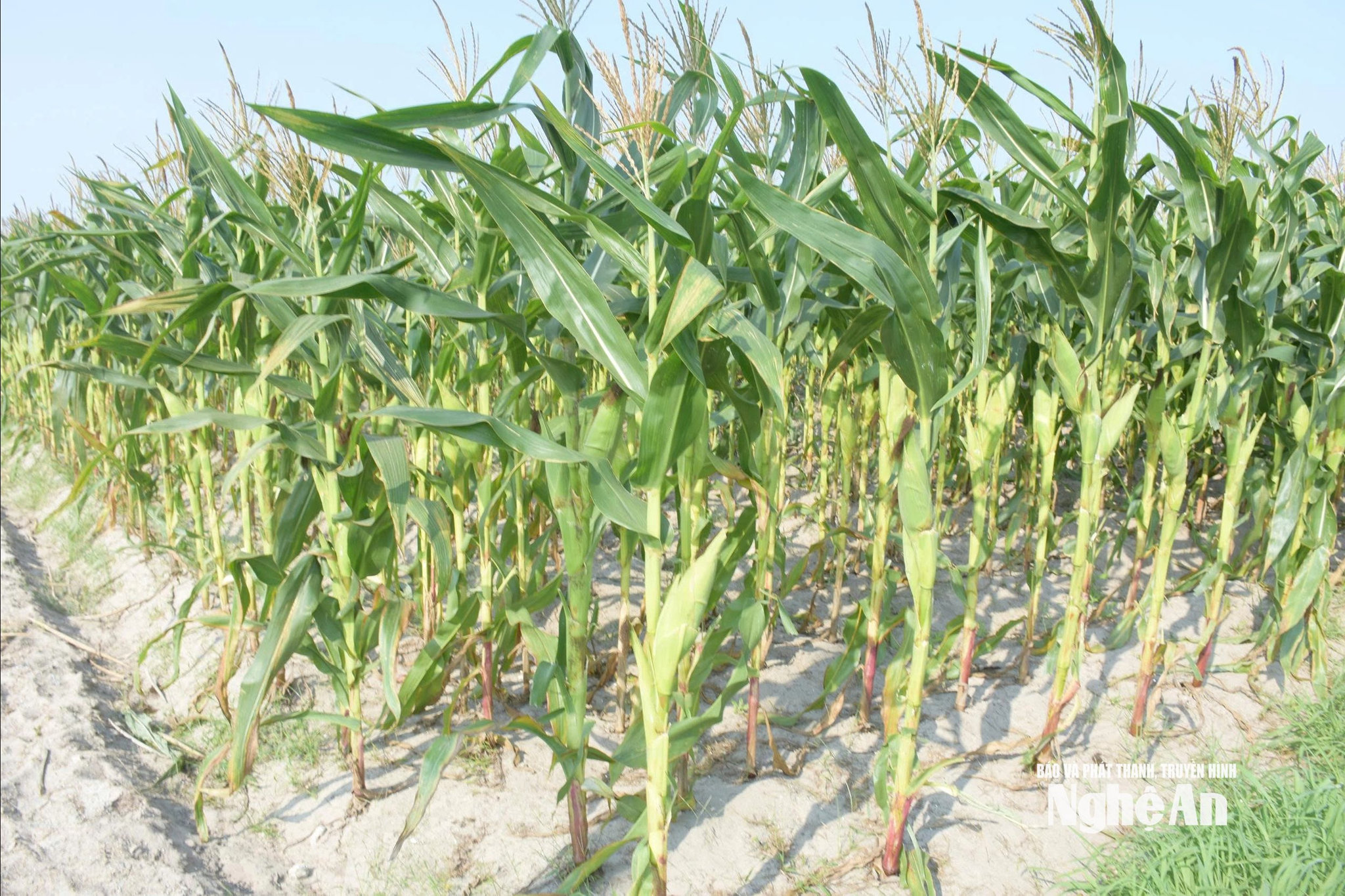
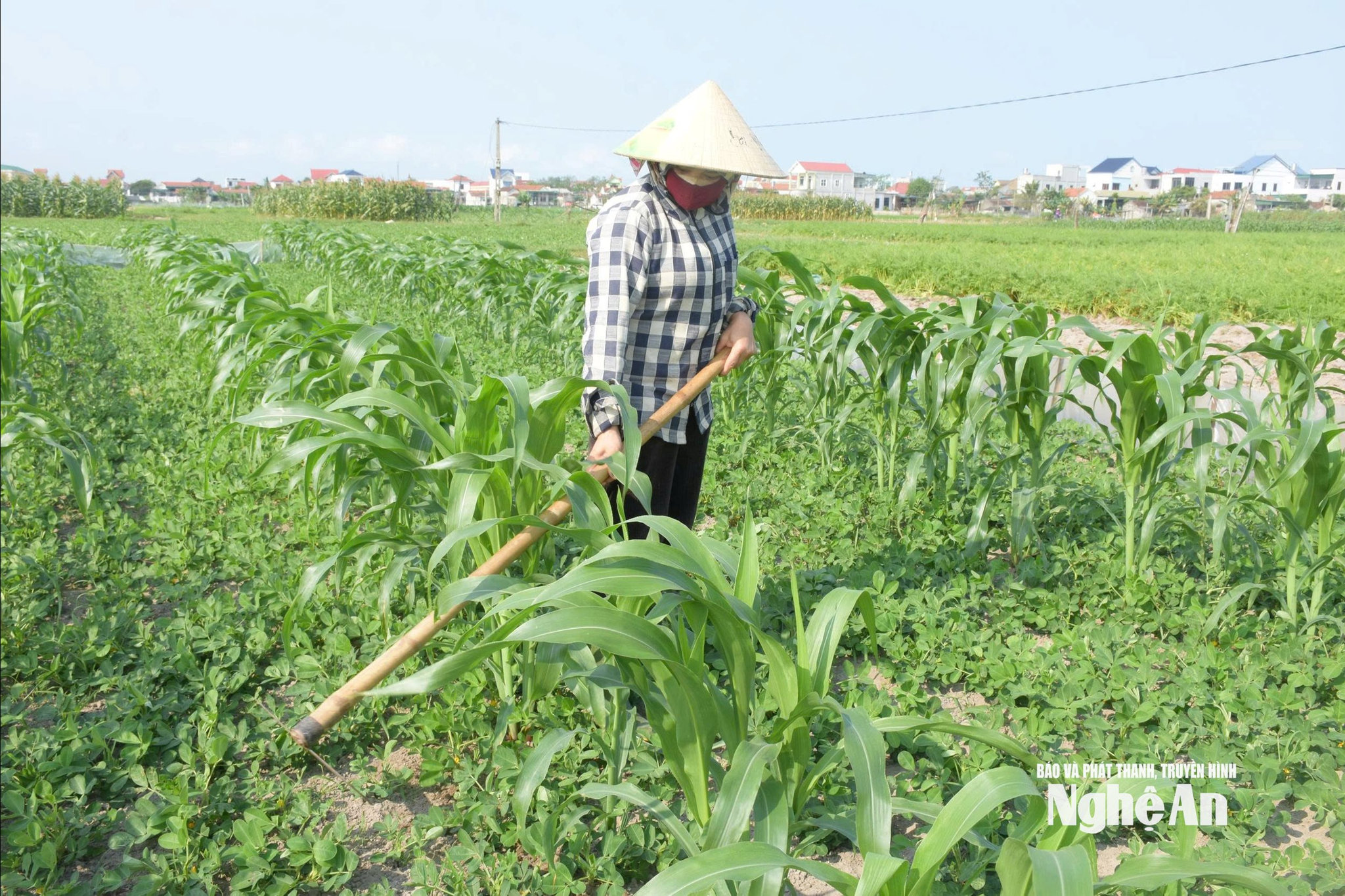
On the sandy loam fields of Quynh Phu commune, the green of sweet corn is gradually replacing crops that once yielded low returns. While previously people mainly grew tobacco, sweet potatoes, and vegetables, now sweet corn has become the primary crop in many areas. This shift did not happen naturally, but stemmed from long-standing shortcomings in production.
"Previously, we worried about finding buyers for whatever we planted. When it was time to harvest, we had to run around looking for customers, and prices fluctuated wildly," shared Mr. Ho Duc Lam (Toan Luc hamlet). With small-scale, uncoordinated farming, many production cycles ended in break-even or even losses.
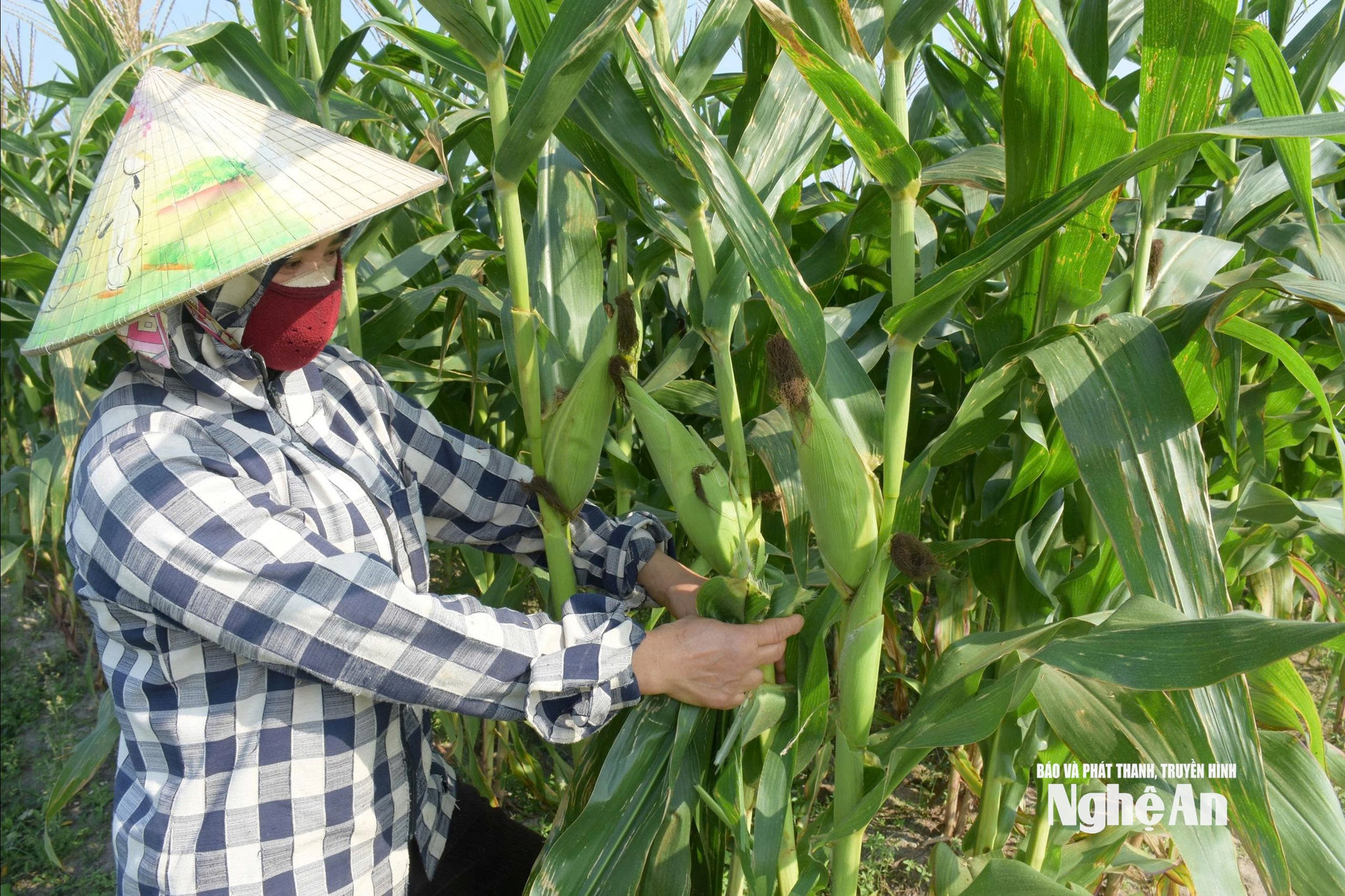
The real turning point came when the Toan Thang Agricultural Cooperative connected with Dong Giao Import-Export Joint Stock Company, implementing a sweet corn cultivation model linked to guaranteed product purchase. Unlike before, farmers no longer produce based on intuition but follow the specific plans of the enterprise. From being hesitant, many households have now boldly expanded their cultivated area. Households like Mr. Ho Duc Lam, Mr. Ho Viet Thanh, and Mr. Nguyen Dinh Tai all maintain at least 5 sao (approximately 0.5 hectares). "Following the company's plan, with technical guidance and guaranteed purchase, makes us feel more secure. They buy everything we produce," Mr. Tai said.
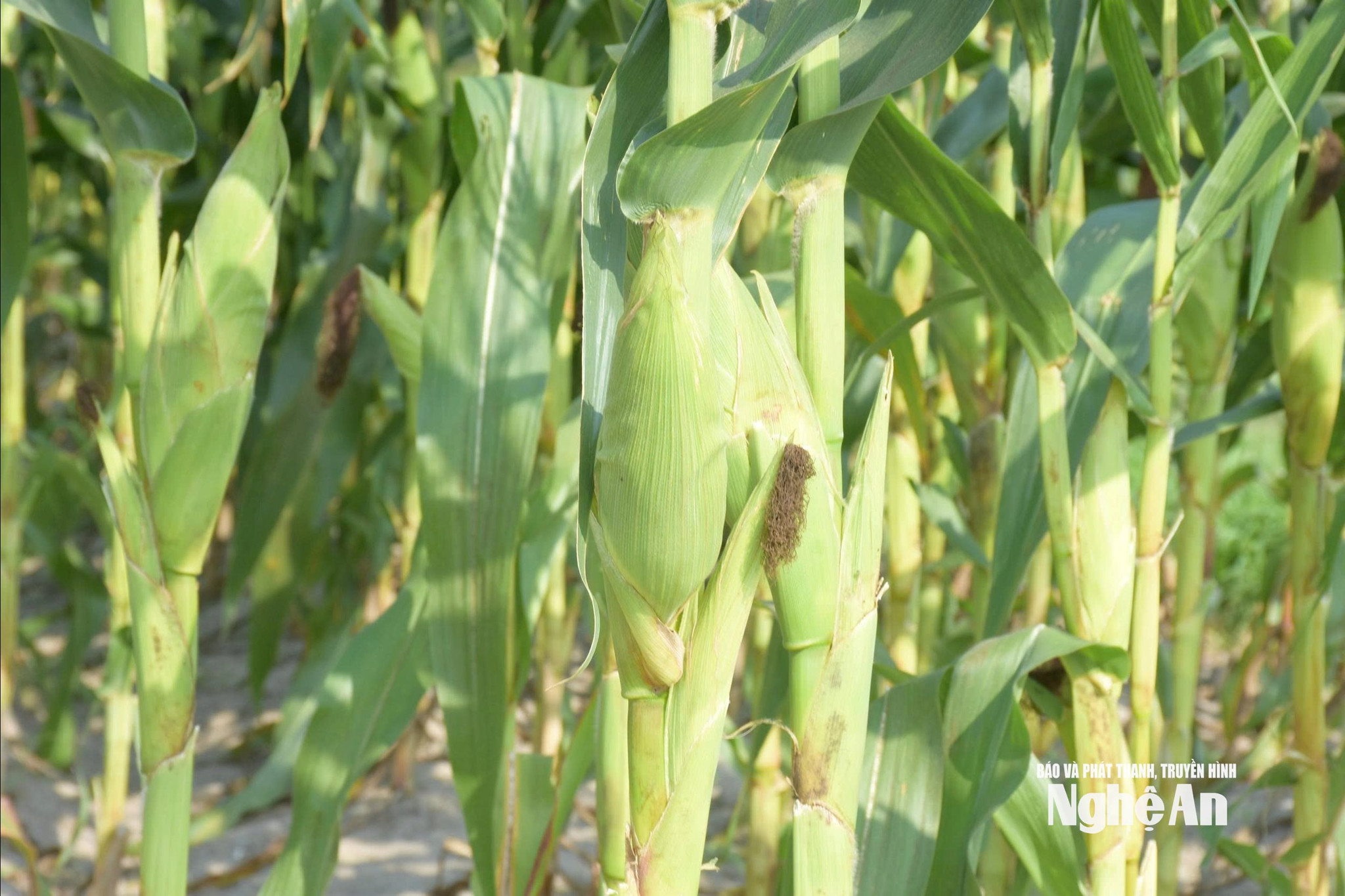
The economic efficiency is the most obvious factor. With a yield of 850–950 kg/sao (1 sao = 360 square meters), and a stable purchase price of 4,800 VND/kg for whole corn ears, each sao brings in approximately 4 million VND in revenue, with a net profit of nearly 2.8 million VND. Not only is this much higher than previous crops, but this income level is also stable across seasons.
During the 2025-2026 winter crop season, Toan Thang Agricultural Cooperative cultivated approximately 8 hectares of sweet corn, yielding over 65 tons of produce for businesses. The entire output was purchased under contract, with no unsold stock. Significantly, this stable market has helped change the farmers' perspective on production. "Knowing the selling price beforehand allows us to be more proactive, instead of gambling like before," said Mr. Ho Duc Lam.
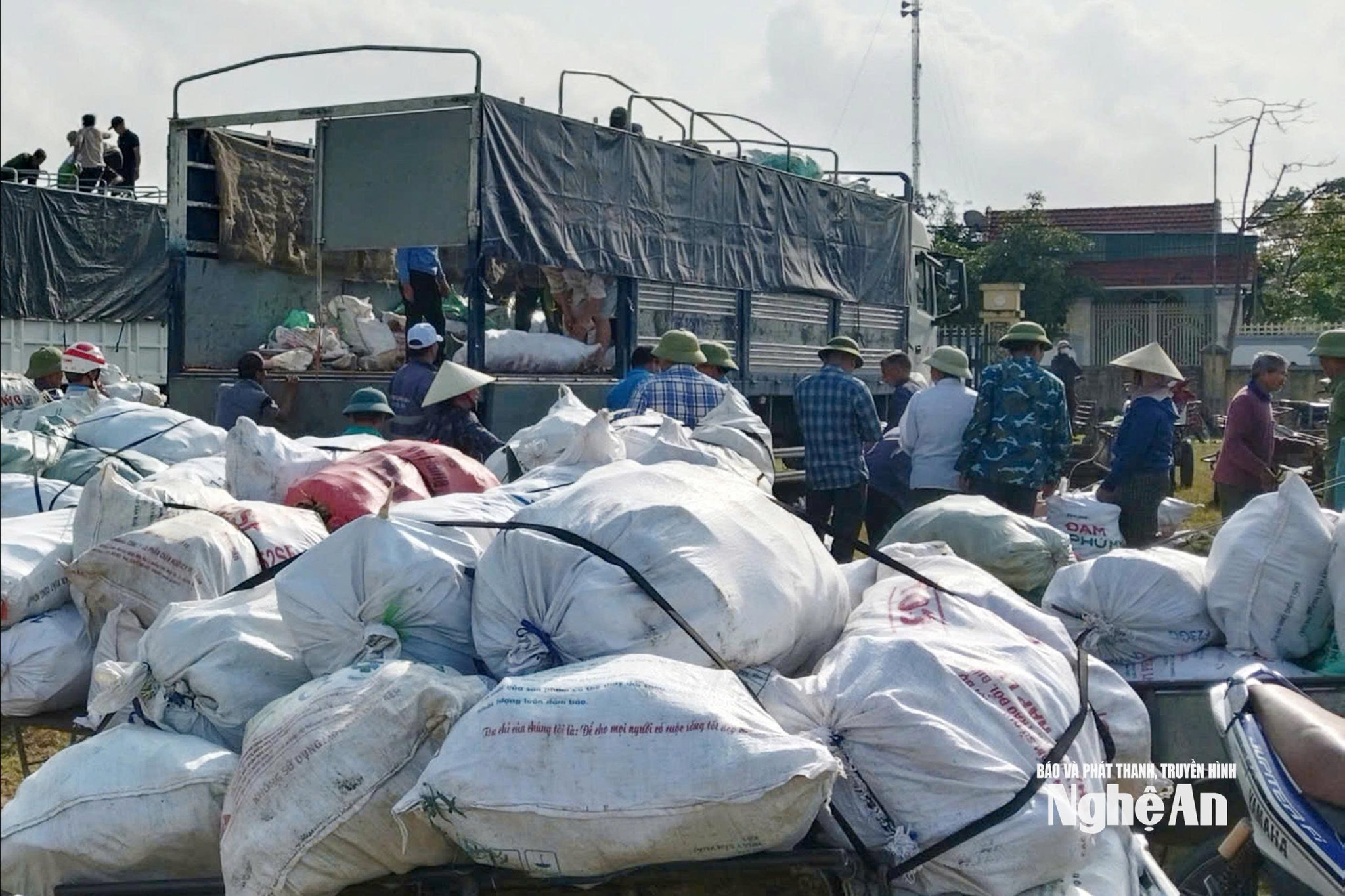
Behind the success of that bumper sweet corn harvest lies a tightly organized supply chain. The seed supplier (approximately 380,000 VND/acre) provides deferred payment and transfers production techniques. The commune's Farmers' Association connects farmers with deferred payment fertilizer sources, helping to reduce capital pressure. The cooperative coordinates the entire production process, from planting to harvesting. As a result, production is no longer fragmented but organized synchronously, ensuring quality and timely supply – a key factor in participating in the processing and export chain.
Lessons from production organization
While economic efficiency is the most obvious result, the decisive factor in the model's longevity over the past eight years lies in the organization and implementation of the linkage. According to Mr. Vu Thanh Lam, Chairman of Toan Thang Agricultural Cooperative, the foundation of the linkage is trust. “The purchasing enterprise adheres to the contract and does not manipulate prices; farmers follow the correct procedures and ensure quality. The cooperative coordinates production, ensuring it is planned and not spontaneous. Only then can it be sustainable in the long term,” Mr. Lam said.
However, trustworthiness isn't just about written commitments; it's demonstrated in every stage of production. In Quynh Phu, participating households must strictly adhere to the technical procedures guided by the company, from planting to caring for and harvesting. Nguyen Dinh Tai's family is one of the households that does this well. "Following the correct procedures results in healthy plants, high yields, uniform corn, and meets the company's requirements, so they buy everything. If we don't follow the procedures correctly, it's difficult to guarantee quality," Tai shared. This adherence ensures product uniformity, building trust with the company and maintaining stable purchasing.
From a business perspective, the requirement for quality and uniformity of raw materials is a key factor in maintaining long-term partnerships. Ms. Nguyen Thi Lan Anh, the officer in charge of the corn raw material area of Dong Giao Import-Export Joint Stock Company, said: "Quynh Phu has suitable conditions for growing sweet corn, but more importantly, the people are already familiar with production according to procedures, ensuring consistent quality."
According to Ms. Lan Anh, businesses need not only production volume but also a stable supply of raw materials that meet processing and export standards. "When cooperatives organize production, businesses can work according to plan and better control quality. This is the basis for expanding the raw material supply area in the future," Ms. Lan Anh added.
The reality in Duc Chau commune also shows that linkages are only sustainable when each "link" plays its role correctly. For the 2025-2026 Winter-Spring crop season, 170 households in Duc Chau commune are growing chili peppers for export through a linkage model, with the Dien Phong Agricultural Service Cooperative acting as a bridge between businesses and farmers. Now in its fourth year, farmers have mastered the technical process, helping to achieve yields of 35-40 tons/ha. The family of Ms. Que Thi Thanh (Dong Ho hamlet) is a prime example. Having been involved in the export chili pepper farming model for many years, her family strictly adheres to standards from cultivation to harvesting, ensuring high-quality products that are consistently purchased by businesses, generating an income of 20-25 million VND per sao (approximately 1000 square meters).
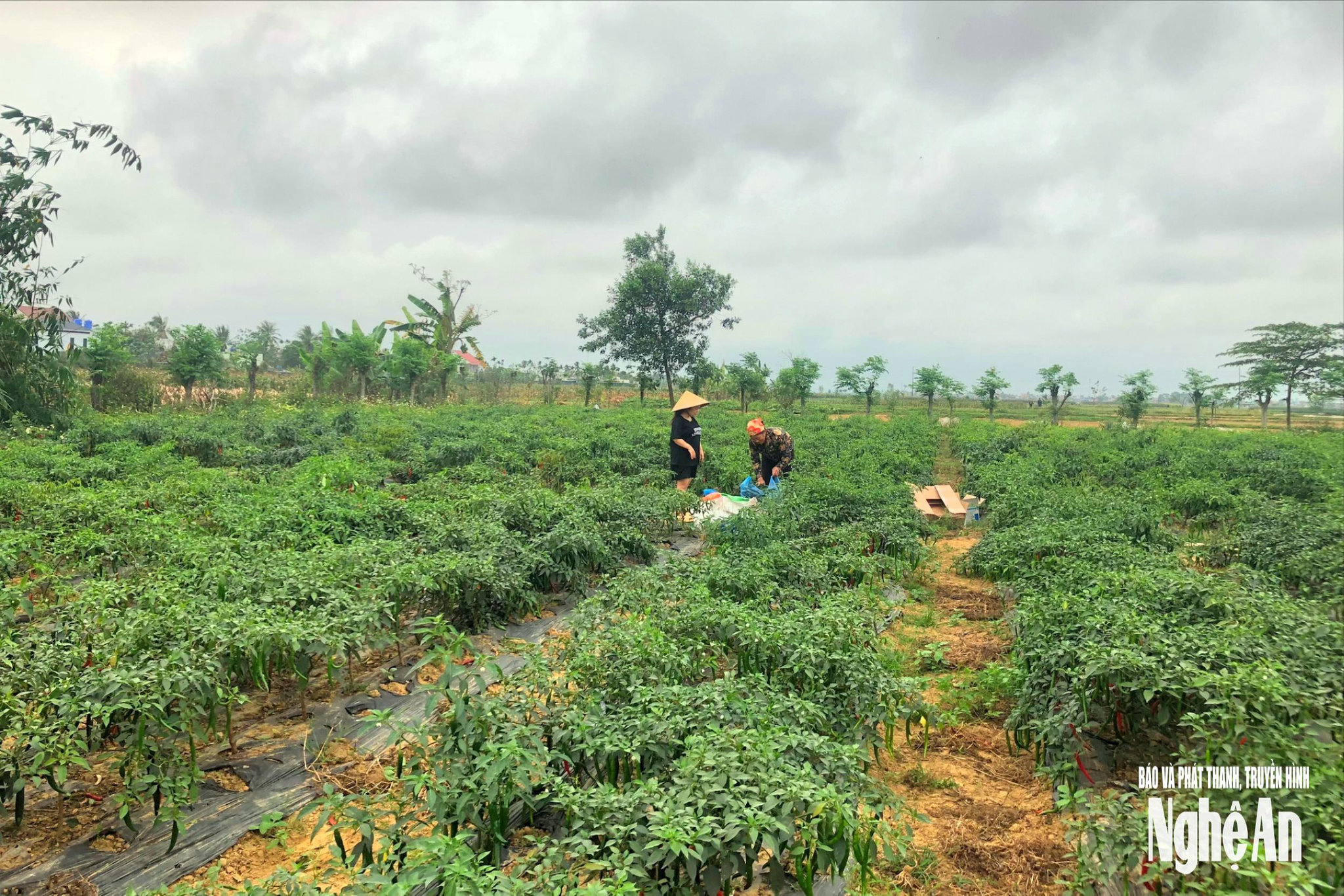
Besides ensuring technical procedures, Ms. Thanh said that participating households in the cooperative also commit to strictly adhering to the consumption contract. "Even when prices outside are higher, we still sell to the company as agreed. Long-term business requires maintaining trust; only then will the company stay with us," Ms. Thanh shared.
According to Mr. Que Van Duyen, Director of Dien Phong Agricultural Service Cooperative, the linkage is only sustainable when each member fulfills their commitments. "Production must follow the correct procedures and ensure quality so that businesses can confidently purchase the products. This is a two-way responsibility," Mr. Duyen emphasized.
From this practical experience, it can be seen that cooperatives play a central role in organizing production, businesses lead the market, and farmers are the decisive factor in quality. Only when these three "links" operate synchronously and interconnected can stability and expansion be maintained. However, for long-term development, it is still necessary to remove "bottlenecks" such as fragmented land plots, inadequate internal infrastructure, and unsynchronized irrigation systems. This is also the path for local agriculture to escape the vicious cycle of "bumper harvest, low prices," and gradually move towards large-scale, stable, and sustainable commodity production.