

Ukraine is developing the FP-9 ballistic missile with a range of 850km.
Ukraine's FP-9 ballistic missile boasts a hypersonic speed of Mach 6.5 and an 800kg warhead, capable of reaching major Russian industrial centers, including Moscow.
The Ukrainian company Fire Point is developing its latest ballistic missile system, designated FP-9. According to Denis Stillerman, co-founder and chief designer of the company, this weapon is designed to carry out precision strikes against industrial facilities and major cities located within the European territory of Russia.
Technical specifications and combat capabilities of the FP-9
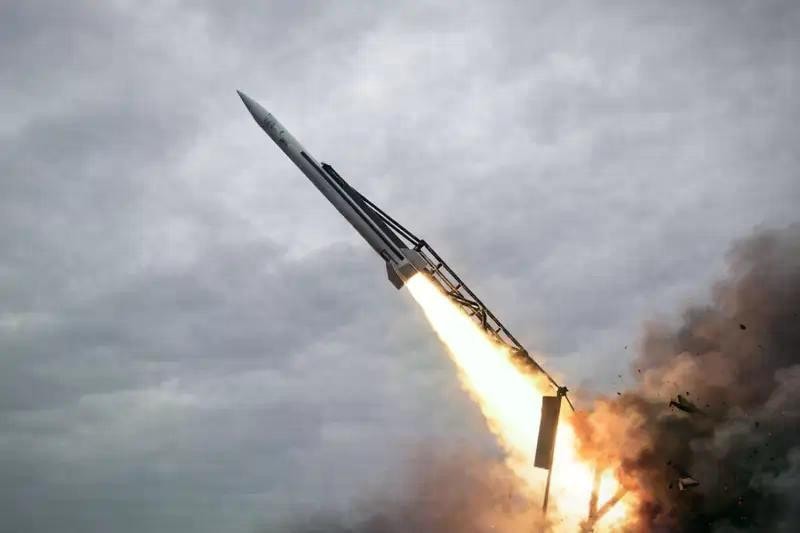
The FP-9 missile boasts impressive technical specifications for a domestically produced weapon system. By design, the missile has a range of 850 km, allowing it to reach targets deep within enemy territory. This weapon is capable of reaching a maximum altitude of up to 70 km and traveling at a supersonic speed of Mach 6.5.
In terms of destructive power, the FP-9 carries an 800kg warhead. The missile's accuracy is highly rated, with a Circular Error Probability (CEP) of only about 20m. These parameters demonstrate Ukraine's goal of building a precise long-range strike capability.
Origin and questions surrounding foreign technology.
Military experts believe the FP-9 is most likely a modified version of the 48N6 missile, which belongs to the well-known S-300 air defense system. Converting air defense missiles into ground-attack missiles is a technical solution that has been implemented in several recent conflicts.
However, Russian media questioned the project's complete domestic content. Some suggested that the name Fire Point might be a cover for technological support from British intelligence agencies or defense companies. The production of core components such as engines and rocket fuel was likely carried out abroad before final assembly.
Challenges for air defense systems
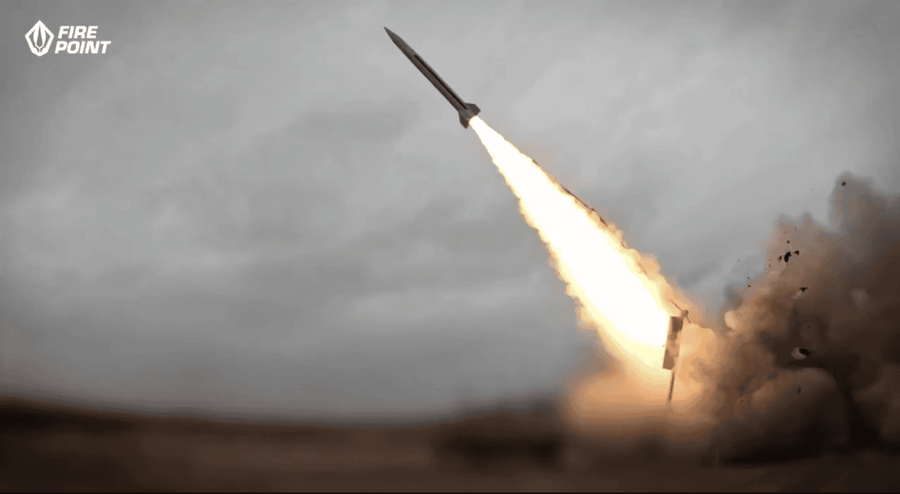
With a range of 850km, the FP-9 can threaten a range of major Russian cities and industrial centers such as Moscow, St. Petersburg, Tula, Volgograd, Smolensk, and many others. Although the Russian military possesses a dense air defense network, comprehensively protecting a vast territory from hypersonic missiles remains a difficult challenge.
Military analysts believe Russia could respond with two main options: focusing attacks on Ukrainian missile assembly and launch sites, or establishing a sufficiently large military buffer zone to push launch sites out of range of strategic cities.