

World oil prices surged 50%, exceeding $110 per barrel, due to the conflict in Iran.
Conflicts in the Middle East disrupt 20% of global energy supplies, driving up crude oil and gas prices and directly threatening world food security.
The conflict in the Middle East is pushing the global energy industry into its worst-case scenario. The near-blockade of the Strait of Hormuz – a strategic shipping lane along the Iranian coast – has disrupted approximately 20% of global oil and liquefied natural gas (LNG) supplies since February 28th. According to the International Energy Agency (IEA), this is a more severe energy shock than the 1973 oil crisis.
The oil and gas markets are under significant pressure.
Currently, the global market is facing a shortage of approximately 400 million barrels of oil, equivalent to four days of global consumption. This situation has driven energy prices up by about 50%. Specifically, the global benchmark oil price has surpassed $110 per barrel, while some types of oil from the Middle East have reached nearly $164 per barrel.
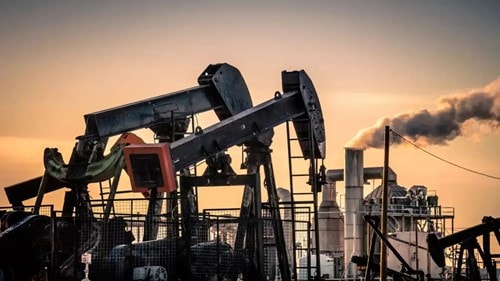
Besides crude oil, the refined fuel market has also seen record fluctuations. In Europe, aviation fuel prices have reached $220 per barrel. In the US, consumers will have to pay more than $1 more per gallon of retail gasoline starting in late February 2026. Regarding natural gas, Saad al-Kaabi, CEO of QatarEnergy, estimates that the conflict will disrupt approximately 12.8 million tons of LNG annually for the next 3 to 5 years.
Countries implement emergency measures.
Faced with soaring fuel prices, many governments have had to implement strict energy conservation measures. Thailand has ordered a temporary halt to overseas business trips for government officials, while Bangladesh has been forced to close universities. Sri Lanka has implemented a fuel rationing system, and China has banned the export of refined fuels.
Notably, the IEA announced plans to release 400 million barrels of oil from its emergency reserves. However, Natasha Kaneva, an analyst at JP Morgan, argues that this amount is only enough to offset about 20 days of the crisis's impact, and that cutting demand is currently the only solution given the severe supply shortage.
Risks to food security and supply chains
Beyond just energy, the conflict poses a serious threat to global food security. Approximately one-third of the world's fertilizer trade, which passes through the Strait of Hormuz, is currently stalled. Prices of nitrogen-based fertilizers, particularly urea, have increased by 30% to 40% since the conflict began.
Maximo Torero, chief economist of the United Nations Food and Agriculture Organization (FAO), warned that if this situation persists, production of essential commodities such as grains, dairy, and meat will plummet due to crop disruptions. Many fertilizer plants in Asia have had to scale back or temporarily cease operations due to raw material shortages and rising electricity costs.