

Simple ways to effectively reduce scam calls.
Scamming calls are on the rise, causing annoyance and financial risk to mobile users. However, there is a simple way to help users minimize this risk.
In the past, many people felt curious or excited to answer a phone call when it rang. But now, that has changed significantly. The sound of the phone ringing is increasingly becoming a source of annoyance, even anxiety, as the number of spam and scam calls is rapidly increasing.
This situation is not limited to a single country but has become a global problem. Mobile phone users in many places are facing unwanted calls, ranging from advertisements and marketing messages to sophisticated scams.

Despite phone manufacturers and mobile network operators implementing various measures such as call filtering, scam alerts, and caller identity verification, a significant number of calls still slip through the system.
Notably, one of the common mistakes users make is answering calls from unknown numbers. Simply saying "Hello" or "Hi" inadvertently confirms that your phone number is active.
This makes you a "potential target" on scammers' lists, and your phone number may be shared or resold to multiple parties.
Beyond simply being annoying, scam calls pose serious financial risks. With the advancement of technology, particularly artificial intelligence (AI), malicious actors can impersonate the voices and identities of acquaintances, bank employees, or government officials to gain trust and deceive recipients. This makes identifying scam calls increasingly difficult.
In recent years, numerous technical and legal measures have been implemented to curb this problem. Several technologies help verify the origin of calls, reducing the number of fraudulent phone calls. Simultaneously, regulations have been tightened to control telemarketing activities.
However, in reality, these solutions have not been as effective as expected. Part of the reason is that fraudsters constantly change their tactics, exploit loopholes in the system, and use technology to conceal their identities.
In this context, cybersecurity experts suggest that users need to change their phone usage habits, instead of relying solely on technology or network providers.
The simplest yet most effective way to avoid being scammed is to not answer calls from unknown numbers.
It may sound extreme, but this is the most effective way to minimize the risk of harassment and scams. If the phone number isn't in your contacts or you don't recognize it, treat it as a suspicious call.
Instead of answering, users should let calls automatically go to voicemail. Truly important calls will usually leave a message. Conversely, scam calls or spam calls often leave no message or only very short recordings.
Actively rejecting calls isn't always the best option. In some cases, this action might still signal that the phone number is active. The best approach is to let the phone ring and automatically switch to voicemail.
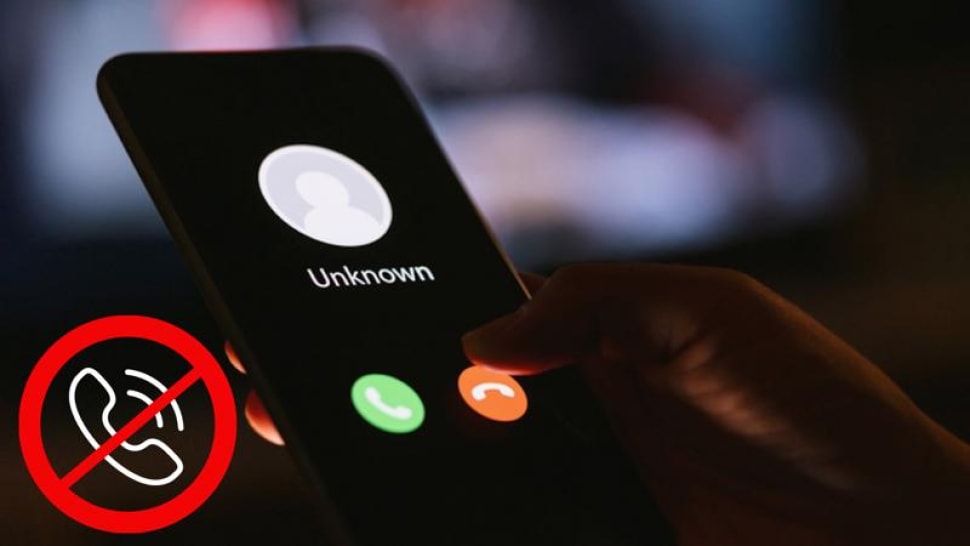
In addition, users can take advantage of the features available on smartphones to minimize disturbances. Many devices now allow users to mute calls from unknown numbers or automatically forward them to voicemail. Some operating systems even support displaying voicemail content in real time, helping users quickly identify the importance of the call.
In addition, experts have also offered some important recommendations:
- Do not trust calls from people claiming to be representatives of government agencies, banks, or businesses if you cannot verify their identity.
- Do not follow instructions to press keys or provide personal information over the phone.
- Do not call back suspicious or unknown numbers.
- Always proactively contact us through official channels if you need to verify information.
In the context of increasingly sophisticated scams, especially with the support of AI technology, increased vigilance is key. No technological solution can provide absolute protection if users remain careless when answering calls from unknown numbers.
The reality is that scam calls exist because they still benefit the perpetrators. Therefore, the most effective way to curb this is to reduce their chances of "success."
In summary, while technologies to combat scam and spam calls are constantly evolving, users still play the most crucial role in protecting themselves. A small change in habits, such as not answering calls from unknown numbers, can significantly reduce the risk from the increasing prevalence of scam calls today.