Unlocking the "carbon treasure" from forests and rice:Part 3: The "bottlenecks" that need to be overcome
Transforming the carbon-absorbing value of forests into economic benefits is not only an environmental issue but also a crucial step in the process of international integration and green economic development. When the value of forests and rice is quantified in carbon credits, people who protect forests not only contribute to safeguarding the Earth's "green lungs" but also gain a sustainable source of livelihood. However, for this mechanism to be truly effective, many obstacles in its implementation and organization still need to be overcome.
Reporters Team/Present:Hong ToaiMarch 25, 2026
*****
Transforming the carbon-absorbing value of forests into economic benefits is not only an environmental issue but also a crucial step in the process of international integration and green economic development. When the value of forests and rice is quantified in carbon credits, people who protect forests not only contribute to safeguarding the Earth's "green lungs" but also gain a sustainable source of livelihood. However, for this mechanism to be truly effective, many obstacles in its implementation and organization still need to be overcome.
.png)
If forests act as carbon sinks, then rice paddies can significantly reduce methane emissions – one of the greenhouse gases that strongly impacts climate change. Both sectors are directly linked to the livelihoods of rural and mountainous communities – groups most vulnerable to the impacts of climate change. When emission reduction policies yield concrete economic benefits, the transition to a green development model will be more sustainable.
.jpg)
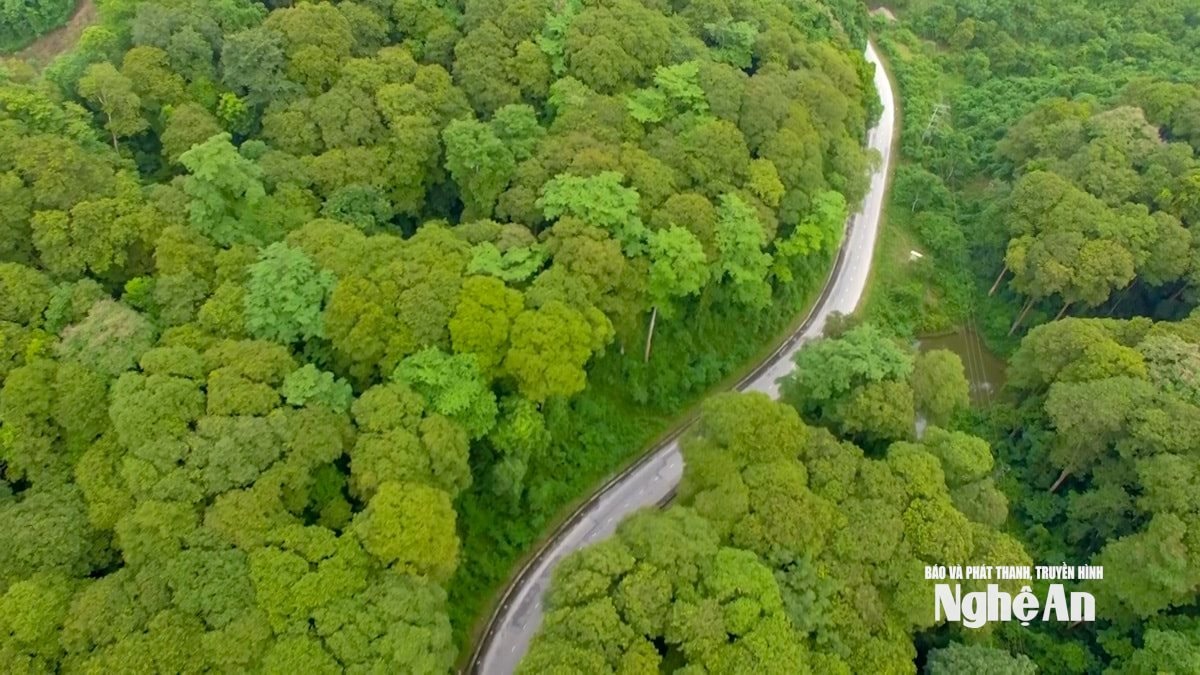
In the roadmap for reducing greenhouse gas emissions, establishing and operating a carbon market is considered a crucial economic tool to promote emission reduction activities. Instead of relying solely on administrative regulations, a market mechanism allows for the pricing of greenhouse gas emissions through the buying and selling of carbon quotas and credits. This provides businesses and organizations with additional incentives to invest in clean technologies, energy efficiency, and emission reduction in their production activities. Recently, Nghe An province successfully sold carbon credits at a price of $5 per credit, opening up a new and promising direction.

In Vietnam, the development of a carbon market has been outlined in the 2020 Environmental Protection Law. According to the Ministry of Natural Resources and Environment's roadmap, the domestic carbon market will be piloted starting in 2025 and gradually put into official operation in subsequent years. At that time, businesses in the high-emission group will be allocated emission quotas. If emissions are below the allocated level, businesses can sell the surplus in the form of carbon credits; conversely, if emissions exceed the quota, they must purchase additional credits from units with surplus credits or invest in emission reduction solutions to achieve Net Zero.
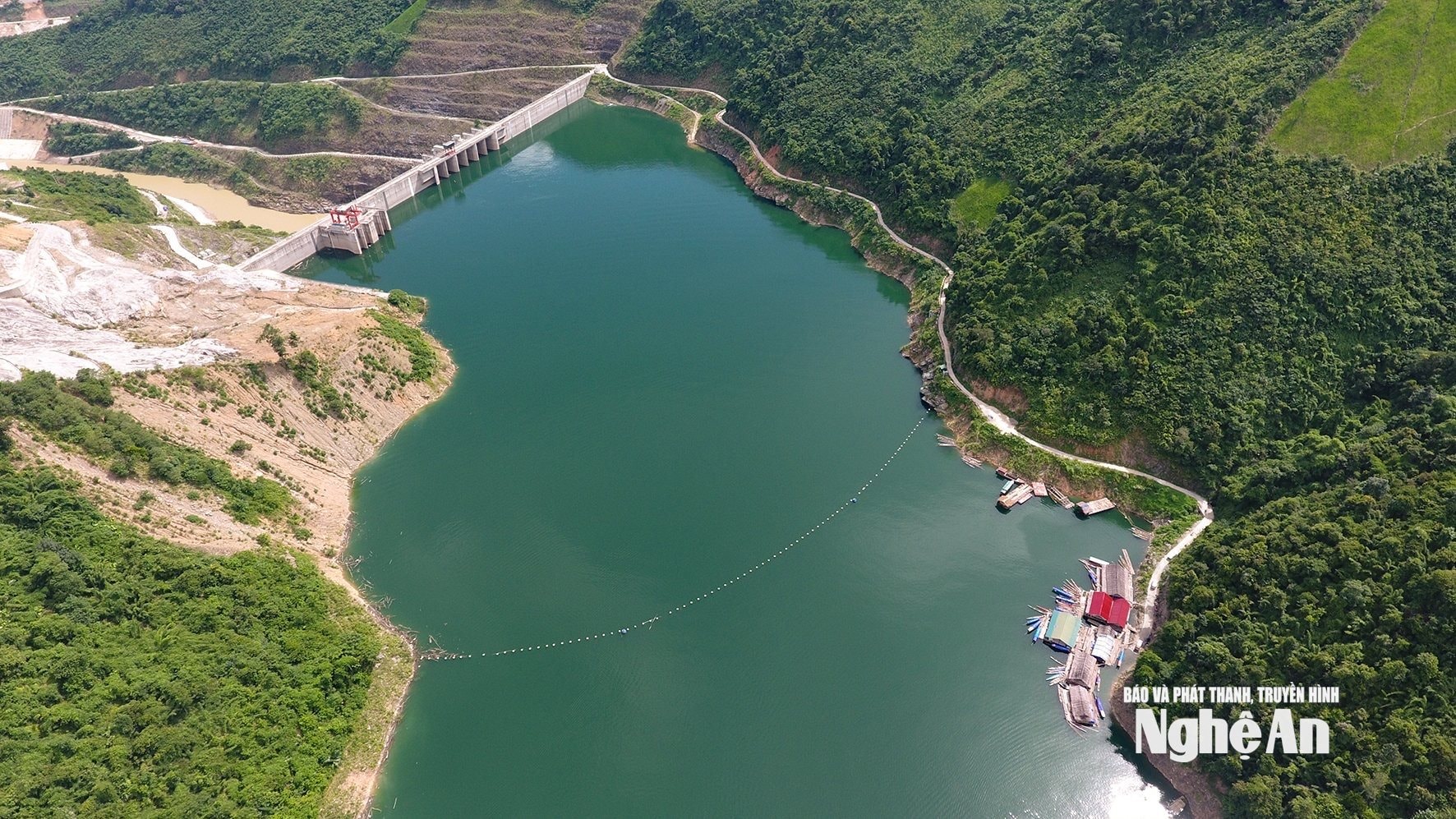
However, the formation of a carbon market also presents numerous challenges. One crucial requirement is the establishment of a transparent and accurate system for inventorying, measuring, and verifying emissions. This forms the basis for determining emission quotas and ensuring the reliability of carbon credits traded on the market. Furthermore, the legal framework, market operating mechanisms, and the capacity of businesses to participate still need further improvement.
If these issues are addressed, the carbon market will not only be a tool for fulfilling climate commitments but will also open up opportunities to harness the economic value of carbon-absorbing activities such as forestry and agriculture.
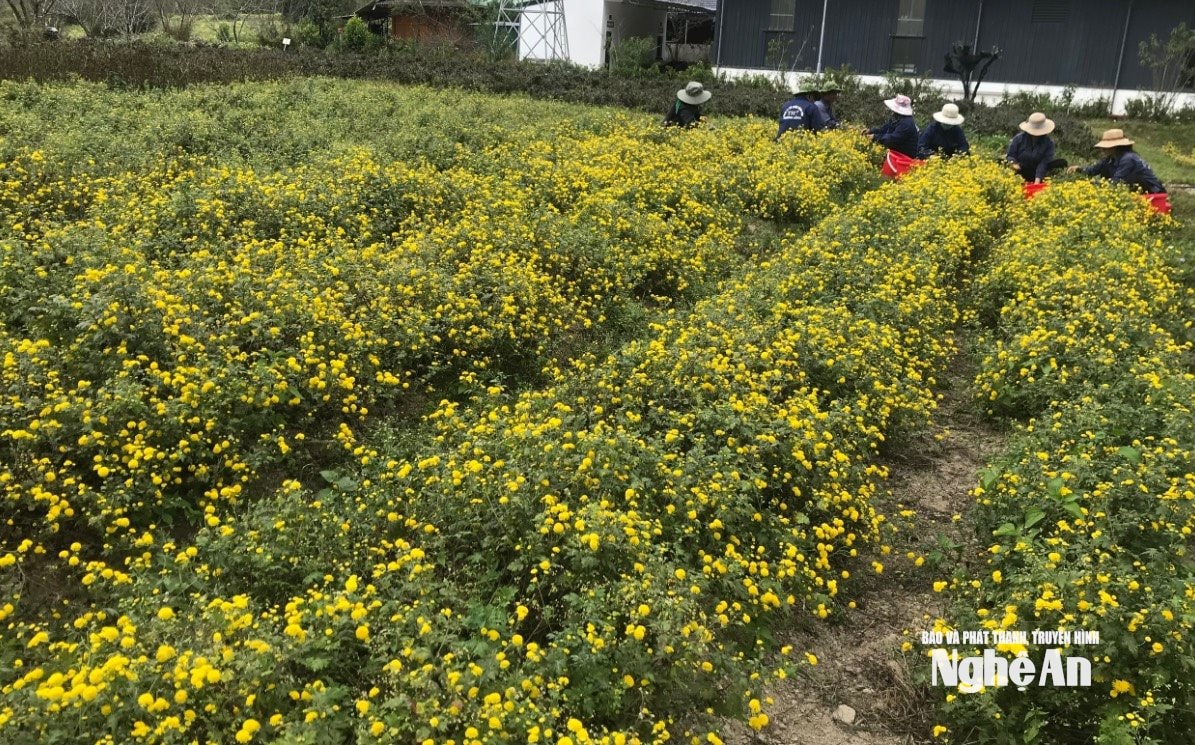
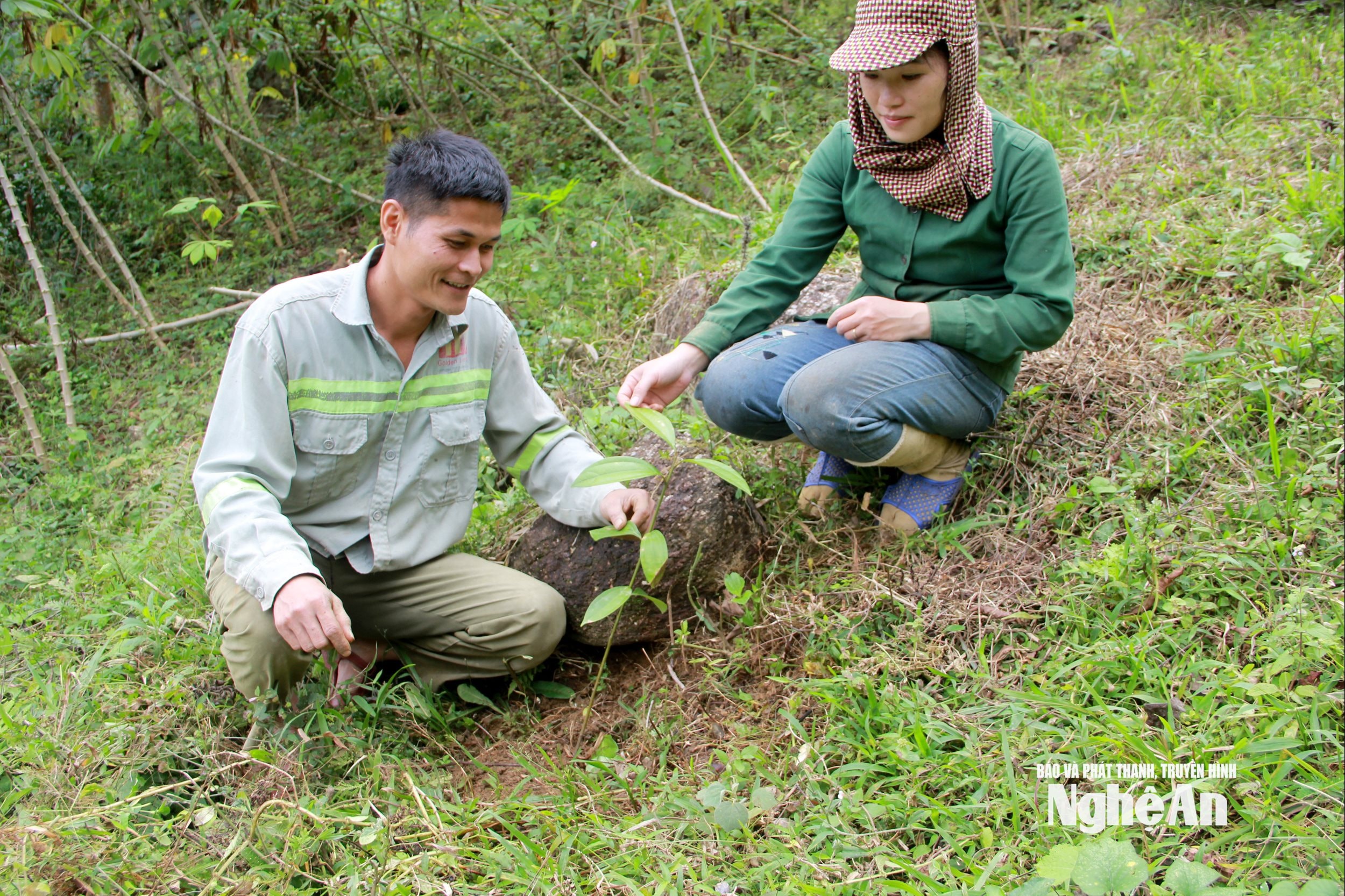
Despite its many positive aspects, the mechanism for paying for reduced forest emissions still has several limitations. According to forestry experts, forests with high canopy cover, high biomass, and mature trees absorb more carbon than planted or young forests. However, currently, support is mainly calculated based on average area, which does not accurately reflect the differences in forest quality.
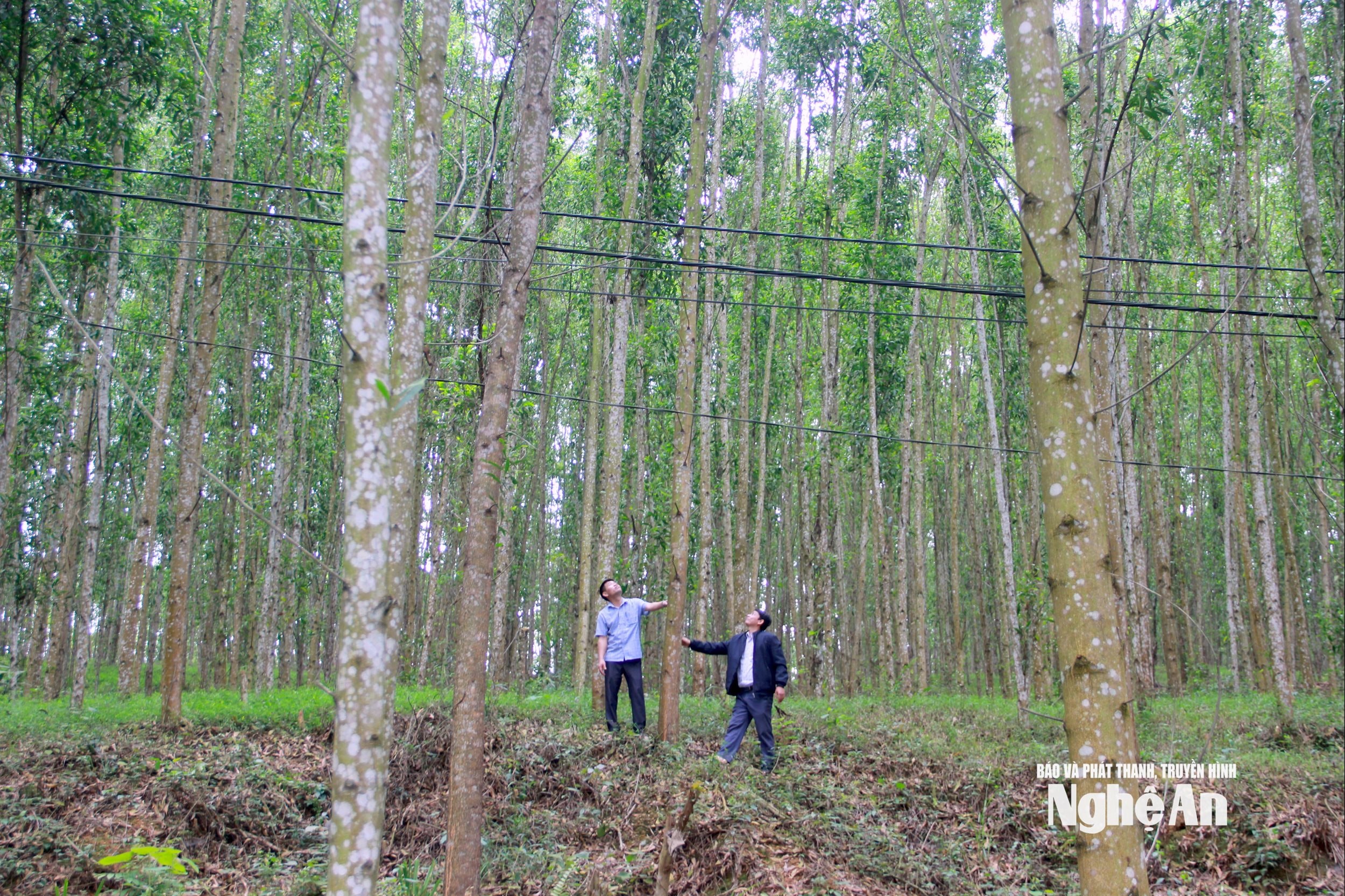
Mr. Nguyen Van Lien, Director of Quy Hop Forestry Station, stated that the unit manages approximately 4,000 hectares of natural forest. If the emission reduction payment mechanism were fully implemented, the forestry station could receive nearly 2 billion VND annually to support forest management and protection. However, in reality, the current support level is still low compared to the needs. According to Mr. Nguyen Van Sinh, Director of Pu Hoat Nature Reserve, the actual cost of protecting and caring for one hectare of natural forest is about 2 million VND per year, while the current support is only about 500,000 VND/hectare. This support is insufficient to cover the costs of patrolling, protecting, and restoring the forest, especially in areas with complex terrain.
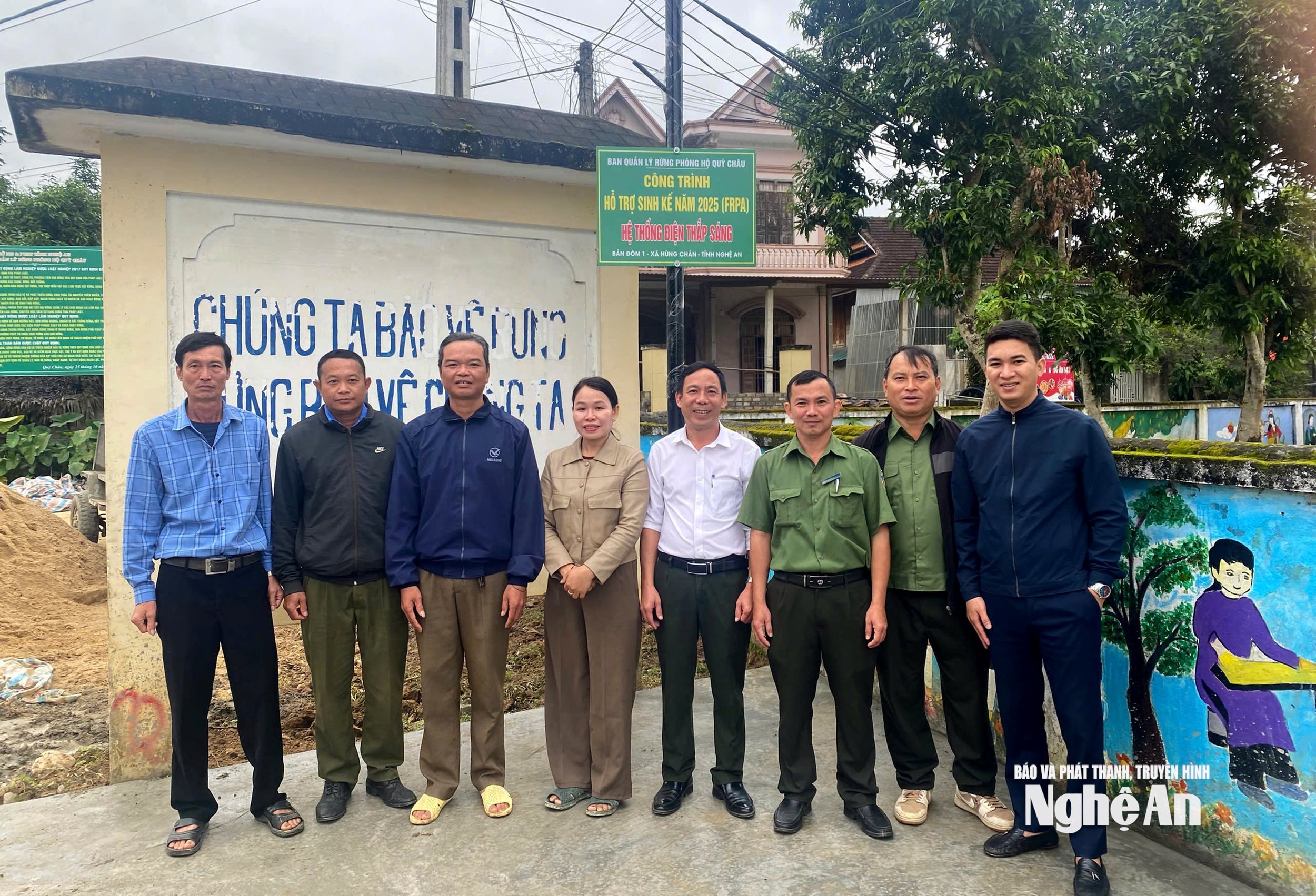
Another shortcoming lies in the regulations regarding eligible beneficiaries. Many forest management units are tasked with organizing the implementation of emission reduction payments, but these units themselves are not entitled to receive this support because their staff already receive salaries from the state budget. Therefore, the funds are primarily disbursed to households or communities contracted to protect the forest.
In practice, this regulation has led to a situation where a portion of the funds could not be fully disbursed. By the end of 2025, nearly 25 billion VND from the emission reduction fund had to be returned because the eligible beneficiaries could not be identified according to the regulations.
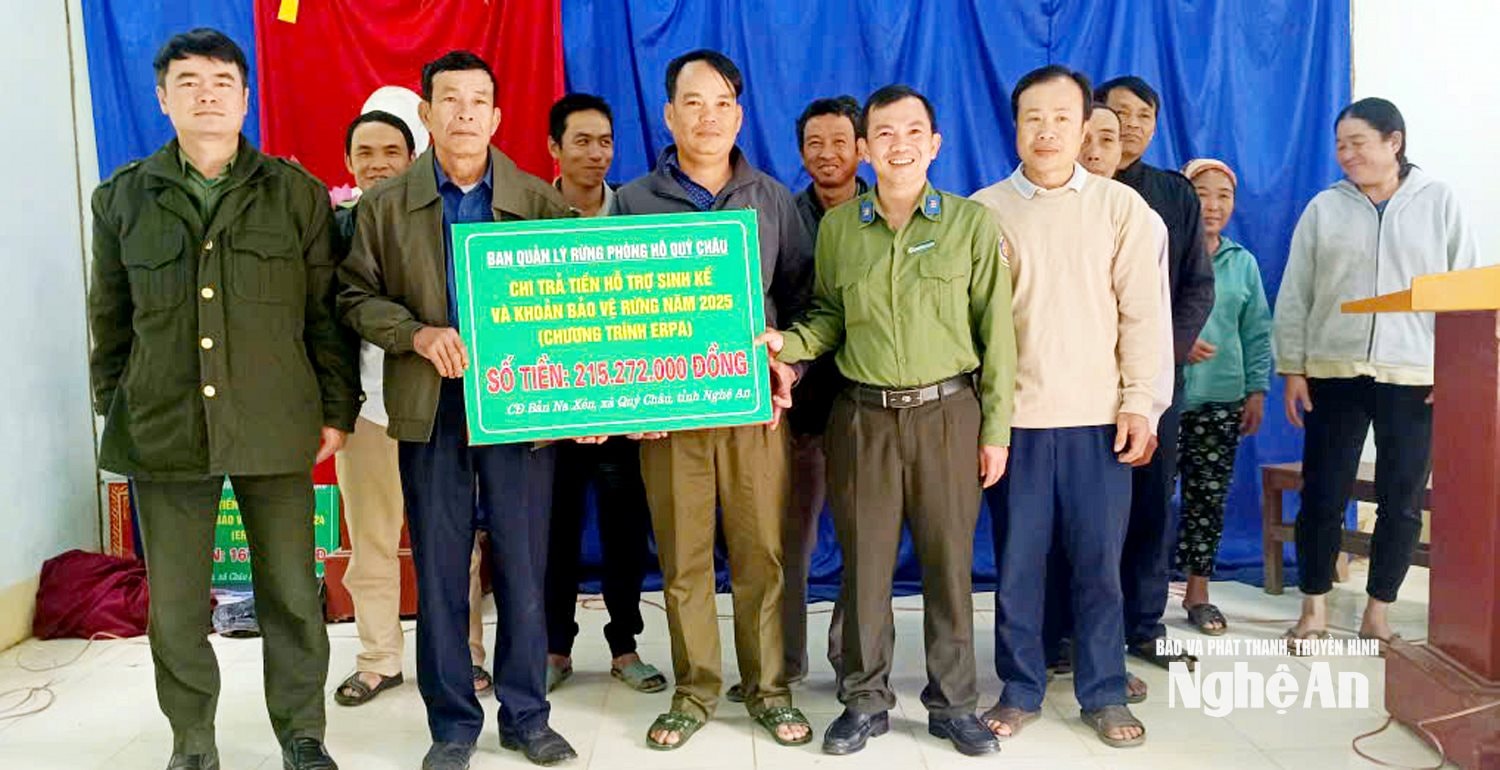
Furthermore, the "no duplicate payment" regulation is becoming a barrier for many localities. According to current regulations, forest areas that have already received payments for forest environmental services from hydropower plants are not eligible for additional support from the emission reduction program. This prevents some areas with large forest areas from accessing additional financial resources to improve the livelihoods of forest-protecting communities.
.png)
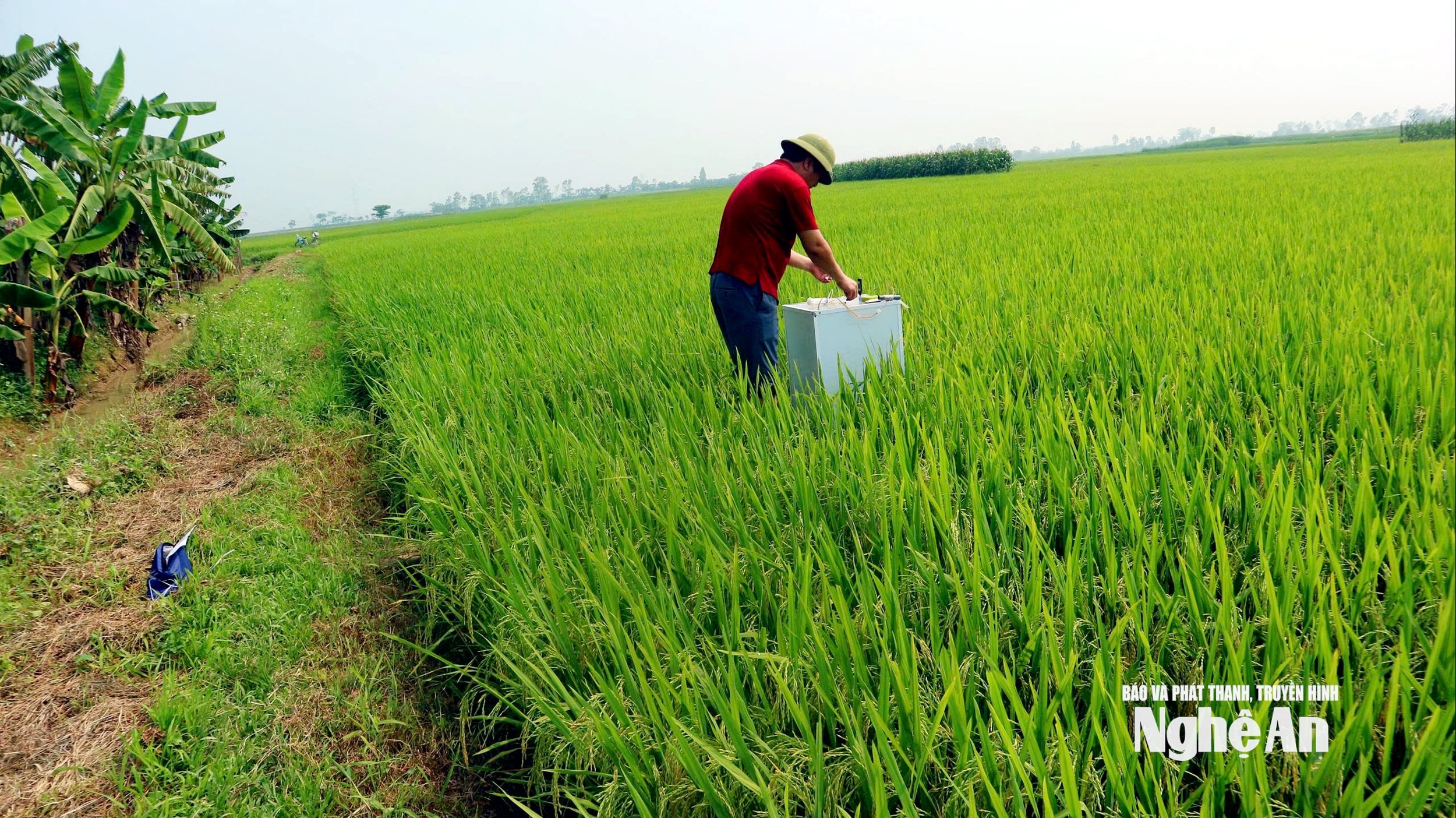
Measuring gases, collecting samples, analyzing, and calculating carbon credits are quite complex tasks, currently being carried out by scientific and technical institutes, including the North Central Agricultural Science and Technology Institute. Engineers collaborate with farmers to build models and closely monitor cultivation, water management, and rice plant growth. Weekly and monthly, they directly go to the fields to inspect and collect gas samples.
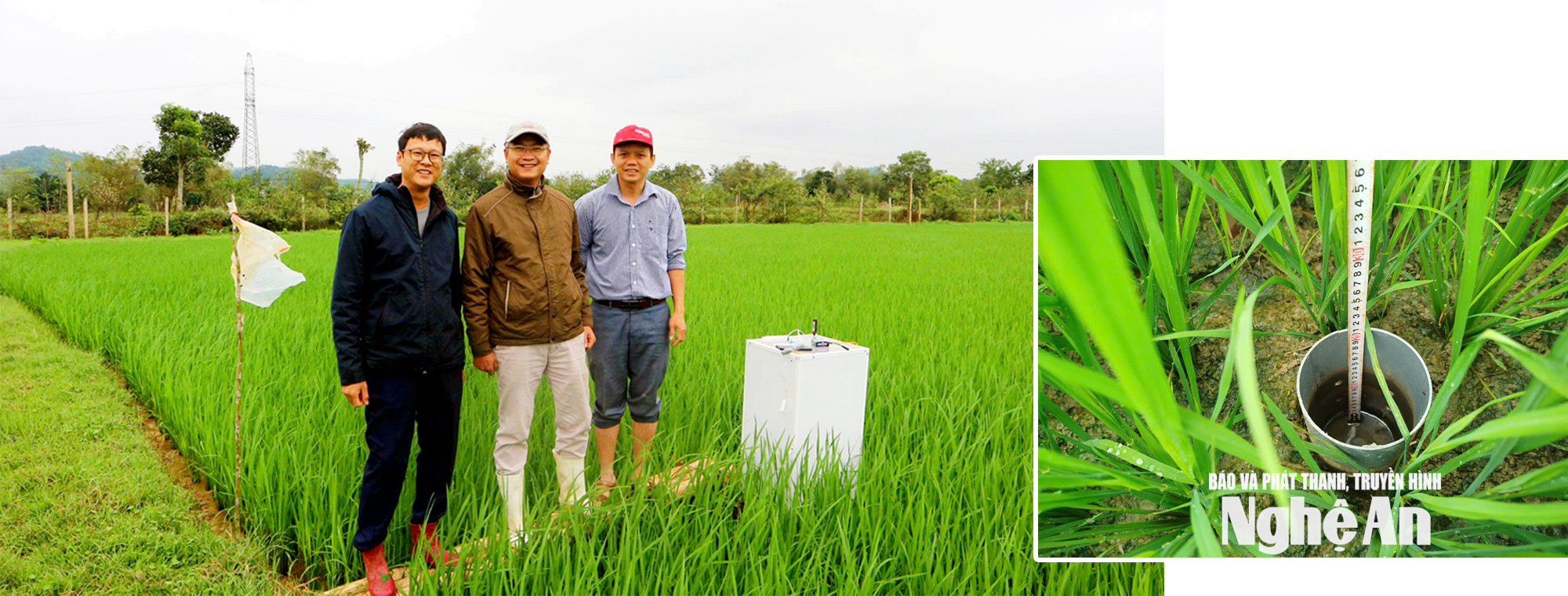
According to Mr. Pham Duy An, Deputy Head of the Food Crops and Foodstuffs Department at the North Central Agricultural Science Institute, this process must strictly adhere to the sampling procedure, while also recording the growth indicators of the rice plants and environmental conditions at the time of sampling. The samples are then sent to the laboratory for analysis to determine the amount of emitted gases.
.png)
Each experiment consisted of two plots: one plot using an alternating wet-dry irrigation technique and one plot cultivated using traditional methods as a control. After analyzing methane emissions from both plots, the scientists compared the emission levels. The difference represented the amount of gas reduced by the new technique. This methane was then converted to its CO₂ equivalent; the number of tons of CO₂ per hectare is also the amount of carbon credits that can be generated.
Dr. Vu Duy Hoang, a senior lecturer in the Faculty of Agronomy and Deputy Director of the Ecology Center at the Vietnam Academy of Agriculture, stated that there are currently many methods to measure and calculate greenhouse gas emissions and emission reductions in rice production, such as using enclosed sampling chambers, field sensors, remote sensing/satellite imagery, or modeling based on operational data and emission factors. Each method has its own advantages and limitations in terms of cost, accuracy, and scope of application. In practice, the most common method is still using enclosed chambers to collect gas samples directly in the rice fields. Samples are usually taken periodically, about once a week, and then sent to the laboratory for analysis of the concentrations of emitted gases. From the measured data along with related parameters, scientists will calculate the total emissions and convert them to CO₂ equivalent (CO₂e). According to international convention, each ton of CO₂e emission reduction is confirmed to correspond to one carbon credit.
Nevertheless, for emission sources such as industry or forestry, accurate and transparent measurement and verification of indicators are still necessary to be convincing.
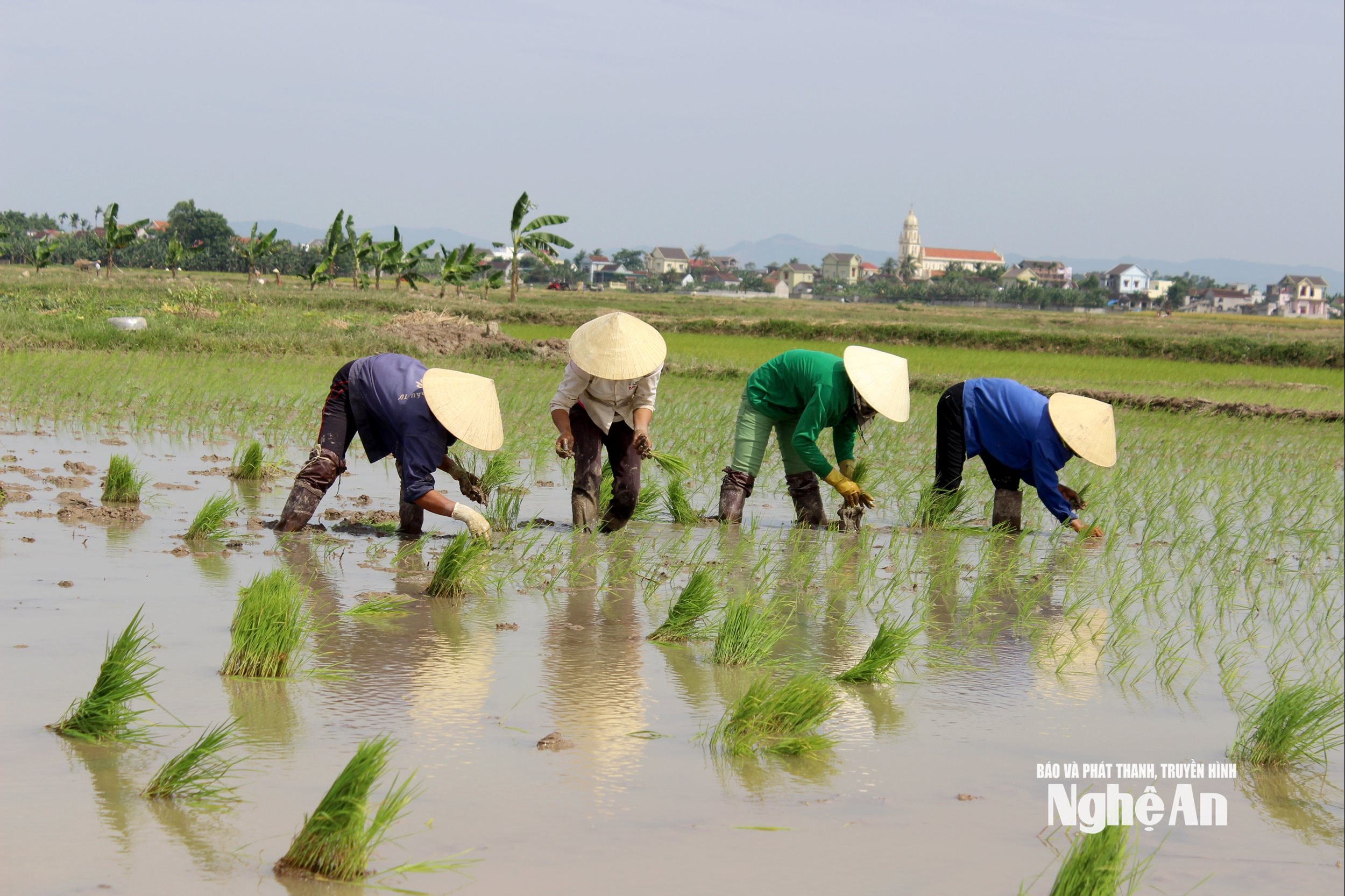
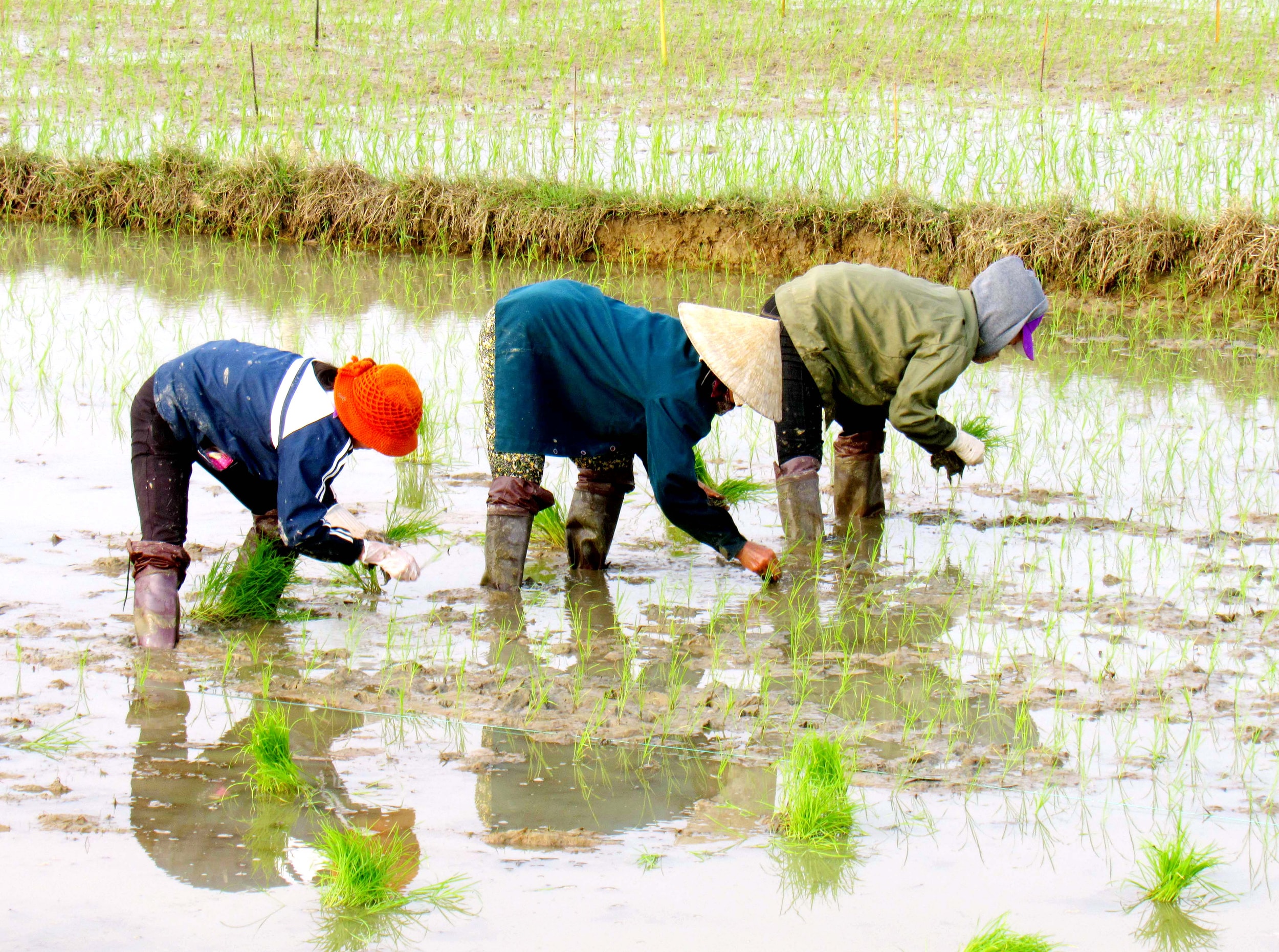
Not only in the forestry sector, but also in agriculture, the process of reducing greenhouse gas emissions is facing many difficulties. In particular, rice farmers – the group directly involved in emission reduction models – still have many concerns about changing their traditional farming methods. Emission-reducing rice production models such as alternating wet and dry irrigation, reduced use of chemical fertilizers, or increased mechanization have been implemented in many localities. These measures are considered to have the potential to significantly reduce methane emissions from rice fields.
However, because it is still in the pilot phase, many farmers remain hesitant to change their long-standing farming practices. A lack of information has also slowed the transition process compared to expectations.
Another barrier to implementing low-emission rice farming models is the lack of on-farm irrigation infrastructure. Alternating wet and dry irrigation methods are encouraged to reduce methane emissions; however, implementation requires flexible water management and flat fields to effectively control water flow. Meanwhile, in many localities, the canal system has not been invested in comprehensively, and in some areas, it is in disrepair. Farmers therefore find it difficult to proactively manage water supply and drainage according to technical requirements. Furthermore, the fragmentation of farmland also hinders the coordinated management of water between plots.
Another challenge is that the mechanism for recording and paying for the benefits of reduced emissions in rice production is not yet clearly defined. Unlike forests, where the area and amount of carbon absorbed can be determined relatively consistently, rice's indicators change due to its dependence on cultivation practices.
Currently, the majority of farmers participating in the model still lack access to specific financial incentives from the carbon market. They primarily rely on scientists and local authorities when participating in the model, while direct economic benefits remain unfulfilled.
Labor Hero Tran Manh Bao - Chairman of ThaiBinh Seed Group - a large rice farming group in Vietnam that reduces emissions, said: To successfully sell carbon credits, it is necessary to connect with international markets and export markets that increasingly demand traceability, sustainability certification, and low emissions. Therefore, applying carbon credits both protects the environment and increases the competitive advantage for businesses.
In the context of Vietnam's ongoing efforts to build a carbon market and implement commitments to reduce greenhouse gas emissions, low-emission forest and rice production models in Nghe An province demonstrate enormous potential if properly organized. However, to transform this potential into a real economic resource, it is necessary to further refine policy mechanisms, enhance emission measurement and verification capabilities, and ensure a harmonious balance of interests for forest owners and farmers. Once these obstacles are overcome, ecological resources will become a new resource for sustainable development.

------o0o------
(To be continued)