

Iranian missiles are putting significant pressure on the US THAAD and Patriot missile defense systems.
Analysis from CIA experts indicates that Iran's missile arsenal is overwhelming U.S. air defenses. Patriot and THAAD systems are facing asymmetrical warfare tactics.
Iranian military forces are employing asymmetric warfare tactics with inexpensive missiles and drones to overwhelm advanced U.S. defense systems such as Patriot and THAAD. After four weeks of conflict, reports indicate that U.S. and Israeli defense networks are facing unprecedented pressure due to the overwhelming number of flying objects launched from Tehran.
Significant damage suffered by both sides after a month of conflict.
The conflict has caused serious losses in both human lives and property for all parties involved. According to Iranian government data as of March 18, the total number of casualties in the country is estimated at around 20,000, with more than 61,000 civilian structures damaged. The US and Israel have carried out more than 16,000 targeted attacks in this campaign.
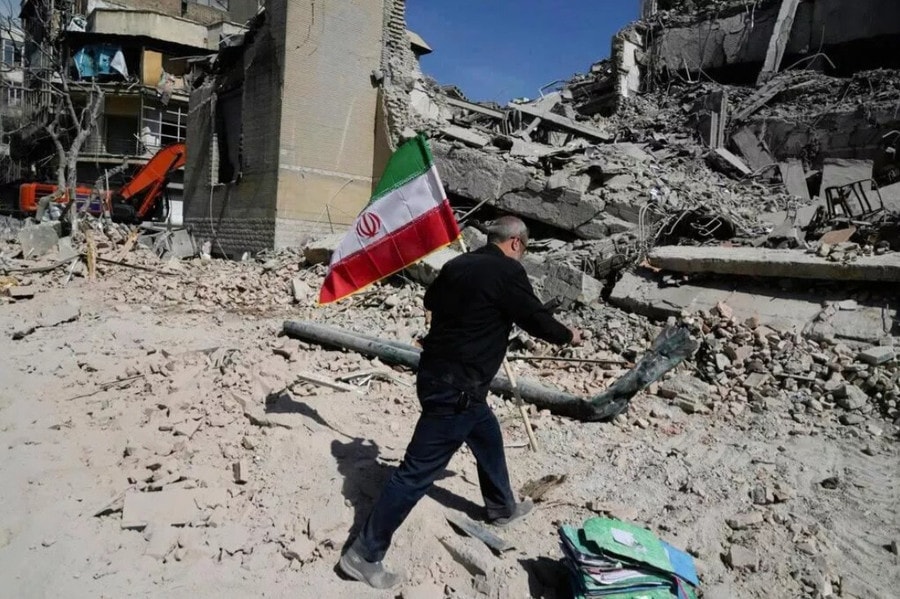
Conversely, US and Israeli forces also reported losses of equipment and personnel. The Pentagon confirmed 13 soldiers killed and approximately 200 wounded. Notably, the US lost five aircraft, including three F-15 heavy fighter jets hit by allied fire in Kuwait and a collision between two KC-135 refueling aircraft over Iraq.
Challenges for fifth-generation fighters and UAVs
One of the most notable events was the first-ever damage inflicted on a US fifth-generation F-35 fighter jet by enemy anti-aircraft fire. The US Central Command (CENTCOM) confirmed the aircraft had to make an emergency landing, although specific details remain classified. Additionally, at least 12 MQ-9 Reaper drones were shot down during missions.
According to published sources, the following table shows the extent of US military equipment losses:
| Type of equipment | Quantity/Status | Note |
|---|---|---|
| F-15 fighter jet | 3 were destroyed. | Due to allied firepower in Kuwait |
| F-35 fighter jet | 1 unit is damaged. | Emergency landing after being hit by a missile. |
| MQ-9 Reaper UAV | At least 12 | Shot down in Iran and Yemen |
| KC-135 aircraft | 1 destroyed, 1 damaged | Mid-air collision in Iraq |
| Radar System | At least 10 systems | Includes AN/TPY-2 and AN/FPS-132 |
Tactics to overload the air defense network.
Iran's Islamic Revolutionary Guard Corps (IRGC) concentrated its artillery fire on 17 strategic US targets in the region, including major air bases such as Prince Sultan (Saudi Arabia), Al Udeid (Qatar), and the headquarters of the 5th Fleet in Bahrain. The effectiveness of the attacks on the UAE has increased from 5% in the early days to 25% currently.
Former CIA analyst Larry Johnson argues that key missile defense systems like THAAD and Patriot are operating at overcapacity. The primary reason is that the U.S. is forced to use expensive interceptor missiles (approximately $10 million per Patriot) to counter Iran's inexpensive UAVs. This shortage of interceptor weapons is leaving U.S. military bases in the Middle East more vulnerable.
Besides its firepower, Iran also holds a strategic advantage by threatening the Strait of Hormuz and the global oil industry, creating economic pressure. This puts the US and its allies at a disadvantage, forcing them to maintain a costly war of attrition against Tehran's flexible warfare tactics.